Behavior
What are quick tips for managing Siberian Husky luxating patellas?
Maintain a healthy weight, provide low-impact exercises, and use joint supplements as recommended by a vet.
Luxating patellas can be a painful issue for Siberian Huskies. This condition involves the dislocation of the kneecap, causing discomfort and mobility challenges. (Siberian Husky luxating patellas)

Dog owners, especially first-time Husky parents, often find themselves struggling with this issue. It can be particularly concerning for those who want an active lifestyle with their dogs, as luxating patellas can hinder playtime and exercise.
This guide is not medical advice. If your dog shows pain, sudden behavior change, or worsening symptoms, consult a licensed veterinarian.
Some links may be affiliate links. We may earn a commission at no extra cost to you. We only suggest products we believe are helpful for dog owners.
Siberian Husky luxating patellas is a common issue characterized by the dislocation of the kneecap, which can cause discomfort and limping. This problem often manifests when the dog is walking, running, or playing, leading to sudden changes in behavior. If your Husky appears to favor one leg or suddenly seems less active, it might be dealing with this condition.
Luxating patellas are fairly common in Siberian Huskies, with estimates suggesting that around 15-20% may experience this issue at some point in their lives. It can affect both young and older dogs, and severity can vary widely.
Siberian Huskies can be prone to luxating patellas due to their genetic makeup. This breed has a higher likelihood of joint issues because of their physical structure, which may include shallow grooves for the kneecap to sit in. This genetic predisposition means that some Huskies are more susceptible to this condition than others.
Environmental factors can also play a role in luxating patellas. Excessive jumping, rough play, or slippery surfaces can increase the risk of dislocating the kneecap. Additionally, a lack of proper exercise or agility training can lead to weakened muscles around the knee, exacerbating the issue.
If your Husky shows persistent signs of discomfort or difficulty moving, or if they frequently dislocate their kneecap, consider consulting a professional trainer. They can help create a tailored exercise plan and teach you effective ways to support your dog's mobility.
If you notice your Husky limping, showing signs of pain, or if they have episodes of knee dislocation, it's important to speak with a veterinarian. They can assess the severity of the luxating patella and recommend appropriate treatments or interventions.
Improvement can often be seen within 2 to 4 months of consistent training and management.
Success means your Siberian Husky can walk, run, and play without frequent knee dislocations, allowing for a happier, more active life.
Avoiding common mistakes can help manage your Siberian Husky's luxating patellas. Here are some behaviors to steer clear of.
Recognizing when luxating patellas in your Siberian Husky is an emergency can make a big difference. If your dog shows signs of severe pain, is unable to bear weight on a leg, or has a visibly dislocated kneecap, you should call your vet immediately. These symptoms indicate that a serious injury may have occurred, and quick intervention is essential.
On the other hand, if your Husky seems to occasionally skip or limp after activity, it may not require immediate action. Mild luxating patellas can often be monitored. In these cases, keep an eye on your dog and note any changes in behavior or mobility. Establish a plan for regular vet check-ups to assess the condition over time.
It's crucial to differentiate between the two scenarios. Monitor your dog's activity level and overall comfort. If you notice worsening symptoms or persistent discomfort, don’t hesitate to reach out to your veterinarian for advice. Being proactive can help manage the condition effectively.
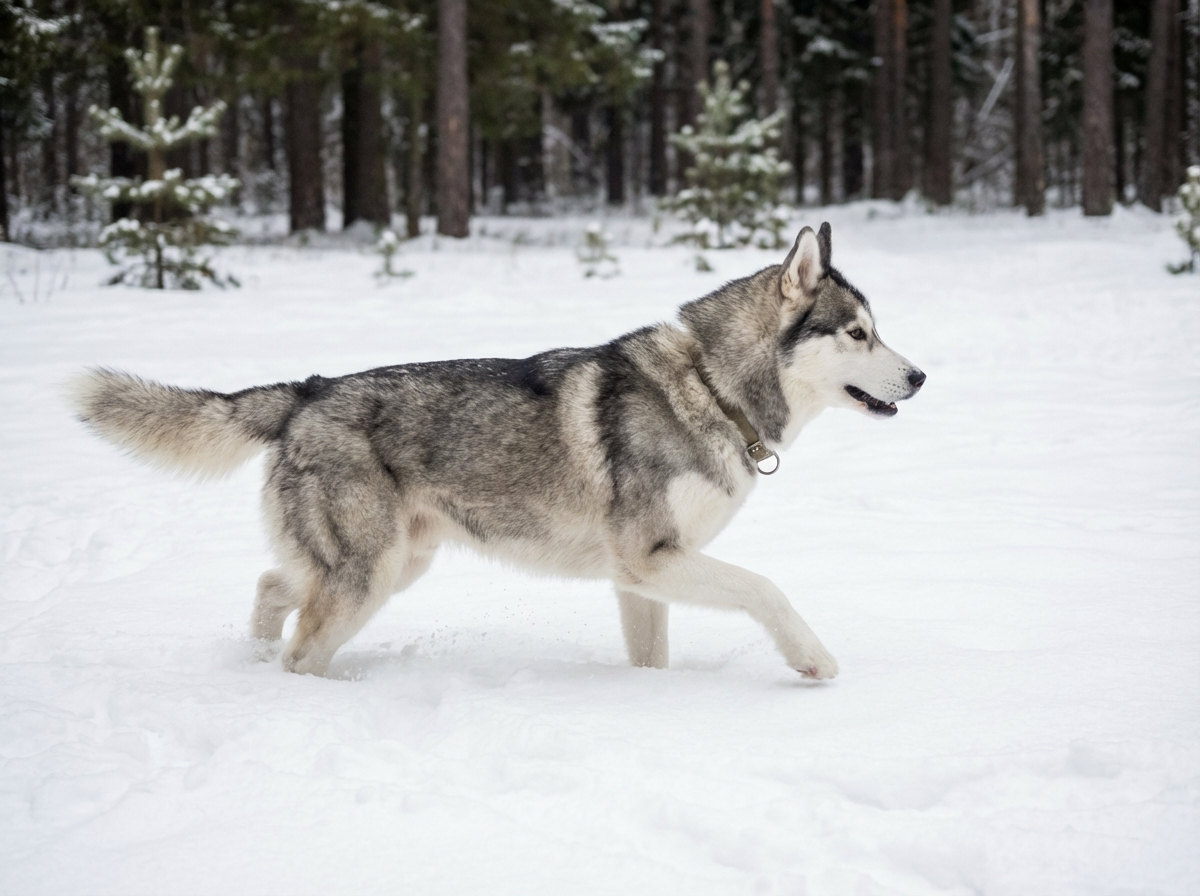
When Jess adopted Max, her Siberian Husky, she quickly noticed he would often limp after playing. A vet diagnosed him with luxating patellas. At first, Jess felt overwhelmed, but she committed to a training regimen, focusing on strengthening Max's legs with low-impact exercises and proper weight management. After months of patience and consistency, Max was running without limping, and their bonding deepened through this challenge.
Key takeaway: With dedication and the right training, managing luxating patellas can lead to a fulfilling life for both the dog and owner.
Siberian Huskies often have luxating patellas due to genetic factors. This condition occurs when the kneecap dislocates from its normal position, which can be exacerbated by their high energy levels and active lifestyle. Regular vet check-ups can help identify and manage this issue early.
To manage luxating patellas in your Siberian Husky, ensure they maintain a healthy weight to reduce strain on their knees. Regular low-impact exercises, like swimming, can strengthen the muscles around the knee. Consult your vet for specific training and treatment plans.
Symptoms of luxating patellas in Siberian Huskies include intermittent limping, difficulty in standing or walking, and a noticeable 'skip' during running. You may also see them holding their leg up for short periods. Always consult your vet if you notice these signs.
Yes, luxating patellas can sometimes be managed without surgery through weight management, physical therapy, and specific exercises. However, if your Husky's condition is severe, surgical options may be necessary to provide long-term relief and stability.
Luxating patellas are relatively common in Siberian Huskies, especially in large-breed dogs. Early diagnosis and management can improve your Husky's quality of life and reduce discomfort. Regular veterinary check-ups are key to monitoring their joint health.
Luxating patellas in Siberian Huskies can be caused by genetic factors or developmental issues in the knee joint. Other contributing factors may include injury or trauma to the knee, which can lead to dislocation over time.
For older Siberian Huskies with luxating patellas, keeping their weight in check is crucial. Gentle exercises and low-impact activities, like walking or swimming, can help maintain muscle strength without stressing the joints.
If your Siberian Husky shows signs of pain, difficulty walking, or if the luxating patella seems to worsen, it's time to visit the vet. Early intervention can prevent further complications and improve their quality of life.
Training can help manage luxating patellas by encouraging controlled movements and strengthening the surrounding muscles. However, it’s essential to work with a professional trainer familiar with this condition to avoid exacerbating the issue.
Yes, specific low-impact exercises can benefit Siberian Huskies with luxating patellas. Activities like walking on soft surfaces, swimming, and gentle stretching can help keep their joints healthy without causing pain.
Maintain a healthy weight, provide low-impact exercises, and use joint supplements as recommended by a vet.
Treatment costs for luxating patellas can range from a few hundred dollars for conservative management to several thousand for surgery.
If your Husky shows limping, reduce their activity temporarily and consult your vet for advice and possible treatment options.
Training techniques such as gentle leash walking and avoiding jumping can help manage luxating patellas effectively.
Yes, untreated luxating patellas can lead to arthritis and other joint problems, so early intervention is crucial.