Behavior
What are quick tips for Siberian Husky hip dysplasia?
Maintain a healthy weight and provide regular, low-impact exercise. Use joint supplements as advised by your vet. Regular vet check-ups will help monitor your dog's condition.

Quick answer
What are quick tips for Siberian Husky hip dysplasia?
Maintain a healthy weight and provide regular, low-impact exercise. Use joint supplements as advised by your vet. Regular vet check-ups will help monitor your dog's condition.
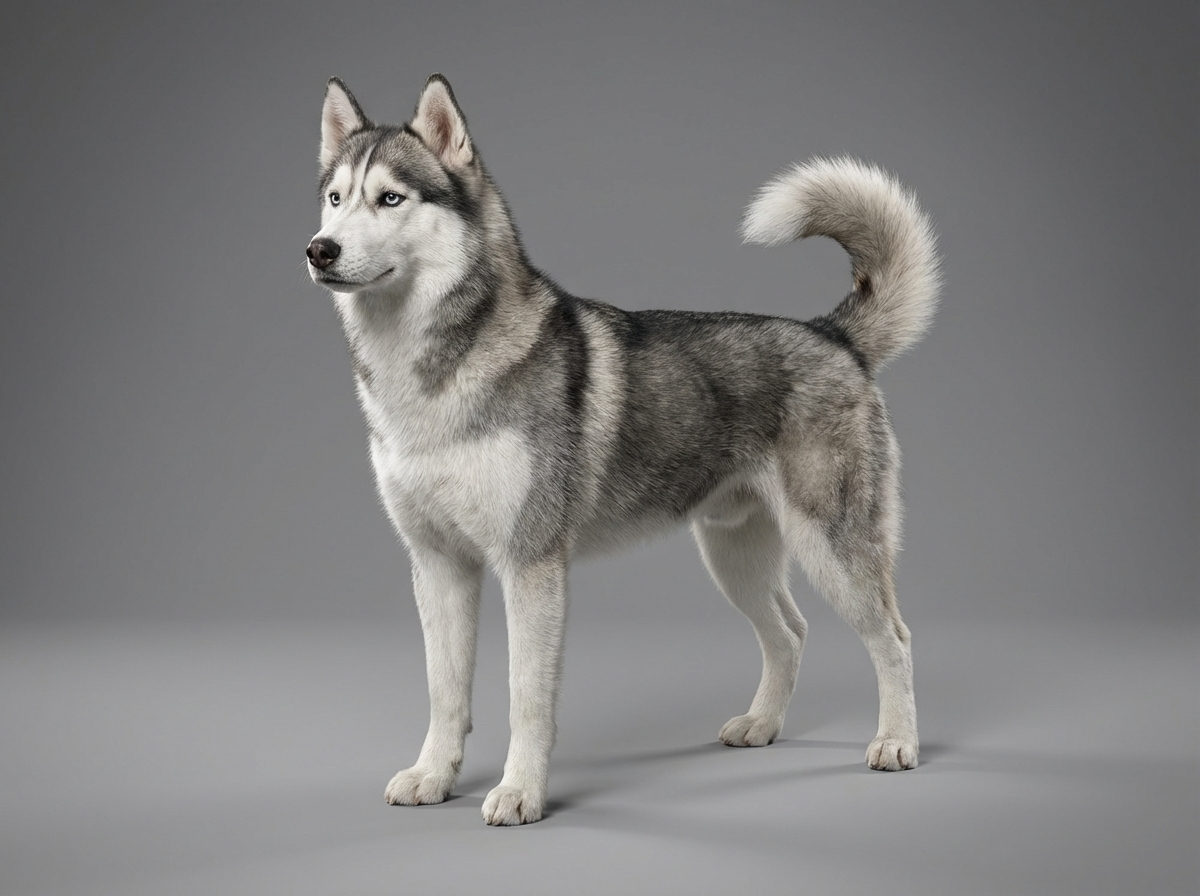
Siberian Husky hip dysplasia is a common health issue that affects their mobility and comfort.

Owners of Siberian Huskies, especially those who may not be aware of their dog's predisposition to hip dysplasia, often face challenges in recognizing and addressing this issue. Busy families or first-time dog owners may find it particularly tough to navigate the complexities of this condition.
This guide is not medical advice. If your dog shows pain, sudden behavior change, or worsening symptoms, consult a licensed veterinarian.
Some links may be affiliate links. We may earn a commission at no extra cost to you. We only suggest products we believe are helpful for dog owners.
We research and check what we publish, but we do not warrant that any figure, date, price, or statement is accurate, complete, or current, and we accept no liability for any loss, cost, injury, or other harm arising from the use of this site. Use it as one reference among several. You remain responsible for your own decisions and for your dog's care - confirm anything that matters with a licensed veterinarian or another qualified professional before you act on it. Full disclaimer.
Check this first
Recognizing when Siberian Husky hip dysplasia becomes an emergency is crucial for your pet's health. If your Husky shows severe signs of pain, such as yelping when touched or refusing to walk, it's time to call your vet immediately. Other red flags include swelling around the hip area, difficulty rising from a lying position, or if they seem unusually lethargic and unresponsive. These symptoms can indicate a serious worsening of the condition or other complications.
On the other hand, if your Husky is showing mild symptoms like occasional limping or stiffness after exercise, it’s usually manageable at home. You can monitor their activity and adjust their exercise routine to prevent further strain. Keeping an eye on their weight can also help, as excess weight puts more pressure on their joints. A vet visit should still be planned to discuss a management plan, but immediate action may not be necessary.
In summary, act quickly for severe pain or mobility issues, but take a watch-and-wait approach for milder signs. Always have a plan for regular vet check-ups, especially for breeds predisposed to hip dysplasia like the Siberian Husky.
If any of these apply, call your vet or an emergency clinic now. The rest of this page is for the cases that are not an emergency.
Siberian Husky hip dysplasia is a common condition where the hip joints don't fit properly into the hip socket. This malformation can lead to arthritis and mobility issues, making daily activities challenging for your dog. Owners may notice their Husky struggling to jump, run, or even stand up after resting.
Hip dysplasia is relatively common in Siberian Huskies, affecting approximately 15-20% of the breed. Regular vet check-ups and maintaining a healthy weight can help manage the risk.
Siberian Huskies are prone to hip dysplasia due to genetic factors. Their large size and rapid growth can lead to improper joint formation. As a result, this breed is more susceptible to developing arthritis and mobility issues as they age.
Environmental factors can also contribute to hip dysplasia in Huskies. Excessive weight gain from overfeeding or lack of exercise can worsen joint health. Additionally, high-impact activities during their growth phase can increase the risk of hip problems.
Consult your vet if you notice signs of pain, limping, or reluctance to exercise. If your dog seems uncomfortable or is unable to perform normal activities, a vet visit is crucial for a proper diagnosis and treatment plan.
When dealing with Siberian Husky hip dysplasia, certain owner behaviors can inadvertently make the situation worse. Here are some common mistakes to avoid and safer alternatives to consider.
Start here: Siberian Husky Most Common Genetic Disorders: Screening
See all Siberian Husky health problems, which breeds are prone to hip dysplasia, or the full Siberian Husky breed guide for temperament, exercise needs and ownership costs.
Improving your Siberian Husky's hip dysplasia can take several months. With consistent care, including veterinary guidance and tailored exercise, you may see improvements in 3 to 6 months.
Success means your Husky has improved mobility and decreased pain, allowing them to enjoy daily activities with reduced discomfort.
Emily, a busy nurse in Seattle, noticed that her Siberian Husky, Max, was limping after playtime. After a vet visit confirmed hip dysplasia, she felt overwhelmed. Determined to help Max, Emily researched proper exercises and a weight management plan. She gradually introduced low-impact activities like swimming and started giving Max joint supplements recommended by the vet. Within a few months, Max was more active and playful, and Emily felt relieved to see him happier.
Key takeaway: With proper care and patience, you can significantly improve your Siberian Husky's quality of life while managing hip dysplasia.
Siberian Husky hip dysplasia is often caused by genetic factors and environmental influences. Puppies can inherit this condition from their parents, particularly if there is a history of it in the lineage. Other factors, like excessive weight and rapid growth, can also contribute to its development.
Preventing Siberian Husky hip dysplasia involves responsible breeding, maintaining a healthy weight, and providing proper nutrition. Regular, moderate exercise is crucial for joint health, but avoid high-impact activities until they are fully grown. Consult your vet for tailored advice on diet and exercise.
Signs of hip dysplasia can include difficulty standing up, limping, or reluctance to play or exercise. You might notice your Husky has a wobbly gait or seems stiff after resting. If you observe these symptoms, consult a vet for an evaluation.
While training won't cure hip dysplasia, it can help manage your dog's behavior and improve their quality of life. Teaching commands to prevent jumping and rough play can reduce joint strain. Always pair training with appropriate exercise routines to promote better joint health.
Treatment for Siberian Husky hip dysplasia may involve pain management through medications, weight management strategies, and physical therapy. In severe cases, surgical options, such as hip replacement, may be necessary. Consult your vet to discuss the most suitable approach for your dog.
You can support your Siberian Husky by providing a comfortable, supportive bed and avoiding slippery surfaces. Regular, gentle exercise can help maintain muscle tone, while weight management is essential. Always follow your vet's recommendations for home care.
Yes, hip dysplasia can often be managed with non-surgical treatments. Weight management, physical therapy, and anti-inflammatory medications can help reduce pain and improve mobility. Your vet can provide a tailored plan based on your dog's specific needs.
It's wise to start monitoring for hip dysplasia signs as early as six months old. However, regular vet check-ups are essential throughout your Husky's life, especially considering their predisposition to this condition. Early detection can lead to better management.
Yes, genetics play a significant role in hip dysplasia. Huskies from breeding lines with a history of hip issues are at higher risk. Responsible breeders conduct health screenings; always ask about the parents' health history when adopting.
For older Huskies with hip dysplasia, providing a comfortable and supportive environment is crucial. Soft bedding, ramps instead of stairs, and regular but gentle exercise can help. Consult your vet for additional recommendations and possible pain management options.
Maintain a healthy weight and provide regular, low-impact exercise. Use joint supplements as advised by your vet. Regular vet check-ups will help monitor your dog's condition.
Yes, hip dysplasia is a common issue in Siberian Huskies due to their genetics. Responsible breeding can help reduce its prevalence.
While you can't always prevent hip dysplasia, you can reduce the risk by choosing a reputable breeder and managing your dog's weight.
Treatment costs can vary widely, but expect to spend anywhere from a few hundred to several thousand dollars depending on the severity and treatment options.
A one-page prep sheet for this condition: the signs, the questions to ask, what to get priced. Unlocks here.
You get: Vet visit prep sheet
No spam. One-click unsubscribe. See our privacy policy.
Preview page 1 before you decide.