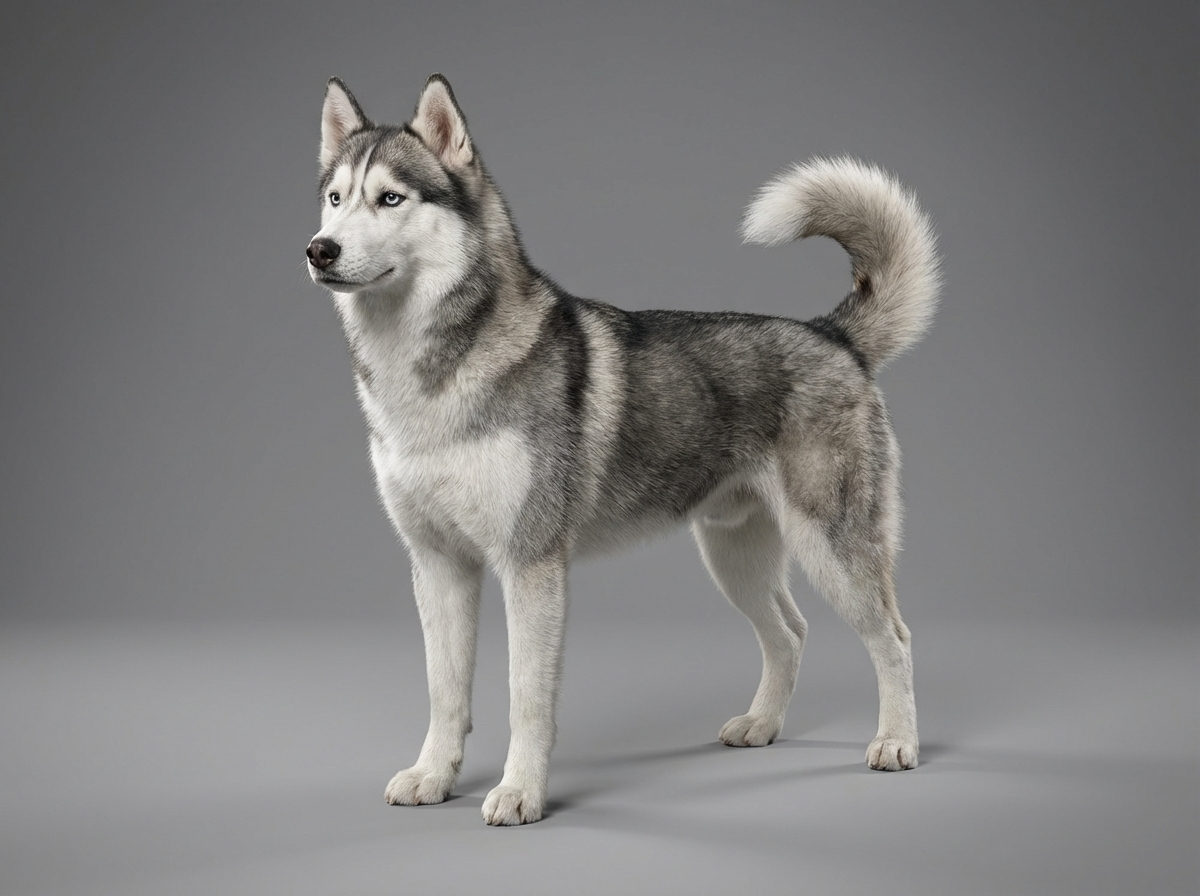
Health
What are Siberian Husky cancer quick tips?
Regular vet check-ups and staying alert for unusual symptoms can help catch cancer early. A balanced diet and maintaining a healthy weight are also important.

Quick answer
What are Siberian Husky cancer quick tips?
Regular vet check-ups and staying alert for unusual symptoms can help catch cancer early. A balanced diet and maintaining a healthy weight are also important.
Siberian Husky cancer is a serious health concern that many owners face. Understanding its signs and implications can help in early detection and management.

This issue often affects dedicated Husky owners who want the best for their furry companions. It can be especially tough for first-time dog owners who may not know the warning signs or how to navigate treatment options.
This guide is not medical advice. If your dog shows pain, sudden behavior change, or worsening symptoms, consult a licensed veterinarian.
Some links may be affiliate links. We may earn a commission at no extra cost to you. We only suggest products we believe are helpful for dog owners.
We research and check what we publish, but we do not warrant that any figure, date, price, or statement is accurate, complete, or current, and we accept no liability for any loss, cost, injury, or other harm arising from the use of this site. Use it as one reference among several. You remain responsible for your own decisions and for your dog's care - confirm anything that matters with a licensed veterinarian or another qualified professional before you act on it. Full disclaimer.
Check this first
Identifying when your Siberian Husky's cancer symptoms require immediate veterinary attention can be vital. Red-flag signs include sudden weight loss, difficulty breathing, excessive vomiting or diarrhea, and noticeable lumps that change in size or shape. If your Husky exhibits any of these symptoms, it's crucial to call your vet right away.
On the other hand, some symptoms may not be urgent but should still be monitored. These can include mild lethargy, loss of appetite, or slight changes in behavior. While these signs may not require immediate action, keeping a close eye on your Husky’s condition is important. Creating a plan to observe these changes can help you decide if a vet visit is necessary later on.
Always trust your instincts. If you feel something is off, consult your veterinarian for guidance. Early intervention can make a significant difference in treatment options and outcomes.
If any of these apply, call your vet or an emergency clinic now. The rest of this page is for the cases that are not an emergency.
Siberian Husky cancer is a serious concern for dog owners. This breed is prone to various health issues, including cancer, which can manifest in different forms such as tumors or internal malignancies. Daily signs may include unusual lethargy, weight loss, changes in appetite, or persistent coughing, all of which can be alarming for owners.
Cancer is a notable health issue in Siberian Huskies, with many experiencing it during their later years. While not every Husky will face this challenge, it's important for owners to be vigilant and proactive about their dog's health.
Siberian Huskies have a genetic predisposition to certain cancers, including lymphoma and hemangiosarcoma. As a large breed, they may also be more susceptible to specific health issues due to their size. Additionally, factors like hip dysplasia and other common health problems can compound their risk of developing cancer.
Environmental factors play a significant role in cancer development. Exposure to toxins, such as certain chemicals in household cleaners or pesticides, can increase cancer risk. Moreover, a poor diet lacking essential nutrients can weaken your Husky's immune system, making them more vulnerable to illness.
Consult your vet if you notice any significant changes in your Husky's health, such as weight loss, lethargy, or unusual growths. Regular vet check-ups are vital, especially as your Husky ages, to catch potential health issues early.
Many owners unknowingly hinder their Siberian Husky’s health when dealing with cancer. Below are common mistakes to avoid and safer alternatives to consider.
Start here: Siberian Husky Most Common Genetic Disorders: Screening
See all Siberian Husky health problems, which breeds are prone to cancer, or the full Siberian Husky breed guide for temperament, exercise needs and ownership costs.
Managing Siberian Husky cancer can take several months to years, depending on the type and stage of the cancer. Regular vet visits and treatments will likely be needed throughout this time.
Success means maintaining a good quality of life for your Husky, managing symptoms effectively, and possibly achieving remission or slowing progression through treatment.
When Sarah, a busy nurse in Seattle, found out her Siberian Husky, Luna, had cancer, she felt overwhelmed. She quickly learned that managing Luna's health would require regular vet check-ups, medication, and dietary changes. After months of treatment and monitoring, Sarah noticed a significant improvement in Luna's energy levels and overall happiness. With the help of a supportive veterinary team and a tailored care plan, they navigated the challenges together, giving Luna more quality time.
Key takeaway: It's crucial to stay informed and proactive about your Siberian Husky's health. A strong support system and open communication with your vet can make a big difference.
Siberian Huskies can develop cancer due to genetic predispositions, environmental factors, or age. Regular vet check-ups can help catch issues early. If you notice unusual behavior or symptoms, consult your vet immediately. This answer relates to Siberian Husky cancer.
If your Siberian Husky is diagnosed with cancer, working closely with your veterinarian is crucial. They can recommend treatment options, diet changes, and pain management strategies to improve your dog's quality of life.
While no diet guarantees cancer prevention, feeding your Siberian Husky a balanced, nutritious diet can support their overall health. Foods rich in antioxidants and omega-3 fatty acids may help bolster their immune system.
Treatment options for cancer in Siberian Huskies can include surgery, chemotherapy, or radiation therapy, depending on the type and stage of cancer. Always consult with your vet to determine the best course of action for your dog.
Supporting your Siberian Husky emotionally involves providing a calm environment, spending quality time together, and being patient with their needs. Engage in gentle play and offer comfort to help them feel secure.
Early signs of cancer in a Siberian Husky can include unusual weight loss, changes in appetite, and abnormal lumps or swellings. Look for persistent coughing, difficulty breathing, or changes in behavior. If you notice any of these symptoms, it's crucial to consult a vet promptly.
Survival rates for Siberian Huskies with cancer depend on the type and stage of the disease, as well as the treatment options available. Some dogs respond well to surgery, chemotherapy, or radiation, while others may have a more challenging journey. Regular vet check-ups and early intervention can make a significant difference.
Supporting your Siberian Husky during cancer treatment involves providing a calm and loving environment, maintaining proper nutrition, and following your vet's advice closely. Consider adjusting their exercise regimen based on their energy levels. Keeping them comfortable and stress-free can greatly aid their recovery.
Siberian Huskies are prone to several types of cancer, including lymphoma, osteosarcoma, and mast cell tumors. Regular vet visits and awareness of any unusual behavior or symptoms can help with early detection. Being proactive about your dog's health is key.
Palliative care should be considered when your Siberian Husky's cancer is advanced and curative treatments are no longer effective. If your dog is experiencing pain or a decline in quality of life, discussing palliative options with your vet can help ensure they remain comfortable and cared for.
Regular vet check-ups and staying alert for unusual symptoms can help catch cancer early. A balanced diet and maintaining a healthy weight are also important.
Cancer treatment for a Siberian Husky can range from a few hundred to several thousand dollars, depending on the type of treatment needed. Always discuss costs with your vet beforehand.
Training is still possible, but it should be gentle and tailored to your dog's energy levels and comfort. Keep training sessions short and positive.
A one-page prep sheet for this condition: the signs, the questions to ask, what to get priced. Unlocks here.
You get: Vet visit prep sheet
No spam. One-click unsubscribe. See our privacy policy.
Preview page 1 before you decide.