DogBreedCompass
← Back to breed profile

Siberian Husky Brachycephalic Obstructive Airway Syndrome (BOAS)

Siberian Husky brachycephalic obstructive airway syndrome (BOAS) can lead to serious breathing issues, snoring, and heat sensitivity.

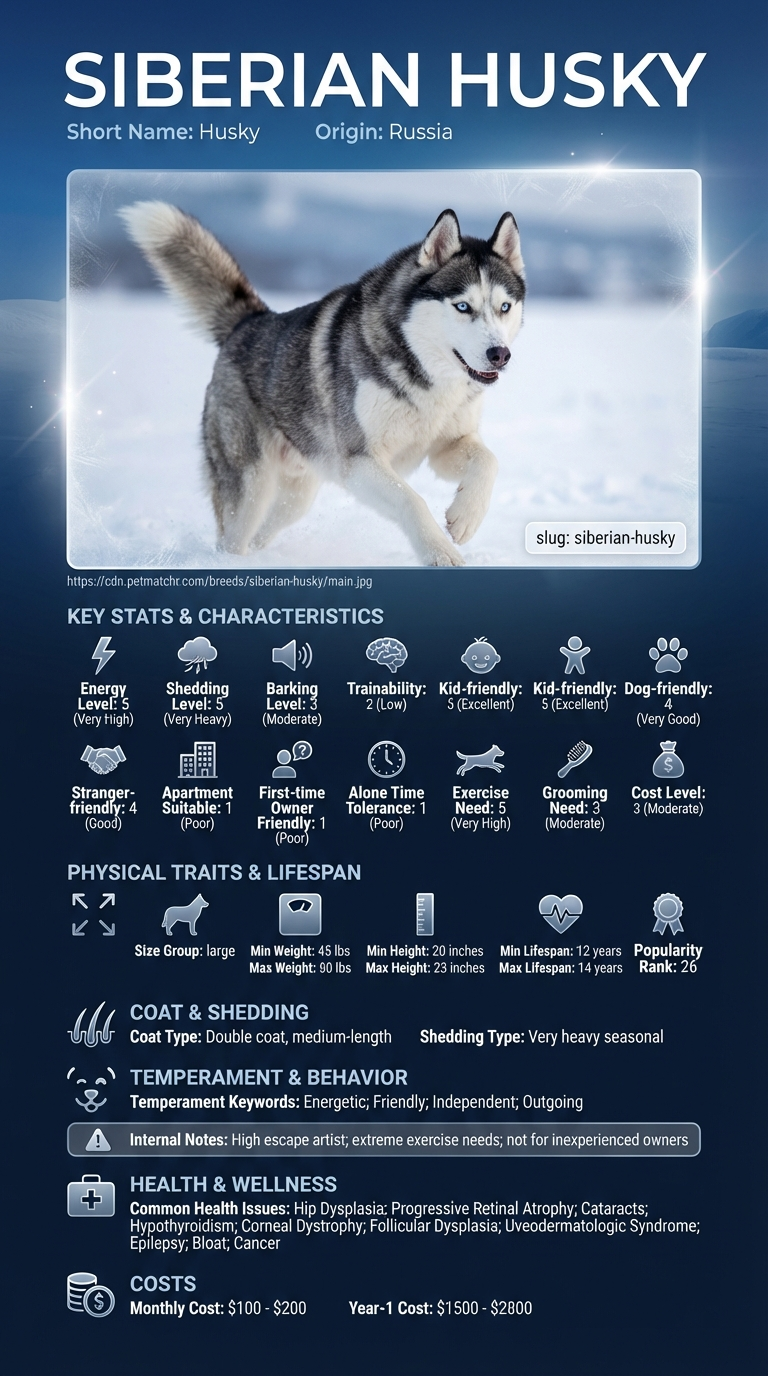
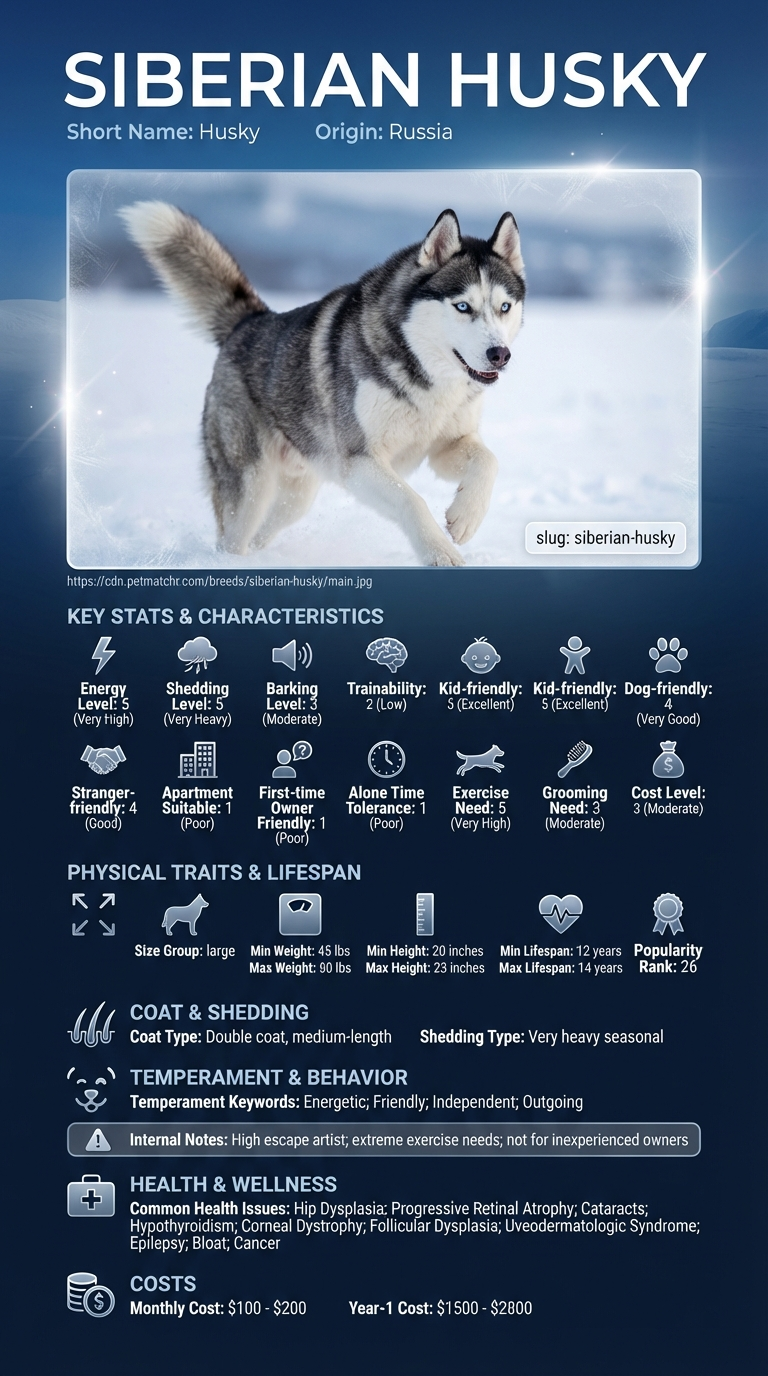
Siberian Husky Brachycephalic Obstructive Airway Syndrome (BOAS) infographic

Owners of Siberian Huskies might struggle with BOAS, especially if their dog shows signs of breathing difficulties or sensitivity to heat. First-time dog owners may find it challenging to recognize these symptoms and manage the condition effectively.

Important reminder

This guide is not medical advice. If your dog shows pain, sudden behavior change, or worsening symptoms, consult a licensed veterinarian.

Some links may be affiliate links. We may earn a commission at no extra cost to you. We only suggest products we believe are helpful for dog owners.

What this problem looks like

Siberian Husky brachycephalic obstructive airway syndrome (BOAS) can cause your dog to experience significant breathing difficulties. This often manifests as loud snoring, wheezing, or labored breathing, especially during exercise or hot weather. Owners may notice their Husky struggling to breathe after light activity or showing signs of distress in warmer conditions.

Common triggers

  • Heat and humidity can exacerbate breathing issues.
  • Excessive exercise without breaks may lead to respiratory distress.
  • Anxiety or excitement can trigger bouts of heavy panting.

While Siberian Huskies are not classified as a brachycephalic breed, some individuals may still exhibit symptoms of BOAS, especially if they have underlying anatomical issues. Awareness and early intervention are crucial since these problems can become more pronounced with age.

Why this happens

Breed factors

Siberian Huskies are not typically brachycephalic, but some may have anatomical traits that lead to obstructed airways. If they have a shorter snout or facial abnormalities, they may struggle more with breathing. This can be inherited from their lineage or due to selective breeding.

Environment factors

Environmental factors can exacerbate breathing issues. For example, high temperatures can lead to overheating, making it harder for them to breathe. Additionally, obesity can increase the severity of airway problems, as excess weight puts more pressure on the respiratory system.

What you can try

At-home strategies

  • Monitor your Husky's weight. Keep them at a healthy weight through proper diet and regular exercise to reduce strain on their airways.
  • Keep your home cool, especially during hot weather. Use fans or air conditioning to help your dog breathe more comfortably.
  • Provide frequent, shorter exercise sessions rather than long, strenuous ones. This helps prevent overheating and respiratory distress.
  • Consider training your Husky in calm and low-stress environments. This can help reduce anxiety and related breathing issues.

When to consider a trainer

If your Husky shows persistent signs of anxiety or hyperactivity that seem to worsen their breathing issues, consider hiring a professional trainer. They can help implement behavior modification techniques to create a calmer environment.

When to talk to your vet

If you notice severe breathing difficulties, excessive snoring, or signs of distress, consult a vet immediately. They can assess your dog's condition and recommend potential surgery or medical treatments if needed.

Realistic expectations

With consistent training and management, you should see improvements in your Siberian Husky's breathing within a few weeks to a few months.

Success means your Husky can breathe more easily during exercise and at rest, showing fewer signs of distress or discomfort.

Mistakes that make this worse

Understanding what not to do can help improve your Siberian Husky's situation with brachycephalic obstructive airway syndrome (BOAS). Here are some common mistakes that can exacerbate the problem, along with safer alternatives.

  • Ignoring heat sensitivity: Many owners underestimate how quickly Huskies can overheat. Instead of taking them for long walks in the heat, opt for early morning or late evening outings when it's cooler.
  • Allowing excessive exercise: High-energy activities can lead to breathing difficulties. Instead of long runs, focus on shorter, controlled play sessions that keep their exertion in check.
  • Not seeking veterinary advice: Some owners wait too long to consult a vet about breathing issues. Instead, schedule regular check-ups to monitor their condition and discuss any concerns promptly.
  • Using harsh training methods: Negative reinforcement can increase stress and worsen breathing issues. Instead, practice positive reinforcement techniques to encourage calm behavior and reduce anxiety.
  • Neglecting weight management: Overweight Huskies are more prone to breathing problems. Instead of free-feeding, measure their food and monitor their weight to maintain a healthy body condition.
  • Avoiding indoor activities: Some owners think their Husky needs only outdoor exercise. Instead, incorporate indoor games and training to keep them mentally stimulated without straining their breathing.
  • Failing to recognize signs of distress: Owners may overlook signs of labored breathing or fatigue. Instead, pay attention to their cues and provide rest when they show signs of discomfort.

When Siberian Husky Brachycephalic Obstructive Airway Syndrome (BOAS) is an Emergency

Understanding when to call your vet about Siberian Husky brachycephalic obstructive airway syndrome (BOAS) can be lifesaving. Red flags indicate that immediate action is necessary, while milder cases may allow for monitoring at home. Here’s how to differentiate between the two.

Siberian Husky Brachycephalic Obstructive Airway Syndrome (BOAS) - When Siberian Husky Brachycephalic Obstructive Airway Syndrome (BOAS) is an Emergency

Red Flags: Call Your Vet Now

If your Husky shows any of these signs, it's crucial to seek veterinary help right away: - Extreme difficulty breathing or gasping for air. - Blue-tinged gums or tongue, indicating a lack of oxygen. - Unresponsive or lethargic behavior. - Excessive coughing or gagging that doesn’t stop. - Signs of heatstroke, such as panting excessively in cool environments.

Siberian Husky Brachycephalic Obstructive Airway Syndrome (BOAS) - Red Flags: Call Your Vet Now
  • Extreme difficulty breathing or gasping for air.
  • Blue-tinged gums or tongue.
  • Unresponsive or lethargic behavior.
  • Excessive coughing or gagging.
  • Signs of heatstroke.

Mild Cases: When to Watch and Wait

If your Husky exhibits these milder symptoms, you can monitor them at home: - Occasional snoring or snorting during sleep. - Slight coughing after exercise. - Minor labored breathing during hot weather, but can recover with rest. - Mild panting after playtime that normalizes quickly. Establish a plan with your vet for regular check-ups to track their condition.

Siberian Husky Brachycephalic Obstructive Airway Syndrome (BOAS) - Mild Cases: When to Watch and Wait
  • Occasional snoring or snorting during sleep.
  • Slight coughing after exercise.
  • Minor labored breathing during hot weather.
  • Mild panting that normalizes quickly.

Maria's Journey with Her Husky, Max

Maria, a busy nurse in Phoenix, adopted Max, her Siberian Husky, and quickly noticed he struggled to breathe, especially during walks. After researching Siberian Husky brachycephalic obstructive airway syndrome (BOAS), she learned about managing his condition through training and lifestyle adjustments. Maria started incorporating shorter, more frequent walks and practiced calming techniques at home, which made a big difference in Max's comfort level. Over time, she noticed he was less anxious and enjoyed his walks much more.

Key takeaway: Understanding and adapting to your dog's needs can significantly improve their quality of life, especially when dealing with conditions like BOAS.
Frequently asked questions

Why does my Siberian Husky have brachycephalic obstructive airway syndrome (boas)?

Brachycephalic obstructive airway syndrome (boas) occurs due to the structure of a dog's airways. Siberian Huskies generally have longer snouts compared to typical brachycephalic breeds, but some may still show symptoms due to genetic factors or other health issues. Regular vet check-ups are essential for early detection.

How can I tell if my Siberian Husky has boas?

Common signs of boas include loud snoring, difficulty breathing, and excessive panting. If your Husky is lethargic during play or struggles with heat, a vet visit is crucial to evaluate their condition. Monitoring these symptoms helps manage their health.

What are effective ways to stop Siberian Husky brachycephalic obstructive airway syndrome (boas)?

Managing boas involves maintaining a healthy weight, ensuring regular exercise, and avoiding strenuous activities in hot weather. Your vet may recommend specific training strategies to help your Husky breathe better during activities. Surgical options are also available but should be discussed thoroughly with your veterinarian.

Can training help with my Siberian Husky's boas symptoms?

Training can help your Siberian Husky adapt their behavior to avoid situations that worsen their breathing difficulties. Teaching commands like 'slow down' can be beneficial. However, consult a vet for tailored advice on managing their specific symptoms.

Are certain environments better for Huskies with boas?

Yes, a cooler environment is ideal for Huskies with boas. Avoid hot or humid areas, as they are more susceptible to heat stress. Keeping your home well-ventilated and providing regular access to cool, shaded areas can help manage their condition.

What are the signs that my Siberian Husky might have brachycephalic obstructive airway syndrome (BOAS)?

Common signs of BOAS in Siberian Huskies include noisy breathing, snoring, and difficulty exercising. You may also notice your dog struggling to breathe during hot weather or after physical activity. If you observe these symptoms, it's important to consult your vet for a thorough evaluation.

Can older Siberian Huskies develop brachycephalic obstructive airway syndrome (BOAS)?

Yes, older Siberian Huskies can develop BOAS, even if they didn't show symptoms when they were younger. As dogs age, their airways can become more restricted due to various health issues. Regular vet check-ups can help catch any potential problems early.

How can I help my Siberian Husky if they have brachycephalic obstructive airway syndrome (BOAS)?

To help your Siberian Husky, ensure they maintain a healthy weight and avoid strenuous exercise, especially in hot weather. Consider using a harness instead of a collar to reduce pressure on their neck. Always consult your vet for tailored advice and management strategies.

Is brachycephalic obstructive airway syndrome (BOAS) hereditary in Siberian Huskies?

BOAS can have a genetic component, meaning some Siberian Huskies may be more prone to developing it. Responsible breeding practices can help reduce the incidence of this condition. If you're considering a Husky, inquire about the breeder’s health testing protocols.

When should I take my Siberian Husky to the vet for brachycephalic obstructive airway syndrome (BOAS)?

If your Siberian Husky exhibits persistent signs of breathing difficulties, such as excessive snoring or gasping for air, it’s crucial to see a vet promptly. Early intervention can prevent more serious complications and improve your dog's quality of life.

Quick answers

View more answers
Training

What are some quick tips for Siberian Husky brachycephalic obstructive airway syndrome (boas)?

Keep your Husky at a healthy weight to reduce strain on their airways. Avoid excessive heat and provide a comfortable living space with good ventilation.

Health

How often should I take my Siberian Husky to the vet for boas?

Regular vet check-ups every 6-12 months are recommended to monitor your Husky's airway health and overall well-being.

Health

What should I do if my Siberian Husky shows signs of difficulty breathing?

If your Husky has trouble breathing, take them to a vet immediately. Quick action can prevent serious complications.

Training

Can I train my Siberian Husky to manage their breathing issues?

Yes, you can train them to take breaks during exercise and respond to commands that help them slow down when needed.

Living

What lifestyle changes can help my Husky with boas?

Incorporate regular, controlled exercise and ensure they are not exposed to extreme temperatures. A balanced diet will also support their overall health.

Related DogBreedCompass guides

  • Siberian Husky separation anxiety guideLearn more about how to address separation anxiety in Siberian Huskies, which can be a common issue.
  • Siberian Husky behavior problemsExplore common behavior problems specific to Siberian Huskies and how to manage them effectively.
  • Siberian Husky cost breakdownUnderstand the costs associated with owning a Siberian Husky, including their health needs.
  • Siberian Husky brachycephalic obstructive airway syndrome (boas) trainingGet insights on training methods that can help manage brachycephalic obstructive airway syndrome (BOAS) in Huskies.
  • Siberian Husky breed guideFind a comprehensive overview of Siberian Huskies to better understand their unique traits and needs.

Related guides