Behavior
What are Siberian Husky brachycephalic features quick tips?
Focus on keeping your Husky cool, monitor their breathing, and limit exercise during heat. Regular vet check-ups can help manage potential issues.

Quick answer
What are Siberian Husky brachycephalic features quick tips?
Focus on keeping your Husky cool, monitor their breathing, and limit exercise during heat. Regular vet check-ups can help manage potential issues.
Siberian Husky brachycephalic features can lead to breathing difficulties that affect your dog's quality of life.
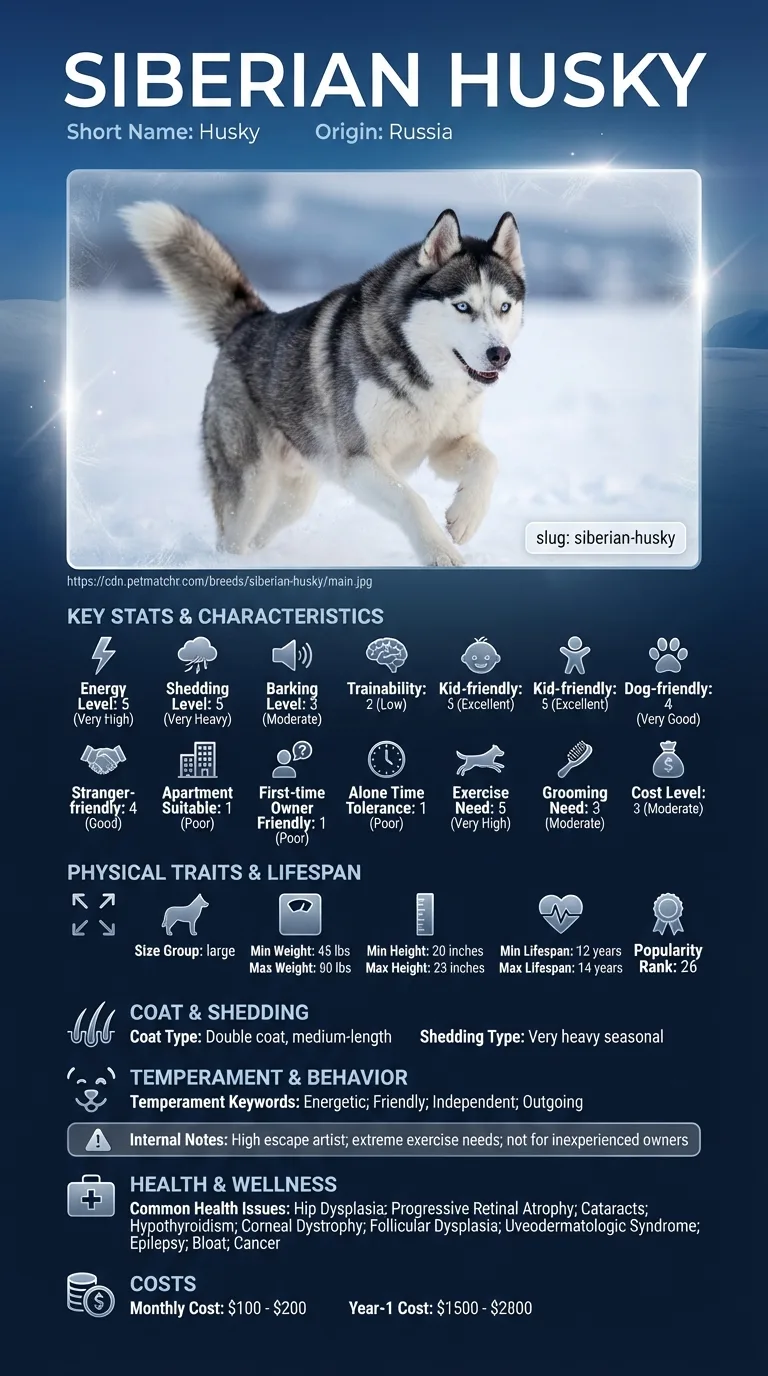
First-time Husky owners, busy families, or those living in warmer climates might struggle the most with these features. They may notice their dog having trouble breathing, especially during exercise or hot weather.
This guide is not medical advice. If your dog shows pain, sudden behavior change, or worsening symptoms, consult a licensed veterinarian.
Some links may be affiliate links. We may earn a commission at no extra cost to you. We only suggest products we believe are helpful for dog owners.
We research and check what we publish, but we do not warrant that any figure, date, price, or statement is accurate, complete, or current, and we accept no liability for any loss, cost, injury, or other harm arising from the use of this site. Use it as one reference among several. You remain responsible for your own decisions and for your dog's care - confirm anything that matters with a licensed veterinarian or another qualified professional before you act on it. Full disclaimer.
Check this first
Understanding when your Siberian Husky's brachycephalic features become an emergency is crucial. There are clear signs that indicate you should call your vet immediately. If your Husky is struggling to breathe, has a blue-tinged tongue, or shows signs of extreme lethargy, these are red flags. Other concerning symptoms include persistent coughing, gagging, or wheezing. These situations require urgent attention.
On the other hand, there are mild cases where you can watch and wait. If your Husky occasionally coughs but seems otherwise healthy, it may not be an emergency. Monitor their behavior and breathing, and ensure they are comfortable. If they have a minor cough linked to seasonal allergies or a temporary irritant, you can likely manage this at home. Keep an eye on their activity level and appetite, as these can indicate their overall health.
When in doubt, it's always better to err on the side of caution. If you notice any changes in your Husky's breathing or energy, reach out to your vet for advice. Staying informed and prepared can help you make the best decisions for your furry friend.
If any of these apply, call your vet or an emergency clinic now. The rest of this page is for the cases that are not an emergency.
Siberian Husky brachycephalic features can lead to noticeable breathing difficulties. These issues may manifest as snoring, labored breathing, or excessive panting, especially during exercise or in hot weather. Owners may also notice their Husky struggling to cool down after playtime, which can be concerning.
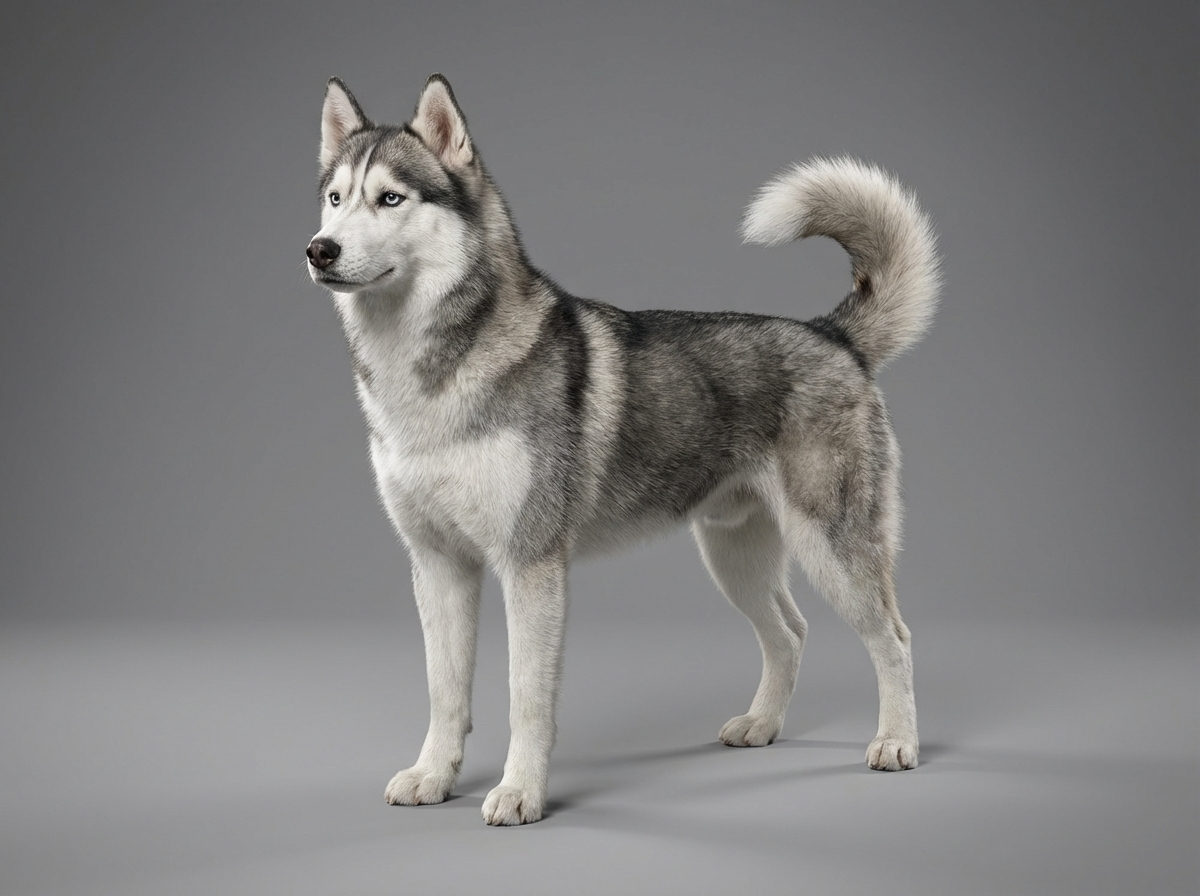
While Siberian Huskies are not typically classified as brachycephalic breeds, some individuals may exhibit these features due to genetic factors. This can vary, but it's not uncommon for owners to encounter mild breathing issues in their Huskies, particularly in certain situations.
Siberian Huskies are not typically classified as brachycephalic breeds. However, some may exhibit brachycephalic-like features due to genetic variations or mixed breeding. These features can lead to breathing difficulties and may be more pronounced in certain individuals.
Environmental factors can also contribute to these features. For instance, excessive heat or humidity can exacerbate breathing issues. Poor air quality or stress can further impact their respiratory health.
If you notice severe breathing difficulties, coughing, or any signs of distress, contact your vet immediately. They can assess your dog's health and recommend appropriate treatments.
Avoiding common pitfalls can help manage your Siberian Husky's brachycephalic features more effectively. Here are some mistakes to watch out for.
Start here: Siberian Husky Most Common Genetic Disorders: Screening
See all Siberian Husky health problems, which breeds are prone to brachycephalic features, or the full Siberian Husky breed guide for temperament, exercise needs and ownership costs.
With consistent care and management, you may see improvements in your Siberian Husky's breathing within 3 to 6 months. However, ongoing care and monitoring are essential.
Success means your Husky can breathe comfortably during exercise and at rest. You should notice fewer instances of panting or coughing and an overall improvement in their quality of life.
Meet Sarah, a dedicated dog owner from Denver. She adopted her Siberian Husky, Max, who struggled with breathing during walks. Sarah learned that these brachycephalic features could lead to serious health issues. After consulting a vet, she implemented a training routine focused on gradual exercise and calming methods. Over several months, Max showed remarkable improvement, enjoying longer walks without distress.
Key takeaway: Addressing Siberian Husky brachycephalic features requires patience and proper training. With the right approach, you can enhance your dog's breathing and overall happiness.
Siberian Huskies are generally not classified as brachycephalic, but some individuals may display these features due to genetics or breeding practices. Brachycephalic traits can lead to breathing difficulties, which may require attention from a vet. It's important to monitor your Husky's breathing and overall health.
While you can't change your Husky's genetic traits, you can help manage their breathing difficulties. Regular vet check-ups and maintaining a healthy weight are key. Training exercises that focus on calm breathing can also be beneficial.
Common signs include excessive panting, wheezing, or difficulty exercising. If your Husky seems to struggle for breath or tires easily, consult your veterinarian. Early intervention can prevent more serious issues.
Training can help improve your Husky's behavior and comfort level, especially during physical activities. Focus on short, gentle exercises to prevent overexertion. Positive reinforcement techniques can also reduce anxiety related to breathing issues.
If your Siberian Husky shows severe signs of breathing distress, such as gasping for air, take them to a vet immediately. Keep them calm and cool while you transport them. Quick action can save their life.
Absolutely! Keep your Husky in a cool environment and limit strenuous activities, especially in hot weather. Regular vet visits are crucial to monitor their respiratory health and ensure they remain comfortable.
Signs of brachycephalic features in Siberian Huskies may include snoring, labored breathing, and difficulty exercising. You might also notice excessive panting or your dog struggling to cool down on hot days. If these symptoms occur, it's important to consult your vet.
Yes, older Siberian Huskies can develop brachycephalic features or experience worsening of existing conditions. Age-related changes, such as weight gain, can exacerbate breathing difficulties. Regular vet check-ups are crucial for older dogs to monitor their health.
To help your Siberian Husky with brachycephalic features, ensure they maintain a healthy weight and avoid strenuous activities in hot weather. Training techniques that promote calm behavior can also reduce stress and anxiety, which may help with breathing issues. Always consult your vet for specific recommendations.
If your Siberian Husky shows signs of breathing distress, such as rapid breathing or excessive panting, you should contact your vet immediately. Timely intervention can prevent more serious health issues. Keeping your dog calm and cool while you seek help is essential.
Focus on keeping your Husky cool, monitor their breathing, and limit exercise during heat. Regular vet check-ups can help manage potential issues.
Regularly check their weight and ensure they don't overexert themselves. Training sessions should be calm and short to avoid stress.
Avoid exercising your Husky in hot or humid weather and refrain from overworking them. These can exacerbate breathing problems.
A one-page prep sheet for this condition: the signs, the questions to ask, what to get priced. Unlocks here.
You get: Vet visit prep sheet
No spam. One-click unsubscribe. See our privacy policy.
Preview page 1 before you decide.