Behavior
What are quick tips for Siberian Husky back/spine issues?
Keep your Husky at a healthy weight and provide regular, low-impact exercise to support their spine. Avoid high-jump activities and consult your vet for tailored advice.

Quick answer
What are quick tips for Siberian Husky back/spine issues?
Keep your Husky at a healthy weight and provide regular, low-impact exercise to support their spine. Avoid high-jump activities and consult your vet for tailored advice.
Siberian Husky back/spine issues can be a serious concern for pet owners. These problems often stem from intervertebral disc disease, impacting your dog's mobility and comfort.
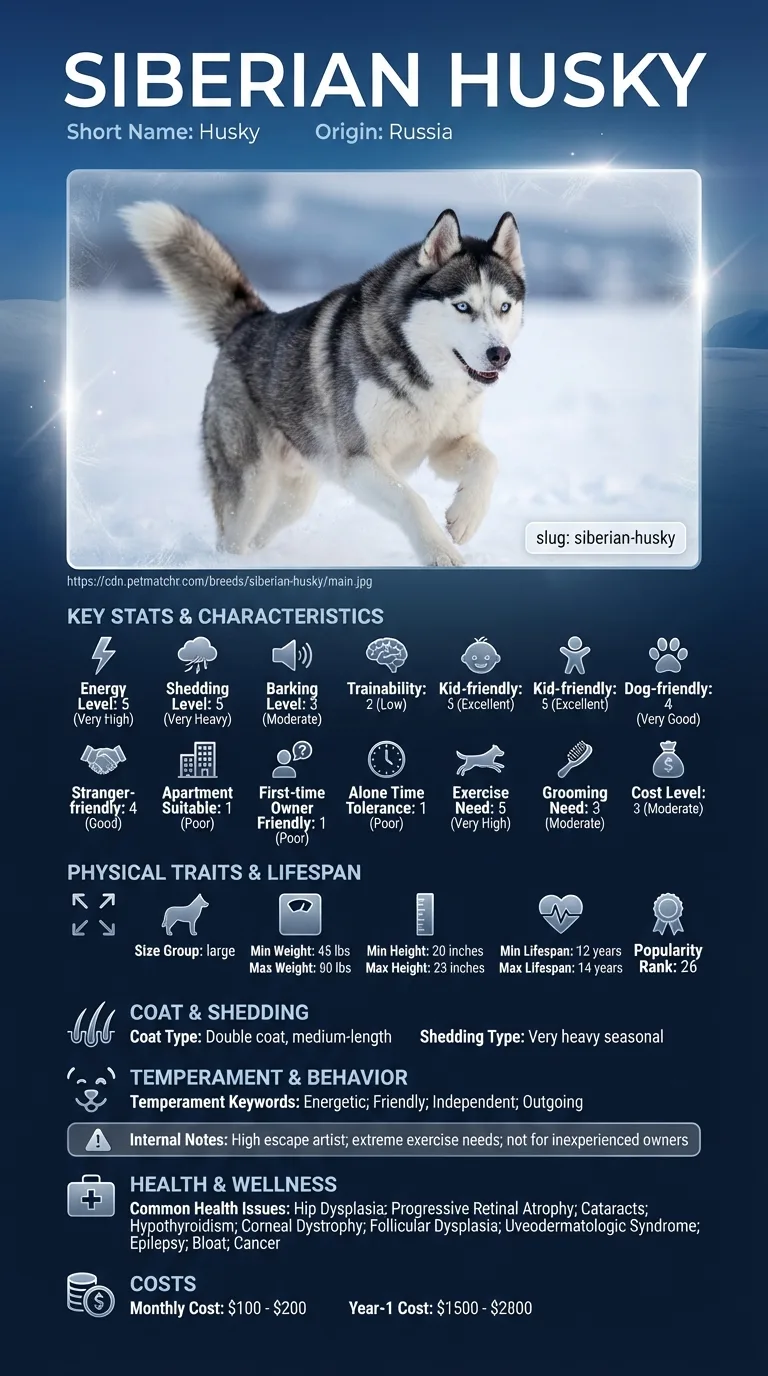
Typically, owners of Siberian Huskies, especially those with active lifestyles, may face these challenges. First-time dog owners and those unaware of the breed's specific health needs may struggle the most.
This guide is not medical advice. If your dog shows pain, sudden behavior change, or worsening symptoms, consult a licensed veterinarian.
Some links may be affiliate links. We may earn a commission at no extra cost to you. We only suggest products we believe are helpful for dog owners.
We research and check what we publish, but we do not warrant that any figure, date, price, or statement is accurate, complete, or current, and we accept no liability for any loss, cost, injury, or other harm arising from the use of this site. Use it as one reference among several. You remain responsible for your own decisions and for your dog's care - confirm anything that matters with a licensed veterinarian or another qualified professional before you act on it. Full disclaimer.
Check this first
It's crucial to recognize when Siberian Husky back/spine issues require immediate veterinary attention. If your Husky shows signs of severe pain, such as yelping, reluctance to move, or an inability to stand, call your vet right away. Other red flags include sudden weakness in the hind legs, loss of bladder or bowel control, or noticeable swelling along the spine. These symptoms could indicate a serious condition like intervertebral disc disease or spinal injury that needs urgent treatment.
On the other hand, if your Husky is experiencing mild discomfort or stiffness but still moves around and plays, you might have time to observe. Keep an eye on their behavior and consider scheduling a vet visit if symptoms persist for more than a couple of days. Regular monitoring can help you decide whether to seek immediate help or manage the situation with rest and gentle exercise.
Remember, it's better to err on the side of caution. If you're ever unsure, don't hesitate to contact your vet for advice.
If any of these apply, call your vet or an emergency clinic now. The rest of this page is for the cases that are not an emergency.
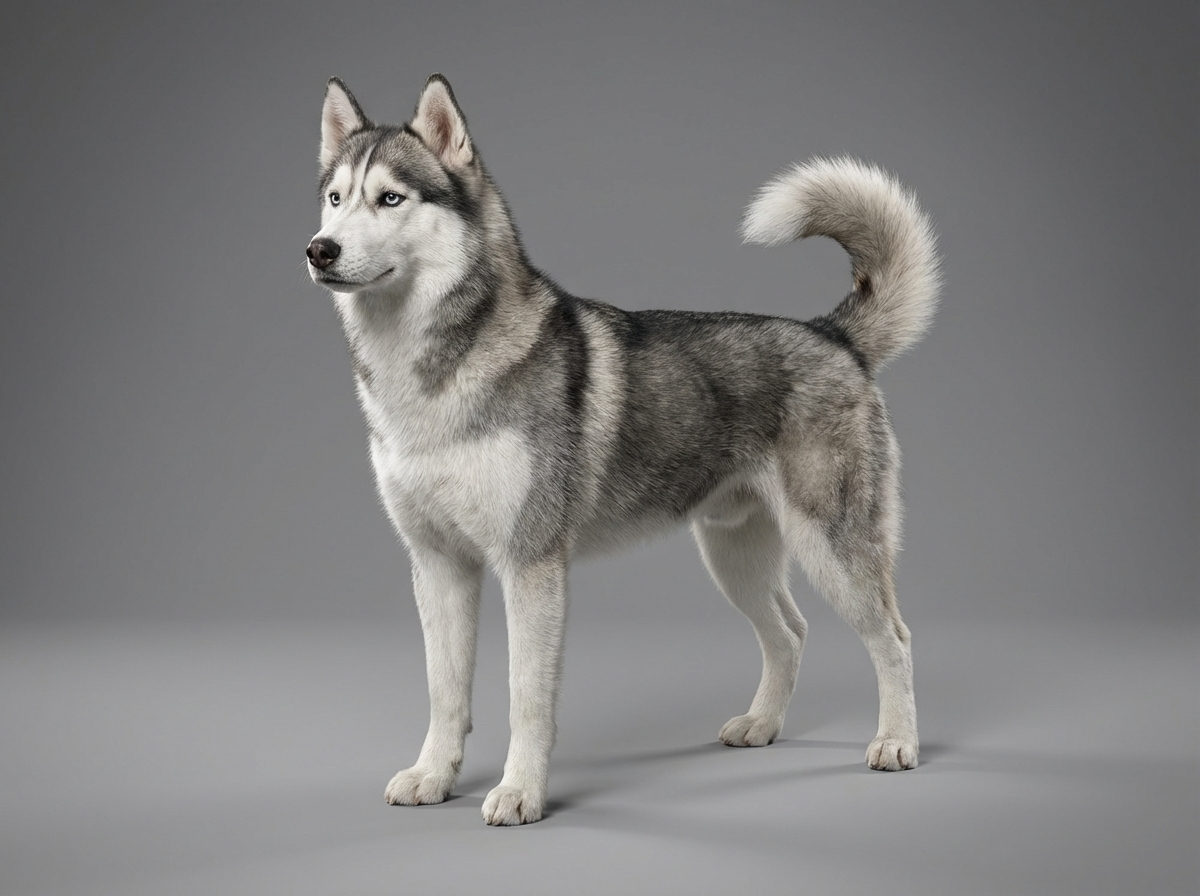
Siberian Husky back/spine issues can manifest as difficulty moving, reluctance to jump, or signs of pain when touched along the back. These problems often arise due to intervertebral disc disease, which is fairly common in larger breeds like the Husky. Owners might notice their dog struggling to get up or showing signs of discomfort during play.
Back and spine issues are not uncommon in Siberian Huskies, especially as they age. Many experts note that these problems can appear in around 10-15% of the breed, particularly in dogs that engage in high levels of physical activity without proper care.
Siberian Huskies are large and active dogs, which can lead to back and spine issues due to their high energy levels. Their genetics may predispose them to conditions like hip dysplasia, which can cause spinal problems over time. Additionally, their independent nature means they may not always show signs of pain until issues become severe.
Environmental factors such as lack of proper exercise can contribute to back and spine issues. Huskies thrive in an active environment, and insufficient physical activity can lead to weight gain, putting extra strain on their spine. Poor training methods or rough play can also result in injuries or exacerbate existing conditions.
If you notice persistent signs of pain, such as difficulty moving, whining, or changes in appetite, it's crucial to talk to your vet. They can assess your dog's condition and recommend appropriate treatment or therapy options.
Avoiding common mistakes can help manage your Siberian Husky's back and spine issues effectively.
Start here: Siberian Husky Most Common Genetic Disorders: Screening
See all Siberian Husky health problems, which breeds are prone to backspine issues, or the full Siberian Husky breed guide for temperament, exercise needs and ownership costs.
Addressing Siberian Husky back/spine issues typically takes 3 to 6 months of consistent care and follow-up with your vet.
Success is seen when your Husky shows improved mobility, reduced pain, and a happier demeanor.
Sarah, a busy nurse in Chicago, noticed her Siberian Husky, Max, struggling to jump onto the couch. Concerned, she took him to the vet, who confirmed he had back issues. Sarah learned that Max needed a mix of controlled exercise, a proper diet, and specific training techniques. She started a gentle exercise routine, avoided stairs, and incorporated low-impact activities. Over a few months, Max regained strength and seemed much happier, wagging his tail more than ever.
Key takeaway: With proper care and consistent training, many Siberian Huskies can overcome back/spine issues and enjoy a better quality of life.
Siberian Huskies can suffer from back and spine issues due to genetic predispositions, such as intervertebral disc disease. Additionally, factors like obesity, lack of exercise, or improper training techniques can exacerbate these problems. Regular vet check-ups can help identify and manage these issues early. This answer relates to Siberian Husky back/spine issues.
To prevent back/spine issues in your Siberian Husky, ensure they maintain a healthy weight and get regular exercise. Avoid high-impact activities that can strain their spine, and incorporate low-impact exercises like swimming. Consult with a vet for tailored training and exercise plans.
Signs of back or spine issues in Siberian Huskies include difficulty jumping, reluctance to move, pain when touched, or changes in their walking pattern. If you notice these signs, it's essential to consult a veterinarian quickly for an accurate diagnosis and treatment options.
Yes, Siberian Huskies can be prone to intervertebral disc disease and other spinal issues, particularly as they age or if they have a genetic predisposition. Regular check-ups and a good diet can help mitigate these risks.
Use positive reinforcement training techniques that avoid excessive jumping or rough play. Focus on low-impact commands and exercises that promote stability and strength without putting undue stress on their back.
Common symptoms include difficulty walking, reluctance to jump or play, and signs of pain when touched along the spine. You might also notice a change in their posture or a wobbly gait.
Yes, certain spine problems can be hereditary. If a parent has back issues, there's a higher chance that their puppies may also experience similar problems later in life.
If you notice any unusual behavior, such as limping, whining in pain, or difficulty sitting or standing, it's important to consult your vet. Early diagnosis can lead to better treatment outcomes.
For older Huskies, gentle exercise and maintaining a healthy weight are crucial. You might also consider supportive bedding and regular vet check-ups to monitor their condition.
While training won't completely prevent back/spine issues, focusing on low-impact activities and avoiding high jumps can help. Positive reinforcement training can also encourage safe behaviors.
Keep your Husky at a healthy weight and provide regular, low-impact exercise to support their spine. Avoid high-jump activities and consult your vet for tailored advice.
Treatment costs for Siberian Husky back/spine issues can vary widely, ranging from $500 to $2,000 depending on the severity and type of treatment needed.
Yes, untreated back/spine issues can lead to chronic pain and mobility problems, which may affect your Husky's quality of life and longevity. Early intervention is crucial.
Symptoms include reluctance to move, yelping when touched, or changes in walking. Monitoring these signs can help in early diagnosis.
A one-page prep sheet for this condition: the signs, the questions to ask, what to get priced. Unlocks here.
You get: Vet visit prep sheet
No spam. One-click unsubscribe. See our privacy policy.
Preview page 1 before you decide.