DogBreedCompass
← Back to breed profile

Understanding Siberian Husky Allergies

Siberian Husky allergies can be a frustrating challenge for dog owners. These allergies may lead to skin irritations, ear infections, and other health issues.

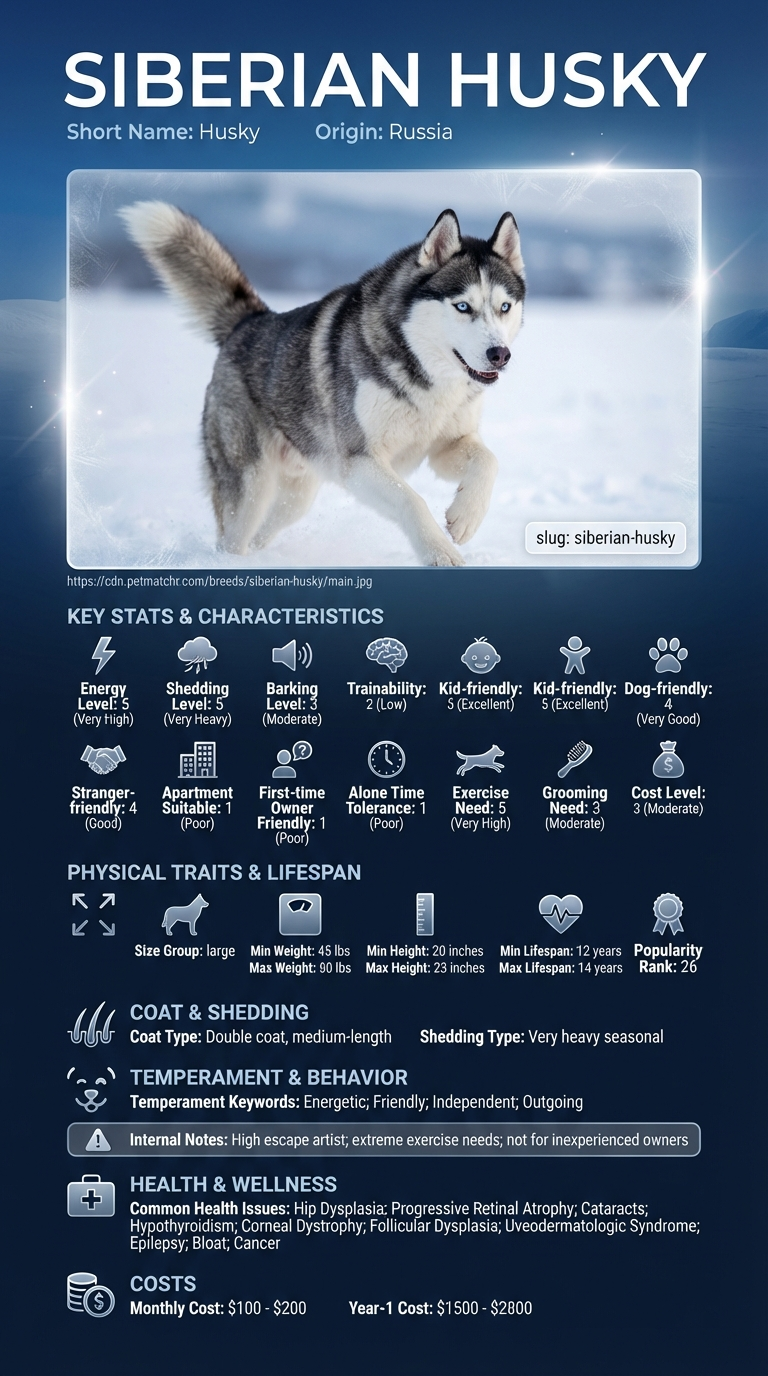
Understanding Siberian Husky Allergies infographic

Owners of Siberian Huskies, especially those new to the breed, often find themselves facing allergy-related challenges. Busy families or individuals may struggle to manage consistent care and monitoring.

Important reminder

This guide is not medical advice. If your dog shows pain, sudden behavior change, or worsening symptoms, consult a licensed veterinarian.

Some links may be affiliate links. We may earn a commission at no extra cost to you. We only suggest products we believe are helpful for dog owners.

What this problem looks like

Siberian Husky allergies can be a daily struggle for both you and your dog. These allergies often manifest as skin irritations, excessive itching, and ear infections, which can be frustrating to manage. Common triggers include certain foods, pollen, dust mites, and mold, making life challenging for your Husky and you.

Common triggers

  • Food ingredients like wheat, soy, and chicken
  • Environmental factors such as pollen and dust
  • Fleas and other parasites
  • Mold and mildew

Allergies are quite common in Siberian Huskies, with many experiencing some form of allergy throughout their lives. If you notice your Husky scratching or developing skin issues, it's wise to consult a vet, as this breed is particularly prone to various allergic reactions.

Why this happens

Breed factors

Siberian Huskies can be prone to specific allergies due to their genetic makeup. Their double coats can trap allergens, leading to skin irritation. Additionally, some Huskies may have sensitivities to certain food ingredients, which can trigger allergic reactions.

Environment factors

Environmental factors also play a significant role in allergies. Common triggers include pollen, dust mites, and mold. Changes in climate or exposure to new cleaning products can worsen the situation, causing your Husky to react more severely.

What you can try

At-home strategies

  • Regularly groom your Husky to reduce shedding and remove allergens from their coat. Brush them at least twice a week and bathe as needed.
  • Keep your home clean by vacuuming frequently and using air purifiers to reduce allergens in the air.
  • Consider a hypoallergenic diet if you suspect food allergies. This may involve eliminating common allergens like wheat, soy, and certain proteins.

When to consider a trainer

If your Husky displays signs of anxiety or stress due to their allergies, consulting a trainer can help. They can provide strategies to manage these behaviors and improve your dog's overall well-being.

When to talk to your vet

Talk to a vet if you notice persistent symptoms like excessive itching, ear infections, or gastrointestinal issues. A vet can conduct allergy tests to identify specific triggers and recommend appropriate treatment.

Realistic expectations

You should expect to see improvement in your Siberian Husky's allergies within 4 to 8 weeks of implementing a consistent management plan.

Success means reduced allergy symptoms like itching, redness, and ear infections. Your Husky will be more comfortable and happy, and you’ll notice fewer flare-ups.

Mistakes that make this worse

Avoiding these common mistakes can help improve your Siberian Husky's allergies.

  • Ignoring Symptoms: Many owners dismiss initial signs of allergies, thinking they will go away. Early detection is key to managing allergies effectively.
  • Improper Diet: Feeding your Husky the wrong food can worsen allergies. Consult with a vet to find a suitable diet that avoids allergens.
  • Skipping Regular Grooming: Neglecting grooming can lead to a build-up of allergens in your dog's coat. Regular brushing helps minimize shedding and allergens.
  • Overusing Medications: Some owners rely too heavily on over-the-counter allergy meds. This can mask symptoms but not address the underlying issue, so consult your vet for the right approach.
  • Neglecting Environmental Control: Failing to manage your home environment can exacerbate allergies. Regular cleaning, using air purifiers, and avoiding allergens in your home can help.
  • Not Keeping a Journal: Many owners overlook keeping track of their dog's symptoms and triggers. Documenting these can help identify patterns and improve treatment strategies.

When Siberian Husky Allergies Are an Emergency

Recognizing when Siberian Husky allergies are an emergency can make a big difference in your furry friend's health. If your Husky shows signs of severe distress, such as difficulty breathing, swelling of the face, or excessive vomiting, you should call your vet immediately. These symptoms could indicate a serious allergic reaction that requires urgent care.

On the other hand, mild allergy symptoms like sneezing, itching, or occasional ear infections can often be monitored at home. Keep track of when these symptoms occur and any potential triggers. If your Husky's condition doesn’t improve with basic care, or if symptoms worsen over time, it’s time to consult your vet. Having a plan can help you manage these allergies effectively without panicking unnecessarily.

Understanding Siberian Husky Allergies - When Siberian Husky Allergies Are an Emergency

Finding Relief for Luna's Allergies

Emily, a busy nurse in Seattle, adopted Luna, a playful Siberian Husky. Soon after bringing her home, Emily noticed Luna scratching uncontrollably and developing skin infections. After a visit to the vet, Emily learned that Luna had both food and environmental allergies. With guidance, she switched Luna to a hypoallergenic diet and created a regular bathing schedule to manage her coat. Within a few months, Luna's symptoms significantly improved, and they could enjoy their outdoor adventures again without constant discomfort.

Key takeaway: With the right management plan and consistency, you can help your Siberian Husky find relief from allergies, improving their quality of life.
Frequently asked questions

Why does my Siberian Husky have allergies?

Siberian Huskies can develop allergies due to various factors, including food ingredients and environmental elements like pollen or dust mites. Common signs include itching, redness, and ear infections. If you suspect allergies, consult your vet for specific tests.

How can I stop Siberian Husky allergies?

To manage Siberian Husky allergies, start by identifying and eliminating allergens from their environment. Regular grooming can help reduce allergens in your home. Additionally, a vet may recommend antihistamines or special diets.

What are the common symptoms of allergies in Siberian Huskies?

Symptoms of allergies in Siberian Huskies often include excessive scratching, licking, or biting at their skin. You might also notice red, inflamed skin or recurring ear infections. If symptoms persist, a vet visit is essential.

Can Siberian Huskies have food allergies?

Yes, Siberian Huskies can have food allergies, which may manifest as gastrointestinal upset or skin issues. Common allergens include chicken, beef, dairy, and grains. A vet can help you identify if your Husky has a food allergy and recommend an elimination diet.

Is there a specific training for Siberian Husky allergies?

Training for Siberian Husky allergies mainly involves behavioral modifications to prevent exposure to known allergens. Teaching commands like 'leave it' can help keep them away from harmful substances. Consistency is key in these training efforts.

What are common signs of allergies in Siberian Huskies?

Common signs of Siberian Husky allergies include excessive itching, redness, and inflammation of the skin. You might also notice watery eyes, sneezing, or chronic ear infections. If you see any of these symptoms, it's best to consult your vet for a proper diagnosis.

Can Siberian Husky allergies develop as they age?

Yes, Siberian Huskies can develop allergies at any age, even if they previously showed no signs. Environmental factors or changes in diet can trigger new allergies. Regular vet check-ups can help monitor any changes.

When should I take my Siberian Husky to the vet for allergies?

If your Siberian Husky is experiencing severe itching, has trouble breathing, or shows signs of swelling, you should see a vet immediately. Additionally, persistent symptoms that don't improve with home care also warrant a professional evaluation.

Can diet changes help with my Siberian Husky's allergies?

Yes, changing your Siberian Husky's diet can help alleviate allergies, especially if they are food-related. Consult your vet for advice on hypoallergenic diets or specific ingredients to avoid. It’s essential to transition slowly to prevent digestive upset.

Are there any home remedies for Siberian Husky allergies?

Some home remedies, like regular baths with hypoallergenic shampoo or using omega fatty acids, may help soothe your Siberian Husky's skin. However, it’s crucial to consult your vet before trying any home treatments to ensure they are safe and effective.

Quick answers

View more answers
Behavior

What are some quick tips for Siberian Husky allergies?

Regular grooming and bathing can help reduce allergens in your home. Ensure your dog's diet is free from common allergens, and keep their living space clean. Consult your vet for appropriate medications if symptoms persist.

Living

How can I reduce my Siberian Husky's environmental allergies?

Limit outdoor activities during high pollen seasons and use air purifiers indoors. Regularly clean your home and wash your Husky's bedding to minimize allergens. These steps can significantly help manage environmental allergies.

Health

Are Siberian Huskies prone to skin infections due to allergies?

Yes, allergies can lead to skin infections in Siberian Huskies due to constant scratching or licking. It's vital to address the underlying allergy to prevent these infections from occurring.

Related DogBreedCompass guides

  • Why does my Siberian Husky have allergies?Understanding why your Husky might have allergies can help in managing them effectively.
  • Siberian Husky allergies training tipsTraining techniques can reduce allergy symptoms in your Husky.
  • Common health issues for Siberian HuskiesExplore common health issues that may be related to allergies in Huskies.
  • Siberian Husky separation anxiety guideLearn how to manage separation anxiety, which can sometimes coincide with allergy issues.
  • Siberian Husky cost breakdownFind out the costs associated with owning a Siberian Husky, especially if they have health issues.

Related guides