Behavior
What are quick tips for Shih Tzu skin infections?
Keep facial folds clean and dry, use hypoallergenic products, and monitor for signs of allergies.

Quick answer
What are quick tips for Shih Tzu skin infections?
Keep facial folds clean and dry, use hypoallergenic products, and monitor for signs of allergies.
Shih Tzu skin infections can be a frustrating issue for pet owners. They often occur in the dog's facial folds, leading to discomfort and irritation.
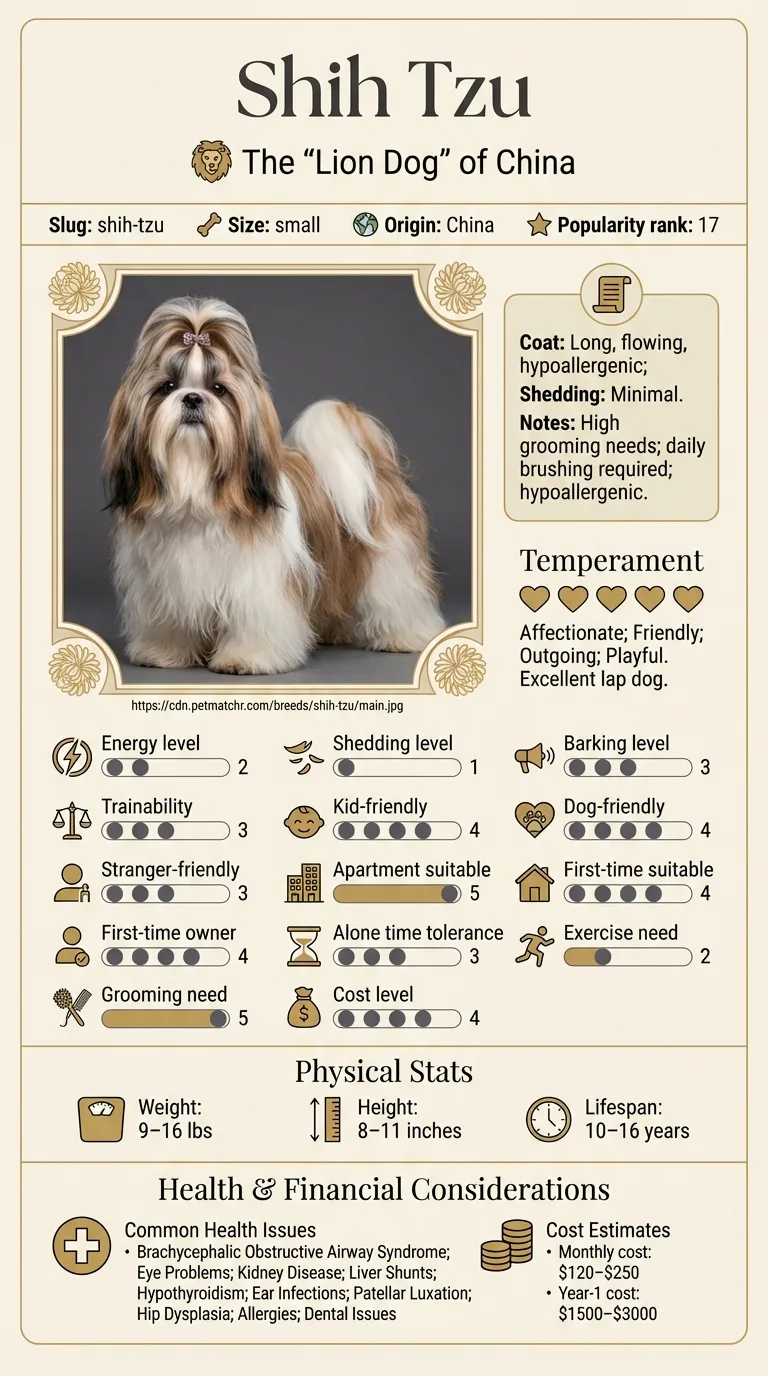
Pet owners, especially first-time Shih Tzu parents, often struggle with skin infections. Busy families or individuals with limited grooming experience may find it challenging to keep their dog's skin healthy.
This guide is not medical advice. If your dog shows pain, sudden behavior change, or worsening symptoms, consult a licensed veterinarian.
Some links may be affiliate links. We may earn a commission at no extra cost to you. We only suggest products we believe are helpful for dog owners.
We research and check what we publish, but we do not warrant that any figure, date, price, or statement is accurate, complete, or current, and we accept no liability for any loss, cost, injury, or other harm arising from the use of this site. Use it as one reference among several. You remain responsible for your own decisions and for your dog's care - confirm anything that matters with a licensed veterinarian or another qualified professional before you act on it. Full disclaimer.
Check this first
Skin infections in Shih Tzus can vary in severity. It's crucial to know when to seek immediate veterinary help and when you can monitor the situation at home. If your Shih Tzu shows signs of severe distress or systemic symptoms, it’s time to call your vet right away.
If any of these apply, call your vet or an emergency clinic now. The rest of this page is for the cases that are not an emergency.
Shih Tzu skin infections are common, particularly in the folds of their skin. Owners often notice redness, itching, and sometimes a foul odor. These infections can lead to discomfort for the dog and anxiety for the owner as they try to manage the condition.
Skin infections in Shih Tzus are quite common, especially due to their unique coat and skin structure. Many owners report dealing with this issue at least once in their dog's lifetime.
Shih Tzus are prone to skin infections due to their unique facial folds. These folds can trap moisture and debris, creating a perfect environment for bacteria and yeast to thrive. Additionally, their long, flowing coat requires regular grooming to prevent matting, which can also lead to skin issues.
Environmental factors play a significant role in skin infections. Allergens such as pollen, dust, and mold can irritate your Shih Tzu's skin. Poor hygiene, infrequent grooming, or exposure to harsh chemicals can also contribute to the development of infections.
If your Shih Tzu shows signs of persistent skin infections despite at-home care, or if you notice swelling, redness, or discharge, it's time to consult a veterinarian. They can provide appropriate treatments, such as medicated shampoos or antibiotics, to help your dog heal.
Avoiding these common mistakes can help improve your Shih Tzu's skin health.
Start here: Shih Tzu Most Common Genetic Disorders: What to Screen For
See all Shih TZU health problems, which breeds are prone to skin infections, or the full Shih TZU breed guide for temperament, exercise needs and ownership costs.
Most Shih Tzu skin infections can take 2 to 8 weeks to improve with consistent treatment and care.
Success looks like a healthy coat, reduced itching, and no signs of infection. Regular grooming and proper hygiene will help maintain your Shih Tzu's skin health.
Watch for these serious symptoms: - Persistent scratching or biting at the affected area - Swelling, redness, or oozing from the skin - Foul odor coming from the skin - Fever or lethargy - Loss of appetite or vomiting These signs indicate that the infection may be spreading or causing your dog significant discomfort.

In less severe cases, you can manage your Shih Tzu's skin infections at home. Look for these mild signs and follow a care plan: - Minor redness or irritation - Occasional scratching without distress - No systemic symptoms like fever or vomiting - Small patches of hair loss without severe itching If these symptoms persist beyond a few days, check in with your vet.

Jessica, a first-time Shih Tzu owner, noticed her pup Molly scratching and developing red patches in her facial folds. Concerned, she took Molly to the vet, who diagnosed her with a skin infection caused by trapped moisture and bacteria. The vet recommended a strict grooming routine, including daily cleaning of Molly's facial folds and a medicated shampoo. Jessica committed to this routine and saw significant improvement within a month. Molly's skin healed, and she became much more comfortable in her own fur.
Key takeaway: Regular grooming and prompt veterinary care are essential for preventing and treating Shih Tzu skin infections.
Shih Tzus can develop skin infections due to their facial folds, which trap moisture and bacteria. Allergies, poor grooming habits, and underlying health issues can also contribute to these infections. Regular vet check-ups are essential to address any recurring problems.
To prevent skin infections, maintain a consistent grooming routine. Regularly clean your Shih Tzu's facial folds to reduce moisture buildup. Additionally, ensure they are on a proper diet and consult your vet about any allergies that may affect their skin health.
Common symptoms include redness, swelling, itching, and an unpleasant odor in the affected areas. You might also notice your dog scratching or rubbing their face more than usual. If you see these signs, take your Shih Tzu to the vet for a proper diagnosis.
Mild skin infections may be managed with topical treatments or medicated shampoos, but it's crucial to consult your vet first. They can recommend the best course of action to ensure your dog's health. Never delay professional care for severe infections.
Aim to groom your Shih Tzu at least once a week, focusing on cleaning their facial folds. Daily brushing is also recommended to keep their coat healthy and reduce shedding. Keeping up with grooming can help you catch skin issues early.
To prevent skin infections in your Shih Tzu, maintain regular grooming and cleaning of their facial folds. Keeping their skin dry and using hypoallergenic products can also help. Ensure that any allergies are managed promptly to reduce the risk of infections.
If your Shih Tzu shows persistent signs of a skin infection, such as extreme itching or if the condition worsens, it's important to visit a vet. Additionally, if you notice any unusual behavior, like reluctance to walk or play, seek veterinary advice. Early treatment can prevent more serious complications.
Yes, skin infections in Shih Tzus can be more common during warmer months due to increased humidity and allergens. Allergies can lead to itching, which may result in infections. Keeping your dog’s environment clean and dry can help minimize this risk.
Older Shih Tzus may be more susceptible to skin infections due to a weakened immune system or existing health issues. Regular vet check-ups and close monitoring of their skin condition are important to catch any potential problems early.
Keep facial folds clean and dry, use hypoallergenic products, and monitor for signs of allergies.
If the infection is persistent, worsens, or your dog shows signs of pain, contact your vet immediately.
A balanced diet rich in omega fatty acids can help support skin health and reduce infections.
Yes, Shih Tzus can suffer from allergies, which may lead to skin infections. Identifying and eliminating allergens is crucial.
A one-page prep sheet for this condition: the signs, the questions to ask, what to get priced. Unlocks here.
You get: Vet visit prep sheet
No spam. One-click unsubscribe. See our privacy policy.
See a sample page before you decide.
Early access list
The free prep sheet covers the same-day warning signs, a symptom log and the questions to ask. We are considering a fuller kit that adds a cost worksheet for the usual tests and treatments (US price ranges with their sources) and a plain-English guide to ways of covering the bill. It is not built yet; this list tells us whether it is worth building.
One email, no spam, unsubscribe anytime. Information only, not veterinary advice.