DogBreedCompass
← Back to breed profile

Shih Tzu Chondrodystrophy (CDDY): What You Need to Know

Shih Tzu chondrodystrophy (cddy) is a developmental disorder that affects bone growth in these small dogs. This condition can lead to serious mobility issues and discomfort if not addressed properly.

Shih Tzu Chondrodystrophy (CDDY): What You Need to Know infographic

This problem often affects first-time Shih Tzu owners, busy families, or those unfamiliar with canine health issues. If you're noticing any physical irregularities in your Shih Tzu, you're not alone in seeking solutions.

Important reminder

This guide is not medical advice. If your dog shows pain, sudden behavior change, or worsening symptoms, consult a licensed veterinarian.

Some links may be affiliate links. We may earn a commission at no extra cost to you. We only suggest products we believe are helpful for dog owners.

What this problem looks like

Shih Tzu chondrodystrophy (cddy) is a developmental disorder affecting the bones. This condition often leads to a variety of physical deformities, particularly in the legs and spine. Daily life for affected Shih Tzus may involve difficulty walking, reduced activity levels, and potential discomfort.

Common triggers

  • Genetic predisposition due to breeding practices
  • Rapid growth phases in puppies
  • Inadequate nutrition during critical growth periods

Chondrodystrophy is relatively common in Shih Tzus, especially among those with a lineage of poor breeding practices. Many owners may notice symptoms as early as puppyhood, making awareness crucial for early intervention.

Why this happens

Breed factors

Shih Tzus are prone to chondrodystrophy (cddy) due to their genetic makeup. This breed has a unique skeletal structure that can lead to developmental issues in their bones. This condition often results in shorter legs and can cause joint problems as they age.

Environment factors

Environmental factors can exacerbate cddy in Shih Tzus. Poor nutrition or lack of proper exercise can worsen their bone development. Additionally, overly rough play or injuries can lead to complications for dogs already predisposed to this condition.

What you can try

At-home strategies

  • Provide a balanced diet rich in nutrients to support bone health. Look for high-quality dog food that lists meat as the first ingredient.
  • Encourage gentle exercise to maintain a healthy weight and strengthen their muscles without putting too much strain on their joints. Short, regular walks and light playtime are ideal.
  • Monitor your dog's activity to prevent rough play that could lead to injury. Create a safe space for them to play without the risk of falls or jumping from heights.

When to consider a trainer

If your Shih Tzu exhibits significant behavior issues or signs of anxiety related to their condition, consider consulting a professional trainer. They can provide tailored training techniques that accommodate your dog's physical limitations.

When to talk to your vet

If you notice signs of pain or discomfort in your Shih Tzu, such as limping or reluctance to move, it’s important to consult your veterinarian. They can assess your dog's condition and recommend treatments or lifestyle adjustments.

Realistic expectations

You can expect to see improvement in your Shih Tzu's condition within 2 to 6 months with consistent care and training.

Success means your Shih Tzu will have a more comfortable lifestyle, with reduced symptoms and a better ability to engage in daily activities.

Mistakes that make this worse

Avoiding these common mistakes can help improve your Shih Tzu's chondrodystrophy (cddy) situation.

  • Ignoring Early Signs: Many owners overlook early signs of cddy, thinking it’s just a phase. Early intervention can make a significant difference in treatment outcomes.
  • Overexerting Your Dog: Pushing your Shih Tzu to exercise excessively can worsen symptoms. Focus on moderate, enjoyable activities instead.
  • Neglecting Weight Management: Overweight dogs face more strain on their bones. Keeping your Shih Tzu at a healthy weight is essential.
  • Skipping Vet Visits: Some owners avoid regular vet check-ups due to cost or time. Regular veterinary care is crucial for managing this condition.
  • Using Inappropriate Training Methods: Harsh training techniques can increase stress. Use positive reinforcement to create a supportive learning environment.
  • Lack of Mental Stimulation: Boredom can lead to behavioral issues. Incorporate puzzle toys and training sessions to keep your Shih Tzu engaged.
  • Ignoring Dietary Needs: Not providing a balanced diet can aggravate health issues. Consult your vet for the best nutrition tailored to cddy.

When Shih Tzu Chondrodystrophy (cddy) is an Emergency

Call your vet immediately if your Shih Tzu shows any of the following red flags: - Severe difficulty breathing or wheezing - Sudden inability to walk or bear weight - Extreme lethargy, refusing to eat or drink - Noticeable swelling in limbs or joints - Signs of severe pain, such as whining or yelping when touched.

These symptoms can indicate serious complications that need prompt treatment. On the other hand, if your dog is simply limping occasionally or seems slightly less playful, it may not be urgent. Monitor these mild cases by keeping an eye on their activity levels and comfort.

It's helpful to create a simple plan for observation. Ensure your Shih Tzu is still eating and drinking. Watch for changes in behavior or mobility over a few days. If things worsen or new symptoms appear, don’t hesitate to reach out to your vet. Being proactive can make a significant difference in your dog's health and happiness.

Shih Tzu Chondrodystrophy (CDDY): What You Need to Know - When Shih Tzu Chondrodystrophy (cddy) is an Emergency

Samantha's Journey with Max the Shih Tzu

Samantha adopted Max, a 2-year-old Shih Tzu, who was diagnosed with chondrodystrophy (cddy). Initially, Max struggled with mobility and seemed to be in pain. Determined to help him, Samantha consulted a vet for guidance. She learned about targeted exercises and a tailored diet to support Max's bone health. Over several months, with consistent training and care, Max regained much of his energy and mobility. Now, he happily plays in the yard and enjoys longer walks with Samantha.

Key takeaway: Patience and the right support can significantly improve your dog’s quality of life, even with conditions like Shih Tzu chondrodystrophy (cddy).

Frequently asked questions

What is Shih Tzu chondrodystrophy (cddy)?

Shih Tzu chondrodystrophy (cddy) is a developmental disorder affecting the bones of these dogs. It can lead to issues like shortened limbs and spinal problems. Early diagnosis and management are key to improving your dog's quality of life.

Why does my Shih Tzu have chondrodystrophy (cddy)?

This condition is primarily genetic and can occur in certain breeds, including Shih Tzus. It results from mutations that affect bone growth. If you suspect cddy, consult a vet for proper diagnosis and treatment options.

How can I help my Shih Tzu with chondrodystrophy (cddy)?

Management of Shih Tzu chondrodystrophy (cddy) often includes regular vet check-ups, weight management, and possibly physical therapy. Ensuring your dog has a comfortable space and gentle exercise can also help. Always follow your vet's advice for the best results.

What are the symptoms of chondrodystrophy (cddy) in Shih Tzus?

Common symptoms include difficulty walking, abnormal limb shapes, and joint pain. You may also notice a decrease in activity levels or reluctance to play. If you observe these signs, it's important to consult your veterinarian.

Can training help a Shih Tzu with chondrodystrophy (cddy)?

Yes, training can help manage behavior and anxiety associated with chondrodystrophy (cddy). Focus on positive reinforcement techniques and tailor activities to your dog's physical capabilities. This will help build confidence while keeping them safe.

Is surgery an option for Shih Tzus with chondrodystrophy (cddy)?

Surgery may be considered in severe cases to correct structural abnormalities. However, it's not always necessary and depends on your dog's specific situation. Discuss all options with your vet to determine the best course of action.

What are the signs of Shih Tzu chondrodystrophy (cddy)?

Signs of Shih Tzu chondrodystrophy (cddy) can include difficulty walking, an abnormal gait, and painful joints. You may also notice your dog hesitating to jump or play as they normally would. If you see these symptoms, it’s important to consult your vet for proper diagnosis and care.

How can I help my older Shih Tzu with chondrodystrophy (cddy)?

For older Shih Tzus with chondrodystrophy (cddy), providing a comfortable, supportive bed can help ease joint pain. Regular, gentle exercise is crucial, along with maintaining a healthy weight to reduce strain on their joints. Always consult your vet for tailored advice specific to your pet's needs.

Can Shih Tzus with chondrodystrophy (cddy) still be trained?

Yes, Shih Tzus with chondrodystrophy (cddy) can still be trained, but it’s important to keep training sessions short and positive. Focus on low-impact activities and use plenty of treats and praise to motivate them. Always be mindful of their comfort and adjust training methods as needed.

When should I see a vet for my Shih Tzu's chondrodystrophy (cddy)?

If your Shih Tzu shows signs of increased pain, difficulty moving, or any changes in behavior, it’s time to see a vet. Regular check-ups are also important to monitor their condition and adjust care plans. Early intervention can help manage symptoms effectively.

Are there specific diets that can help manage chondrodystrophy (cddy) in Shih Tzus?

Yes, a balanced diet rich in omega-3 fatty acids can help reduce inflammation and support joint health in Shih Tzus with chondrodystrophy (cddy). Look for dog foods formulated for joint health or consult your vet for recommendations tailored to your dog's needs.

Quick answers

View more answers
Behavior

What are quick tips for managing Shih Tzu chondrodystrophy (cddy)?

Regular vet visits, weight management, and gentle exercise are crucial for managing Shih Tzu chondrodystrophy (cddy). Keep your home safe and comfortable for your dog to reduce stress on their joints.
Health

How often should I take my Shih Tzu to the vet for cddy?

It's best to schedule check-ups every 6 to 12 months to monitor your Shih Tzu's condition. This allows for timely interventions if needed.

Training

Can I train my Shih Tzu with chondrodystrophy (cddy)?

Yes, but focus on gentle training methods that consider their physical limitations. Short, positive sessions can help maintain their confidence and behavior.

Costs

What costs should I expect for a Shih Tzu with chondrodystrophy (cddy)?

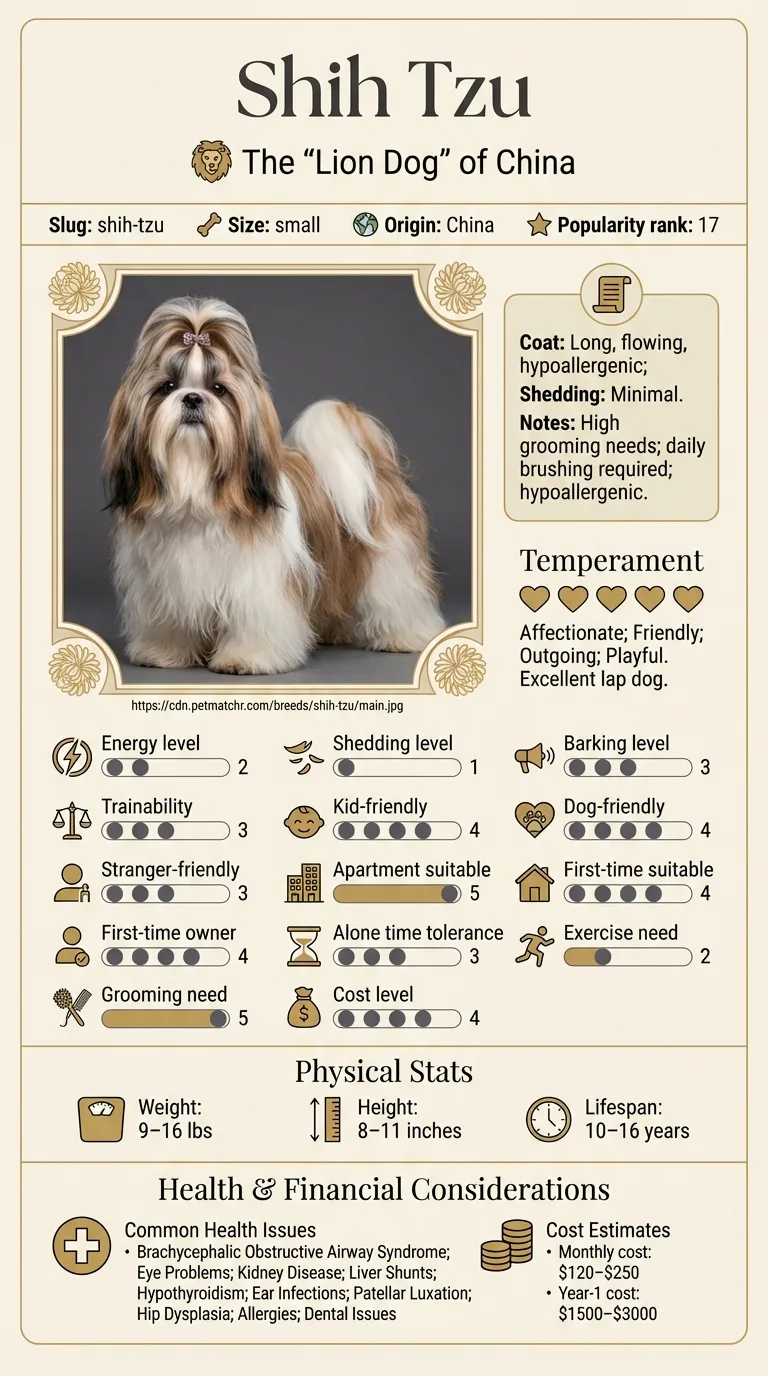
Monthly costs can range from $120 to $250, depending on vet visits and care needs. Budget for potential treatments and therapies as well.

Related DogBreedCompass guides

Related guides