Health
How to stop Shibа Inu small nostrils (stenotic nares) issues?
Regular vet check-ups and weight management can help mitigate breathing problems. Surgery may be an option for severe cases.
Shibа Inu small nostrils, or stenotic nares, can lead to serious breathing issues. (Shibа Inu small nostrils (stenotic nares))
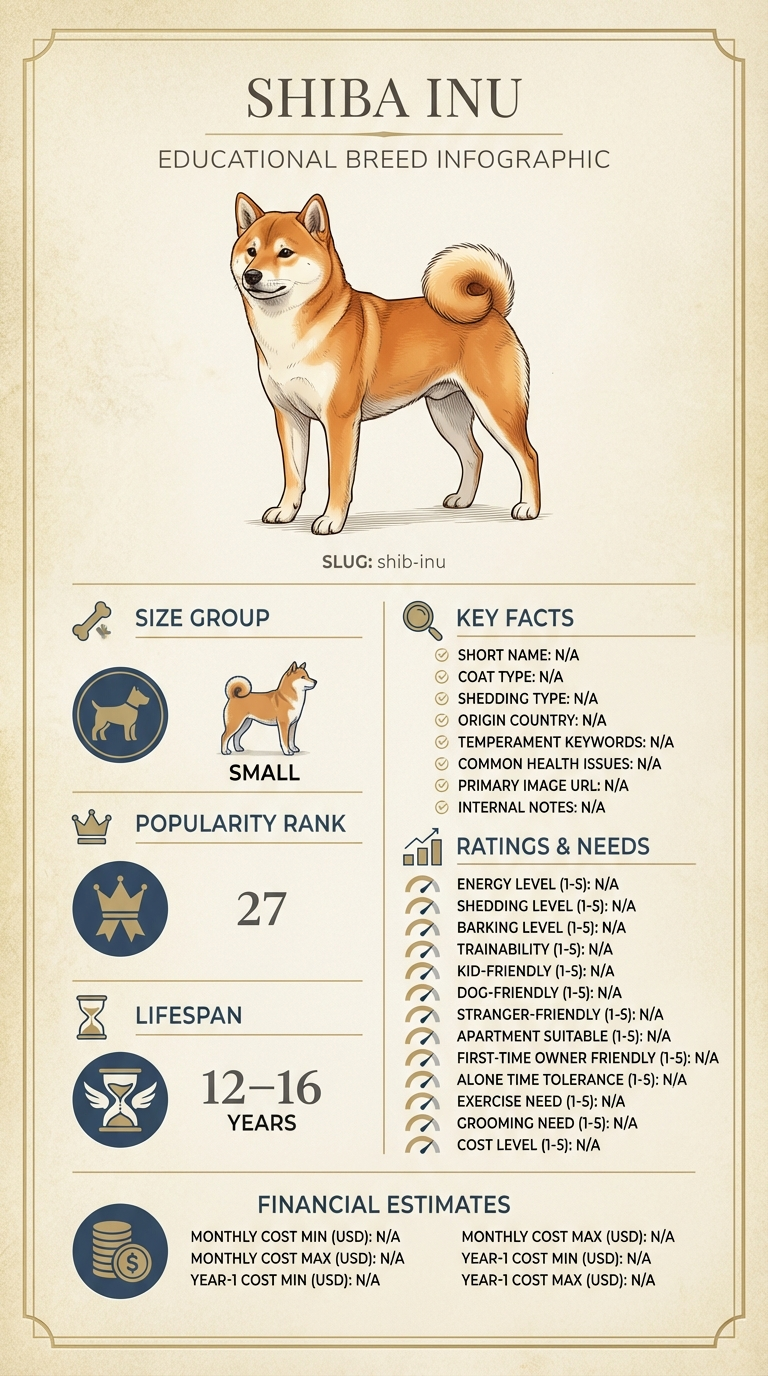
Owners of Shibа Inus often notice their pets struggling to breathe, especially during exercise or in hot weather. New dog owners may feel overwhelmed when trying to understand how to help their beloved pet.
This guide is not medical advice. If your dog shows pain, sudden behavior change, or worsening symptoms, consult a licensed veterinarian.
Some links may be affiliate links. We may earn a commission at no extra cost to you. We only suggest products we believe are helpful for dog owners.
Shibа Inus with small nostrils, known as stenotic nares, often face breathing difficulties. This issue can lead to noisy breathing, snoring, and even exercise intolerance. Owners might notice their dog struggling to catch their breath, especially during physical activity or in hot weather.
Stenotic nares are a common issue in Shibа Inus due to their brachycephalic facial structure. Many Shibа Inus experience some level of this condition, making it essential for owners to be aware and proactive.
Shibа Inus are a brachycephalic breed, meaning they have short muzzles. This can lead to small nostrils or stenotic nares, which restrict airflow. The structure of their face is a genetic trait that predisposes them to breathing challenges.
Environmental factors like heat, humidity, and air quality can worsen breathing issues in Shibа Inus with small nostrils. Stress from loud noises or overcrowded spaces can also trigger respiratory problems.
If your Shibа Inu exhibits anxiety or stress related to breathing, a professional trainer can help address behavioral issues. Look for trainers experienced with brachycephalic breeds.
Consult your vet if your Shibа Inu shows signs of severe breathing difficulties, like wheezing or excessive panting. It's essential to rule out any serious underlying health conditions.
You may see improvements in your Shibа Inu's breathing within a few weeks of consistent training and care.
Success means your Shibа Inu can breathe more easily, showing less distress during physical activity, and having a generally calmer demeanor.
Avoiding common pitfalls can help your Shibа Inu breathe easier. Here are some mistakes to watch out for.
Understanding when your Shibа Inu’s small nostrils (stenotic nares) require immediate attention is crucial. Recognizing red flags can mean the difference between life and death for your furry friend. If you see any of these signs, it’s time to call your vet right away:
- Difficulty breathing or gasping for air - Blue-tinged tongue or gums - Lethargy or weakness - Excessive panting or distress
These symptoms indicate a serious breathing obstruction that needs prompt veterinary care. Ignoring these signs could lead to severe health complications.
On the other hand, if your Shibа Inu shows mild symptoms, you can monitor their condition at home. Mild signs may include occasional snoring or light wheezing. In these cases, consider the following:
- Keep your dog calm and avoid overexertion. - Ensure they are in a cool, well-ventilated area. - Consult with your vet about training techniques to improve breathing and comfort.
If your dog is still active and eating normally, you can watch and wait while implementing a plan to help them breathe more comfortably. Always prioritize their health and consult your vet for tailored advice.
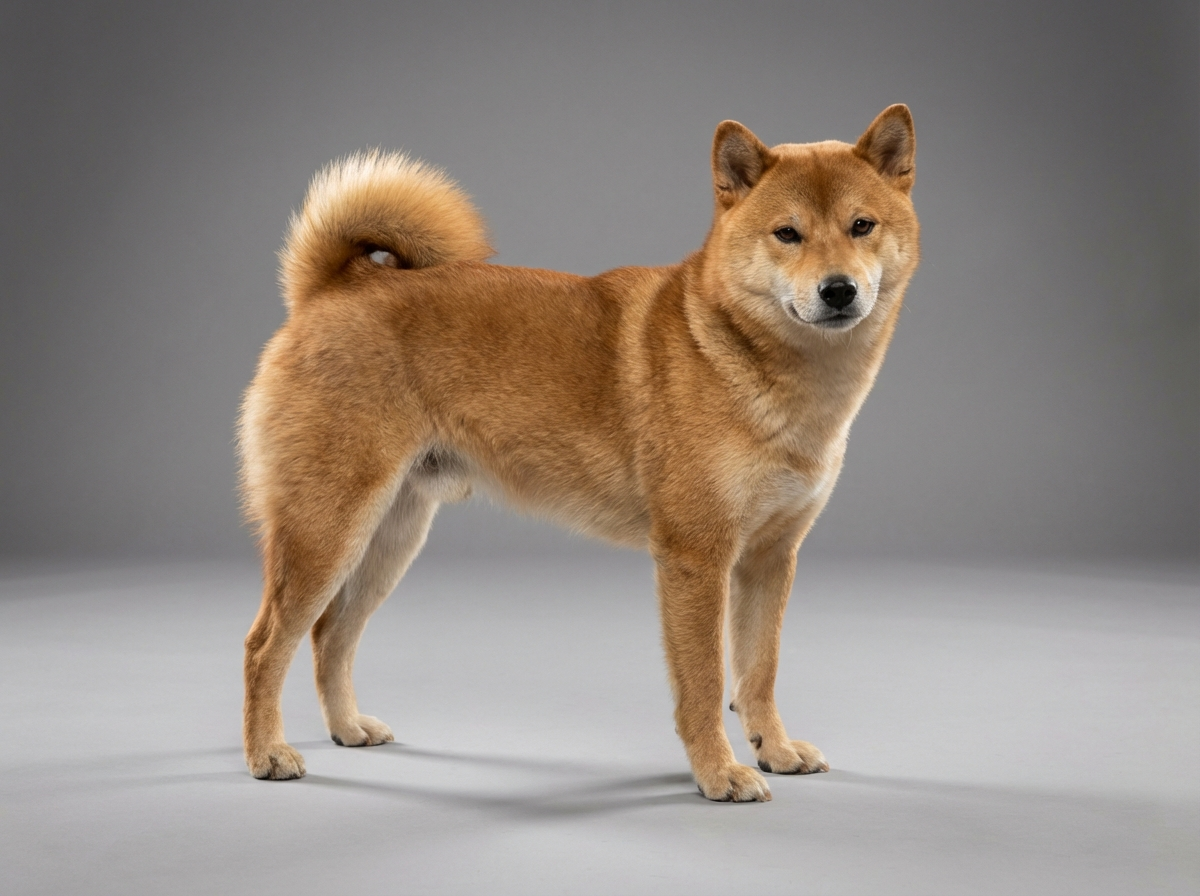
Emma, a busy nurse in Seattle, adopted Mochi, a Shibа Inu with small nostrils (stenotic nares). At first, Mochi struggled with labored breathing, especially during walks. Concerned, Emma consulted her vet, who suggested gradual training to help Mochi adjust. Over the next few weeks, Emma focused on gentle breathing exercises and short, regular walks. She also learned to recognize signs of distress in Mochi. With patience and dedication, Mochi's breathing improved significantly, allowing him to enjoy walks and playtime without discomfort.
Key takeaway: Recognizing and addressing small nostrils (stenotic nares) in your Shibа Inu early can lead to better breathing and a happier, healthier pup.
Shibа Inus often have small nostrils due to their brachycephalic nature, which can lead to breathing difficulties. This condition is inherited and can cause a range of respiratory issues. Regular vet check-ups can help monitor and manage these concerns. This answer relates to Shibа Inu small nostrils (stenotic nares).
To help your Shibа Inu, ensure they maintain a healthy weight, as excess weight can worsen breathing problems. Engage them in gentle exercise and avoid extreme temperatures. Consulting with a veterinarian about potential surgical options may also be beneficial.
While training won't change the physical structure of their nostrils, positive reinforcement can help manage anxiety related to breathing difficulties. Teaching calm behaviors during stressful situations can reduce their overall stress levels. Consistent training can also build your bond, which is essential for overall well-being.
Watch for signs such as excessive panting, coughing, or difficulty breathing, especially during exercise. If your Shibа Inu seems lethargic or has a blue-tinged tongue, seek veterinary attention immediately. Early intervention can help prevent more serious issues.
Avoid high-energy activities and strenuous exercise, especially in hot or humid weather. Instead, opt for short, gentle walks in cooler temperatures. Always monitor their breathing during activities to prevent overexertion.
Small nostrils in Shibа Inus are often genetic and can lead to breathing difficulties. This condition constricts airflow, making it harder for them to breathe, especially during exercise or in hot weather.
To assist your Shibа Inu, focus on positive reinforcement training. Keep training sessions short and engaging, allowing for breaks if they show signs of breathing trouble.
If your Shibа Inu shows severe signs of breathing distress, like wheezing or excessive panting, it’s time to see a vet. Regular check-ups are essential to manage any potential complications from stenotic nares.
Yes, older Shibа Inus may experience worsening symptoms due to decreased muscle tone and other age-related health issues. Keeping an eye on their breathing and comfort is crucial as they age.
Ensure your Shibа Inu stays cool and hydrated, especially in hot weather. Gentle exercise and avoiding overly strenuous activities can also help manage their breathing issues effectively.
Regular vet check-ups and weight management can help mitigate breathing problems. Surgery may be an option for severe cases.
Ensure your Shibа Inu stays calm and avoid hot weather. Engage in gentle play to keep them active without overexerting.
Surgery can be beneficial for severe cases, but many dogs manage well with lifestyle adjustments. Consult your vet for personalized advice.
Yes, with proper care, many Shibа Inus lead happy lives. Monitoring their weight and environment is key.