Behavior
What are some quick tips for Shibа Inu pancreatitis & diabetes?
Feed a low-fat, high-fiber diet and monitor their weight closely. Regular vet check-ups are essential for managing their health.
Shibа Inu pancreatitis & diabetes can be serious health issues that affect your dog’s quality of life. Managing these conditions is crucial for their well-being.
Many Shibа Inu owners, especially those with senior dogs, find themselves facing these challenges. It can be overwhelming for first-time dog owners, as they may not know the signs to look for or how to manage their pet's diet and care.
This guide is not medical advice. If your dog shows pain, sudden behavior change, or worsening symptoms, consult a licensed veterinarian.
Some links may be affiliate links. We may earn a commission at no extra cost to you. We only suggest products we believe are helpful for dog owners.
Shibа Inus can face serious health issues like pancreatitis and diabetes, especially as they age. These conditions may lead to lethargy, excessive thirst, and weight loss, which can be concerning for any owner. Daily life can become challenging as these dogs may require special diets and frequent vet visits.
Pancreatitis and diabetes are relatively common in Shibа Inus, particularly as they reach their senior years. Owners should be vigilant about their dog's diet and weight to reduce risks.
Shibа Inus are prone to certain health issues, including pancreatitis and diabetes, especially as they age. Their body structure and metabolism can make them more susceptible to dietary changes and obesity, which can lead to these conditions.
Lifestyle factors such as a high-fat diet, lack of exercise, and stress can contribute to the development of pancreatitis and diabetes in Shibа Inus. An environment that encourages overeating or doesn't provide enough physical activity can exacerbate these health risks.
If your Shibа Inu shows persistent behavioral issues related to anxiety or stress, consider consulting a professional trainer. A trainer can help develop a tailored plan that addresses specific behavioral challenges.
If you notice symptoms like excessive thirst, frequent urination, lethargy, or vomiting, it's crucial to talk to your vet. These could be signs of pancreatitis or diabetes, and timely intervention can make a significant difference in your dog's health.
Managing your Shibа Inu's pancreatitis and diabetes can take several weeks to months, depending on the severity of the conditions and your dog's response to treatment.
Success means your Shibа Inu maintains a stable blood sugar level, has reduced pancreatitis flare-ups, and enjoys a better quality of life with a balanced diet and regular vet visits.
Avoiding certain behaviors can help manage Shibа Inu pancreatitis & diabetes more effectively. Here are some common mistakes to steer clear of.
Recognizing when your Shibа Inu's pancreatitis and diabetes is an emergency can save their life. Watch for these red-flag signs that indicate you need to call your vet immediately. If your dog shows severe vomiting, lethargy, or abdominal pain, don't wait. These symptoms can signal a serious condition requiring urgent care.
Additionally, if you notice excessive thirst and urination, along with disorientation or weakness, seek help right away. These may be signs of a diabetic crisis that can escalate quickly. In contrast, if your Shibа Inu is experiencing mild symptoms like occasional vomiting or changes in appetite, you can monitor them at home with a plan.
Keep a close eye on their food intake and behavior. Make notes of any changes and consult your vet for guidance. Setting up a regular feeding schedule and sticking to prescribed medications can often help manage mild cases without immediate intervention. However, if symptoms worsen or do not improve, it's crucial to reach out to your vet for further advice. Always err on the side of caution with health issues like pancreatitis and diabetes.
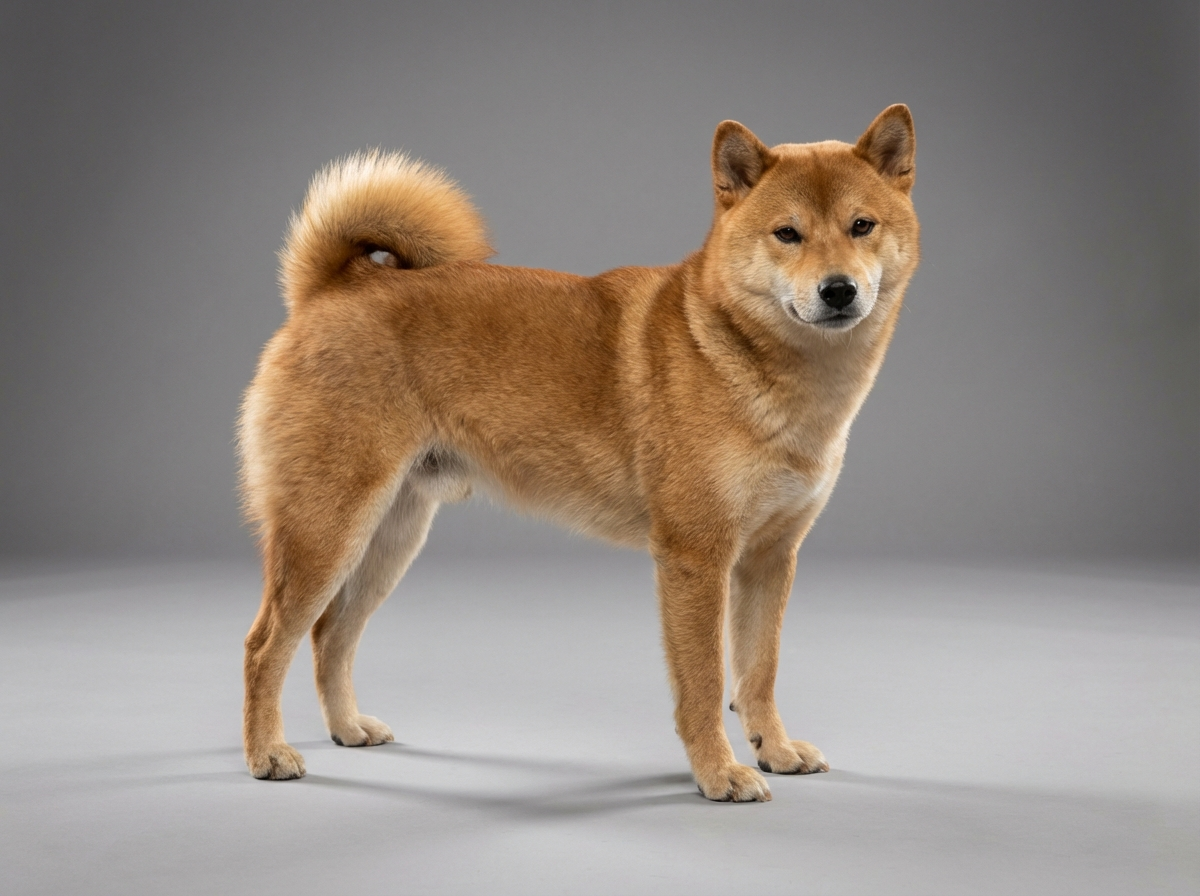
When Sarah adopted Max, her Shibа Inu, she quickly learned he had pancreatitis and diabetes. At first, she felt overwhelmed by the dietary changes and vet appointments. However, with dedication, she established a strict feeding schedule and monitored his glucose levels daily. After a few months, Max's health improved significantly. He had more energy and was back to enjoying his daily walks with Sarah, who felt relieved and proud of their progress.
Key takeaway: Consistency is key. With a well-structured routine and the right support, managing Shibа Inu pancreatitis and diabetes can lead to a happier, healthier dog.
Shibа Inus can develop pancreatitis and diabetes due to various factors. Poor diet, obesity, and genetics play significant roles. It's essential to monitor their diet and consult a vet regularly. This answer relates to Shibа Inu pancreatitis & diabetes.
To prevent pancreatitis and diabetes, focus on a balanced diet low in fat and high in fiber. Regular exercise and maintaining a healthy weight are crucial. Always consult your vet for tailored dietary recommendations.
Common symptoms include excessive thirst, frequent urination, lethargy, and vomiting. If you notice these symptoms, take your Shibа Inu to the vet immediately for proper diagnosis and treatment.
Yes, with proper management including dietary changes, regular vet check-ups, and medication if necessary, many Shibа Inus can live healthy lives. Early detection is key for effective management.
A low-fat, high-fiber diet is ideal for Shibа Inus with these conditions. Look for dog food specifically formulated for diabetic dogs and consult your vet for personalized recommendations.
Absolutely! Regular, moderate exercise helps manage weight and improve overall health. Aim for daily walks and playtime to keep them active without overexerting them.
Training can help establish routines and reinforce good behaviors, making it easier to manage their condition. Positive reinforcement techniques work best, focusing on healthy habits.
Common symptoms of pancreatitis in Shibа Inus include vomiting, abdominal pain, lethargy, and diarrhea. If your dog shows any of these signs, it's important to consult your vet right away.
Yes, a diet low in sugar and high in fiber can help manage diabetes in Shibа Inus. Work with your vet to create a meal plan that suits your dog's specific needs.
Absolutely! Regular, moderate exercise can help maintain a healthy weight and improve your Shibа Inu's overall health. However, avoid intense activities that could aggravate pancreatitis.
It's best to have regular check-ups, possibly every 3 to 6 months, to monitor your Shibа Inu's condition. Your vet can adjust treatment plans as needed based on your dog's health.
Yes, positive reinforcement training can help your Shibа Inu adapt to new routines, such as regular feeding and medication schedules. Consistency is key for managing their health effectively.
Feed a low-fat, high-fiber diet and monitor their weight closely. Regular vet check-ups are essential for managing their health.
Aim for at least 30 minutes of moderate exercise daily to help maintain a healthy weight and manage their condition.
Avoid high-fat foods, table scraps, and treats that can exacerbate pancreatitis and diabetes symptoms.
Use positive reinforcement techniques and establish a routine to help your Shibа Inu understand what is expected of them.
Yes, genetics can play a role in these conditions, making it important to monitor your Shibа Inu's health closely.