Behavior
What are some quick tips for Shibа Inu osteochondritis dissecans (OCD)?
Limit high-impact activities and provide a balanced diet to maintain a healthy weight. Regular vet check-ups are essential for monitoring your dog's condition.
Shibа Inu osteochondritis dissecans (OCD) is a painful joint condition that can affect your dog’s mobility. It’s important to recognize and address this issue early.
Owners of Shibа Inus, especially those with active or young dogs, may find themselves facing this issue. First-time dog owners or busy families may struggle to identify the signs of OCD, making early intervention challenging.
This guide is not medical advice. If your dog shows pain, sudden behavior change, or worsening symptoms, consult a licensed veterinarian.
Some links may be affiliate links. We may earn a commission at no extra cost to you. We only suggest products we believe are helpful for dog owners.
Shibа Inu osteochondritis dissecans (OCD) is a painful condition that affects their joints. It occurs when cartilage doesn't develop properly, leading to discomfort and mobility issues. This can manifest as limping, reluctance to play, or difficulty rising after resting.
OCD is relatively common in Shibа Inus, particularly among those under two years old. It's important to monitor for signs and seek veterinary advice if you suspect your dog is affected.
Shibа Inus are small dogs, and their joint structure can predispose them to osteochondritis dissecans (OCD). This breed may have a genetic tendency toward this condition, especially if they come from lines with a history of joint issues. Their activity level can also contribute to stress on developing joints.
The environment plays a big role in the development of OCD. Factors like excessive jumping, rough play, or obesity can exacerbate joint stress. Additionally, a lack of proper exercise or uneven surfaces can lead to joint discomfort and increase the risk of OCD.
If your Shibа Inu is struggling with training commands due to discomfort or pain, it's time to consult a trainer who specializes in behavior issues related to physical challenges. They can help adjust training methods to accommodate your dog's needs.
If you notice persistent limping, swelling, or signs of pain in your Shibа Inu, contact your vet. They can assess the condition and recommend treatments, such as anti-inflammatories or physical therapy, to help manage osteochondritis dissecans (OCD).
It may take several weeks to months to see improvement, depending on the severity of the condition and the consistency of your efforts.
Success means your Shibа Inu shows reduced joint discomfort, increased mobility, and a happier demeanor during play and walks.
Avoiding certain behaviors can help manage your Shibа Inu's osteochondritis dissecans (OCD) more effectively. Here are common mistakes that may exacerbate the issue.
Knowing when your Shibа Inu's osteochondritis dissecans (OCD) is an emergency can save their health. If your dog shows signs like severe limping, swelling in the joints, or excessive pain when touched, it's time to call your vet immediately. These symptoms could indicate a serious issue that requires prompt treatment.
On the other hand, if your Shibа Inu is experiencing mild discomfort, like occasional limping after exercise but still wants to play, you may be able to monitor the situation. Keep a close eye on their activity levels and behavior. If the symptoms persist or worsen, reach out to your vet to discuss a management plan.
Always trust your instincts as a pet owner. If something feels wrong, don't hesitate to consult a professional.
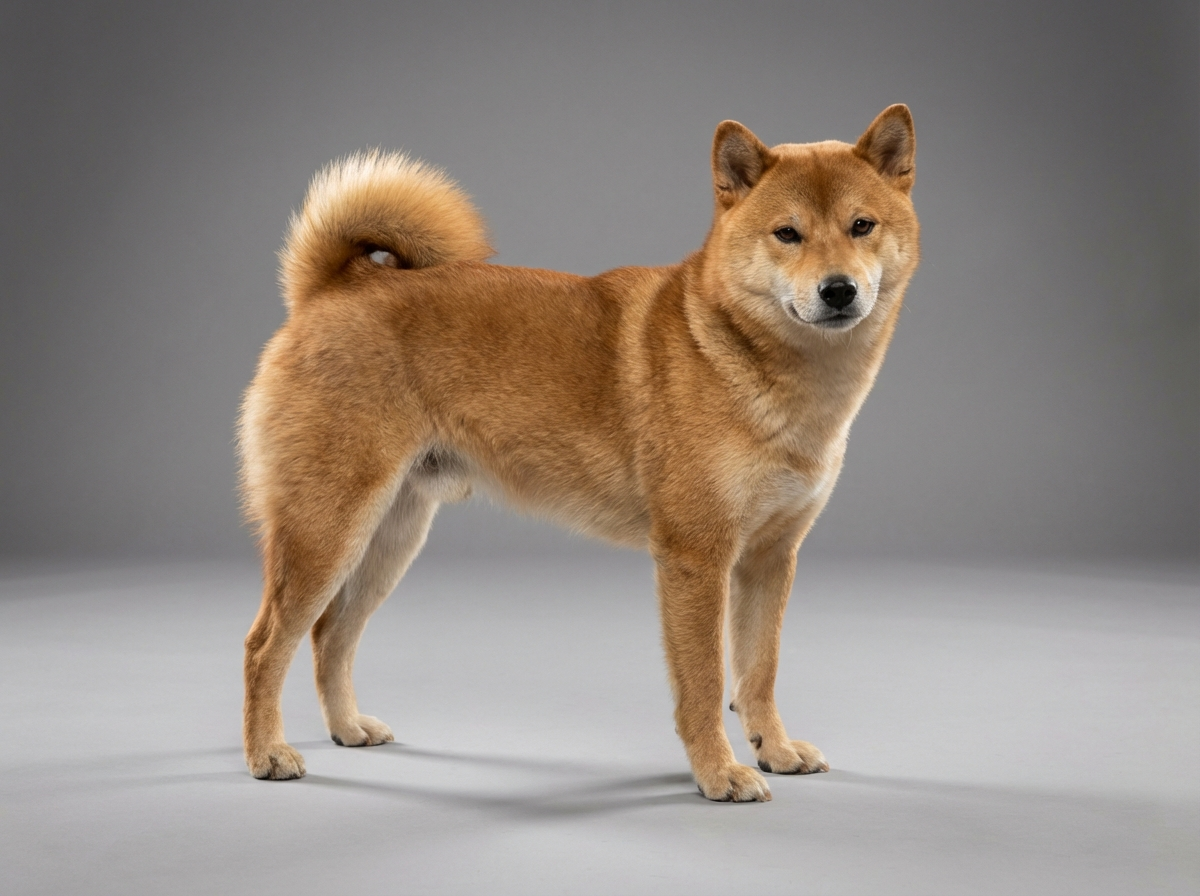
Emily, a first-time dog owner, noticed her Shibа Inu, Yuki, limping during their evening walks. After a vet visit, she learned that Yuki had osteochondritis dissecans (OCD). Initially overwhelmed, Emily decided to research how to manage the condition. She learned about the importance of controlled exercise, weight management, and joint supplements. With dedication, Emily adjusted Yuki's routine, incorporating shorter, more frequent walks and gentle play. Over a few months, Yuki's limping decreased, and his energy returned, allowing them to enjoy their time together again.
Key takeaway: With patience and the right approach, managing Shibа Inu osteochondritis dissecans (OCD) can lead to significant improvements in your dog's quality of life.
Shibа Inus can develop osteochondritis dissecans (OCD) due to a combination of genetic predisposition and environmental factors. Rapid growth during puppyhood, obesity, or high-impact activities can exacerbate the condition. Regular vet check-ups can help identify any early signs.
To manage Shibа Inu osteochondritis dissecans (OCD), limit high-impact activities, maintain a healthy weight, and provide joint supplements as recommended by your vet. Gentle, controlled exercise is essential, but avoid strenuous play. Consulting a vet for a tailored treatment plan is crucial.
Treatment for Shibа Inu osteochondritis dissecans (OCD) may include rest, medications to reduce inflammation, or physical therapy. In severe cases, surgery may be necessary to remove loose cartilage. Always follow your vet's advice for the best outcomes.
While training cannot cure osteochondritis dissecans (OCD), it can help manage your dog's behavior and improve their quality of life. Teaching calm commands and using positive reinforcement can keep your Shibа Inu engaged without stressing their joints.
Watch for signs like limping, reluctance to play, or difficulty getting up after resting. Your Shibа Inu may also show signs of discomfort when walking or climbing stairs. If you notice these symptoms, consult your vet promptly.
Yes, older Shibа Inus can develop osteochondritis dissecans (OCD), but it's more common in younger dogs. If you notice signs of joint pain in an older dog, it's important to consult with a vet. They can help determine if OCD or another issue is at play.
Symptoms of Shibа Inu osteochondritis dissecans (OCD) can include limping, swelling around the joints, and reluctance to exercise. You may also notice your dog avoiding stairs or difficulty getting up after resting. If you see these signs, a vet visit is recommended.
To help your Shibа Inu with OCD, you can manage their weight and provide a comfortable resting area. Gentle exercise is important, but avoid high-impact activities. Always discuss any home treatment options with your vet to ensure they’re appropriate.
If your Shibа Inu shows signs of joint discomfort or if their behavior changes suddenly, it’s time to see a vet. Early intervention can make a significant difference in managing osteochondritis dissecans (OCD) effectively. Don't wait for symptoms to worsen.
While training alone cannot prevent osteochondritis dissecans (OCD), it can promote proper exercise habits. Teaching your Shibа Inu controlled movements and avoiding excessive jumping can reduce strain on their joints. Consult with a vet about the best training methods for your dog's condition.
Limit high-impact activities and provide a balanced diet to maintain a healthy weight. Regular vet check-ups are essential for monitoring your dog's condition.
If your Shibа Inu shows signs of pain, limping, or reluctance to exercise, it's time to consult a vet. Early intervention can prevent further joint damage.
Provide a soft resting area and consider joint supplements as advised by your vet. Gentle, low-impact activities can help keep your dog active without causing pain.