Health
What are quick tips for dealing with Shibа Inu kidney stones?
Ensure your Shibа Inu has constant access to fresh water and consult with your vet about a specialized diet. Regular exercise can also help maintain their overall health.
Shibа Inu kidney stones can be a serious health issue for your pet. These painful stones can lead to discomfort and other complications.
This issue often affects Shibа Inu owners who may be unaware of the breed's predisposition to kidney stones. Busy families or first-time dog owners might find it challenging to spot symptoms and seek timely help.
This guide is not medical advice. If your dog shows pain, sudden behavior change, or worsening symptoms, consult a licensed veterinarian.
Some links may be affiliate links. We may earn a commission at no extra cost to you. We only suggest products we believe are helpful for dog owners.
Shibа Inus can be prone to kidney stones, a painful condition that affects their urinary tract. Day-to-day, this may look like frequent trips to the bathroom, straining to urinate, or even blood in their urine. If you notice these signs, it could indicate kidney stones, which are small mineral deposits that can form in their kidneys or bladder.
Kidney stones are relatively common in Shibа Inus, particularly as they age. Regular vet check-ups can help catch this issue early, as some dogs may not show obvious symptoms until the stones become problematic.
Shibа Inus can be predisposed to kidney stones due to their genetic makeup. Certain breeds are more likely to develop these stones, which can lead to painful conditions. This breed may have a higher risk because of their specific dietary needs and metabolism.
Dietary factors and lack of hydration also play a significant role in the development of kidney stones. If your Shibа Inu isn't drinking enough water or eating a diet high in certain minerals, they are at a greater risk. Stress and lack of adequate exercise can also contribute to this issue.
If your Shibа Inu is showing signs of anxiety or stress that might contribute to their kidney stone issues, it may be helpful to consult a trainer. A professional can provide strategies tailored to your dog's needs.
Always consult your vet if you suspect your Shibа Inu has kidney stones. Signs include frequent urination, blood in urine, or difficulty urinating. Your vet can offer the best treatment options and dietary recommendations.
Managing Shibа Inu kidney stones typically takes 4 to 6 weeks of consistent care and monitoring.
Success means your Shibа Inu experiences fewer symptoms, has regular vet check-ups, and shows signs of improved comfort and health.
Avoiding certain common mistakes can significantly improve your Shibа Inu's kidney stone issues. Here are some behaviors to watch out for:
Recognizing the signs of kidney stones in your Shibа Inu is crucial for their health. Some symptoms indicate an emergency that requires immediate veterinary attention. If your dog shows any of the following signs, call your vet right away: persistent vomiting, blood in urine, excessive straining to urinate, or if they seem to be in severe pain. These are red flags that shouldn't be ignored.
On the other hand, mild symptoms can often be monitored at home. If your Shibа Inu is drinking more water than usual, has occasional difficulty urinating, or seems slightly lethargic without any severe signs, you might not need to rush to the vet. Instead, keep a close watch on them and develop a plan for hydration and diet management. This can help prevent further complications.
It's essential to stay alert and recognize the difference between an emergency and mild cases. If you're ever in doubt, it’s best to consult your veterinarian. They can provide guidance tailored to your Shibа Inu’s specific needs.
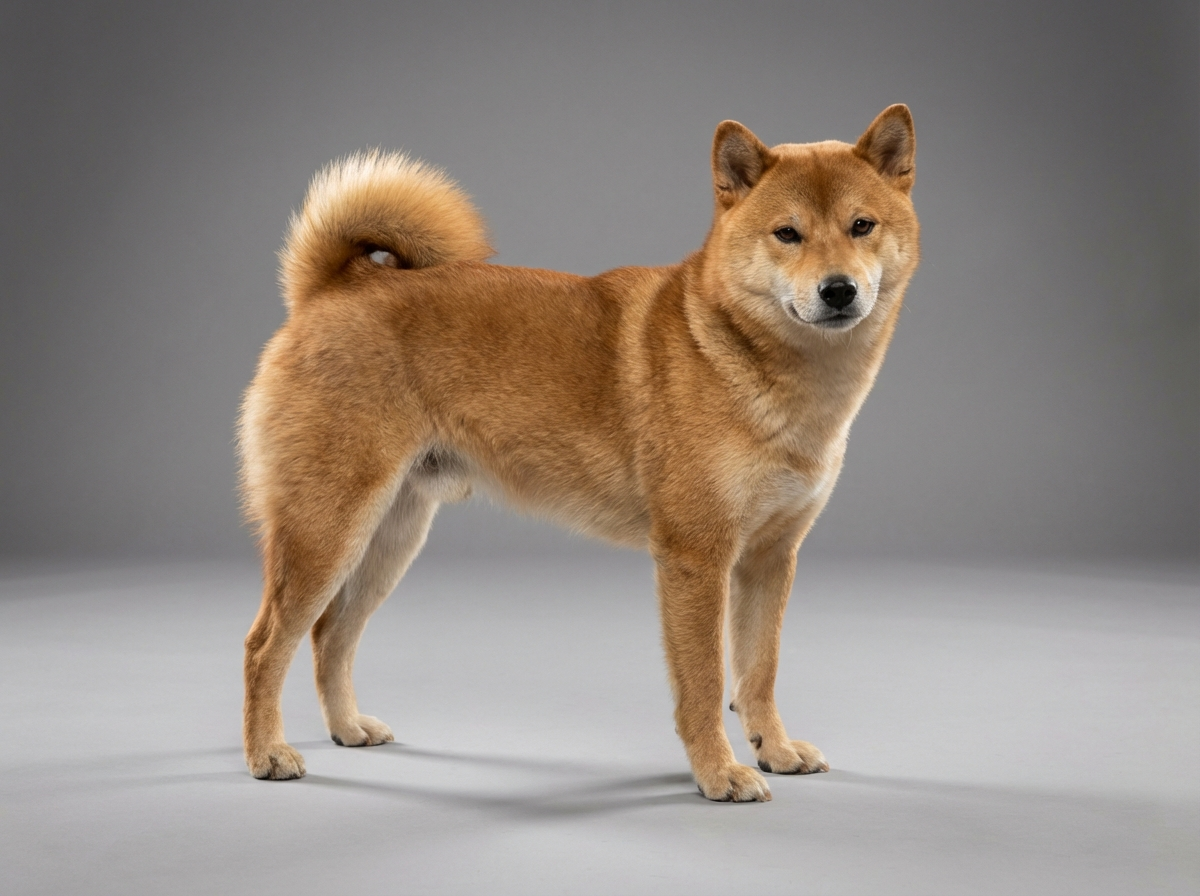
Jessica, a first-time Shibа Inu owner, noticed her dog, Yuki, struggling to urinate. After a vet visit, she learned Yuki had kidney stones. Jessica committed to changing Yuki's diet, ensuring he drank more water and followed a vet-recommended plan. Over the next several weeks, Yuki's symptoms improved, and he regained his playful spirit. Jessica felt relieved and empowered with her new knowledge about managing Yuki's health.
Key takeaway: Consistent care and awareness are crucial in managing Shibа Inu kidney stones effectively.
Shibа Inus can develop kidney stones due to a combination of genetics, diet, and dehydration. A high-protein diet and inadequate water intake can contribute to stone formation. Regular vet check-ups and a balanced diet can help prevent this issue. This answer relates to Shibа Inu kidney stones.
To prevent kidney stones in your Shibа Inu, provide ample fresh water and consider a diet formulated to reduce stone formation. Regular exercise and routine vet visits for check-ups will also help monitor their health and catch any issues early.
Common symptoms include frequent urination, straining to urinate, blood in urine, and abdominal pain. If you notice any of these signs, it's crucial to contact your vet immediately for proper diagnosis and treatment.
Yes, kidney stones can be treated with medications or surgery, depending on the severity. Your vet will recommend the best course of action based on the size and type of stones present.
Managing a Shibа Inu with kidney stones involves dietary adjustments, ensuring they drink enough water, and regular vet visits. Follow your vet's recommendations closely for the best outcomes.
Common symptoms include frequent urination, straining to urinate, blood in urine, and discomfort while urinating. If your Shibа Inu shows these signs, consult a vet promptly.
Yes, older Shibа Inus may experience more severe symptoms and complications from kidney stones than younger dogs. Regular check-ups become crucial as they age to monitor for any health issues.
A balanced diet lower in minerals like calcium and oxalate can help prevent kidney stones. Consult your vet for specific dietary recommendations tailored to your Shibа Inu's needs.
If you notice symptoms like difficulty urinating, excessive licking of the genital area, or signs of pain, it's time to see a vet. Early intervention can prevent more serious health issues.
Training can help manage your Shibа Inu's behavior during treatment. Focus on positive reinforcement for calm behavior and regular bathroom breaks to minimize stress during recovery.
Ensure your Shibа Inu has constant access to fresh water and consult with your vet about a specialized diet. Regular exercise can also help maintain their overall health.
Yes, a diet lower in oxalates and higher in moisture can help prevent kidney stones. Always consult your vet for specific dietary recommendations tailored to your Shibа Inu.
Signs of dehydration in Shibа Inus include dry gums, lethargy, and loss of skin elasticity. Make sure they drink enough water daily to avoid these issues.
Take your Shibа Inu to the vet if you notice symptoms like straining to urinate, blood in urine, or excessive thirst. Early intervention can prevent serious complications.