Health
What are quick tips for Shibа Inu kidney disease?
Ensure your Shibа Inu stays hydrated and follows a vet-recommended diet. Regular check-ups can help monitor kidney function and catch issues early.
Shibа Inu kidney disease is a serious health concern that can affect your dog's quality of life.
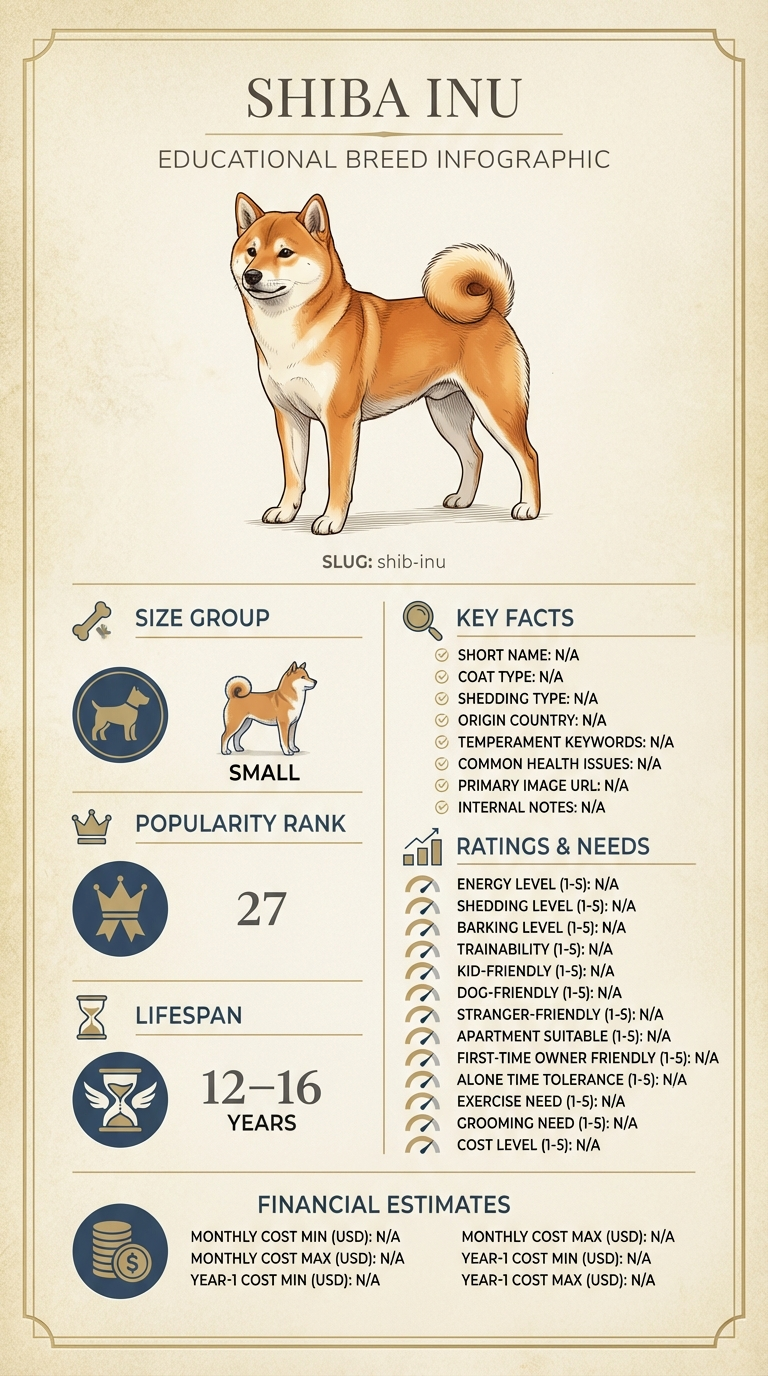
Typically, owners of Shibа Inus may struggle with kidney disease management, especially if they are first-time dog parents or lack experience with canine health issues.
This guide is not medical advice. If your dog shows pain, sudden behavior change, or worsening symptoms, consult a licensed veterinarian.
Some links may be affiliate links. We may earn a commission at no extra cost to you. We only suggest products we believe are helpful for dog owners.
Shibа Inu kidney disease is a serious health issue that can affect these small dogs as they age. Owners may notice signs like increased thirst, frequent urination, and lethargy. It's crucial to recognize these symptoms early to manage the condition effectively.
Kidney disease is relatively common in Shibа Inus, especially in older dogs. Many owners may not be aware of the risk until they see symptoms, making it essential to understand this health concern.
Shibа Inus can be predisposed to kidney disease due to genetic factors. Some lines may inherit conditions that affect kidney function, making them more susceptible as they age. Additionally, their small size may contribute to a higher risk of kidney-related issues.
Environmental factors can also play a significant role. Poor diet, dehydration, and exposure to toxins can all lead to kidney problems. Stress and lack of regular veterinary care may worsen these conditions, leading to progressive kidney disease.
If your Shibа Inu shows signs of anxiety or stress due to kidney disease, consider consulting a trainer. They can help with behavioral modifications and techniques to ease anxiety, particularly during vet visits.
If you notice symptoms like excessive thirst, frequent urination, weight loss, or a change in appetite, it's essential to consult your vet. Early intervention is crucial for managing Shibа Inu kidney disease effectively.
Managing Shibа Inu kidney disease typically takes several months of consistent care and monitoring. Initial improvements may be seen within 4 to 8 weeks after implementing dietary changes and treatments.
Success means stabilizing your Shibа Inu's condition and improving their quality of life. This can include a reduction in symptoms, maintaining a healthy weight, and a stable blood panel over time.
Avoiding certain behaviors can help manage your Shibа Inu's kidney disease better. Here are some common mistakes dog owners make and safer alternatives.
Emergency signs include severe lethargy, vomiting, and loss of appetite. If your Shibа Inu shows these symptoms, especially if accompanied by diarrhea or difficulty breathing, call your vet immediately. Additionally, any changes in urination, such as straining to urinate or blood in the urine, should be treated as urgent.
On the other hand, milder symptoms can often be managed at home with a proper plan. For instance, slight changes in drinking habits or occasional vomiting may not warrant an emergency visit but should still be monitored closely. Keeping track of your dog's behavior and health can help you identify any changes that may require attention.
If you're unsure whether a symptom is serious, it’s always better to err on the side of caution. Regular vet check-ups for your Shibа Inu can also assist in early detection of kidney disease, allowing for timely interventions. Always consult with your vet if you're concerned about your dog's health.
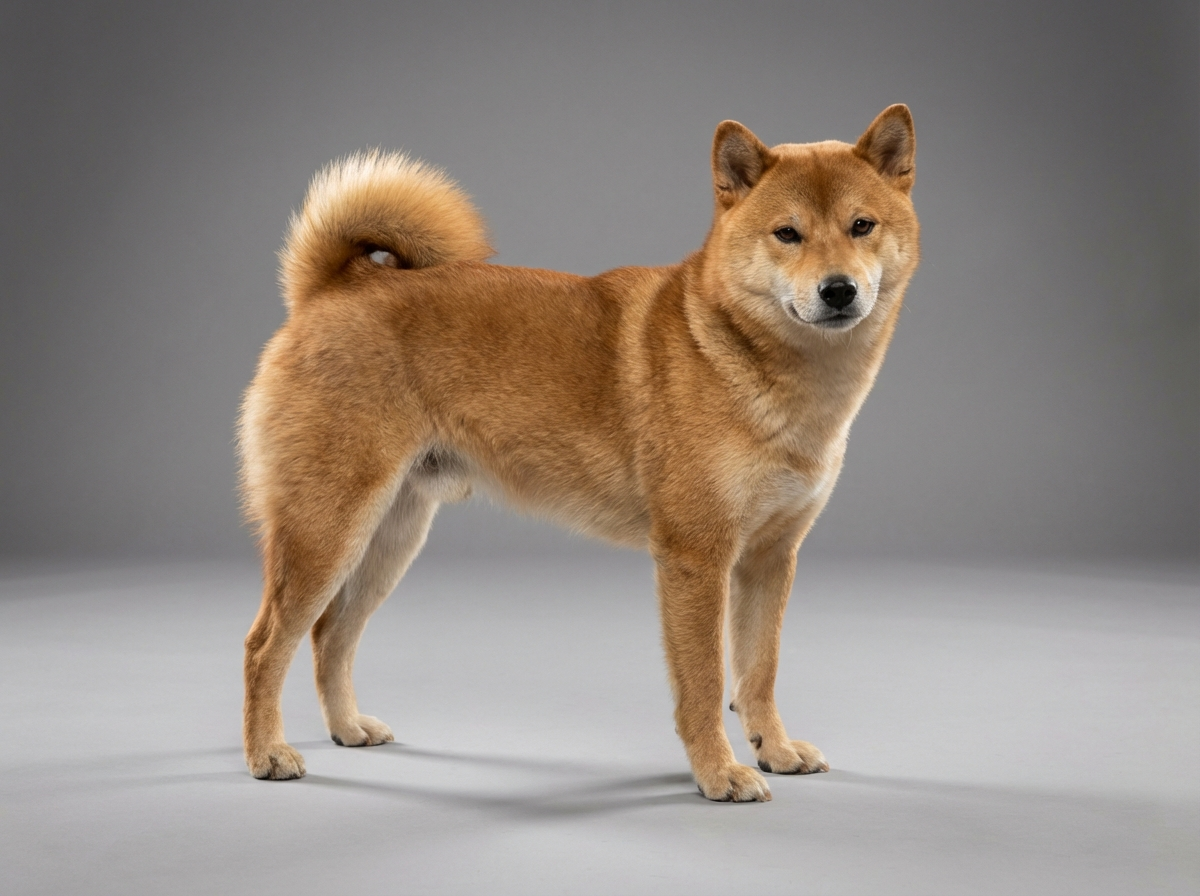
Emily, a devoted dog mom living in a bustling city, noticed Kiko, her 5-year-old Shibа Inu, was drinking excessive water and had lost weight. After a vet visit, she learned that he had early-stage kidney disease. Feeling overwhelmed, she researched how to stop Shibа Inu kidney disease. With her vet's help, she started Kiko on a special diet and regular check-ups. At first, it was tough—Kiko resisted the new food. But after some patience and a few tricks to make meals more appealing, he adjusted. Within a month, he regained some weight and energy. Emily was relieved and felt hopeful as they continued monitoring Kiko's health together.
Key takeaway: With the right diet and consistent veterinary care, you can manage Shibа Inu kidney disease effectively. Patience and persistence are key to helping your furry friend improve.
Shibа Inus can develop kidney disease due to a variety of factors, including genetics, age, and diet. Regular vet check-ups are essential for early detection. Keeping an eye on symptoms like increased thirst and urination can help you catch issues early.
While you can't prevent kidney disease entirely, you can reduce the risk by providing a balanced diet and ensuring regular vet visits. Hydration is crucial, so encourage your Shibа Inu to drink water frequently. Regular exercise and maintaining a healthy weight also contribute to kidney health.
Common signs of kidney disease include increased thirst, more frequent urination, weight loss, and lethargy. If you notice any of these signs, consult your vet immediately for tests and advice on management. Early detection can make a significant difference.
Yes, dogs with kidney disease often benefit from a special diet that is lower in protein and phosphorus. Consult your vet to find a suitable diet plan that meets your Shibа Inu's health needs and preferences. Diet adjustments can help manage their condition effectively.
Training can help keep your Shibа Inu mentally stimulated and reduce stress, which can be beneficial for overall health. However, you should focus on gentle and low-impact activities. Always consult with your vet before starting any new training regimen.
Early signs of kidney disease in Shibа Inus can include increased thirst and urination, weight loss, and decreased appetite. If you notice these symptoms, it’s important to consult your vet for a thorough examination.
Yes, a specially formulated diet can help manage kidney disease in your Shibа Inu. Low-protein and low-phosphorus foods are often recommended, but always discuss dietary changes with your vet to find the best option.
If your Shibа Inu shows any signs of kidney disease or if they have a history of health issues, you should see a vet immediately. Regular check-ups are also key for early detection, especially as they age.
Kidney disease can have a hereditary component in Shibа Inus, so it's essential to know their family history. Responsible breeding practices can help reduce the risk of genetic health issues.
Treatments for Shibа Inu kidney disease may include dietary management, medications to control symptoms, and in some cases, fluid therapy. Working closely with your vet will help determine the best approach for your dog.
Ensure your Shibа Inu stays hydrated and follows a vet-recommended diet. Regular check-ups can help monitor kidney function and catch issues early.
Manage kidney disease with a special diet, increased water intake, and regular vet visits to monitor their condition. Keep their environment calm and stress-free.
If your Shibа Inu shows signs like increased thirst or lethargy, contact your vet right away. Early treatment can significantly improve their quality of life.