Behavior
What are some quick tips for Shibа Inu hip dysplasia prevalence?
Maintain a healthy weight, provide low-impact exercises, and consult your vet for joint supplements. Regular check-ups can catch problems early.
Shibа Inu hip dysplasia prevalence is a significant concern for many owners. This condition can lead to pain and mobility issues in your pet, affecting their quality of life.
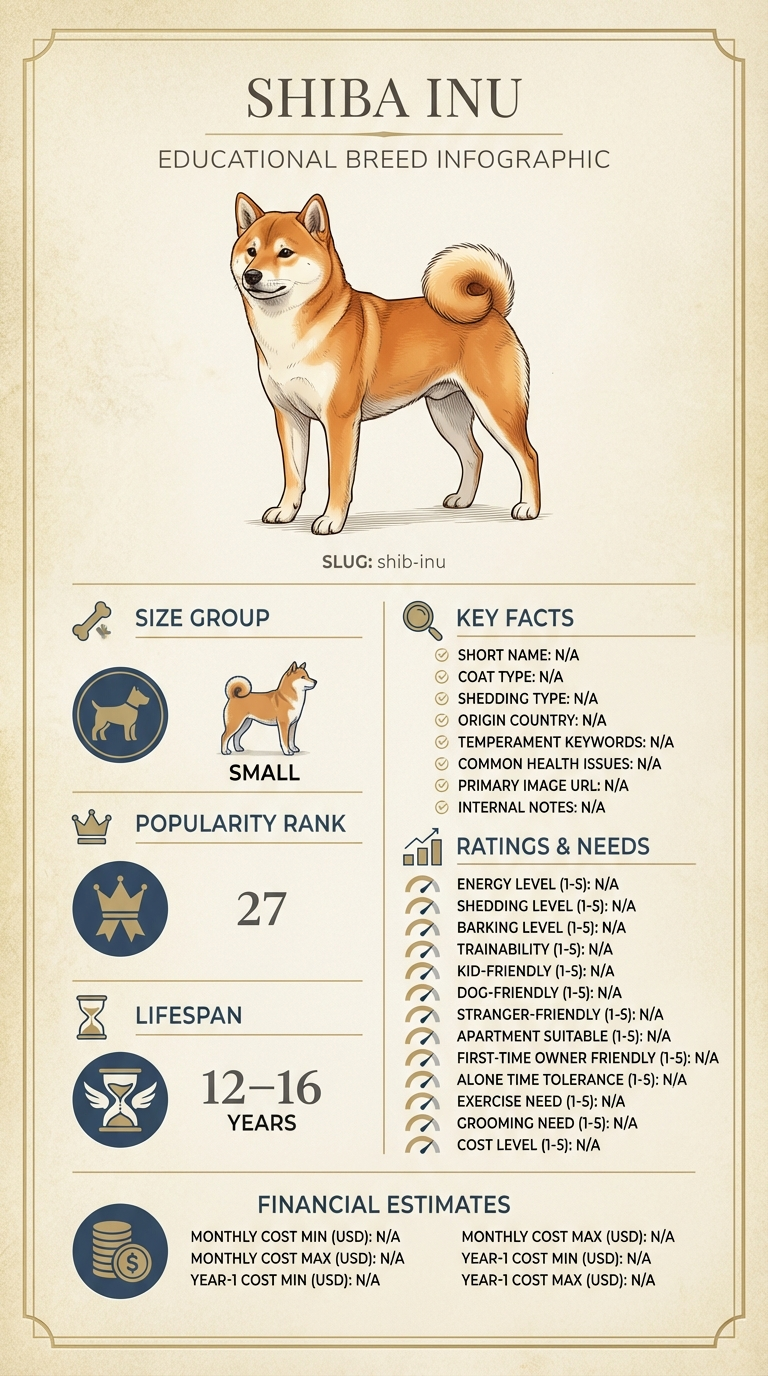
Typically, new Shibа Inu owners or those who don't have experience with this breed may struggle with recognizing and managing hip dysplasia. Additionally, dog owners who prioritize physical activity for their pets might find it challenging when their dog shows signs of discomfort or decreased mobility.
This guide is not medical advice. If your dog shows pain, sudden behavior change, or worsening symptoms, consult a licensed veterinarian.
Some links may be affiliate links. We may earn a commission at no extra cost to you. We only suggest products we believe are helpful for dog owners.
Shibа Inus can be prone to hip dysplasia, a condition where the hip joint doesn't fit into the hip socket properly. This can lead to pain, arthritis, and mobility issues. Owners may notice their Shibа Inu limping, difficulty climbing stairs, or reluctance to play. These signs can vary in severity and may appear as early as six months old.
Hip dysplasia prevalence in Shibа Inus is a significant concern, with studies suggesting that around 10-15% of this breed may be affected. While this isn't the highest rate compared to larger breeds, it's still important for potential owners to be aware and proactive.
Shibа Inus can be prone to hip dysplasia due to their genetic makeup. This condition is often inherited, meaning it can run in their family lines. Breeds like the Shibа Inu may have a higher chance of developing this issue if they come from parents with hip problems.
Environmental factors can also contribute to hip dysplasia in Shibа Inus. Overweight dogs, for example, place extra stress on their joints. Additionally, a lack of proper exercise or too much jumping can exacerbate hip issues.
If your Shibа Inu shows signs of discomfort or struggles with mobility, consider consulting a professional trainer. They can help create a tailored exercise plan that suits your dog's needs without risking further injury.
It's important to talk to your vet if you notice any symptoms of hip dysplasia, such as limping or difficulty getting up. They can provide a proper diagnosis and recommend treatment options, which may include medication or surgery.
You can expect to see improvements in your Shibа Inu's mobility and comfort within 3 to 6 months of consistent care and training.
Success means your Shibа Inu can move freely without obvious pain, enjoys playtime, and participates in daily activities with enthusiasm.
Avoid these common mistakes to help manage Shibа Inu hip dysplasia prevalence effectively.
Understanding when Shibа Inu hip dysplasia prevalence becomes an emergency is essential for your dog's health. There are specific signs to look for that indicate immediate veterinary attention is needed. If your Shibа Inu shows any of these red-flag symptoms, don't hesitate to call your vet right away.
Firstly, if your dog is experiencing severe pain, like whimpering or refusing to walk, it’s crucial to get help. Sudden inability to use a leg or noticeable swelling in the hip area are also urgent signs. Additionally, if your Shibа Inu is having difficulty breathing, this could indicate complications that require immediate care.
On the other hand, if your dog is showing mild symptoms—like slight limping after play or occasional difficulty getting up from a resting position—you can monitor the situation. In these cases, keep an eye on their activity levels and behavior. It may help to note any changes in their energy or mobility over a few days. A gentle walk and some rest can be beneficial, but if symptoms persist, consult with your vet for a thorough evaluation.
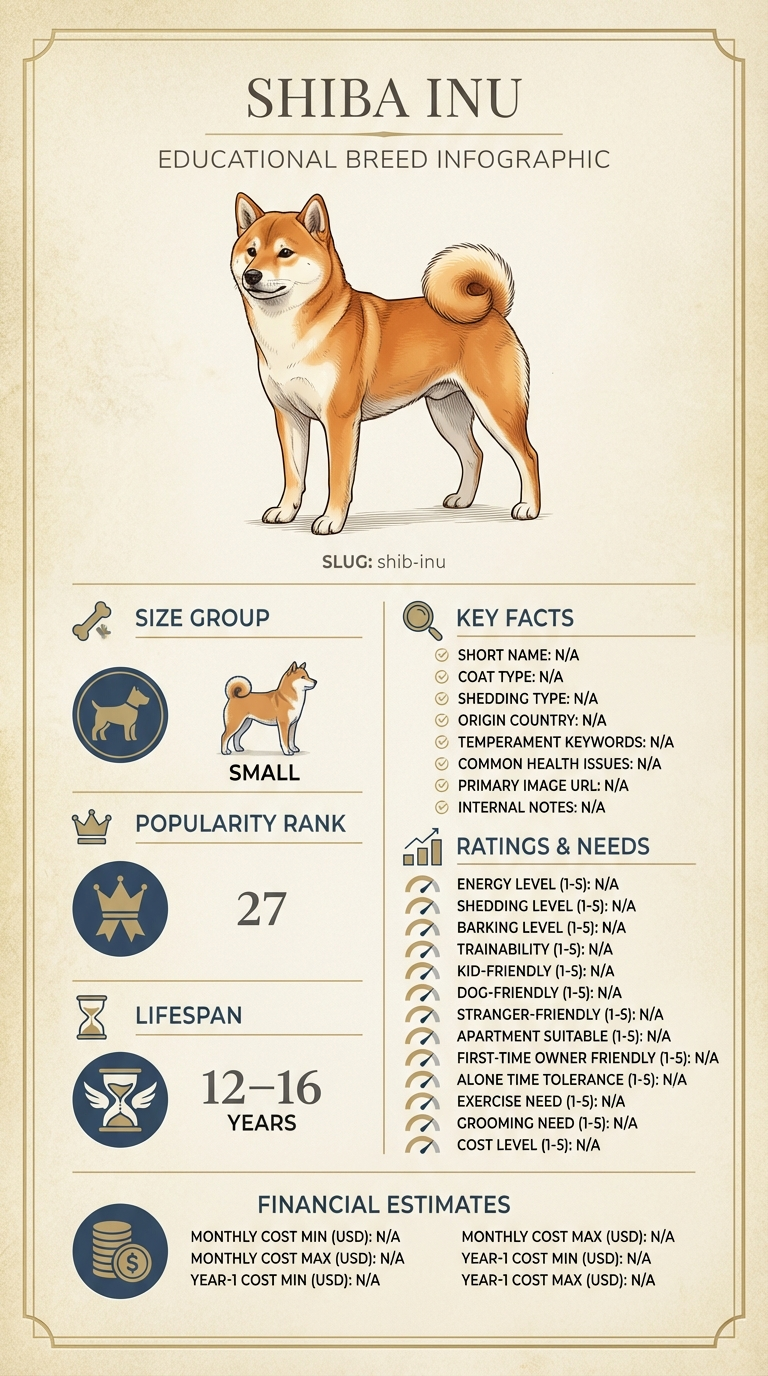
Lisa, a first-time dog owner, noticed her Shibа Inu, Kiko, limping after play sessions. Concerned, she researched Shibа Inu hip dysplasia prevalence and spoke with her vet, who confirmed her fears. Determined to help Kiko, Lisa committed to a regimen of gentle exercises, weight management, and joint supplements. Over time, she adjusted Kiko's diet and incorporated short, fun walks instead of intense play. After six months, Lisa celebrated Kiko's improved mobility and overall happiness, showing that with the right approach, progress is achievable.
Key takeaway: With dedication and the right strategies, you can effectively manage hip dysplasia in your Shibа Inu, leading to a happier, healthier life.
Shibа Inus can inherit hip dysplasia from their parents, making it important to choose a reputable breeder. Additionally, factors like rapid growth, obesity, and lack of exercise can contribute to the development of hip dysplasia. Regular vet check-ups and monitoring your dog's weight can help manage their health.
To help a Shibа Inu with hip dysplasia, focus on maintaining a healthy weight and providing low-impact exercises. Swimming and gentle walks are excellent options. Consult your vet for a tailored exercise plan and consider joint supplements to support their hips.
Signs of hip dysplasia in Shibа Inus may include difficulty getting up, limping, or reluctance to jump or climb stairs. You might also notice decreased activity or a change in their playfulness. If you see these behaviors, it's crucial to schedule a vet appointment.
While training won't eliminate hip dysplasia, it can help manage your dog’s weight and improve muscle strength around the hips. Positive reinforcement training can encourage gentle exercise and better overall fitness, which can be beneficial for dogs with hip issues.
Surgery might be an option for severe cases of hip dysplasia in Shibа Inus, especially if they're in pain. Your vet can evaluate the severity and recommend the best course of action. However, many dogs can lead comfortable lives with proper management and lifestyle changes.
Common signs of hip dysplasia in Shibа Inus include difficulty getting up, reluctance to jump or run, and a noticeable limp. You may also notice decreased activity or signs of discomfort when moving. If you see these symptoms, it's important to consult your vet.
While hip dysplasia can have genetic factors, maintaining a healthy weight and providing proper exercise can help reduce the risk. Regular vet check-ups and monitoring your dog's activity level are also important. Early intervention can make a significant difference.
Managing hip dysplasia involves a combination of weight management, appropriate exercise, and possibly medications or supplements. Your vet may recommend joint supplements or physical therapy to improve your dog's mobility. Always follow your vet's advice for the best results.
Yes, hip dysplasia can become more apparent as Shibа Inus age. Symptoms may worsen over time, leading to increased pain and mobility issues. Regular vet visits can help monitor the condition and adjust treatment as needed.
Long-term care for a Shibа Inu with hip dysplasia may include weight management, tailored exercise plans, and regular check-ups to monitor joint health. Pain management options, like medications or alternative therapies, can help improve your dog’s quality of life. Be proactive and stay informed about your dog's needs.
Maintain a healthy weight, provide low-impact exercises, and consult your vet for joint supplements. Regular check-ups can catch problems early.
Aim for short, frequent walks rather than long ones. Activities like swimming can be beneficial without putting too much strain on their joints.
Look for high-quality dog food that supports joint health. Consult your vet for specific recommendations tailored to your dog's needs.
Yes, avoid high-impact activities like jumping or running on hard surfaces. Stick to gentler exercises to protect their hips.
Consider online courses or local classes focused on positive reinforcement training to help your Shibа Inu stay fit and healthy.