Behavior
What should I do if my Shibа Inu is overheating?
Move your Shibа Inu to a cool area, provide fresh water, and use a damp cloth to cool their body. Monitor them closely for any signs of distress.
Shibа Inus can struggle with heat sensitivity, putting them at risk for heatstroke. (Shibа Inu heat sensitivity)
Owners of Shibа Inus, especially those living in warmer climates or who enjoy outdoor activities during the summer, often face challenges with their dog's heat sensitivity. Understanding this issue is crucial for keeping their pets safe and healthy.
This guide is not medical advice. If your dog shows pain, sudden behavior change, or worsening symptoms, consult a licensed veterinarian.
Some links may be affiliate links. We may earn a commission at no extra cost to you. We only suggest products we believe are helpful for dog owners.
Shibа Inus are known for their heat sensitivity, which can manifest in various ways. On hot days, they may become lethargic, refuse to eat, or seek out cool surfaces. This breed is particularly vulnerable to heatstroke, as they struggle to regulate their body temperature in high heat conditions.
Heat sensitivity is a common issue for Shibа Inus, especially given their thick double coats. Many owners observe their dogs becoming uncomfortable in warm environments, requiring extra care during summer months.
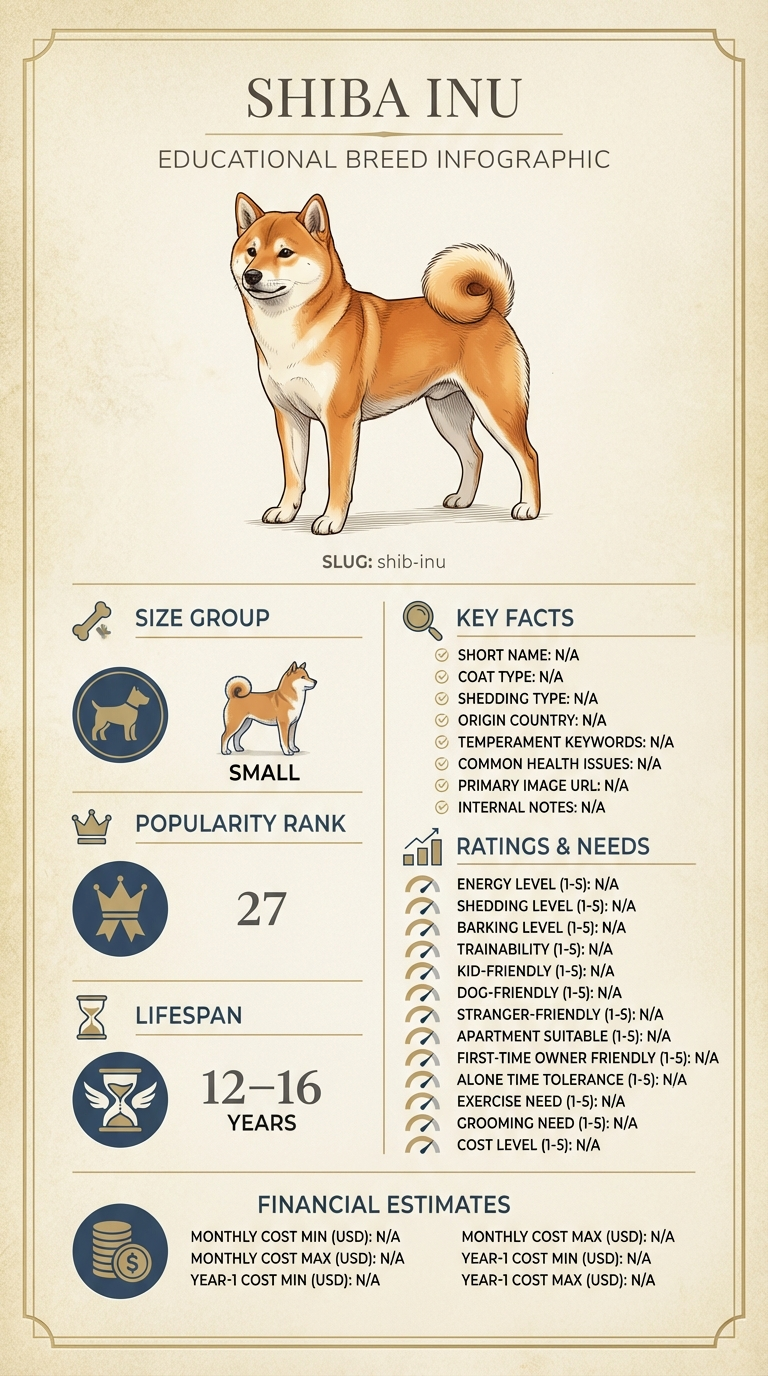
Shibа Inus are small dogs with thick double coats that can trap heat. This breed was developed in colder climates, making them less tolerant of high temperatures. Additionally, their short muzzles can make breathing more difficult in heat, increasing the risk of overheating.
Heat sensitivity can be exacerbated by environmental factors like high humidity, lack of shade, or inadequate ventilation. If your Shibа Inu is confined to a small space without cool air or water, they may struggle even more. Overexertion during walks or playtime in hot weather can quickly lead to heat exhaustion.
If your Shibа Inu continues to struggle with heat sensitivity despite your efforts, consider consulting a dog trainer. They can provide personalized training strategies to help your dog cope better in warmer conditions.
If your Shibа Inu shows signs of heatstroke, such as vomiting, confusion, or unresponsiveness, contact your vet immediately. Regular check-ups can also help assess your dog’s overall health and heat tolerance.
Expect to see improvements in your Shibа Inu's heat sensitivity within a few weeks of consistent training and environmental adjustments.
Success means your Shibа Inu can enjoy outdoor activities during cooler parts of the day without showing excessive signs of discomfort or anxiety.
Avoid these common mistakes that can worsen your Shibа Inu's heat sensitivity and delay improvement.
Red flags that mean you should call your vet immediately include:
- **Excessive panting or drooling:** If your Shibа Inu is panting heavily or drooling more than usual, this could indicate overheating. - **Lethargy or weakness:** If your dog seems unusually tired or cannot stand, this is a serious concern. - **Vomiting or diarrhea:** Sudden digestive issues, especially if accompanied by other symptoms, warrant immediate attention. - **Rapid heart rate or breathing:** An elevated heart rate or difficulty breathing can indicate heatstroke, and you should seek help right away.
On the other hand, you can watch and wait in these milder scenarios:
- **Mild panting:** If your dog is panting but still responsive and active, they may just need a break from the heat. - **Increased thirst:** If your Shibа Inu is drinking more water but not showing other signs of distress, keep them hydrated and cool. - **Slightly elevated body temperature:** If you suspect your dog is warm but not showing severe symptoms, monitor them closely and keep them in a cooler environment.
In summary, understanding the signs of heat sensitivity can save your Shibа Inu's life. Always err on the side of caution and consult your veterinarian if you're unsure about any symptoms.
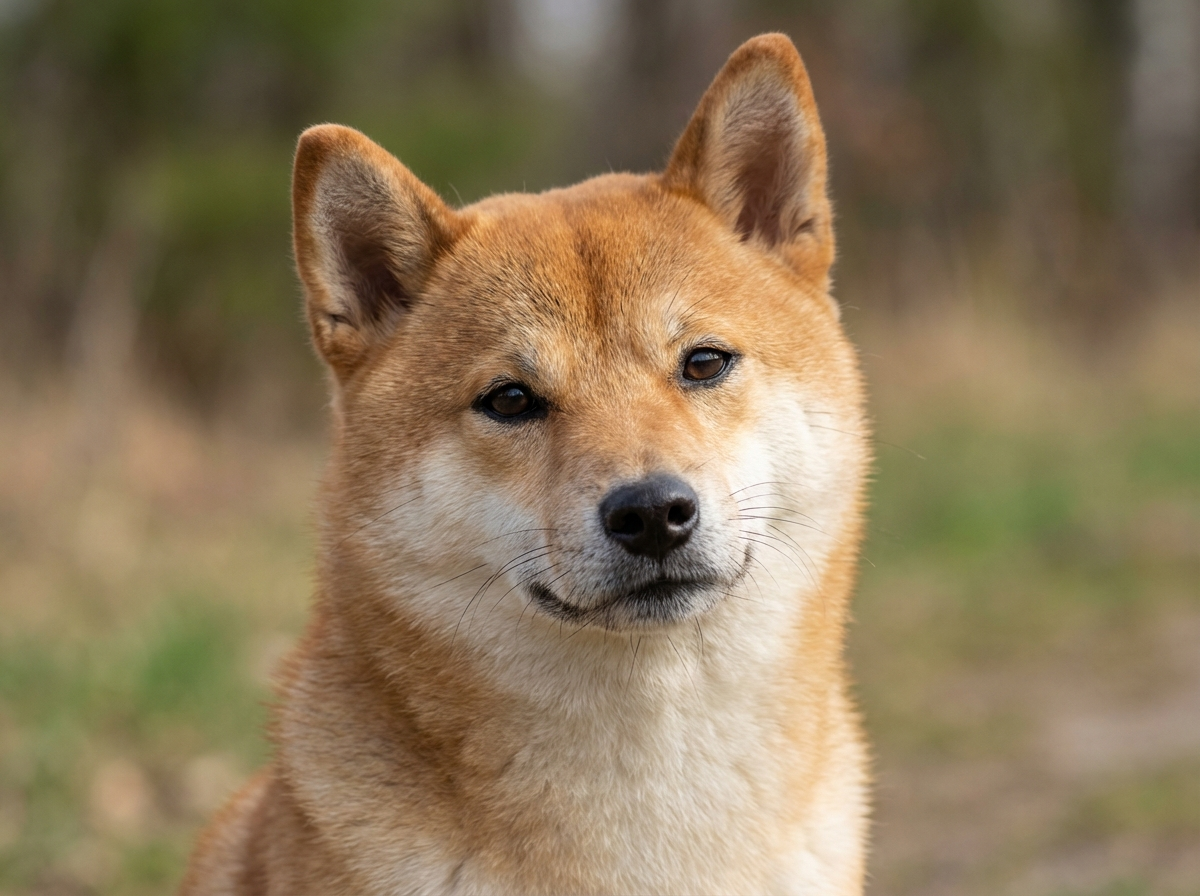
Maya, a busy graphic designer in Phoenix, noticed that her Shibа Inu, Hoshi, struggled during the hot summer months. Every time they went for a walk, Hoshi would lag behind, panting heavily and refusing to move. Concerned, Maya researched how to stop Shibа Inu heat sensitivity and learned that adjusting walk times and training Hoshi to recognize heat cues were crucial. She started walking Hoshi in the early mornings and late evenings, when temperatures were cooler. Additionally, she created a shaded spot in their backyard with a kiddie pool for Hoshi to cool off. After a few weeks, Hoshi was more active and seemed happier during their outings, even learning to come inside when it got too hot.
Key takeaway: With patience and the right adjustments, you can effectively manage your Shibа Inu's heat sensitivity, allowing them to enjoy outdoor fun safely.
Shibа Inus are a small breed that originates from colder climates, making them less tolerant of extreme heat. Their thick double coats can trap heat, increasing the risk of heat-related issues. It's essential to monitor their environment and take steps to keep them cool.
Signs of overheating include excessive panting, drooling, lethargy, and even vomiting. If your Shibа Inu's gums appear bright red or if they seem disoriented, it's crucial to cool them down immediately. Providing water and a shaded area can help.
To prevent heat sensitivity, keep your Shibа Inu indoors during the hottest parts of the day and ensure they have plenty of fresh water. You can also use fans or air conditioning to help regulate the temperature. Regular breaks during walks can also be beneficial.
Yes, training your Shibа Inu to recognize cool areas or to stop and rest during walks can help. You can also practice commands that encourage them to find shade or water when they seem uncomfortable. Consistent training can make a significant difference.
Cooling vests, mats, and portable water bowls can be great investments for your Shibа Inu. These products can help regulate their body temperature and make outings more comfortable. Look for items designed specifically for small breeds.
If your Shibа Inu is panting excessively or seems lethargic in warm weather, it's important to cool them down immediately. Move them to a shaded or air-conditioned area, offer water, and monitor their behavior closely. If symptoms persist, contact your vet.
Yes, older Shibа Inus may have a tougher time regulating their body temperature. As they age, their ability to cope with heat can decrease, making them more susceptible to heat-related issues. Keep a close eye on your senior dog's comfort during warmer months.
Shibа Inus are naturally bred for cooler climates, which can make them more sensitive to heat. Their thick double coat can trap heat, leading to discomfort. Understanding this trait can help you manage their environment better.
Training your Shibа Inu to handle heat involves gradual exposure to warmer temperatures while monitoring their comfort level. Start with short outdoor sessions during cooler parts of the day and reward them for calm behavior. Always prioritize their safety and well-being.
Signs of heatstroke in Shibа Inus include excessive panting, drooling, weakness, and disorientation. If you notice these symptoms, it's crucial to act quickly by cooling them down and contacting your vet. Early intervention can save your dog's life.
Move your Shibа Inu to a cool area, provide fresh water, and use a damp cloth to cool their body. Monitor them closely for any signs of distress.
Limit outdoor activities during peak heat hours and ensure they have access to shade and water at all times.
Be cautious and avoid walking them during high temperatures. Early mornings or late evenings are the best times for walks.
Yes, if not managed properly, heat sensitivity can lead to heatstroke, which is a serious condition requiring immediate veterinary attention.
Keep them indoors during heat waves, provide plenty of water, and consider using cooling products designed for dogs.