Behavior
What are quick tips for managing Shibа Inu heart problems?
Monitor your Shibа Inu's diet and weight, provide regular vet check-ups, and ensure they get gentle exercise. Keep stress levels low and avoid extreme temperatures.
Shibа Inu heart problems can be a serious concern for owners. These issues include conditions like subvalvular aortic stenosis and cardiomyopathy, which can affect your dog's quality of life.
This issue often affects first-time dog owners or those unfamiliar with breed-specific health concerns. It can be particularly challenging for busy families or individuals who may not notice changes in their pet's behavior right away.
This guide is not medical advice. If your dog shows pain, sudden behavior change, or worsening symptoms, consult a licensed veterinarian.
Some links may be affiliate links. We may earn a commission at no extra cost to you. We only suggest products we believe are helpful for dog owners.
Shibа Inus can suffer from various heart problems, including subvalvular aortic stenosis and cardiomyopathy. These conditions can lead to symptoms like fatigue, coughing, and difficulty breathing, which can affect their quality of life. Owners may notice their Shibа Inu becoming less active or showing signs of distress during exercise.
Heart problems are relatively common in Shibа Inus, particularly as they age. Regular vet check-ups can help catch these issues early, making it essential for owners to stay vigilant.
Shibа Inus can be prone to heart problems due to genetic factors. Conditions like subvalvular aortic stenosis and cardiomyopathy are more common in this breed. These issues can lead to decreased heart function and other health complications.
Environmental factors can also contribute to heart problems in Shibа Inus. Lack of exercise, obesity, and stress can exacerbate existing heart conditions. A poor diet and inadequate veterinary care further increase health risks.
If your Shibа Inu shows signs of anxiety or behavioral issues related to heart problems, consider hiring a trainer. A professional can help with training techniques that calm your dog and improve their overall well-being.
Consult your vet if you notice symptoms like coughing, lethargy, or difficulty breathing. Regular health check-ups are crucial for early detection of heart issues. Don’t hesitate to seek veterinary advice if you’re concerned about your Shibа Inu’s heart health.
Addressing Shibа Inu heart problems can take several months. Regular vet visits and consistent care can lead to noticeable improvements within 3 to 6 months.
Success in managing Shibа Inu heart problems means your dog shows increased energy, improved appetite, and a more stable heart condition. Regular check-ups should reflect positive changes.
Avoiding common pitfalls can help improve your Shibа Inu's heart health. Here are some mistakes to avoid, along with safer alternatives.
Heart problems in your Shibа Inu can be serious. It's crucial to know when to call your vet immediately versus situations that can be monitored over time. Understanding these signs can save your dog's life.
**Emergency Signs:** If your Shibа Inu shows any of these symptoms, contact your vet right away: - Difficulty breathing or rapid panting - Persistent coughing, especially if it’s worse at night - Fainting or collapsing - Sudden lethargy or weakness - Swelling in the abdomen or limbs These symptoms could indicate severe heart issues, and timely intervention is essential.
**Monitor at Home:** If your Shibа Inu exhibits mild symptoms like occasional coughing or slight fatigue after play, it’s usually safe to monitor them. Here’s what to watch for: - Mild coughing that doesn’t worsen - Slight tiredness after exercise, but normal behavior otherwise - No changes in appetite or drinking habits Create a plan with your vet to keep an eye on these signs. Regular check-ups can also help catch any issues early.
Remember, your dog's health is paramount. If you're ever unsure about their condition, it’s better to err on the side of caution and consult your vet. Keeping track of your Shibа Inu's behavior and health can help spot problems before they escalate.
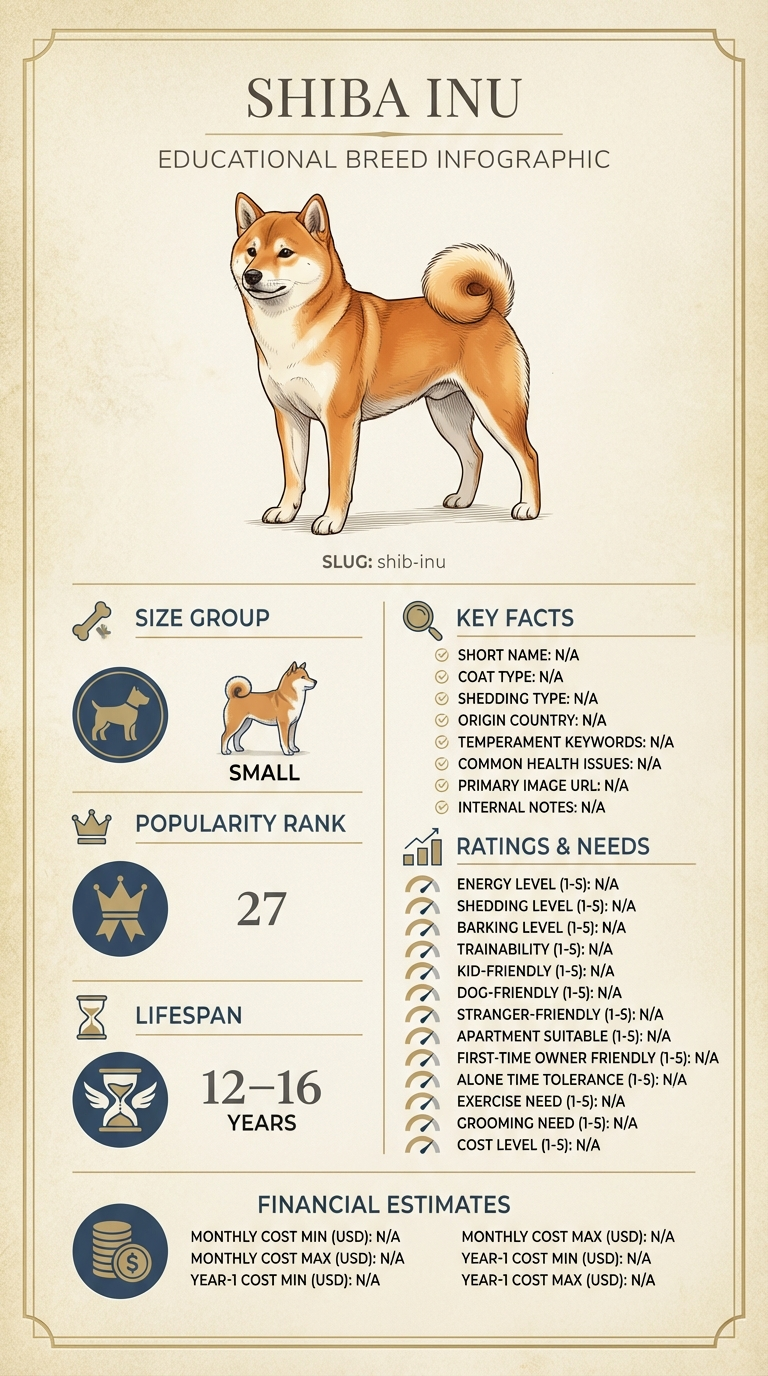
Sarah, a devoted Shibа Inu owner, noticed her dog Max was unusually lethargic and struggling to keep up during walks. Concerned, she took him to the vet, who diagnosed him with subvalvular aortic stenosis. After researching how to stop Shibа Inu heart problems, Sarah committed to a treatment plan, including medication, a special diet, and regular vet check-ups. Over time, Max started showing more energy and enthusiasm, gradually returning to his playful self. Sarah's dedication not only helped Max but also deepened their bond as they navigated this health challenge together.
Key takeaway: Early detection and a proactive approach are crucial in managing Shibа Inu heart problems. Consistent care can lead to significant improvements in your dog's quality of life.
Shibа Inu heart problems can be due to genetic factors or underlying health issues. Conditions like subvalvular aortic stenosis and cardiomyopathy are common in this breed. Regular vet check-ups are essential for early detection and management.
To help manage Shibа Inu heart problems, ensure your dog maintains a healthy weight and gets regular exercise. Consult your vet for a tailored diet plan and possible medications. Avoid over-exertion, especially in hot weather, to reduce stress on the heart.
Signs of heart problems in Shibа Inus include coughing, difficulty breathing, and lethargy. You might also notice a decreased appetite or swelling in the abdomen. If you see these symptoms, contact your vet immediately for an evaluation.
While training won't directly fix heart problems, it can help manage your dog's anxiety and stress levels, which can indirectly benefit their heart health. Incorporate calm, low-impact activities and positive reinforcement techniques during training. Always consult your vet before starting any new training routines.
Treatment for Shibа Inu heart problems may include medications to manage symptoms and improve heart function. Your vet might also recommend dietary changes and regular check-ups to monitor your dog's condition. In severe cases, surgery may be necessary.
Early signs of heart problems in a Shibа Inu can include coughing, fatigue, and difficulty breathing. You may also notice your dog being less active or having trouble with exercise. If you see these symptoms, it's essential to consult your vet.
Yes, older Shibа Inus can develop heart problems as they age. Conditions like cardiomyopathy become more prevalent in senior dogs. Regular veterinary check-ups are crucial to monitor their heart health.
Heart problems in Shibа Inus can be due to genetic factors or underlying health issues, not just inactivity. Even active dogs can develop conditions like subvalvular aortic stenosis. It's important to discuss any concerns with your veterinarian.
To help a Shibа Inu with heart problems, keeping them calm and minimizing stress is essential. A balanced diet and regular, gentle exercise may also benefit their condition. Always follow your vet's recommendations for care and medication.
If your Shibа Inu shows severe signs of heart problems, such as fainting or severe difficulty breathing, seek emergency veterinary care immediately. Early intervention can be crucial in managing heart conditions effectively.
Monitor your Shibа Inu's diet and weight, provide regular vet check-ups, and ensure they get gentle exercise. Keep stress levels low and avoid extreme temperatures.
It's best to schedule vet visits at least once a year, or more frequently if your Shibа Inu shows symptoms of heart issues. Early detection is key to managing heart problems.
Yes, a balanced diet can significantly impact your Shibа Inu's heart health. Consult your vet for recommendations on the best food choices for heart health.
Yes, Shibа Inus can be genetically predisposed to specific heart conditions. Regular check-ups can help catch any issues early.