Health
What are quick tips for managing Shibа Inu heart disease?
Regular vet check-ups, a heart-healthy diet, and low-stress environments are key. Monitor for symptoms like coughing or fatigue.
Shibа Inu heart disease can be a serious concern for dog owners. Understanding this issue is crucial for keeping your pet healthy and happy.
Typical owners facing this issue often include first-time Shibа Inu parents or those unaware of the breed's health predispositions. Many feel overwhelmed when their beloved pets show signs of illness.
This guide is not medical advice. If your dog shows pain, sudden behavior change, or worsening symptoms, consult a licensed veterinarian.
Some links may be affiliate links. We may earn a commission at no extra cost to you. We only suggest products we believe are helpful for dog owners.
Shibа Inu heart disease can manifest as lethargy, coughing, or difficulty breathing. Owners may notice their Shibа Inu tiring easily during walks or showing a lack of interest in play. These symptoms can be alarming and often lead to vet visits for diagnosis and treatment.
Heart disease in Shibа Inus is relatively common, particularly as they age. While not every dog will develop this condition, it’s essential for owners to be aware and proactive about their pet's heart health.
Shibа Inus are prone to certain heart conditions like dilated cardiomyopathy and heart murmurs. Genetics play a big role, as some breeds have inherited tendencies that can lead to these issues. Understanding these breed-specific risks can help owners be more vigilant.
Factors such as poor diet, lack of exercise, and stress can contribute to heart disease in Shibа Inus. An unhealthy lifestyle can exacerbate existing conditions. Additionally, environmental stressors, like loud noises or changes in routine, may also impact their heart health.
If your Shibа Inu displays anxiety or behavioral issues, consider consulting a trainer. A professional can help create a structured training plan to address their needs. This is especially useful if you notice signs of distress during certain activities.
If you notice symptoms like coughing, fatigue, or difficulty breathing, reach out to your vet immediately. Early diagnosis and intervention are crucial when dealing with heart disease. Regular check-ups are also recommended to monitor your dog's heart health.
It typically takes 1 to 3 months to see improvements in a Shibа Inu with heart disease after starting treatment and lifestyle changes.
Success means your Shibа Inu shows increased energy, improved appetite, and fewer symptoms like coughing or lethargy, allowing them to enjoy daily activities.
Avoid these common mistakes that can worsen Shibа Inu heart disease. Making better choices can help improve your dog’s health.
Recognizing when your Shibа Inu's heart disease is an emergency is crucial. Certain signs indicate you should call your vet immediately, while others may allow for monitoring at home. Understanding these differences can save your dog's life and give you peace of mind.
Red-Flag Signs: If your Shibа Inu shows any of the following symptoms, it's time to act fast. Sudden difficulty breathing, excessive coughing, fainting, or lethargy are serious indicators. If your dog is unable to exercise as usual or has a bluish tint to their gums, don’t hesitate to reach out to your veterinarian right away.
Mild Cases: On the other hand, some cases of heart disease can be monitored. If your Shibа Inu is experiencing mild fatigue, a slight cough, or occasional rapid breathing during rest, you may have time to watch and wait. Keeping track of these symptoms and scheduling regular vet check-ups can help you manage their heart health over time.
It’s important to remember that heart disease can progress, so staying attentive to your dog’s behavior is key. If you notice any changes or worsening symptoms, consult your vet for guidance.
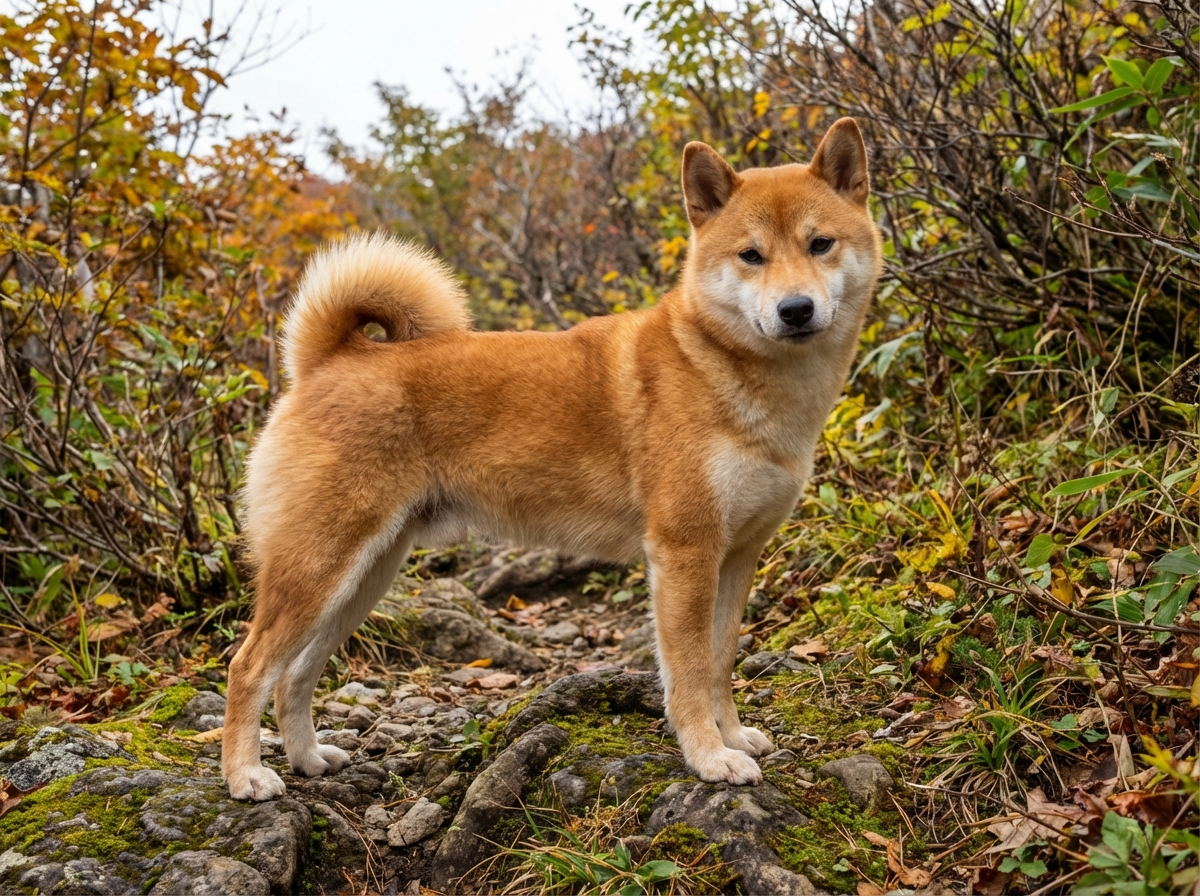
Rina, a busy nurse in San Diego, noticed that her Shibа Inu, Yuki, was becoming more lethargic and had a persistent cough. After a vet visit, she learned that Yuki had heart disease, which was a shock. Rina quickly followed the vet's advice, changing Yuki's diet, incorporating heart-healthy supplements, and engaging in gentle, regular exercise. Within a couple of months, Rina noticed Yuki playing more and even wagging his tail during walks. Rina learned to monitor Yuki's health closely and adjusted care as needed, creating a bond that was stronger than ever.
Key takeaway: With proper care and adjustments, a Shibа Inu with heart disease can still live a fulfilling life.
Shibа Inus can develop heart disease due to genetic factors, age, or lifestyle. Common issues include dilated cardiomyopathy and heart murmurs. Regular check-ups with a vet can help catch these problems early.
To manage heart disease in your Shibа Inu, ensure they have a balanced diet and regular exercise tailored to their condition. Consult your vet for medications or supplements that may help. Consistent monitoring is key.
Signs of heart disease include persistent coughing, difficulty breathing, fatigue, and a decreased appetite. If you notice these symptoms, schedule a vet appointment promptly for an evaluation.
While training won't cure heart disease, it can help manage anxiety and improve your dog's overall well-being. Gentle training sessions can provide mental stimulation without overexerting your Shibа Inu.
Provide a low-stress environment and maintain a consistent routine. Limit strenuous activities and focus on light walks and playtime. Always consult your vet about specific lifestyle adjustments.
Yes, a heart-healthy diet is crucial. Look for dog food with high-quality protein and low sodium. Your vet can recommend specific brands or home-cooked meal plans tailored for your Shibа Inu.
Seek immediate care if your Shibа Inu shows severe breathing difficulties, fainting, or sudden swelling in the abdomen. These can be signs of a serious condition requiring urgent attention.
Early signs of Shibа Inu heart disease may include lethargy, coughing, and difficulty breathing. If you notice these symptoms, it's essential to consult your vet promptly.
Yes, a balanced diet can help manage Shibа Inu heart disease. Foods rich in Omega-3 fatty acids and low in sodium are often recommended, but always check with your vet for personalized advice.
Some forms of heart disease in Shibа Inus may have a genetic component. Breeding practices can influence the likelihood of heart conditions, so it's crucial to choose a responsible breeder.
If your Shibа Inu shows signs of fatigue, increased heart rate, or unusual coughing, it’s time to visit the vet. Regular check-ups are also important for early detection of heart disease.
As Shibа Inus age, their risk of developing heart disease increases. Older dogs may exhibit more pronounced symptoms, making regular vet visits essential for monitoring their heart health.
Regular vet check-ups, a heart-healthy diet, and low-stress environments are key. Monitor for symptoms like coughing or fatigue.
Yes, but it should be light and consistent. Short walks and gentle play are beneficial without overexerting your dog.
Absolutely! Gentle training can provide mental stimulation and help with anxiety. Just keep sessions short and engaging.
Focus on high-quality dog food with low sodium and appropriate protein levels. Consult your vet for specific dietary recommendations.
Establish a calm environment, stick to a routine, and provide safe spaces for rest. Avoid sudden changes that may stress your pet.