Health
What are Shibа Inu heart conditions quick tips?
Keep your Shibа Inu's weight in check and ensure regular vet check-ups. Monitor for symptoms like coughing or fatigue to catch issues early.
Shibа Inu heart conditions can be serious and require attention from owners. Understanding these issues is crucial for your dog's well-being.
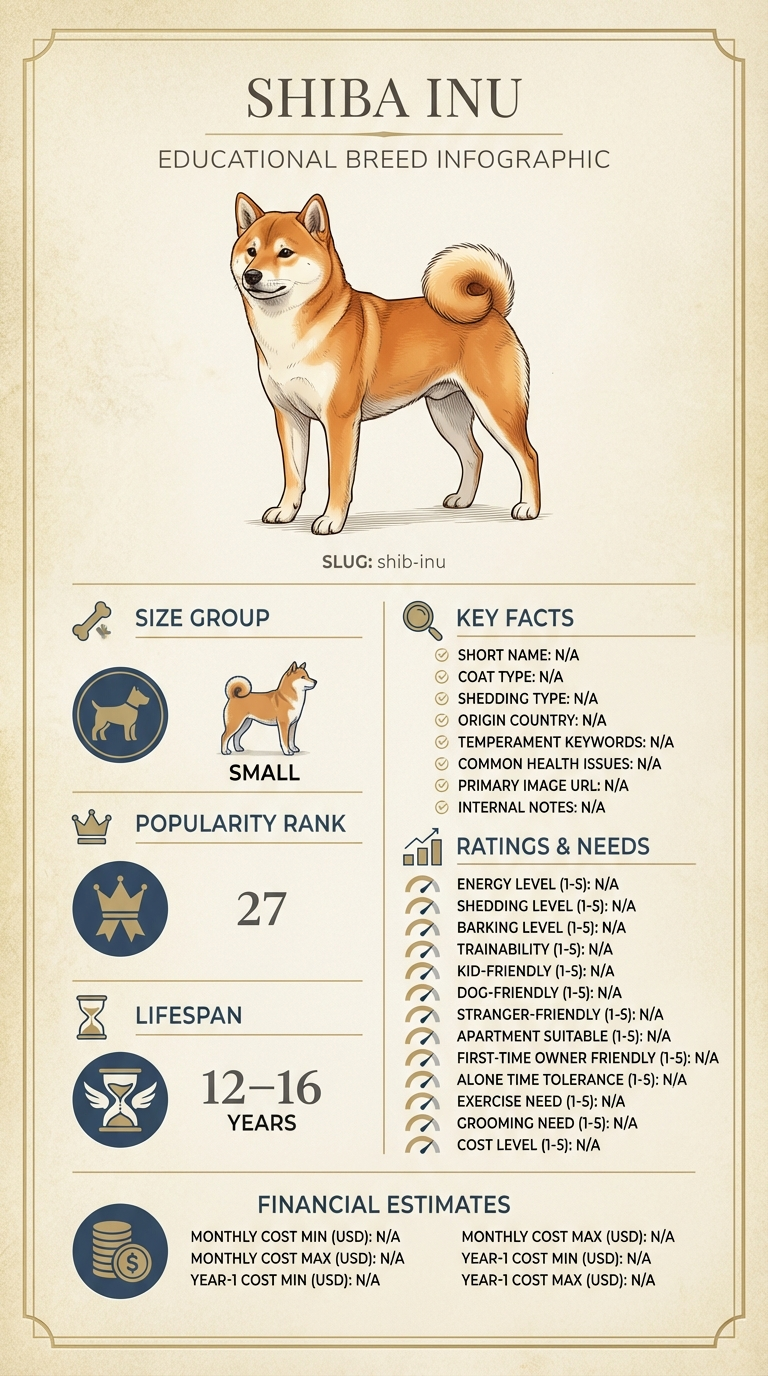
Owners of Shibа Inus, particularly those noticing their pets exhibiting symptoms like lethargy or coughing, often face challenges in managing these health concerns. New dog owners may feel overwhelmed when trying to understand the signs and what steps to take.
This guide is not medical advice. If your dog shows pain, sudden behavior change, or worsening symptoms, consult a licensed veterinarian.
Some links may be affiliate links. We may earn a commission at no extra cost to you. We only suggest products we believe are helpful for dog owners.
Shibа Inus are small, spirited dogs, but they can face serious heart conditions as they age. These cardiac issues often manifest through symptoms like coughing, difficulty breathing, and lethargy. Owners may notice their Shibа Inu struggling during playtime or showing unusual fatigue after walks, which can be alarming.
Heart conditions in Shibа Inus are relatively common, especially in older dogs. Regular veterinary check-ups can help catch these issues early, but many owners are surprised to learn that their Shibа Inu may be affected.
Shibа Inus are prone to certain heart conditions due to their genetic makeup. These small dogs can inherit conditions like mitral valve disease, which affects the heart's ability to pump blood efficiently. Being aware of these breed-specific risks is crucial for early detection and management.
Environmental factors can also contribute to heart issues in Shibа Inus. Stressful situations, such as frequent changes in routine or lack of physical activity, can exacerbate existing conditions. Additionally, poor diet and obesity can put extra strain on their hearts.
If your Shibа Inu shows signs of anxiety or stress that impacts their health, consider working with a professional trainer. They can provide strategies to help your dog feel more secure and less anxious in various situations.
It's important to consult your vet if you notice symptoms like coughing, fatigue, or trouble breathing in your Shibа Inu. These could indicate heart conditions that require medical attention. Regular vet visits are also essential for monitoring any existing heart issues.
You may start noticing improvements in your Shibа Inu's heart health within a few weeks to a couple of months after implementing changes in diet and exercise.
Success means your Shibа Inu exhibits increased energy levels, improved breathing, and a more vibrant overall demeanor. Regular vet check-ups show stable heart health.
Avoiding these common mistakes can help in managing your Shibа Inu's heart conditions more effectively.
Recognizing when your Shibа Inu's heart condition is an emergency can save their life. Look for signs that indicate immediate veterinary care is necessary. These red-flag symptoms include difficulty breathing, excessive coughing, sudden lethargy, or fainting episodes. If your dog shows any of these signs, don't hesitate—call your vet right away.
In contrast, some heart condition symptoms can be monitored at home. Mild cases may involve occasional coughing or slight fatigue during playtime. In these situations, create a plan for observation. Keep track of your dog's behavior and note any changes. Regular vet check-ups are crucial to ensure their heart health is stable and to adjust any treatments as needed.
It's essential to act quickly if you observe severe symptoms. Remember, being proactive can prevent serious health complications for your Shibа Inu. Always trust your instincts—if something feels off, it's better to be safe than sorry.
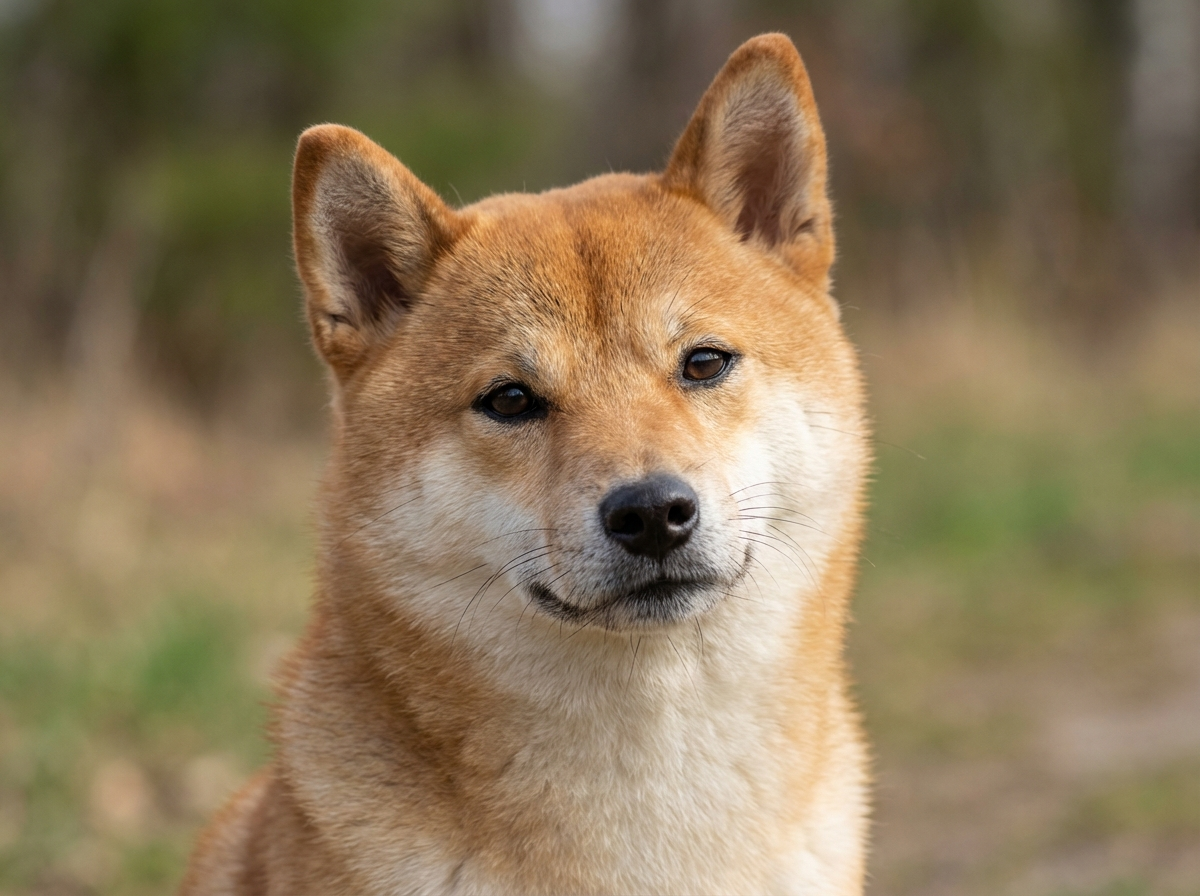
Sara, a first-time Shibа Inu owner, noticed her dog Yuki was often lethargic and had a persistent cough. Concerned about potential heart conditions, she took Yuki to the vet, who confirmed mild heart issues. After discussing a tailored diet and a gentle exercise routine, Sara committed to daily 15-minute walks and switched to a heart-healthy dog food. Over the next month, Yuki gradually regained energy, and his cough significantly reduced. Sara also learned to recognize signs of distress in her dog, which helped her feel more confident in managing Yuki's health.
Key takeaway: With proper care and attention, even dogs with heart conditions can lead happy, active lives. Regular vet visits and a balanced routine are key.
Shibа Inus can develop heart conditions due to genetics, age, and lifestyle factors. Regular vet check-ups are essential for early detection. If your dog shows signs of lethargy or difficulty breathing, consult your vet.
Managing a Shibа Inu with heart conditions includes a balanced diet, regular exercise, and monitoring their weight. Work with your vet to develop a suitable care plan. Medication may also be needed to manage symptoms.
Common symptoms include coughing, fatigue, and rapid breathing. If your Shibа Inu seems unusually tired or has difficulty exercising, it could be a sign of a heart issue. Always consult your vet for a thorough examination.
To prevent worsening heart conditions, maintain a healthy lifestyle for your Shibа Inu. This includes a nutritious diet, regular vet visits, and moderate exercise. Keep an eye on any changes in behavior or health.
Yes, training is crucial for a Shibа Inu with heart conditions. Positive reinforcement training can help manage stress and anxiety, which are important for their overall health. Short, gentle training sessions are ideal.
At home, ensure your Shibа Inu has a comfortable, stress-free environment. Provide healthy treats and engage in light activities that they enjoy. Always follow your vet's advice on diet and exercise.
Yes, diets low in sodium and rich in omega-3 fatty acids can benefit Shibа Inus with heart conditions. Consult your vet for tailored dietary recommendations to support your dog’s heart health.
Common signs of heart conditions in Shibа Inus include coughing, difficulty breathing, fatigue, and a decrease in activity levels. If you notice these symptoms, it's crucial to consult a vet promptly to assess your dog's heart health.
Yes, certain heart conditions can be hereditary in Shibа Inus. It's important to choose a reputable breeder who screens for genetic health issues to minimize the risk of inherited heart problems.
A balanced diet rich in omega-3 fatty acids and low in sodium can support heart health in Shibа Inus. Consulting with a veterinarian about dietary options tailored for heart conditions is a good practice.
If your older Shibа Inu shows any signs of lethargy, coughing, or difficulty breathing, it's time to visit the vet. Regular check-ups become more critical as dogs age, especially to monitor heart health.
Treatment options for Shibа Inu heart conditions may include medication, dietary changes, and in some cases, surgery. Your vet will recommend the best course of action based on the specific condition and severity.
Keep your Shibа Inu's weight in check and ensure regular vet check-ups. Monitor for symptoms like coughing or fatigue to catch issues early.
Use positive reinforcement techniques and keep training sessions short and fun. Focus on low-impact activities to avoid overexertion.
Provide a balanced diet, ensure regular but gentle exercise, and minimize stress in their environment. Regular vet visits are also key.
If you notice symptoms like coughing, lethargy, or difficulty breathing, take your Shibа Inu to the vet immediately. Early detection is crucial.


