Behavior
What are quick tips for managing Shibа Inu elbow dysplasia?
Focus on a balanced diet and monitor your dog's weight to reduce stress on the joints. Gentle exercises like swimming can also be beneficial.
Shibа Inu elbow dysplasia can lead to joint pain and mobility issues. Understanding this condition is crucial for your dog's health.
Owners of Shibа Inus, especially those with active lifestyles or young dogs, may find themselves facing elbow dysplasia. This condition can be particularly challenging for first-time dog owners who may not recognize the signs or know how to manage the situation.
This guide is not medical advice. If your dog shows pain, sudden behavior change, or worsening symptoms, consult a licensed veterinarian.
Some links may be affiliate links. We may earn a commission at no extra cost to you. We only suggest products we believe are helpful for dog owners.
Shibа Inu elbow dysplasia is a common joint issue that affects the elbows of these dogs. It usually manifests as pain or limping, especially after exercise. Owners may notice their Shibа Inu struggling to jump or play, indicating discomfort.
Elbow dysplasia is relatively common in Shibа Inus, especially among younger dogs. Studies suggest that this breed is more prone to joint problems due to their genetic background.
Shibа Inus can be genetically predisposed to elbow dysplasia due to their bone structure. This breed, like many others, may inherit traits that lead to joint malformations. If your Shibа Inu has a family history of this condition, they may be at a higher risk.
Environmental factors can also contribute to elbow dysplasia. Obesity can worsen joint issues, especially if your Shibа Inu is not getting enough exercise. Additionally, overexertion during growth stages, especially in young dogs, may lead to joint stress.
If your Shibа Inu struggles with training or exhibits behavioral issues related to their condition, consider working with a trainer. A professional can help with positive reinforcement techniques tailored to your dog's needs.
If you notice signs like limping, difficulty in movement, or persistent pain, it's crucial to consult your vet. They can provide a proper diagnosis and discuss treatment options, including potential surgery if necessary.
You can expect to see improvements in your Shibа Inu's elbow dysplasia over a period of 6 to 12 months with consistent care and training.
Success means reduced pain and increased mobility for your dog, allowing them to enjoy walks and playtime without discomfort.
Many Shibа Inu owners unknowingly reinforce elbow dysplasia issues. Here are some common mistakes to avoid, along with better alternatives.
Recognizing when Shibа Inu elbow dysplasia becomes an emergency is crucial. If your dog shows severe symptoms, it's time to call your vet immediately. Look for signs such as extreme pain, inability to move the affected leg, or noticeable swelling around the elbow joint. These symptoms indicate a serious condition that requires urgent medical attention.
On the other hand, if your Shibа Inu displays mild symptoms, such as occasional limping or reluctance to put weight on the leg, you can monitor the situation. Create a plan to track behavior changes and consider gentle exercises to help strengthen the joint. However, keep an eye on any progression of symptoms, as things can change quickly.
In summary, if your Shibа Inu seems in distress, don’t hesitate to contact your veterinarian. For less severe cases, you can wait and watch, but be proactive about seeking veterinary advice if you notice any worsening signs.
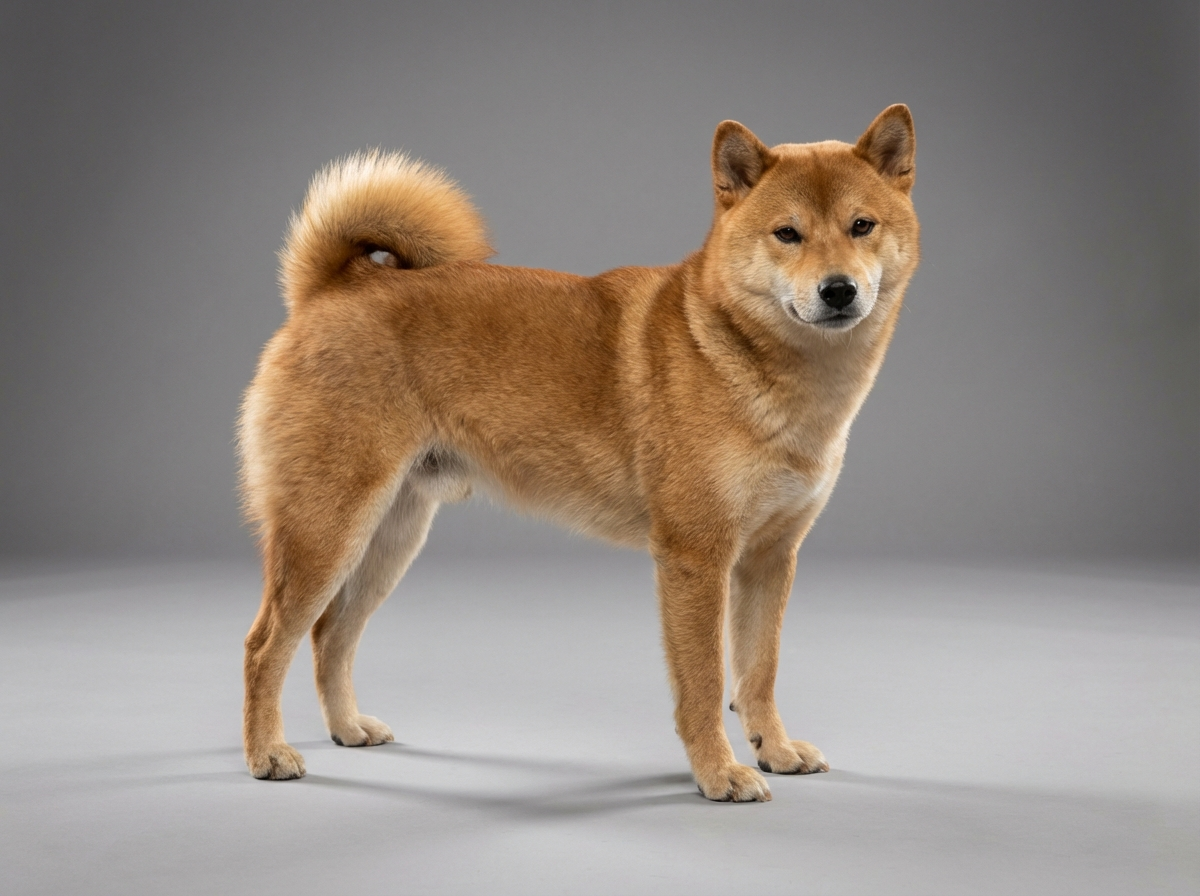
Sarah, a devoted Shibа Inu owner, noticed her dog Max limping during their daily walks. Concerned, she visited the vet and learned that Max had elbow dysplasia. Determined to help her furry friend, Sarah began a tailored training program focusing on low-impact exercises and strength-building activities. She also incorporated joint supplements into Max's diet. After several months of consistent effort, Max’s limping decreased significantly, and he was able to play like he used to.
Key takeaway: With patience and a structured approach, you can significantly improve your Shibа Inu's quality of life despite elbow dysplasia.
Shibа Inu elbow dysplasia is often caused by genetic factors, improper nutrition, and rapid growth during puppyhood. It can also result from excessive exercise or injury to the elbow joint.
Signs of elbow dysplasia in your Shibа Inu may include limping, reluctance to play, or difficulty climbing stairs. If you notice these symptoms, it's best to consult your vet for a proper diagnosis.
While you can't reverse elbow dysplasia, you can manage it through a balanced diet, controlled exercise, and weight management. Consult your vet for specific training and rehabilitation plans.
Treatment options include physical therapy, anti-inflammatory medications, and in severe cases, surgery. Early intervention can greatly improve your dog's quality of life.
Yes, elbow dysplasia can be hereditary. If you're considering breeding, it's essential to screen the parents for this condition to reduce the risk in future puppies.
Training can help improve your Shibа Inu's overall mobility and strength. Focus on low-impact activities and consult a trainer who specializes in dogs with joint issues.
Elbow dysplasia can occur due to genetic predisposition or environmental factors. A vet can help identify the specific cause and recommend appropriate management strategies.
Common symptoms of elbow dysplasia in Shibа Inus include limping, difficulty in movement, and reluctance to put weight on the affected leg. You may also notice swelling around the elbow joint or changes in their behavior, like less enthusiasm for walks.
Yes, elbow dysplasia can be managed through a combination of medication, physical therapy, and possibly surgery. Early intervention can greatly improve your dog’s comfort and mobility, so consulting your vet is crucial.
Yes, elbow dysplasia can be hereditary. This means that if your Shibа Inu has a family history of this condition, they may be at a higher risk. Responsible breeding practices can help reduce the occurrence of this issue in future generations.
For older Shibа Inus with elbow dysplasia, providing a comfortable resting area and ensuring they don’t overexert themselves is important. Regular vet check-ups and a tailored exercise plan can help maintain their joint health.
If you suspect your Shibа Inu has elbow dysplasia, schedule a visit to your vet as soon as possible. They can perform a thorough examination and recommend appropriate tests or treatments based on your dog’s specific needs.
Focus on a balanced diet and monitor your dog's weight to reduce stress on the joints. Gentle exercises like swimming can also be beneficial.
If your Shibа Inu shows signs of limping or discomfort, it's important to see a vet promptly for a thorough evaluation.
Yes, low-impact training techniques and strengthening exercises can help. Consult a professional trainer familiar with joint issues for guidance.
Costs can vary widely, but expect to spend anywhere from $100 to $2,000 depending on the treatment plan, including medications or surgery.
Yes, if left untreated, elbow dysplasia can lead to chronic pain and mobility issues, impacting your dog's overall happiness and activity levels.