Health
What are quick tips for managing Shibа Inu chronic active hepatitis?
Ensure regular vet check-ups and maintain a balanced diet to support liver health. Monitor your dog's behavior for any signs of stress or discomfort.
Shibа Inu chronic active hepatitis is a serious liver disease that can impact your dog's health significantly.
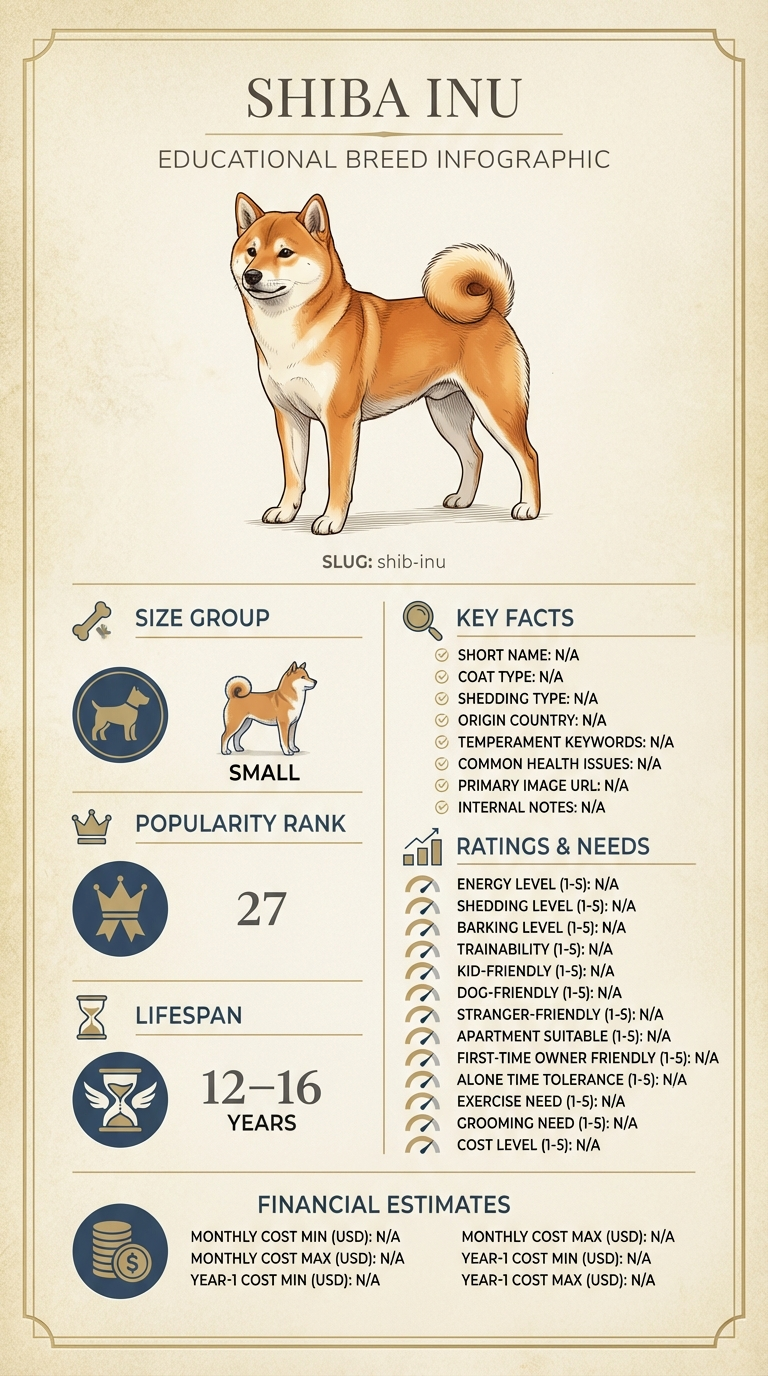
Owners of Shibа Inus, especially those who are first-time pet parents or are unaware of their dog's health needs, may struggle with this issue. It's important for them to recognize signs early and seek veterinary advice.
This guide is not medical advice. If your dog shows pain, sudden behavior change, or worsening symptoms, consult a licensed veterinarian.
Some links may be affiliate links. We may earn a commission at no extra cost to you. We only suggest products we believe are helpful for dog owners.
Shibа Inu chronic active hepatitis is a serious liver disease that can affect your dog's overall health and behavior. This condition can lead to symptoms such as vomiting, loss of appetite, and lethargy. Owners may notice their Shibа Inu being less energetic or having changes in their normal routines.
Chronic active hepatitis is not extremely common in Shibа Inus, but it can occur. It's essential for owners to be aware of potential symptoms and to seek veterinary advice if they notice any changes in their dog's health.
Shibа Inus can be genetically predisposed to liver diseases, including chronic active hepatitis. This breed's immune system may mistakenly attack its liver cells, leading to inflammation and damage. Additionally, Shibа Inus often have a unique metabolism that can affect liver health.
Environmental factors such as poor diet, exposure to toxins, and lack of regular health check-ups can contribute to liver issues. Stressful environments or significant lifestyle changes can also trigger flare-ups or exacerbate existing conditions. Keeping a stable, healthy environment is crucial for their overall well-being.
If your Shibа Inu shows signs of stress or anxiety related to their condition, consider consulting a professional trainer who specializes in behavior modification. They can provide targeted strategies to help your dog cope with stressors.
If you notice symptoms like jaundice, vomiting, or lethargy, it's essential to consult your vet immediately. Regular check-ups are also important to monitor liver health and adjust care as needed.
Managing Shibа Inu chronic active hepatitis can take several months. Initial improvements may be seen in 4-6 weeks with proper treatment and diet adjustments.
Success means your Shibа Inu shows improved energy levels, better appetite, and stable liver function as monitored by your vet.
Avoiding these common mistakes can help manage your Shibа Inu's chronic active hepatitis more effectively.
Emergency signs include severe vomiting, persistent diarrhea, jaundice (yellowing of the skin or eyes), and sudden lethargy. If your Shibа Inu shows any of these symptoms, contact your vet right away. These issues could indicate severe liver damage or a serious health crisis.
Mild cases, such as slight changes in appetite or energy levels, can often be monitored at home. If your dog is eating and drinking normally but has occasional lethargy or mild digestive upset, you can create a watch-and-wait plan. Make sure to keep a close eye on your Shibа Inu and document any changes.
Always follow up with your veterinarian if symptoms persist or worsen. Regular check-ups can help catch issues early before they escalate. Knowing when to act can make a significant difference in your dog’s health, so trust your instincts and don’t hesitate to call your vet if something feels off.
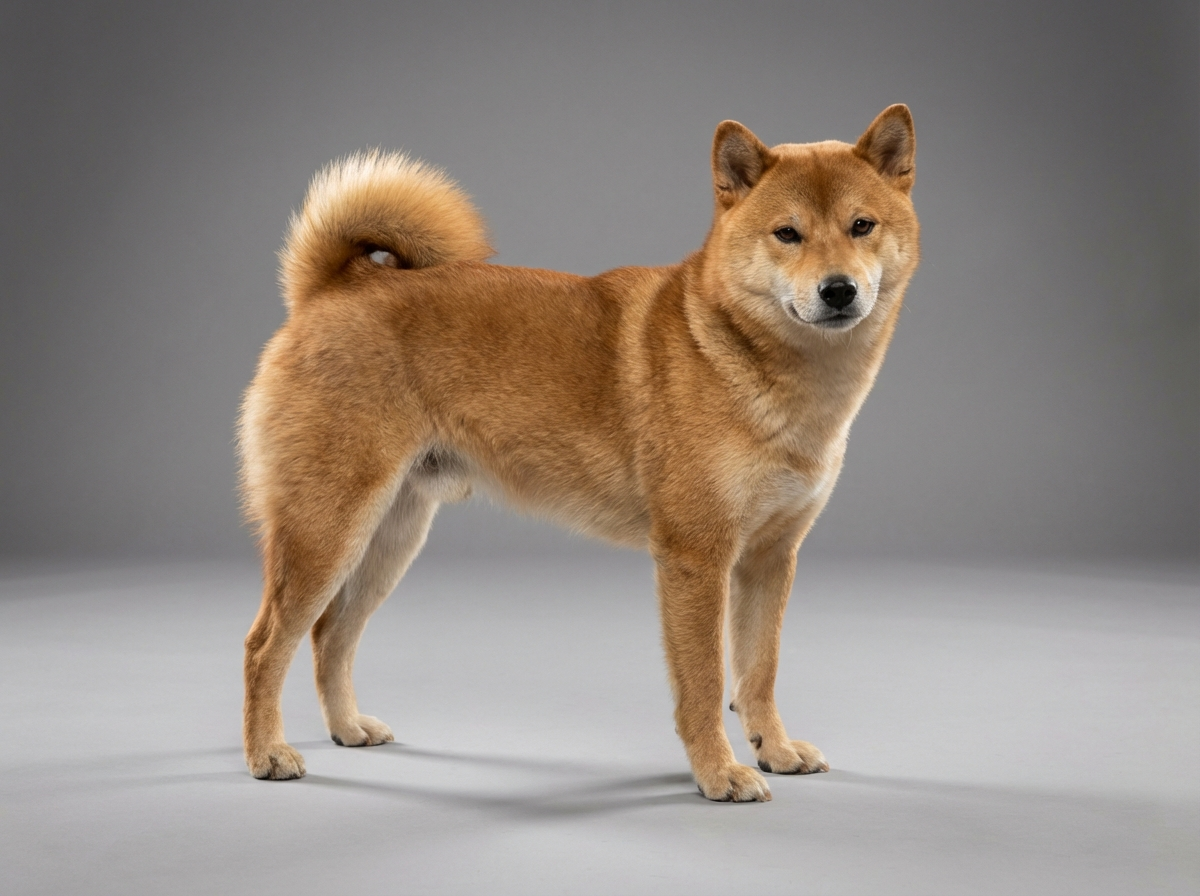
Maya, a first-time dog owner, noticed that her Shibа Inu, Kiko, was lethargic and not eating well. After a vet visit, she learned that Kiko had chronic active hepatitis. With guidance, Maya adjusted Kiko's diet and started a medication routine. She also kept a close eye on Kiko's behavior and energy levels. Over the next two months, Kiko began to regain interest in playtime and his appetite increased significantly. Maya felt relieved as Kiko's vet reported stable liver function during follow-up visits.
Key takeaway: Early detection and a consistent care plan are crucial in managing Shibа Inu chronic active hepatitis effectively.
Chronic active hepatitis in Shibа Inus can be caused by various factors, including genetic predispositions, environmental toxins, or infections. It's crucial to consult a veterinarian for a proper diagnosis and treatment plan tailored to your dog's needs. This answer relates to Shibа Inu chronic active hepatitis.
Preventing chronic active hepatitis involves regular vet check-ups, a balanced diet, and minimizing exposure to toxins. Ensure your Shibа Inu receives vaccinations and is kept away from harmful substances.
Symptoms may include lethargy, loss of appetite, jaundice, and abdominal swelling. If you notice these signs in your Shibа Inu, it's essential to see a vet promptly for evaluation.
Yes, while there is no cure, chronic active hepatitis can be managed with medication, dietary changes, and regular vet visits. Early intervention significantly improves your dog's quality of life.
Treatment costs can range from $500 to $2,500 annually, depending on the severity and required care. It's best to discuss potential costs with your vet to budget accordingly.
Yes, training can help manage stress and anxiety, which may worsen health issues. Positive reinforcement training techniques can also improve your dog's overall behavior and well-being.
Consider a low-fat diet, regular vet visits, and gentle exercise routines. Keeping your Shibа Inu calm and stress-free is also essential for managing their condition.
Common signs include lethargy, vomiting, loss of appetite, and jaundice. If you notice these symptoms, it's important to consult your veterinarian promptly.
Older dogs may require special dietary considerations and a tailored exercise routine. Work closely with your vet to develop a care plan that suits your Shibа Inu's needs.
While training won't cure chronic active hepatitis, it can help your dog better cope with stress and anxiety. Consider incorporating gentle training techniques to create a calm environment.
If you suspect chronic active hepatitis, schedule a vet appointment immediately. Early diagnosis and treatment can significantly improve your dog's quality of life.
There may be a genetic component to chronic active hepatitis in Shibа Inu, but environmental factors also play a role. Regular veterinary check-ups can help monitor your dog's liver health.
Ensure regular vet check-ups and maintain a balanced diet to support liver health. Monitor your dog's behavior for any signs of stress or discomfort.
Training can reduce anxiety and improve your dog's behavior, which is crucial for overall health. Positive reinforcement methods work best.
Look for lethargy, jaundice, and changes in appetite. If you notice these symptoms, consult your vet promptly.
Yes, a low-fat, high-quality diet can help manage the condition. Discuss dietary needs with your veterinarian for the best plan.
Costs can range from $500 to $2,500 based on treatment needs. It's essential to budget for regular vet visits and medications.