Health
What are quick tips for managing Shibа Inu autoimmune diseases?
Regular vet visits, a balanced diet, and stress reduction techniques can help manage symptoms.
Shibа Inu autoimmune diseases can lead to serious health issues, including skin conditions and hair loss. Understanding these diseases is crucial for your dog's well-being.
This problem often affects dedicated Shibа Inu owners who want to ensure their pets are healthy and active. New owners may find themselves confused and overwhelmed by these health issues, especially if they aren't familiar with the breed's specific medical needs.
This guide is not medical advice. If your dog shows pain, sudden behavior change, or worsening symptoms, consult a licensed veterinarian.
Some links may be affiliate links. We may earn a commission at no extra cost to you. We only suggest products we believe are helpful for dog owners.
Shibа Inus can be prone to autoimmune diseases, which lead to skin conditions that cause sores and hair loss. Day-to-day, this might manifest as excessive scratching or biting at their skin, resulting in visible discomfort. Owners may notice their Shibа Inu appearing lethargic or less playful, which can be concerning.
Autoimmune diseases are relatively common in Shibа Inus, with many owners reporting issues during their dog's lifetime. While not every Shibа Inu will experience these problems, awareness and early intervention are key.
Shibа Inus can be genetically predisposed to autoimmune diseases due to their lineage. Certain health issues, including skin conditions that can lead to sores and hair loss, are more common in this breed. Understanding these genetic factors can help owners be more vigilant about their dog's health.
Environmental factors, such as exposure to allergens or toxins, can trigger autoimmune responses. Stressful living conditions or inadequate nutrition may also contribute to the onset of these diseases. Keeping a stable and healthy environment is crucial for managing your Shibа Inu's health.
If your Shibа Inu shows behavioral changes, such as increased anxiety or aggression, consider consulting a professional trainer. Trainers can provide techniques to manage stress and improve your dog's overall behavior.
If you notice persistent skin issues or symptoms like excessive scratching, hair loss, or unusual lethargy, it’s time to visit your vet. They can offer a diagnosis and treatment plan tailored to your Shibа Inu’s specific needs.
Expect to see improvements within 3 to 6 months with consistent care and treatment.
Success means your Shibа Inu experiences fewer flare-ups, improved skin condition, and a happier demeanor.
Many Shibа Inu owners unknowingly worsen autoimmune diseases through their actions. Here are some frequent mistakes to avoid:
1. Ignoring symptoms: When your Shibа Inu shows signs like skin sores or hair loss, it’s crucial to pay attention. Delaying action can lead to worsening conditions. Instead, consult your vet promptly for a proper diagnosis.
2. Using harsh products: Many grooming products contain chemicals that can irritate your dog’s skin. Opt for gentle, vet-recommended shampoos and skincare products.
3. Inconsistent care routine: Skipping skin care or medications can hinder your Shibа Inu’s recovery. Establish a consistent routine for treatments and follow your vet's instructions carefully.
4. Neglecting vet visits: Regular check-ups are essential for managing autoimmune diseases. Skipping these can lead to undetected issues. Make sure to schedule vet visits as recommended.
5. Overfeeding or poor diet: A poor diet can exacerbate health problems. Ensure your Shibа Inu gets a balanced diet tailored for their needs. Consult with your vet to find the best food options.
By avoiding these mistakes, you can provide better care for your Shibа Inu and support their health journey.
Recognizing when Shibа Inu autoimmune diseases require immediate veterinary attention can be critical. If your dog shows severe symptoms, such as excessive bleeding, difficulty breathing, or rapid weight loss, these are red flags that warrant a call to your vet right away. Similarly, if your Shibа Inu has a persistent fever or shows signs of extreme lethargy, don't wait to seek help.
On the other hand, some symptoms can be monitored at home. If your Shibа Inu has mild skin irritations or hair loss, you might not need to rush to the vet. Instead, keep an eye on the situation and consider implementing a management plan that includes dietary adjustments or topical treatments. Documenting changes in your dog's condition can also provide valuable information for your vet later.
In general, if you're ever in doubt about your Shibа Inu's health, it's better to err on the side of caution. A quick consultation can give you peace of mind and ensure your dog gets the care they need.
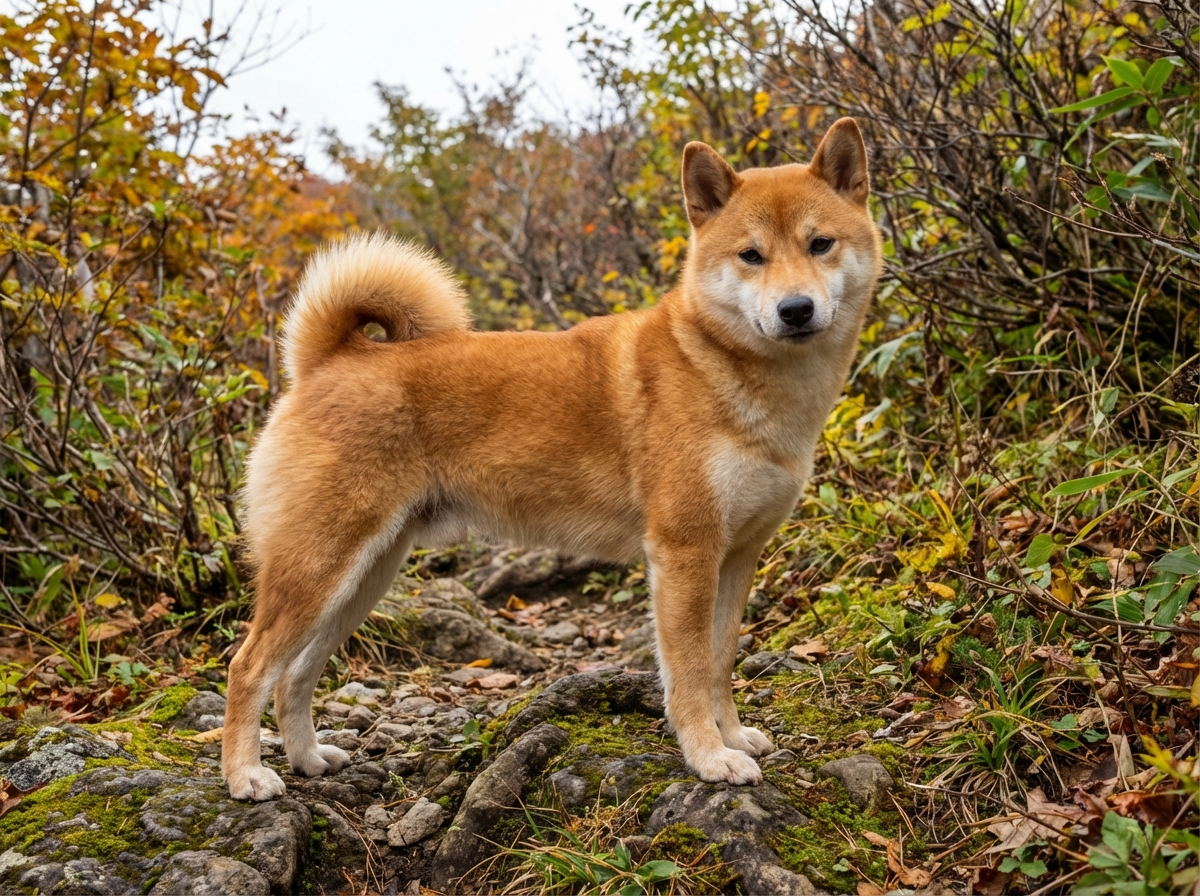
Aimee adopted Max, her Shibа Inu, only to discover he had autoimmune issues leading to painful skin sores. Initially overwhelmed, she consulted a vet and learned about dietary changes and medications that could help. With patience and consistent treatment, Max's condition improved over the next few months. Aimee took a proactive role in managing his diet and keeping his environment clean, which made a noticeable difference. Max became more energetic and playful, reflecting his improved health.
Key takeaway: With the right care and attention, many Shibа Inus can manage autoimmune diseases effectively, leading to a better quality of life.
Shibа Inus can develop autoimmune diseases due to genetic predisposition, environmental factors, or infections. Common symptoms include skin sores and hair loss. It's essential to consult a vet for proper diagnosis and treatment.
While you can't entirely prevent autoimmune diseases, you can manage your Shibа Inu's health by providing a balanced diet, regular vet check-ups, and minimizing stress. Monitoring for symptoms early can help in managing conditions effectively.
Shibа Inus may experience conditions like lupus or pemphigus, which affect the skin and may lead to sores and hair loss. Identifying these early allows for better management and care.
A diet rich in omega fatty acids and antioxidants can help boost your Shibа Inu's immune system. Always consult your vet before making any changes to your dog's diet to ensure it meets their specific needs.
Training methods that promote a calm and structured environment can help reduce stress, which may trigger flare-ups. Positive reinforcement and consistency are key in helping your Shibа Inu feel secure.
Common signs include unexplained skin sores, hair loss, and lethargy. You might also notice changes in your dog's appetite or behavior. If you see these symptoms, it's important to consult a vet.
Yes, some autoimmune diseases can have a genetic component. If you're concerned about your Shibа Inu's risk, consider discussing their family history with your veterinarian. They can provide guidance on possible preventative measures.
Managing your Shibа Inu's condition may involve regular vet check-ups, a balanced diet, and stress reduction techniques. Keeping your dog comfortable and monitoring for any changes in symptoms is essential. Training and socialization can also help alleviate anxiety.
Older dogs may require special attention if they develop autoimmune diseases. It's crucial to work closely with your vet to create a tailored treatment plan. Pay attention to their comfort and adjust their lifestyle as needed.
While there's no one-size-fits-all diet, many owners find that a high-quality, hypoallergenic diet helps manage symptoms. Consulting your veterinarian about specific dietary changes can provide the best course of action for your Shibа Inu.
Regular vet visits, a balanced diet, and stress reduction techniques can help manage symptoms.
Look for symptoms like sores, hair loss, or unusual behavior. If you notice these, consult your vet.
Focus on positive reinforcement training to create a stress-free environment, which can help with their overall well-being.
Ensuring a low-stress environment and a nutritious diet are key to supporting your Shibа Inu’s health.