Behavior
What are quick tips for Shibа Inu allergic reactions?
Identify and remove allergens, maintain a clean living space, and consult your vet for appropriate medications. Regular grooming can also help reduce allergens in your home.
Shibа Inu allergic reactions can be frustrating and confusing for owners. Understanding these reactions is crucial for your pet's well-being.
This issue often affects new Shibа Inu owners who may not be familiar with their dog's specific allergic tendencies. It can also trouble families with children or other pets, as they want to ensure a safe environment for everyone.
This guide is not medical advice. If your dog shows pain, sudden behavior change, or worsening symptoms, consult a licensed veterinarian.
Some links may be affiliate links. We may earn a commission at no extra cost to you. We only suggest products we believe are helpful for dog owners.
Shibа Inus can experience allergic reactions that manifest as skin irritations, itching, or gastrointestinal upset. These reactions may be triggered by environmental factors like pollen, dust mites, or certain foods. Owners often notice their Shibа Inu scratching excessively or developing rashes, which can be distressing for both the pet and the owner.
Allergic reactions are relatively common in Shibа Inus, with studies showing they are 276% more prone to these issues compared to other breeds. Many Shibа Inu owners report dealing with allergies at some point, making it a significant concern.
Shibа Inus can be prone to allergic reactions due to their genetic makeup. Some breeds are more susceptible to allergies, and this can lead to skin irritations, food allergies, or environmental sensitivities. Their unique coat and skin type may also contribute to these reactions.
Allergic reactions in Shibа Inus can be triggered by various environmental factors. These include pollen, dust mites, mold, and certain household chemicals. Additionally, changes in diet or exposure to new foods can also lead to allergic responses.
If your Shibа Inu is showing signs of anxiety or behavioral issues related to their allergies, such as excessive scratching or biting, a trainer experienced with dog behavior may help. They can guide you in implementing training techniques that address stress and anxiety.
If your dog's allergic reactions persist or worsen, consult your vet. They can help determine the underlying cause and may recommend allergy testing or medications to manage symptoms.
You may see improvements in your Shibа Inu's allergic reactions within 4 to 8 weeks after starting a new treatment or training plan.
Success looks like a noticeable reduction in allergic symptoms, such as itching or skin irritation, along with a more comfortable and happier dog.
Avoiding common mistakes can help manage your Shibа Inu's allergic reactions more effectively.
Recognizing when your Shibа Inu's allergic reactions are serious is crucial for their health. If you notice any of the following red-flag signs, it’s time to call your vet immediately. These include difficulty breathing, severe swelling around the face or throat, persistent vomiting, or signs of shock such as weakness or collapse. These symptoms can escalate quickly and require urgent medical attention.
On the other hand, if your Shibа Inu is experiencing mild reactions like sneezing, itchy skin, or occasional gastrointestinal upset, you might be able to monitor the situation. In these cases, you can keep a close eye on their symptoms and implement a plan to manage their allergies. This might involve adjusting their diet or environment to identify triggers.
It’s important to document any changes in their behavior or health. If mild symptoms persist for more than a few days or worsen, don’t hesitate to consult with your vet. Remember, it’s always better to err on the side of caution when it comes to your furry friend's health.
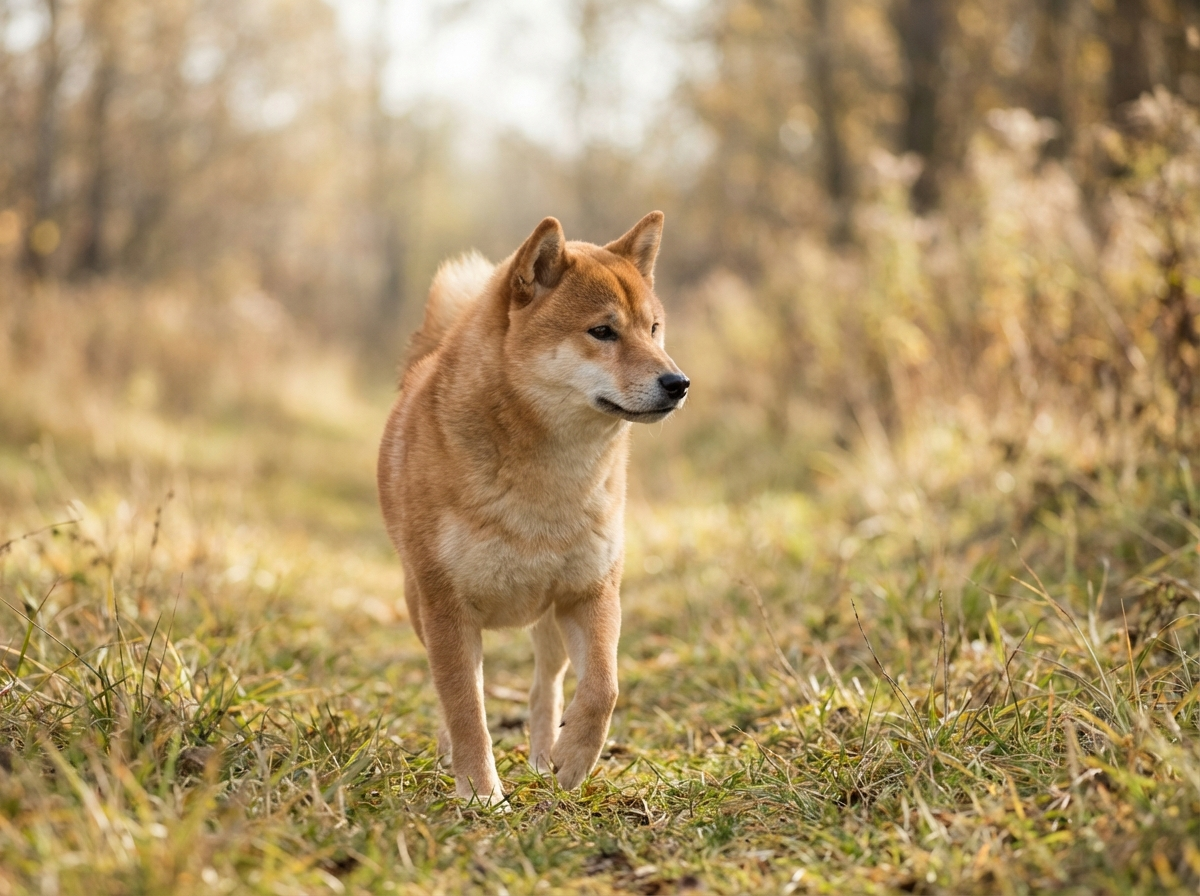
Sarah, a busy nurse in Chicago, noticed her Shibа Inu, Kiko, scratching excessively and developing rashes. After a vet visit, she learned that Kiko had allergies, likely triggered by certain foods and environmental factors. Determined to help her furry friend, Sarah researched how to stop Shibа Inu allergic reactions. She switched Kiko to a hypoallergenic diet and started a training regimen focused on reducing exposure to allergens. With a consistent routine, Sarah began to see improvements; Kiko's itching decreased, and his skin healed. After two months, Kiko was much more comfortable, and their walks became enjoyable again.
Key takeaway: With patience and the right approach, managing Shibа Inu allergic reactions is possible. A tailored diet and training can lead to significant improvements in your dog's quality of life.
Shibа Inus can have allergic reactions due to various reasons, including food sensitivities, environmental allergens, or flea bites. It’s important to identify the specific trigger by monitoring their symptoms and consulting with a vet.
To manage Shibа Inu allergic reactions, eliminate known allergens from their environment and consider hypoallergenic dog food. Regular vet check-ups can help in identifying triggers and adjusting their diet or medications accordingly.
Common signs include excessive itching, redness, swelling, and gastrointestinal issues. Keep an eye out for any changes in behavior and consult your vet if symptoms persist.
Training alone won't stop allergic reactions, but it can help you manage their behavior during allergic episodes. Teaching commands like 'leave it' can prevent them from interacting with potential allergens.
If your Shibа Inu shows severe symptoms like difficulty breathing, swelling around the face, or persistent vomiting, seek immediate veterinary care. For mild symptoms, monitor and consult your vet for advice.
Treatments may include antihistamines, steroids, or allergy shots. Your vet will recommend the best course of action based on your dog's specific needs.
If your Shibа Inu shows signs of a severe allergic reaction, such as swelling, difficulty breathing, or vomiting, seek emergency veterinary care immediately. These symptoms can escalate quickly and require prompt medical attention.
Yes, Shibа Inu allergic reactions can develop at any age. Some dogs may not show signs of allergies until they are older, so keep an eye out for new symptoms, such as itching or skin issues, as your dog ages.
Common allergens for Shibа Inus include pollen, dust mites, certain foods, and even flea bites. Identifying the specific allergen can help in managing and preventing allergic reactions.
To help your Shibа Inu with seasonal allergies, limit their outdoor time during high pollen days, bathe them more frequently, and consider using air purifiers indoors. Consulting a vet for allergy medications can also provide relief.
Signs that your Shibа Inu may have food allergies include itching, gastrointestinal issues like diarrhea or vomiting, and skin irritations. If you suspect a food allergy, consult your vet to discuss elimination diets.
Identify and remove allergens, maintain a clean living space, and consult your vet for appropriate medications. Regular grooming can also help reduce allergens in your home.
Yes, switching to a hypoallergenic diet can help if food allergies are suspected. Gradually introduce any new food to avoid further digestive issues.
Regularly check your home for potential allergens like dust, mold, or pollen. Seasonal changes may also require increased vigilance.


