Living
What are some quick tips for Schnauzer (Standard) heat sensitivity?
Always provide fresh water and shade during hot days. Limit exercise to early morning or late evening when temperatures are cooler.
Schnauzer (Standard) heat sensitivity is a common issue that can put your dog at risk for heatstroke. Understanding this condition is essential for keeping your furry friend safe.
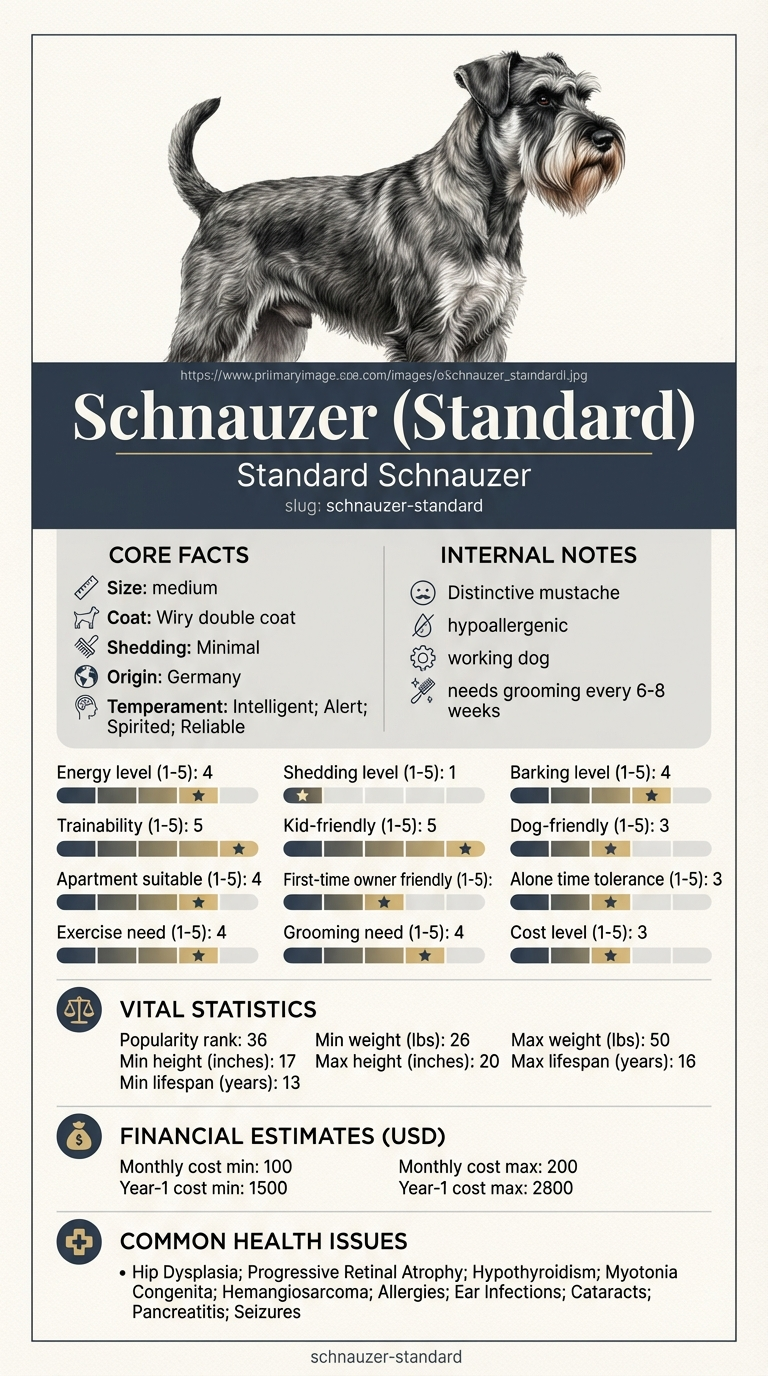
Owners of Standard Schnauzers, especially those living in warmer climates, often face challenges managing their dog's comfort during the summer months. This can be particularly concerning for new dog owners or families with active lifestyles.
This guide is not medical advice. If your dog shows pain, sudden behavior change, or worsening symptoms, consult a licensed veterinarian.
Some links may be affiliate links. We may earn a commission at no extra cost to you. We only suggest products we believe are helpful for dog owners.
Schnauzer (Standard) heat sensitivity is a common issue for this breed. These dogs struggle to tolerate high temperatures, which can lead to overheating or heatstroke. On hot days, you might notice your Schnauzer panting excessively, seeking shade, or refusing to exercise, all signs that they're uncomfortable in the heat.
Heat sensitivity is fairly common in Standard Schnauzers, especially given their wiry double coat, which can trap heat. Owners should be aware of this issue and take proactive steps to keep their pets cool during warmer months.
Schnauzers (Standard) have a wiry double coat that can trap heat, making them sensitive to high temperatures. Additionally, their medium size and energy level mean they can easily overheat during vigorous activities. Some individual Schnauzers may also inherit a lower tolerance to heat due to genetics.
Environmental factors like humidity, lack of shade, and exposure to hot surfaces can intensify heat sensitivity. Living in a hot climate without proper cooling options can also increase the risk of heat-related issues. Lack of access to cool water or frequent breaks during outdoor play can further exacerbate their discomfort.
If your Schnauzer continues to show extreme signs of heat sensitivity despite your efforts, it might be helpful to consult a trainer. They can provide tailored strategies for acclimating your dog to heat and managing their activity levels.
If your Schnauzer exhibits signs of heat exhaustion, such as excessive panting, drooling, or lethargy, contact your vet immediately. Regular check-ups can also help address any underlying health issues that may contribute to their heat sensitivity.
Improving your Schnauzer's heat sensitivity may take 1 to 3 months of consistent training and adjustments.
Success means your Schnauzer can enjoy outdoor activities in moderate temperatures without showing signs of distress, like excessive panting or lethargy.
Avoiding these common mistakes can help improve your Schnauzer's heat sensitivity. Here are some behaviors to steer clear of.
Understanding when your Schnauzer (Standard) heat sensitivity is an emergency can save their life. If your dog shows signs of severe distress, it’s crucial to call your vet immediately. Symptoms such as excessive panting, drooling, weakness, or confusion are red flags that indicate heatstroke or overheating. If your Schnauzer collapses or has seizures, this is a critical situation that requires urgent care.
On the other hand, if your Schnauzer is simply sluggish or reluctant to go outside on a hot day, they may just need a little more time to adjust. Keeping them hydrated and in a cool environment is important, but you may not need to rush to the vet unless symptoms worsen. Monitor their behavior closely and be aware of any changes. If they seem to recover with rest and water, you can wait and see, but always err on the side of caution if unsure.
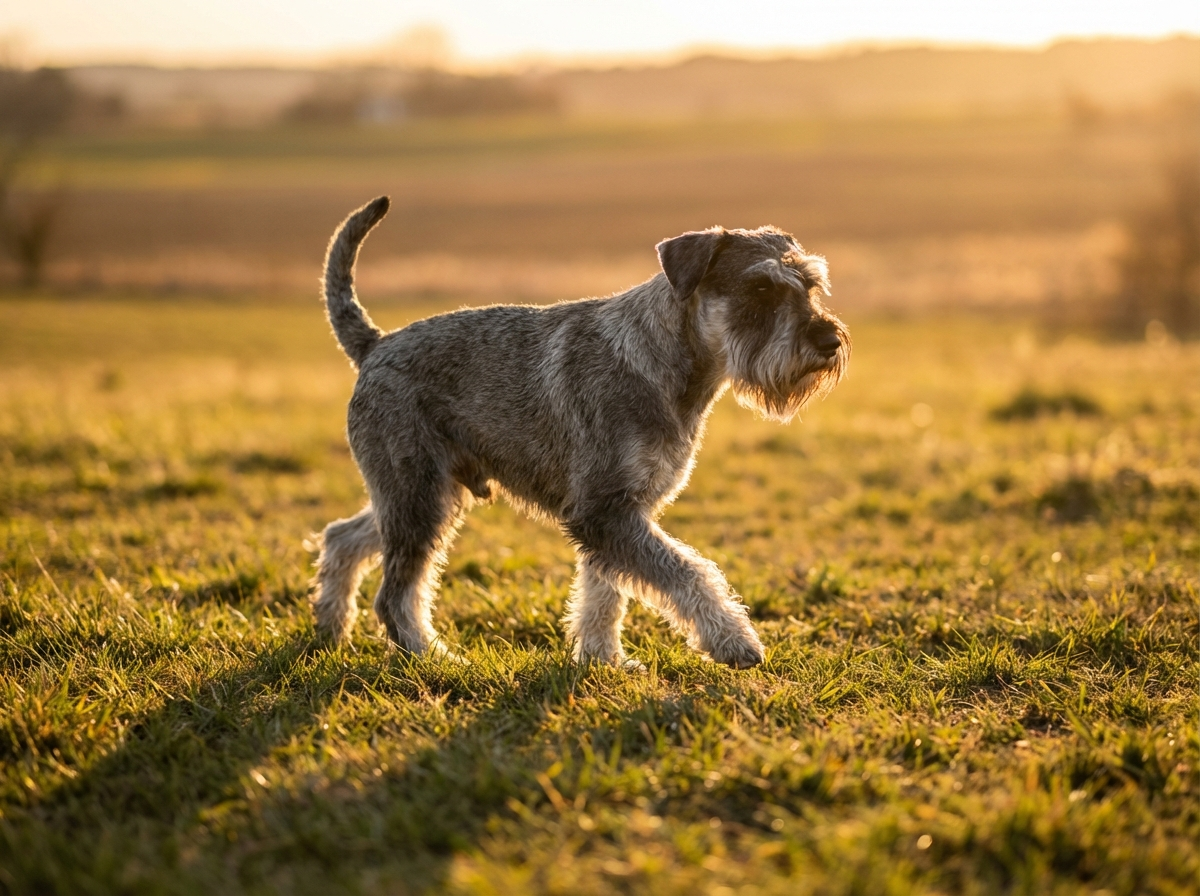
When Sarah adopted Max, her Standard Schnauzer, she quickly noticed he struggled during hot days. Max would pant heavily and seek shade, showing signs of heat sensitivity. After researching how to stop Schnauzer heat sensitivity, Sarah learned to adjust their daily routine. She started walking Max in the early morning and late evening when temperatures were cooler. Sarah also invested in a cooling vest for Max to wear during summer outings. Gradually, Max became more comfortable outside, even on warmer days. Their bond grew stronger as they enjoyed more outdoor adventures together.
Key takeaway: With patience and proper adjustments, owners can help their Schnauzers manage heat sensitivity effectively.
Schnauzers (Standard) can be sensitive to heat due to their wiry double coat, which can trap heat. This breed is also medium-sized and may not handle extreme temperatures well. Keeping them cool and hydrated is essential to prevent heat-related issues.
To help manage your Schnauzer's heat sensitivity, ensure they have plenty of water and shade during hot weather. Limit outdoor activities to cooler parts of the day and consider using cooling mats or vests. Regular grooming can also help reduce overheating.
Signs of heatstroke include excessive panting, drooling, weakness, and confusion. If your Schnauzer shows these symptoms, move them to a cooler place and contact a vet immediately. Prevention is key, so watch for these signs during hot days.
While training cannot eliminate heat sensitivity, it can help you teach your Schnauzer to recognize when they need to cool down. For example, you can train them to seek shade or return indoors when it's too hot outside.
Yes, breeds with thick coats, short snouts, or those that are medium-sized like the Schnauzer (Standard) tend to be more sensitive to heat. It's important to monitor their activity levels and provide a comfortable environment.
Signs of overheating in your Schnauzer (Standard) can include excessive panting, drooling, lethargy, and a rapid heartbeat. If your dog starts to show any of these symptoms, it's crucial to cool them down immediately and provide water.
Older Schnauzers (Standard) may struggle more with heat sensitivity. Ensure they have access to cool, shaded areas, and consider shorter walks during the hottest parts of the day to keep them comfortable.
If your Schnauzer (Standard) shows severe signs of heat stress, such as vomiting or collapse, it's vital to seek veterinary care immediately. Early intervention can prevent serious health issues.
Yes, as Schnauzers (Standard) age, their ability to regulate body temperature may decrease, making them more susceptible to heat sensitivity. Regular check-ups can help monitor their health.
Training your Schnauzer (Standard) to recognize and avoid extreme heat can be beneficial. Use positive reinforcement to encourage them to stay in cooler areas and reward them for seeking shade during walks.
Always provide fresh water and shade during hot days. Limit exercise to early morning or late evening when temperatures are cooler.
Regular grooming helps remove excess fur, allowing better air circulation and reducing the risk of overheating in your Schnauzer.
Yes, if not managed properly, heat sensitivity can lead to heatstroke, which is a serious health concern for your Schnauzer.
Absolutely! Indoor games and training sessions can keep your Schnauzer engaged without risking overheating during the hot summer months.