Behavior
What are quick tips to prevent Schnauzer (Standard) gastric dilatation-volvulus (gdv/bloat)?
Feed smaller meals more frequently and avoid exercise immediately after eating. Consider using a slow feeder to prevent rapid eating.
Gastric dilatation-volvulus (GDV), commonly known as bloat, is a life-threatening condition that can affect your Schnauzer (Standard). (Schnauzer (Standard) gastric dilatation-volvulus (gdv/bloat))
Owners of Schnauzers (Standard) often face this problem, especially if their dog is older, larger, or eats too quickly. Busy families and first-time dog owners might find it particularly challenging to recognize the signs early.
This guide is not medical advice. If your dog shows pain, sudden behavior change, or worsening symptoms, consult a licensed veterinarian.
Some links may be affiliate links. We may earn a commission at no extra cost to you. We only suggest products we believe are helpful for dog owners.
Schnauzer (Standard) gastric dilatation-volvulus (GDV/bloat) is a serious and potentially life-threatening condition. It often occurs when the stomach fills with gas and twists on itself, causing severe pain and preventing blood flow. Daily signs include restlessness, pacing, and attempts to vomit without success, making it a distressing experience for both the dog and its owner.
GDV is relatively common in medium to large breeds, including Standard Schnauzers. While not all Schnauzers will experience this issue, it's crucial for owners to be aware of the signs and take preventative measures.
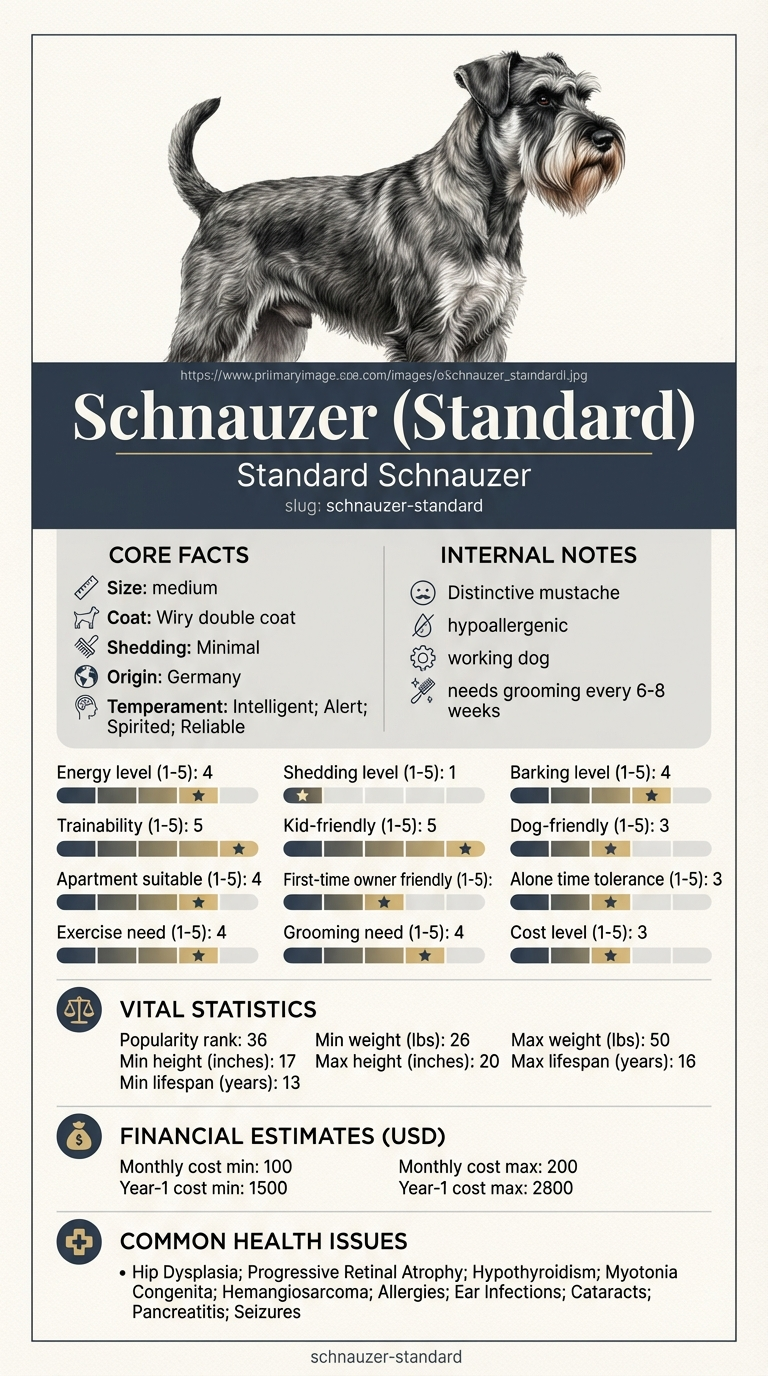
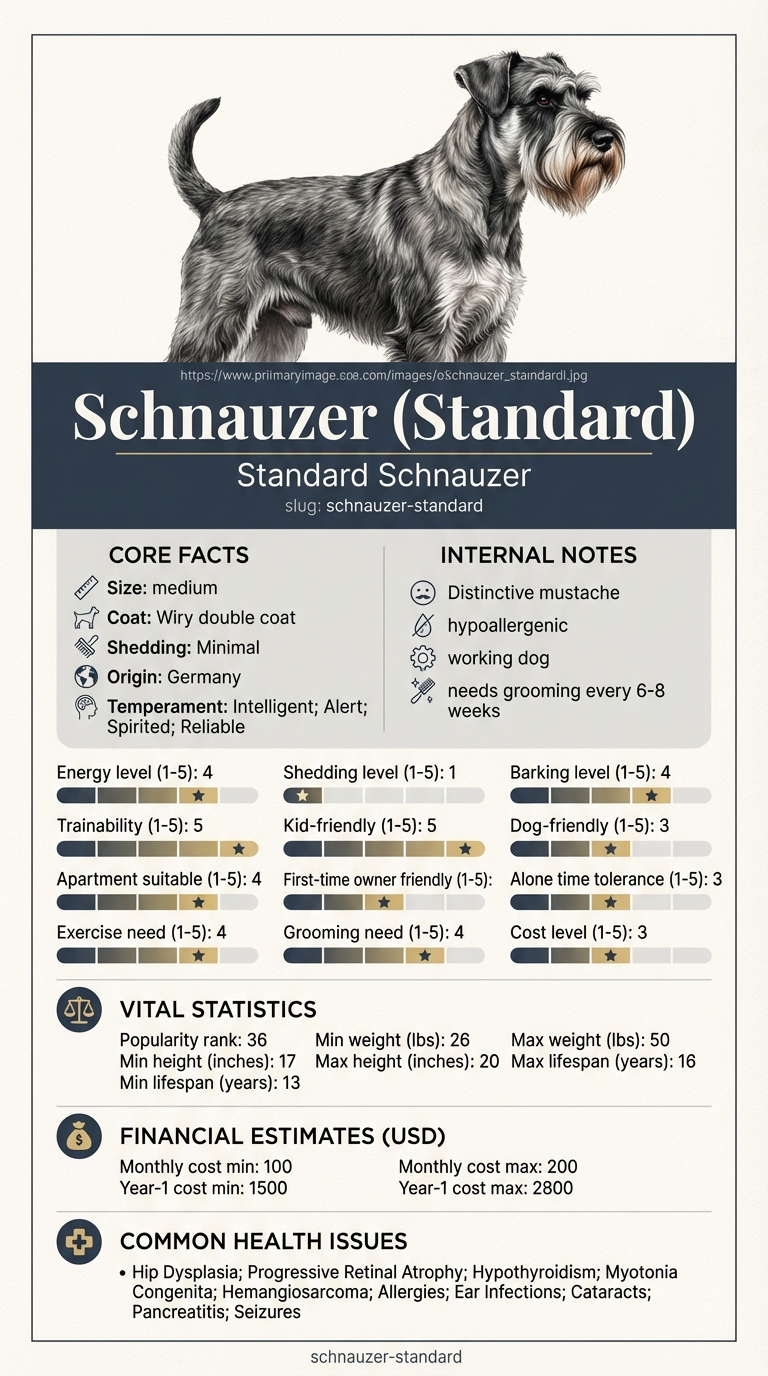
Schnauzers (Standard) are medium-sized dogs with a unique body structure that can predispose them to gastric dilatation-volvulus (GDV/bloat). Their deep chest can allow for excess air and food to accumulate in the stomach, leading to this dangerous condition. Additionally, their spirited nature may cause them to eat quickly, increasing the risk of bloat.
Environmental factors also play a role in GDV. Stressful situations, such as loud noises or changes in routine, can contribute to the condition. Feeding habits, like giving large meals or allowing quick access to food, can further increase the likelihood of GDV in Schnauzers.
If your Schnauzer continues to eat too quickly despite using a slow feeder, consider consulting a professional dog trainer. They can provide guidance on meal routines and behavior modification techniques.
If you notice signs of bloat, such as a swollen belly, restlessness, or unsuccessful attempts to vomit, contact your vet immediately. GDV is a medical emergency and requires prompt attention.
You should start seeing improvements in your Schnauzer's situation within a few weeks of implementing changes. However, full resolution can take several months, depending on the severity and underlying causes of GDV/bloat.
Success means your Schnauzer experiences fewer episodes of bloating, returns to a normal eating routine, and shows overall better health and energy levels.
Avoiding common mistakes can help prevent Schnauzer (Standard) gastric dilatation-volvulus (GDV/bloat). Here are some behaviors to steer clear of.
Recognizing when Schnauzer (Standard) gastric dilatation-volvulus (GDV/bloat) is an emergency can save your dog's life. Certain signs indicate you should call your vet immediately, while other cases may allow you to monitor your pet at home. Understanding these distinctions can help you act quickly when needed.
If your Schnauzer (Standard) shows any of these symptoms, it's crucial to seek veterinary help right away: - Swollen abdomen that feels tight or hard. - Excessive drooling or vomiting, especially if unproductive. - Signs of pain, such as whining, pacing, or restlessness. - Rapid breathing or heart rate. - Weakness or collapse.
In some cases, your Schnauzer (Standard) may show mild signs of discomfort. If you notice these less severe symptoms, you can monitor your dog closely: - Slight bloating or mild discomfort. - Occasional retching without bringing anything up. - Reduced appetite or changes in eating habits, but still eating small amounts. - Mild lethargy without other severe signs.
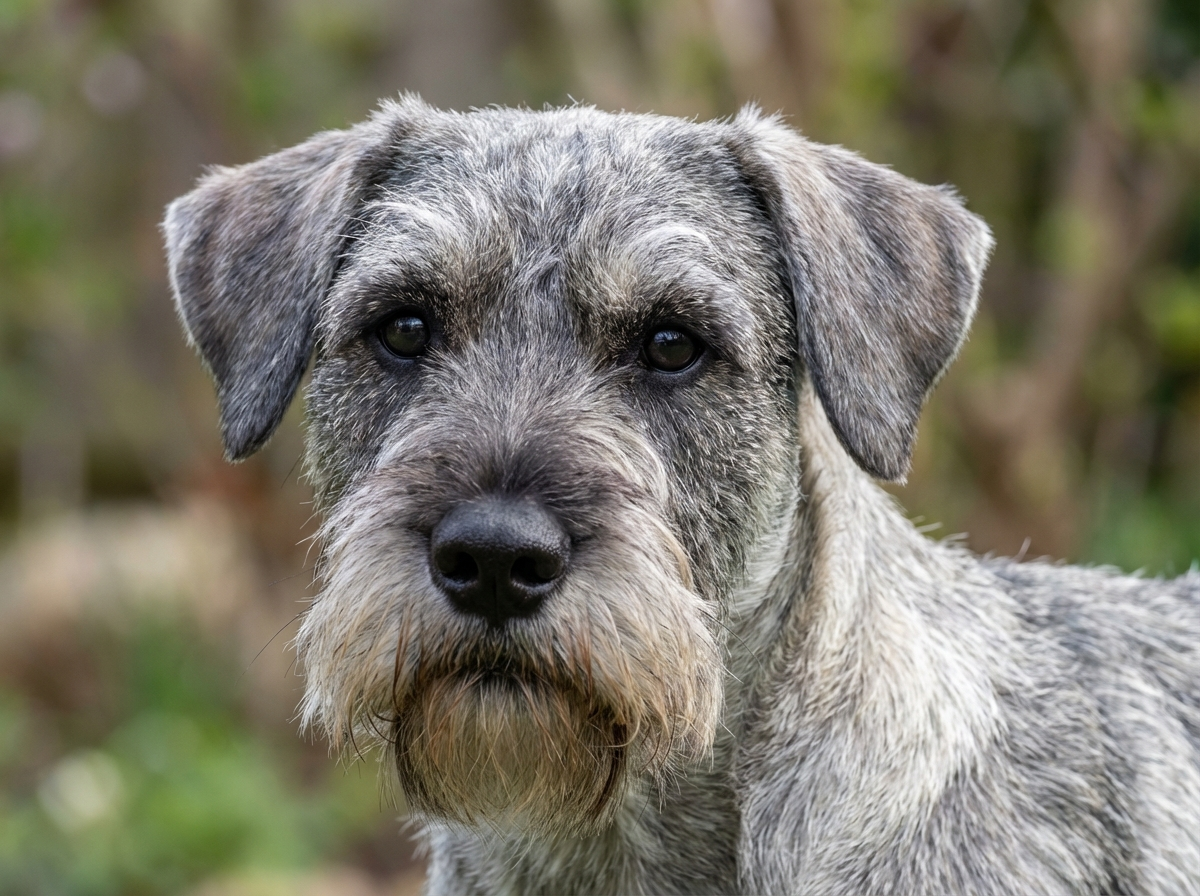
Sarah, a busy mom in Ohio, noticed her Standard Schnauzer, Max, bloating frequently after meals. Initially, she thought it was just a bad habit, but when Max’s condition worsened, she learned about gastric dilatation-volvulus (GDV). After consulting her vet, Sarah changed Max's diet to smaller, more frequent meals and introduced slow feeder bowls to prevent gulping. She also ensured Max stayed calm after eating, and with time, his symptoms improved significantly.
Key takeaway: Consistent feeding routines and diet adjustments can greatly reduce the risk of GDV in Schnauzers.
Schnauzer (Standard) gastric dilatation-volvulus (gdv/bloat) is a life-threatening condition where the stomach twists and fills with gas. This can lead to severe pain, shock, and even death if not treated quickly. It's crucial to recognize the signs and seek immediate veterinary care.
GDV can occur for several reasons, including rapid eating, stress, and certain genetic predispositions. Large meals or excessive exercise right after eating can also contribute. Understanding these triggers can help prevent episodes.
To help prevent GDV, consider feeding smaller, more frequent meals. Monitor your dog's stress levels and avoid vigorous exercise right after eating. Additionally, consulting your vet about dietary choices can be beneficial.
Signs to watch for include a distended abdomen, excessive drooling, restlessness, and signs of pain. If your Schnauzer attempts to vomit but can't, this is a red flag. Contact your veterinarian immediately if you notice these symptoms.
Treatment for GDV often involves surgery to untwist the stomach and may include medications to stabilize your dog. Early detection is key to improving outcomes, so always be vigilant about your dog's health.
Early signs of GDV in a Schnauzer (Standard) include restlessness, a distended abdomen, and attempts to vomit without success. If you notice these symptoms, it's crucial to seek veterinary care immediately, as GDV can escalate quickly.
Yes, older Schnauzers (Standard) can be more susceptible to GDV due to age-related changes in their digestive system. Regular vet check-ups and monitoring for signs of discomfort can help prevent complications.
To help prevent GDV, feed your Schnauzer (Standard) smaller meals throughout the day instead of one large meal. Avoid vigorous exercise immediately after eating, and consider using a slow feeder to reduce gulping.
There is some evidence suggesting that GDV may have a genetic component, making certain breeds like Schnauzers (Standard) more at risk. It's important to discuss your dog's family history with your vet when assessing risk factors.
If your Schnauzer (Standard) shows signs of bloating, distress, or persistent vomiting, you should take them to the vet right away. Timely intervention is key to treating GDV effectively.
Feed smaller meals more frequently and avoid exercise immediately after eating. Consider using a slow feeder to prevent rapid eating.
Look for a swollen abdomen, drooling, and signs of distress like pacing or attempting to vomit. If you notice these, seek veterinary help right away.
Take your Schnauzer to the vet immediately. GDV is a medical emergency that requires urgent attention.