Behavior
What are some quick tips for Rottweiler Mix patellar luxation?
Ensure your Rottweiler Mix maintains a healthy weight and provide low-impact exercises. Regular vet check-ups are crucial to monitor joint health.
Rottweiler Mix patellar luxation is a common issue where the kneecap dislocates. This can lead to pain and mobility problems for your dog.
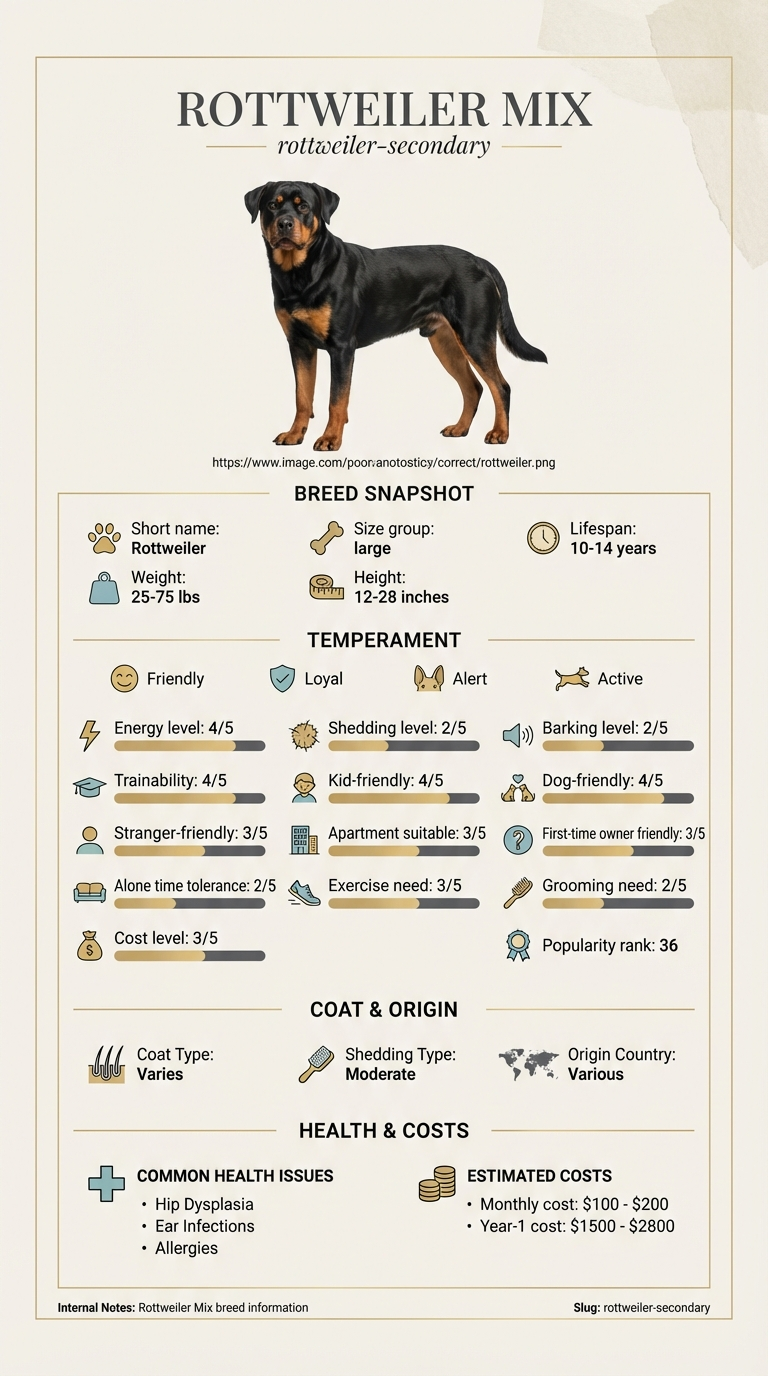
Typically, first-time dog owners or those unfamiliar with Rottweiler Mix health issues might struggle with recognizing the signs and finding effective solutions. Busy families and individuals with active lifestyles may also find it challenging to manage their dog's needs while dealing with this condition.
This guide is not medical advice. If your dog shows pain, sudden behavior change, or worsening symptoms, consult a licensed veterinarian.
Some links may be affiliate links. We may earn a commission at no extra cost to you. We only suggest products we believe are helpful for dog owners.
Rottweiler Mix patellar luxation is a common issue where the kneecap dislocates from its normal position. This can lead to limping, difficulty in walking, and signs of pain. Owners may notice their Rottweiler Mix favoring one leg or having trouble getting up from a seated position.
Patellar luxation occurs in about 20% of Rottweiler Mixes, making it a relatively common concern among owners. Many dogs will experience varying degrees of this issue, which can range from mild discomfort to more severe mobility challenges.
Patellar luxation can be influenced by the Rottweiler Mix's genetic background. Some breeds are predisposed to this condition due to inherited traits affecting their knee structure. Additionally, larger dogs like Rottweilers may experience more stress on their joints as they grow.
Environmental factors also play a role. Excessive weight, inadequate exercise, or injuries from rough play can contribute to patellar luxation. Poorly managed living conditions, such as slippery floors or inadequate support during growth phases, can exacerbate the issue.
If your Rottweiler Mix shows signs of discomfort or difficulty moving, it may be time to consult a professional trainer. A trainer experienced with patellar luxation can offer specific exercises and strategies to support your dog's recovery and prevent further issues.
Consult your vet if you notice persistent limping, swelling, or if your dog seems to be in pain. A vet can provide a proper diagnosis and recommend treatment options, including possible surgical interventions if necessary.
You can expect to see improvements in your Rottweiler Mix's patellar luxation symptoms within 6 to 12 weeks of consistent training and care.
Success looks like your dog showing less discomfort, a more stable gait, and improved mobility, allowing them to enjoy walks and playtime without pain.
Understanding common mistakes can help you avoid worsening your Rottweiler Mix's patellar luxation. Here are some behaviors to watch out for.
Understanding when Rottweiler Mix patellar luxation becomes an emergency is crucial for your dog's health. There are several red-flag signs that indicate you should call your vet immediately. Look for symptoms like severe limping, inability to bear weight on the affected leg, or intense pain when you touch the knee. If your dog shows any of these signs, do not wait; seek veterinary help right away.
On the other hand, mild cases of patellar luxation can usually be monitored at home. If your Rottweiler Mix occasionally skips or hops on a leg but resumes normal movement soon after, this might not require an immediate vet visit. You can watch for changes in behavior, such as reluctance to exercise or play. Keeping a close eye on your dog's activity level can help you determine if further action is needed.
If your dog has patellar luxation but is still able to walk and play, you can consult your vet for a management plan. Regular check-ups will help track the condition and determine if any interventions are necessary. Remember, it's better to be cautious. If you're ever in doubt, calling your vet is the best course of action.
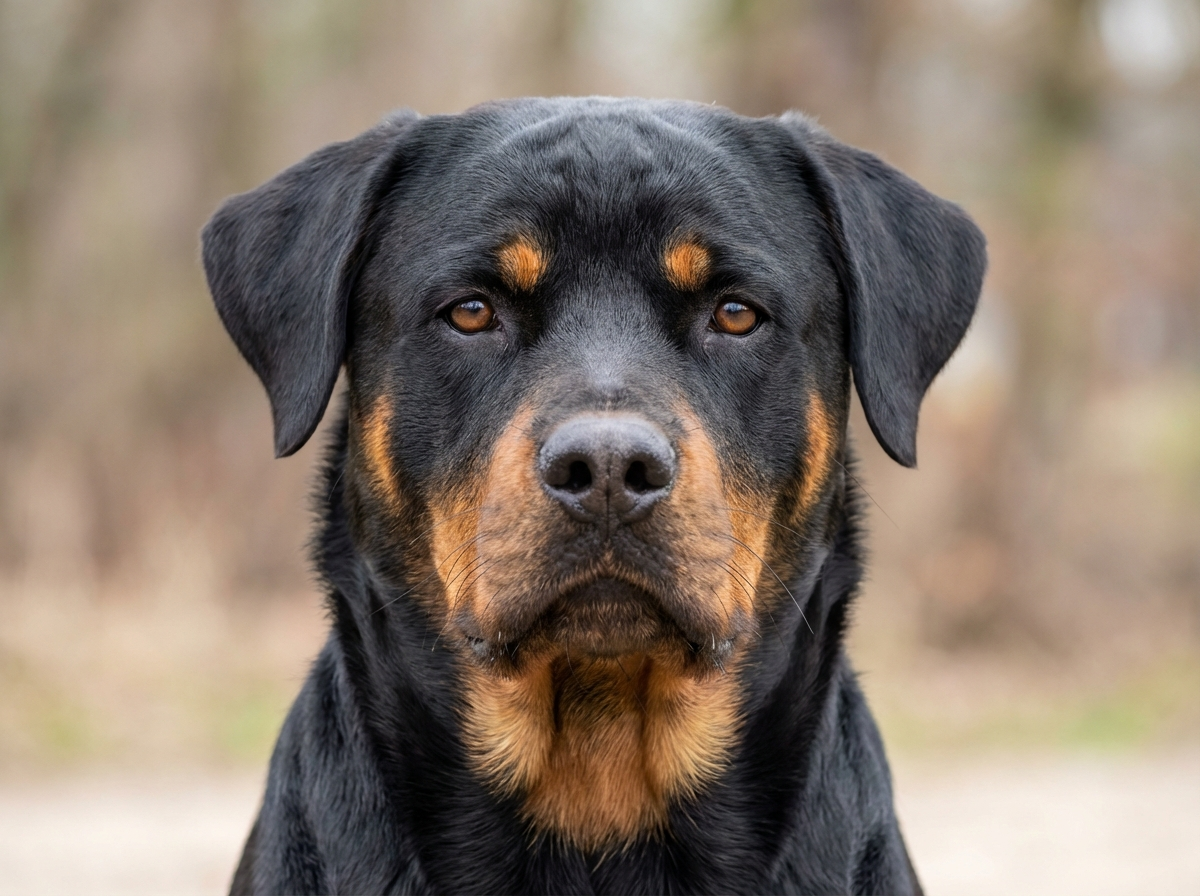
Jessica, a busy nurse in Dallas, noticed her Rottweiler Mix, Max, limping after playtime. She learned that Max had patellar luxation, which was causing his knee cap to dislocate. With guidance from her vet, she started a regimen of gentle exercises and weight management. Jessica also adjusted Max's playtime to reduce stress on his joints. After a few months of dedicated care, Max was much more active and joyful, running around the yard without limping.
Key takeaway: Consistent training and care can significantly improve your Rottweiler Mix's quality of life when dealing with patellar luxation.
Patellar luxation in Rottweiler Mixes can be due to genetics, especially if their parents had similar issues. It can also arise from injury or poor alignment of the knee joint. Early detection and proper care are essential to manage this condition.
To manage patellar luxation, you should maintain a healthy weight for your Rottweiler Mix to reduce stress on the joints. Regular, low-impact exercise can help strengthen the muscles around the knee. Consult your vet for a tailored exercise plan and potential surgical options if necessary.
Common signs include limping, difficulty walking, or sudden changes in gait. You might notice your dog occasionally lifting a leg as if it's in pain. If you see these behaviors, it's crucial to visit your vet for a thorough examination.
Yes, patellar luxation can often be managed with a combination of weight management, physical therapy, and, in severe cases, surgery. Early intervention is key to preventing further joint damage. Regular veterinary check-ups will help monitor the condition.
Training can help by encouraging controlled movements and reducing strain on the knee. Focus on gentle exercises that strengthen the leg muscles without overexerting them. A professional trainer familiar with this condition can provide valuable guidance.
If your dog shows signs of pain, limit their activity and consult your veterinarian immediately. They may recommend pain management strategies or further diagnostic tests to assess the severity of the issue. Early intervention is vital for a better outcome.
Common signs of patellar luxation include limping, difficulty jumping, and a tendency to hold one leg up. You may also notice your Rottweiler Mix suddenly changing their gait or favoring one side more than the other.
To help your Rottweiler Mix with patellar luxation, focus on maintaining a healthy weight and providing joint supplements. Regular, low-impact exercise can also aid in keeping their muscles strong and supportive.
If your Rottweiler Mix shows persistent limping or signs of pain, it's essential to see a vet. Additionally, if you notice any swelling around the knee or if your dog seems to be in distress, contact your vet right away.
Yes, patellar luxation can be hereditary, especially in breeds like the Rottweiler. If you're considering breeding, it's crucial to have both parents screened for joint issues to reduce the risk in the puppies.
Surgery may be necessary for Rottweiler Mixes with severe patellar luxation, especially if they experience frequent dislocations. Your vet will assess the severity and recommend the best course of action, which may include surgical options to stabilize the knee.
Ensure your Rottweiler Mix maintains a healthy weight and provide low-impact exercises. Regular vet check-ups are crucial to monitor joint health.
Surgery may be required in severe cases, but many dogs respond well to non-surgical management. Always consult your vet for the best approach.
Yes, training can help strengthen your dog's muscles and improve their gait, reducing the risk of further issues. Focus on gentle, controlled movements.
Costs can vary, with initial vet visits ranging from $100 to $300. Surgical options can be significantly more, so discuss your budget with your vet.


