Behavior
What are quick tips for managing Rottweiler Mix gastric dilatation-volvulus (gdv/bloat)?
Feed smaller meals multiple times a day and avoid strenuous activity after eating. Monitor for symptoms and contact your vet if you suspect GDV.
Gastric dilatation-volvulus (GDV), or bloat, is a serious condition that can be life-threatening for your Rottweiler Mix. (Rottweiler Mix gastric dilatation-volvulus (gdv/bloat))
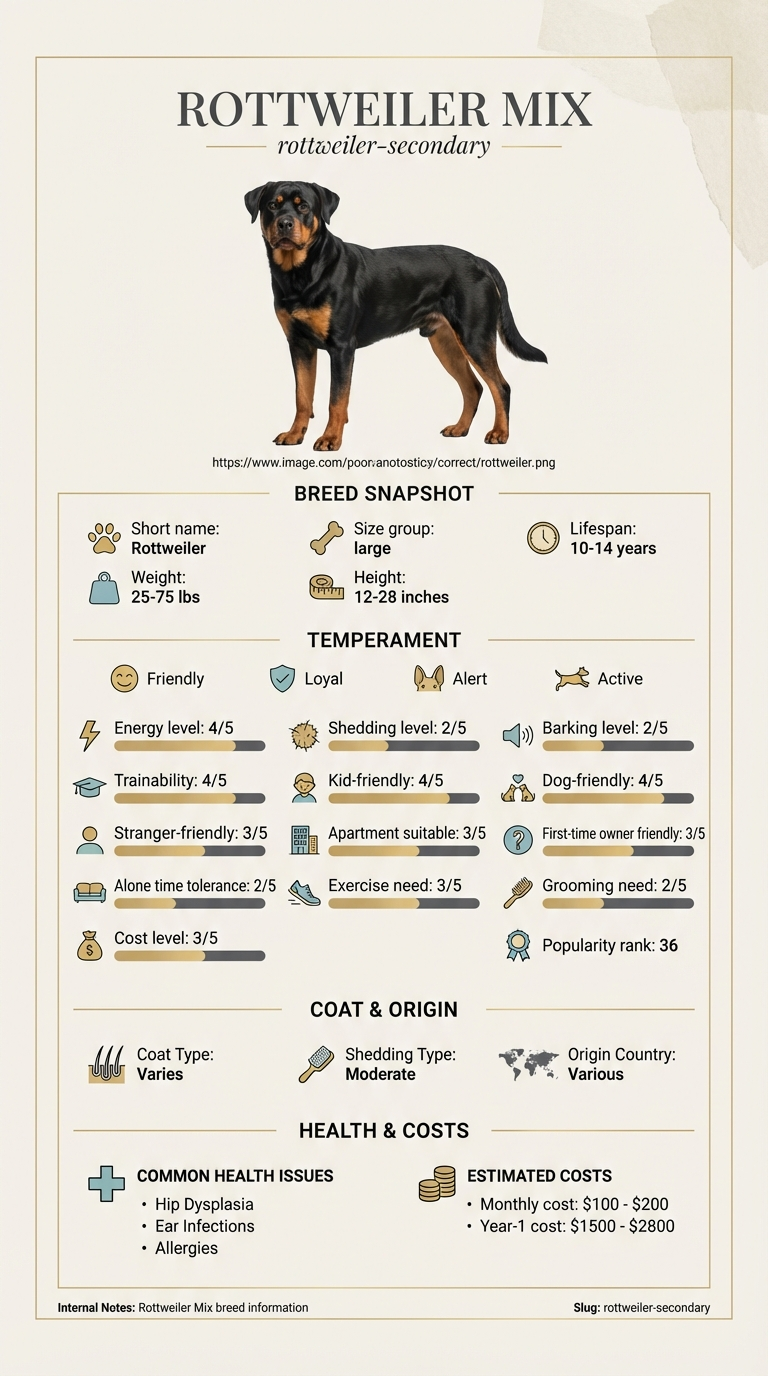
Typically, Rottweiler Mix owners, especially those with busy lifestyles or first-time pet parents, may struggle to identify the warning signs of GDV. Owners who are unaware of this condition might find themselves in a panic if their dog suddenly shows distress.
This guide is not medical advice. If your dog shows pain, sudden behavior change, or worsening symptoms, consult a licensed veterinarian.
Some links may be affiliate links. We may earn a commission at no extra cost to you. We only suggest products we believe are helpful for dog owners.
Rottweiler Mix gastric dilatation-volvulus (GDV/bloat) is a serious and potentially life-threatening condition. It occurs when the stomach fills with gas and twists on itself, leading to severe pain and distress. This can result in rapid breathing, drooling, and restlessness, making it vital for owners to recognize the signs early.
GDV is unfortunately common among large dog breeds, including Rottweiler Mixes. While some may never experience it, others are at a higher risk, particularly if they have a family history of the condition.
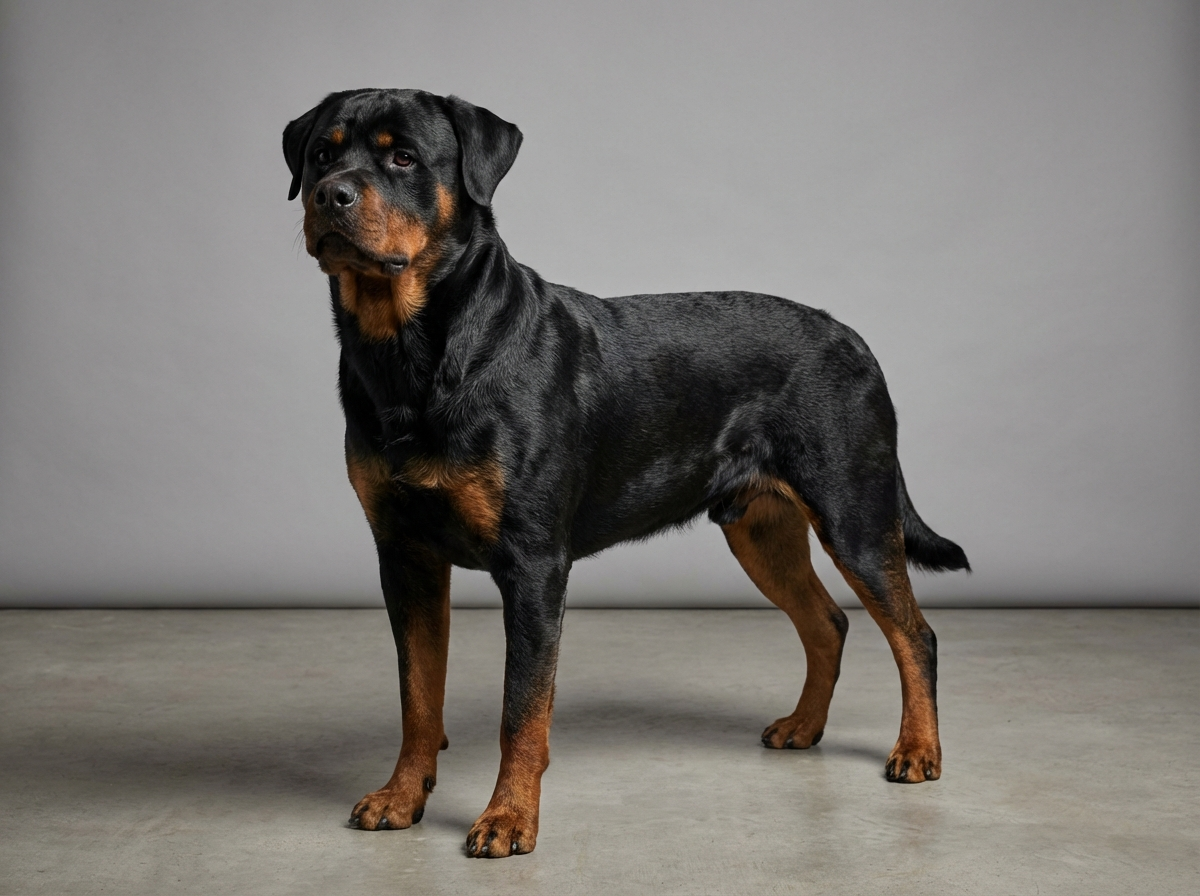
Rottweiler Mixes are large, deep-chested dogs. This breed structure can predispose them to gastric dilatation-volvulus (GDV), commonly known as bloat. Their instinct to consume food quickly can further increase the risk of this life-threatening condition.
Stressful environments, such as loud noises or unfamiliar surroundings, can trigger anxiety in Rottweiler Mixes. This anxiety may lead to rapid eating or drinking, which can contribute to bloat. Additionally, factors like exercise after meals or feeding from elevated bowls can increase the likelihood of GDV.
If your Rottweiler Mix shows signs of anxiety or stress around mealtime, consider consulting a dog trainer. They can provide strategies to help manage your dog's behavior and create a more relaxed eating environment.
If your dog shows symptoms of GDV, such as bloating, restlessness, or attempts to vomit without success, seek veterinary help immediately. It's crucial to address these symptoms quickly, as GDV can be life-threatening.
You should expect to see improvements within a few weeks of implementing changes. However, it may take several months to fully manage the condition.
Success means your Rottweiler Mix shows fewer signs of discomfort, maintains a healthy appetite, and has stable digestion without recurring episodes of bloat.
Avoid these common mistakes to help your Rottweiler Mix deal with gastric dilatation-volvulus (GDV/bloat) more effectively.
Gastric Dilatation-Volvulus (GDV), commonly known as bloat, is a serious condition that can be life-threatening for your Rottweiler Mix. Recognizing the signs of an emergency is crucial for the health and safety of your dog. If your Rottweiler Mix shows any of the following red-flag symptoms, you should call your vet immediately.
Signs that require urgent attention include: - Rapid swelling of the abdomen - Unproductive attempts to vomit - Excessive drooling - Weakness or lethargy - Signs of pain, such as whining or pacing These symptoms indicate that your dog needs immediate veterinary care to prevent severe complications.
On the other hand, some milder signs can be monitored at home. If your Rottweiler Mix shows signs like occasional bloating or mild discomfort but is still eating, drinking, and playing normally, you can watch and wait. In these cases, it’s wise to have a plan in place. Keep track of your dog's behavior and consult your vet if symptoms persist or worsen. A proactive approach can help ensure your dog's health without unnecessary panic. Remember, when in doubt, it's always better to seek professional advice.
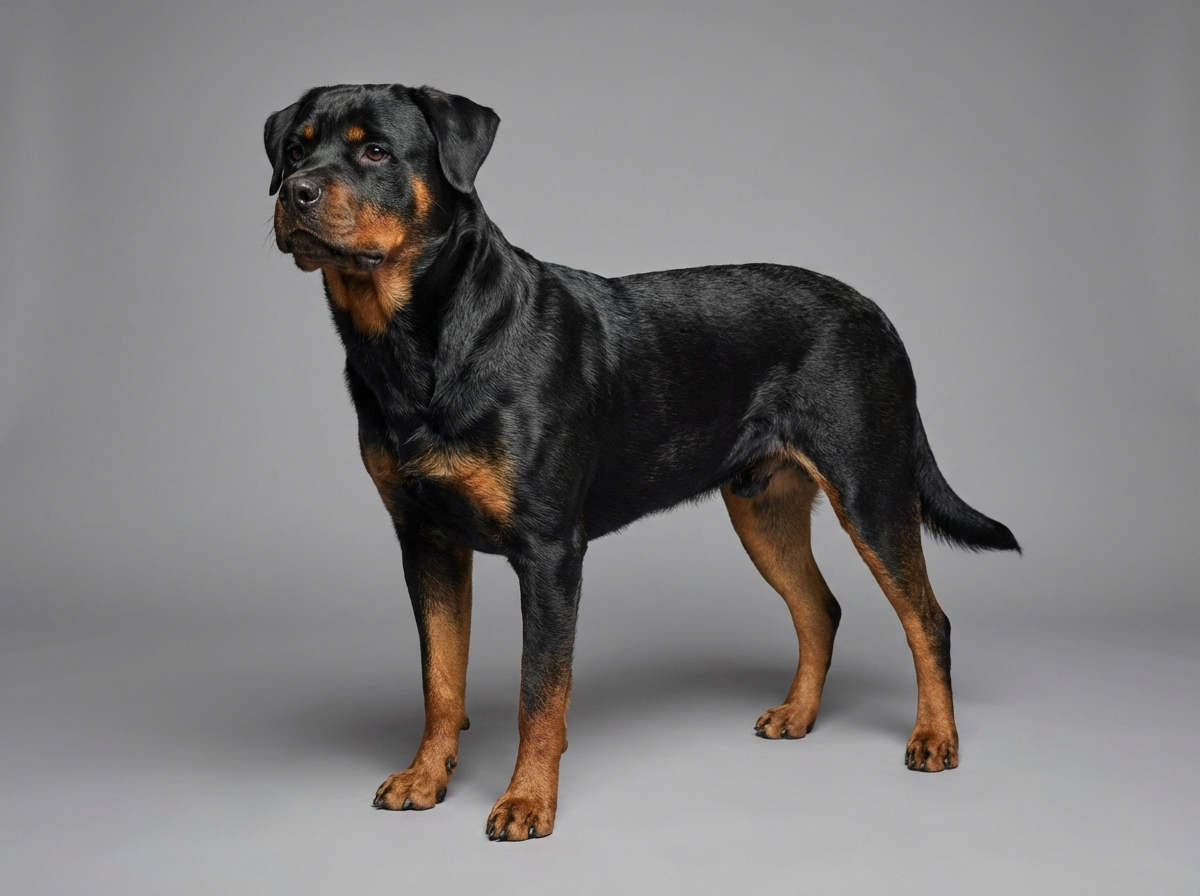
Maria, a busy veterinary technician, noticed that her Rottweiler Mix, Max, often bloated after meals. Initially, she thought it was just a phase. After a scary visit to the vet revealed GDV, Maria learned the importance of feeding Max smaller meals throughout the day and avoiding vigorous exercise right after eating. She also adopted a slow feeder bowl to help him eat more slowly. With patience and consistency, Max's episodes decreased significantly, allowing him to enjoy his meals without fear.
Key takeaway: Managing Rottweiler Mix gastric dilatation-volvulus (gdv/bloat) requires a proactive approach to feeding and exercise, which can lead to a healthier and happier pet.
Gastric dilatation-volvulus (GDV) in Rottweiler Mixes can be caused by various factors, including genetics, rapid eating, and stress. Large, deep-chested breeds are more prone to this life-threatening condition. It's essential to monitor your dog's eating habits and stress levels to help prevent GDV. This answer relates to Rottweiler Mix gastric dilatation-volvulus (gdv/bloat).
To help reduce the risk of GDV in your Rottweiler Mix, feed smaller, more frequent meals instead of one large meal. Avoid vigorous exercise immediately after eating, and consider using elevated feeding bowls. Regular vet check-ups are crucial for early detection of any health issues.
Symptoms of GDV include a swollen abdomen, retching without vomiting, excessive drooling, and restlessness. If you notice any of these signs, seek immediate veterinary assistance, as GDV can be fatal if not treated promptly.
A diet that includes high-quality, easily digestible food can help prevent GDV. Avoid feeding large amounts of dry kibble at once, and consider incorporating wet food or adding water to dry food to make it easier for your dog to consume.
Training can play a role in reducing stress and anxiety, which are risk factors for GDV. Teaching your Rottweiler Mix to eat calmly and providing positive reinforcement during mealtime can help create a more relaxed eating environment.
Early signs of gastric dilatation-volvulus (gdv/bloat) in Rottweiler Mixes include restlessness, pacing, and signs of discomfort such as whining or drooling. You may also notice a swollen abdomen or attempts to vomit without producing anything. If you see these symptoms, it's crucial to contact your vet immediately.
Preventing gastric dilatation-volvulus (gdv/bloat) can involve feeding your Rottweiler Mix smaller, more frequent meals instead of one large meal. Also, avoid vigorous exercise right after eating, and consider using a slow feeder to reduce gulping. These steps can help lower the risk of this serious condition.
Yes, older Rottweiler Mixes can be at a higher risk for gastric dilatation-volvulus (gdv/bloat). Age can contribute to the weakening of stomach muscles and other health issues. It’s essential to monitor their eating habits and overall health closely as they age.
Gastric dilatation-volvulus (gdv/bloat) can have a hereditary component in Rottweiler Mixes, especially if one or both parents have had the condition. While genetics can play a role, environmental factors and lifestyle also significantly contribute to the risk. Consult with your vet about your dog's lineage and risk factors.
If your Rottweiler Mix is diagnosed with gastric dilatation-volvulus (gdv/bloat), immediate veterinary attention is critical. Treatment often requires emergency surgery to relieve the pressure and fix the stomach's position. Follow-up care and lifestyle adjustments will likely be necessary to prevent future occurrences.
Feed smaller meals multiple times a day and avoid strenuous activity after eating. Monitor for symptoms and contact your vet if you suspect GDV.
Create a calm eating environment and consider using training techniques to reduce stress around mealtime. A relaxed dog is less likely to experience GDV.
Treatment for GDV often involves emergency surgery, which can cost between $1,500 and $3,000. Early detection can save lives and reduce costs.