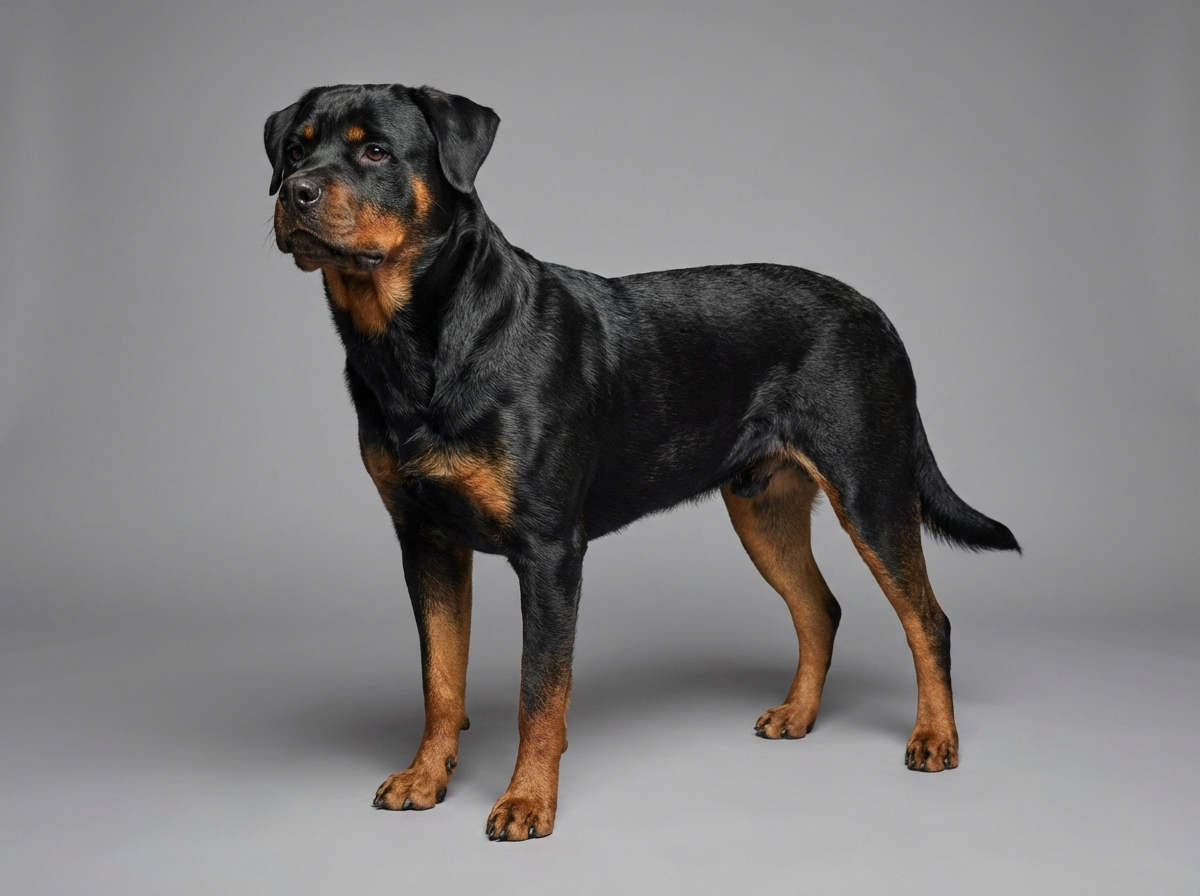
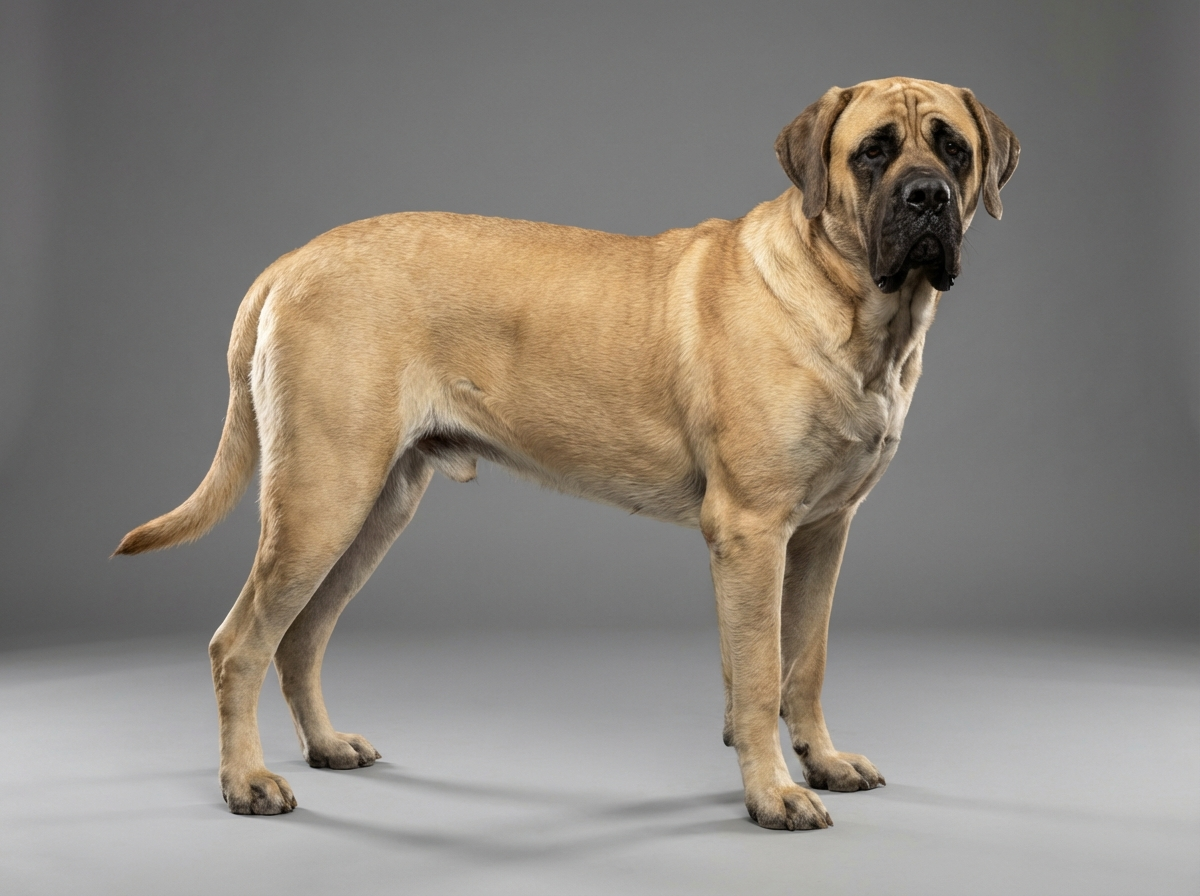
Behavior
What are quick tips for Rottweiler Mix cherry eye?
Keep your Rottweiler Mix's eyes clean and avoid irritants. Regular vet visits are crucial for monitoring eye health.

Quick answer
What are quick tips for Rottweiler Mix cherry eye?
Keep your Rottweiler Mix's eyes clean and avoid irritants. Regular vet visits are crucial for monitoring eye health.
Cherry eye can be a painful and distressing condition for your Rottweiler Mix. This issue occurs when the gland in the eyelid prolapses, making it visible.
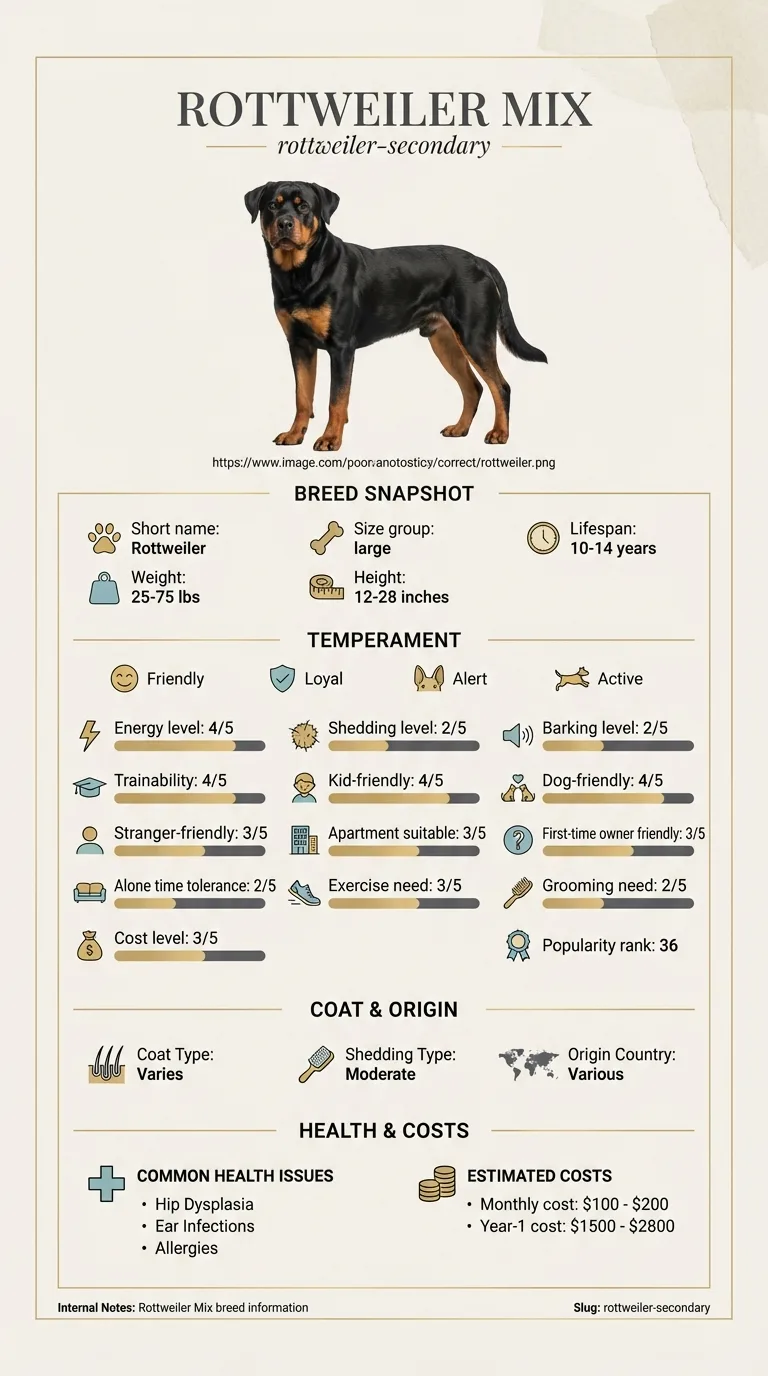
Many Rottweiler Mix owners face this problem, especially those who are not familiar with common eye conditions. First-time dog owners and busy families may feel overwhelmed when they notice their dog has cherry eye.
This guide is not medical advice. If your dog shows pain, sudden behavior change, or worsening symptoms, consult a licensed veterinarian.
Some links may be affiliate links. We may earn a commission at no extra cost to you. We only suggest products we believe are helpful for dog owners.
We research and check what we publish, but we do not warrant that any figure, date, price, or statement is accurate, complete, or current, and we accept no liability for any loss, cost, injury, or other harm arising from the use of this site. Use it as one reference among several. You remain responsible for your own decisions and for your dog's care - confirm anything that matters with a licensed veterinarian or another qualified professional before you act on it. Full disclaimer.
Check this first
Cherry eye in a Rottweiler Mix can sometimes be a serious issue. It's essential to recognize when it's time to contact your vet immediately versus when you can monitor the condition at home. If your dog's eye is swollen, red, or oozing discharge, these are red flags that warrant an urgent vet visit. Additionally, if your Rottweiler Mix is showing signs of pain, such as pawing at the eye or excessive squinting, you should seek help right away.
On the other hand, if your dog has a mild case of cherry eye that doesn’t seem to be causing any distress, you might not need to rush to the vet. Monitor for any changes in the appearance of the eye or your dog's behavior. If the cherry eye is not affecting their vision or causing discomfort, a watch-and-wait approach may be appropriate. In such cases, consider scheduling a vet appointment for a later date to discuss potential treatment options.
Overall, understanding the signs of an emergency can help you act quickly and ensure your Rottweiler Mix receives the care they need. Always err on the side of caution if you’re unsure.
If any of these apply, call your vet or an emergency clinic now. The rest of this page is for the cases that are not an emergency.
Cherry eye is a common issue in Rottweiler Mixes, where a gland in the eyelid protrudes, creating a noticeable red lump. This condition can affect the dog's appearance and may lead to discomfort, tearing, or irritation. It’s often triggered by stress, allergies, or genetics, making it essential for owners to be aware of the signs.
Cherry eye is fairly common in Rottweiler Mixes, particularly in younger dogs. While not every Rottweiler Mix will experience this, it's a known risk that many owners should be prepared for.
Rottweiler Mixes may have a genetic predisposition to cherry eye, which occurs when the gland in the third eyelid prolapses. This condition is often seen in breeds with loose skin or those bred for certain physical traits. Their larger size and specific facial structure can make them more susceptible to this issue.
Environmental factors such as dry air, allergens, or irritants can also contribute to cherry eye. Stressful situations, like changes in the household or lack of proper care, may exacerbate the condition. Poor nutrition can lead to weakened tissues around the eyes, increasing the risk of gland prolapse.
If cherry eye persists or worsens, it’s important to consult your vet. They can assess whether surgical intervention is necessary to correct the gland prolapse. Additionally, if you notice other symptoms like excessive tearing or redness, a vet visit is crucial.
Avoiding these common mistakes can help improve your Rottweiler Mix's cherry eye condition. Here are some behaviors to steer clear of.
Start here: Rottweiler Mix Genetic Disorders: What to Screen For
See all Rottweiler Secondary health problems, which breeds are prone to cherry eye, or the full Rottweiler Secondary breed guide for temperament, exercise needs and ownership costs.
You can expect to see improvements in about 4 to 6 weeks with consistent care and follow-up with your vet.
Success means your Rottweiler Mix will have less visible symptoms of cherry eye and a more comfortable eye area, allowing them to enjoy their daily activities.
When Mia adopted Jake, her Rottweiler Mix, she noticed a red bulge in his eye, which turned out to be cherry eye. After doing some research, she learned that while it’s not an emergency, it can be uncomfortable for her pup. Determined to help Jake, she consulted her vet and started a combination of gentle eye exercises and a tailored training regimen to reduce his anxiety and eye irritation. Over the course of a few weeks, Mia consistently practiced these techniques and kept Jake’s environment stress-free. Gradually, the swelling decreased, and Jake seemed much happier.
Key takeaway: With patience and proper care, you can effectively manage cherry eye in your Rottweiler Mix, improving their comfort and well-being.
The main sign of cherry eye in your Rottweiler Mix is a visible swelling or lump in the inner corner of the eye. You might also notice your dog rubbing or scratching at their eye. If you see these signs, it's important to consult your vet.
To manage cherry eye, start by keeping your dog's eyes clean and free of irritants. Regular vet check-ups are essential for monitoring any changes. In some cases, surgical intervention may be recommended if the issue persists.
Cherry eye can occur in Rottweiler Mixes, though it's not exclusive to this breed. Genetics can play a role, and certain mixes might be more prone to this issue. If your Rottweiler Mix has a history of eye problems, stay vigilant about signs of cherry eye.
While cherry eye isn’t usually an emergency, it can lead to discomfort and other eye issues if untreated. Early intervention is key to preventing complications, so consult your vet promptly.
While not all cases can be prevented, maintaining a healthy lifestyle for your Rottweiler Mix can help. This includes proper nutrition, regular exercise, and minimizing stress to support overall eye health.
While some minor cases of cherry eye may resolve on their own, surgery is often the most effective treatment. Non-surgical options, like medications, may provide temporary relief but typically do not fix the problem long-term. Always discuss your options with a veterinarian.
Cherry eye commonly appears in younger dogs, typically between 6 months and 2 years of age. However, it can develop at any age. Regular eye check-ups can help catch issues early.
If your older Rottweiler Mix develops cherry eye, it's best to consult your vet promptly. Older dogs may have different health considerations, and your vet can recommend the safest treatment options tailored to your dog's needs.
Keep your Rottweiler Mix's eyes clean and avoid irritants. Regular vet visits are crucial for monitoring eye health.
Use a damp cloth to gently wipe around the eyes and check for any signs of irritation. Consult your vet for specific at-home care tips.
Treatment costs can vary, ranging from $100 to $1,000 depending on the severity and whether surgery is needed.
Cherry eye can cause discomfort, which may lead to increased irritability or anxiety in your Rottweiler Mix. Addressing it early can help maintain their temperament.
A one-page prep sheet for this condition: the signs, the questions to ask, what to get priced. Unlocks here.
You get: Vet visit prep sheet
No spam. One-click unsubscribe. See our privacy policy.
Preview page 1 before you decide.