Behavior
What are quick tips for managing Rottweiler luxating patellas?
Keep your Rottweiler at a healthy weight and engage in low-impact exercises. Consult your vet for a tailored exercise plan and consider joint supplements for added support.
Rottweiler luxating patellas can be a painful and frustrating issue for both dogs and their owners. This condition involves the dislocation of the knee cap, which can impact your dog's mobility.
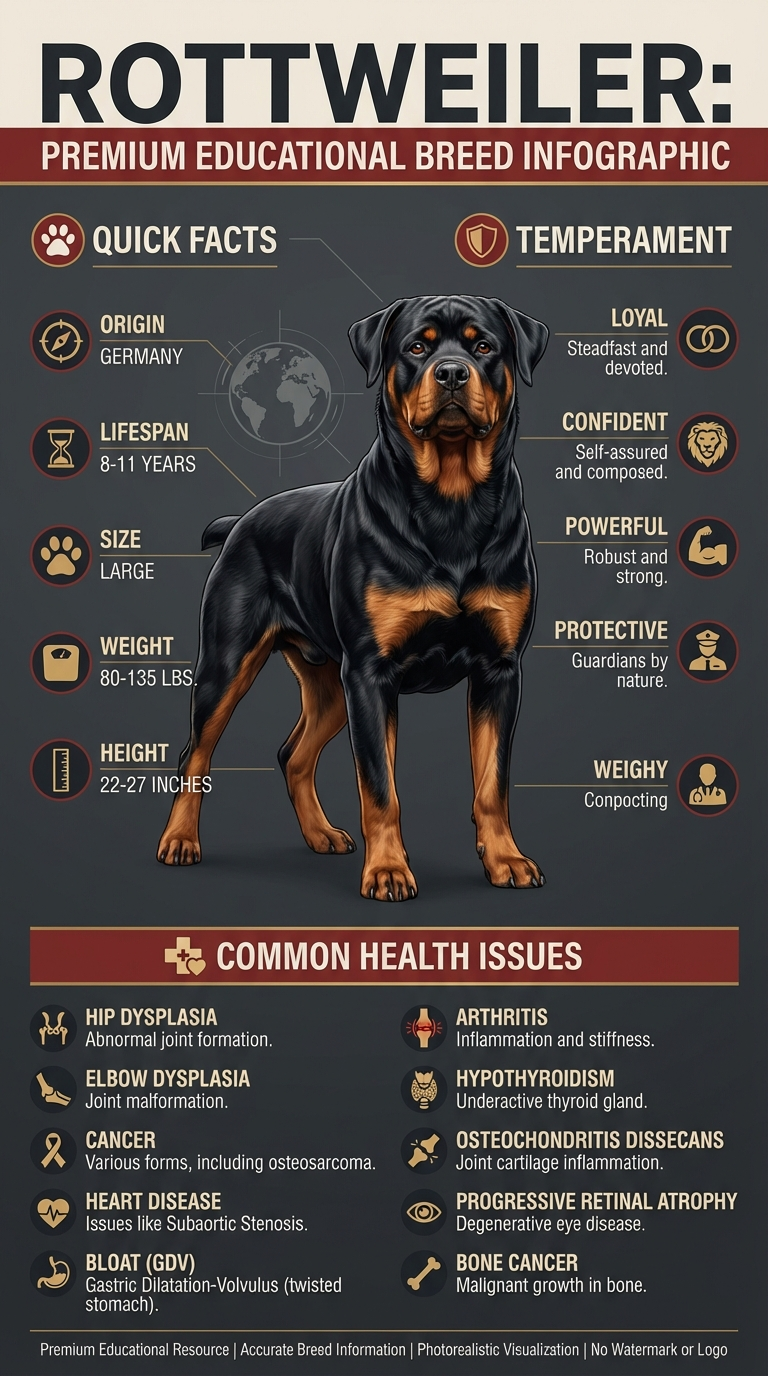
Owners of Rottweilers, especially those who are first-time dog parents, often struggle with this issue. It's particularly challenging for busy families or individuals who may not recognize the signs early enough to seek help.
This guide is not medical advice. If your dog shows pain, sudden behavior change, or worsening symptoms, consult a licensed veterinarian.
Some links may be affiliate links. We may earn a commission at no extra cost to you. We only suggest products we believe are helpful for dog owners.
Rottweiler luxating patellas is a condition where the kneecap dislocates from its normal position. This can cause your Rottweiler pain and difficulty in walking. It's important to recognize this issue early to ensure your dog remains active and comfortable.
Luxating patellas are fairly common in Rottweilers and can affect up to 20% of the breed. This condition often becomes noticeable in young dogs, especially during play or exercise, and can lead to more serious issues if not addressed.
Rottweilers can inherit luxating patellas due to their genetic makeup. This breed is prone to certain structural issues in their joints, especially the knees. Weak ligaments and misalignment in the leg bones can make them more susceptible to this condition.
Environmental factors can also play a role in luxating patellas. High-impact activities or sudden movements on hard surfaces can stress the knees. Inadequate exercise and obesity can worsen joint problems, making it crucial to maintain a healthy weight and provide appropriate physical activity.
If your Rottweiler shows consistent difficulty with mobility or specific training challenges related to their luxating patellas, consider hiring a professional trainer. They can provide tailored exercises and techniques to help your dog navigate their condition safely.
If your Rottweiler experiences pain, swelling, or persistent limping, it's essential to consult your vet. They can assess the severity of the condition and recommend appropriate treatments, which may include therapy or surgery.
It may take several weeks to months to effectively manage Rottweiler luxating patellas, depending on the severity. Consistency in training and care is key to seeing improvement.
Success means your Rottweiler can walk and run comfortably without frequent dislocations. You'll notice a decrease in limping and pain, and your dog will be more active and engaged.
Avoiding common mistakes can help improve your Rottweiler's condition. Here are some behaviors to watch out for, along with safer alternatives.
Knowing when Rottweiler luxating patellas requires immediate attention is crucial for your dog’s health. There are clear signs that indicate it's time to call your vet right away. If your Rottweiler is showing signs of severe pain, such as whimpering or being unable to bear weight on their leg, these are red flags.
Other emergency signs include noticeable swelling around the knee, limping that suddenly worsens, or if your dog is reluctant to move at all.
On the other hand, if your Rottweiler has mild luxating patellas with occasional dislocation but is still active and seems comfortable, you can monitor the situation. Look out for minor limping or temporary leg positioning, as these can sometimes be managed with rest and gentle exercise. A gradual improvement during these mild episodes usually means you can wait before seeking urgent care.
However, if the mild symptoms persist or worsen, consulting your vet is important to prevent long-term issues. Regular check-ups can help you create a plan for managing your Rottweiler's luxating patellas effectively.

Emily, a first-time Rottweiler owner, noticed her dog Max limping after playtime. After a vet visit confirmed he had luxating patellas, she felt overwhelmed. Emily learned how to manage his condition through targeted training and weight management. She created a structured routine that included low-impact exercises and regular vet check-ups. Over time, Max showed significant improvement, and Emily felt relieved to see him playing without discomfort.
Key takeaway: With the right approach and commitment, managing Rottweiler luxating patellas can lead to a happier, more active life for your dog.
Rottweilers can develop luxating patellas due to genetic factors, injuries, or issues with their knee structure. This condition causes the kneecap to dislocate, leading to pain and mobility issues. Regular vet check-ups can help catch this early.
To manage luxating patellas in Rottweilers, start with a veterinarian-recommended exercise routine to strengthen the surrounding muscles. Weight management is also crucial, as excess weight can exacerbate the problem. In some cases, surgery may be necessary for severe dislocations.
Signs include limping, reluctance to exercise, or holding one leg off the ground. If you notice your Rottweiler frequently shifting weight or showing discomfort when getting up, consult your vet. Early detection can lead to better outcomes.
Treatment may include physical therapy, weight management, and medication to relieve pain. For severe cases, surgical intervention to realign the kneecap might be necessary. Always discuss options with your vet for the best approach.
Yes, if left untreated, luxating patellas can lead to arthritis or chronic pain due to joint damage. Regular veterinary care and monitoring can help prevent further complications. Follow your vet's guidance for maintaining joint health.
Common signs include limping, difficulty in walking, or sudden yelps of pain when moving. You might also notice your Rottweiler occasionally skipping or holding up a leg after playing.
Yes, older Rottweilers can develop luxating patellas as a result of arthritis or wear and tear on their joints. Regular vet check-ups are important to monitor their joint health.
Luxating patellas can be due to genetic factors, conformation issues, or injury. It's essential to consult your vet for a proper diagnosis and treatment plan tailored to your Rottweiler's needs.
Treatment options range from physical therapy and anti-inflammatory medications to surgical procedures for severe cases. Your vet will help determine the best approach based on your dog's condition.
You can provide a safe, comfortable environment and limit jumping on and off furniture. Weight management and gentle exercise can also help maintain joint health and reduce discomfort.
Keep your Rottweiler at a healthy weight and engage in low-impact exercises. Consult your vet for a tailored exercise plan and consider joint supplements for added support.
Surgery is not always required but may be necessary for severe cases. Consult your vet to determine the best course of action based on your dog's specific condition.
Incorporate gentle exercises like swimming and avoid high-impact activities. Regular vet visits will help monitor your dog's condition and adjust their routine as needed.
Training can help strengthen the muscles around the knee and improve overall balance. Focus on gentle commands and consistent routines to support their mobility.
Watch for signs like whining, limping, or reluctance to move. If you notice these behaviors, consult your veterinarian for an evaluation.