Behavior
What are some quick tips for managing Poodle von willebrand's disease (vwd1)?
Keep your Poodle safe from injuries, monitor for bleeding, and maintain regular vet visits. A safe environment is key to managing vwd1 effectively.
Poodle von Willebrand's disease (vWD1) is a genetic bleeding disorder that can impact your dog's health and quality of life.
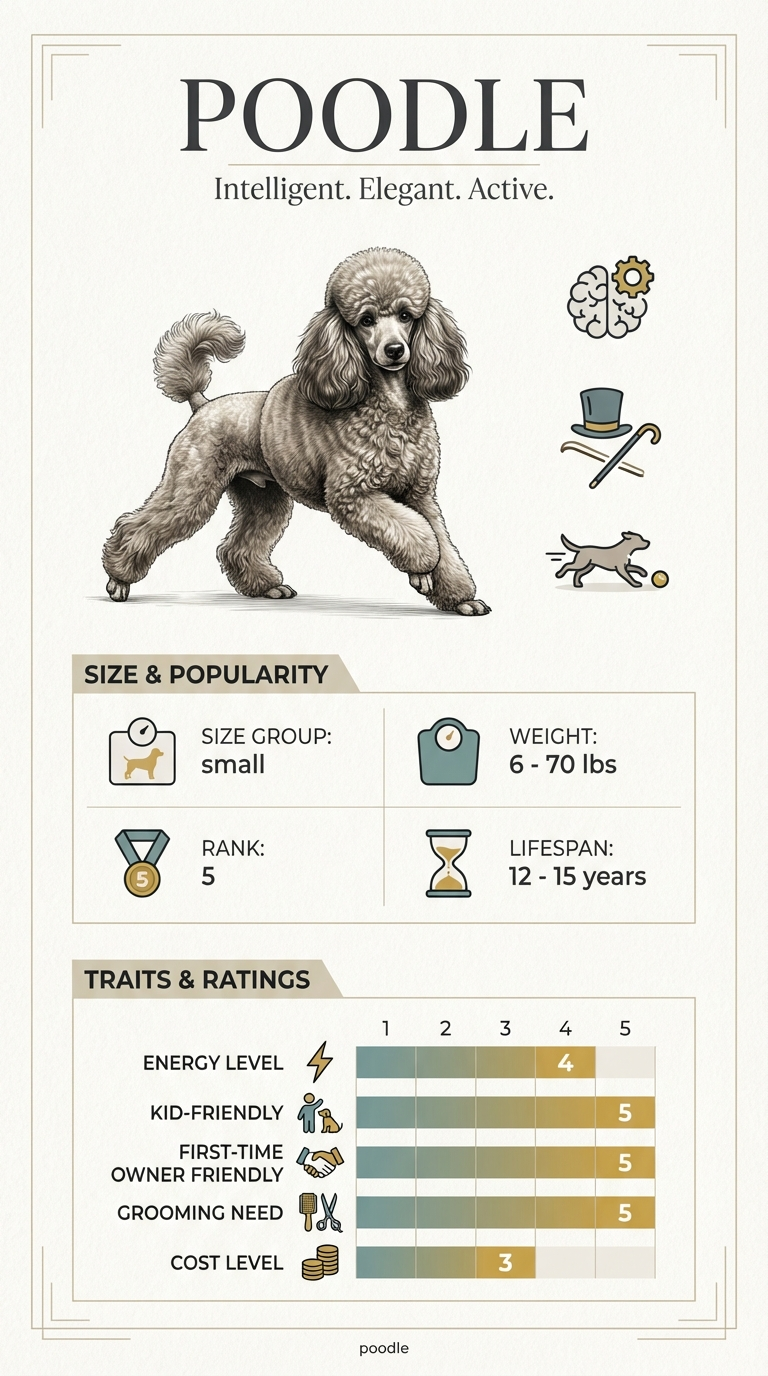
Many first-time Poodle owners or those who have just adopted an older dog may struggle with recognizing the signs of vWD1. Additionally, families with active Poodles might find this issue particularly concerning, as it can affect their dog's ability to play safely.
This guide is not medical advice. If your dog shows pain, sudden behavior change, or worsening symptoms, consult a licensed veterinarian.
Some links may be affiliate links. We may earn a commission at no extra cost to you. We only suggest products we believe are helpful for dog owners.
Poodle von Willebrand's disease (vWD1) is a genetic bleeding disorder that affects the blood's ability to clot. Day-to-day, this condition may manifest as excessive bleeding from minor cuts, prolonged bleeding after surgery, or unexplained bruising. It can be alarming for owners who may not know why their Poodle seems to bleed more than usual.
Von Willebrand's disease (vWD1) is relatively common in Poodles, especially in certain lines. While not every Poodle will be affected, it’s important for owners to be aware of this potential health issue, particularly if they have a family history of bleeding disorders.
Poodles are prone to von Willebrand's disease (vWD1) due to genetic factors. This bleeding disorder is inherited and affects their ability to form blood clots. If a Poodle has a family history of this condition, the likelihood of developing it increases significantly.
Environmental factors may also play a role in how vWD1 manifests. Stress, injuries, or other health issues can exacerbate the symptoms of this disease. If a Poodle experiences frequent stress or trauma, it may lead to more noticeable bleeding episodes.
If your Poodle shows signs of anxiety or fear related to their condition, consider consulting a professional trainer. A trainer experienced in dealing with anxious dogs can provide strategies to help your pet feel more secure.
If you notice any unusual bleeding or if your Poodle's symptoms worsen, it’s essential to talk to a vet. Regular check-ups can help monitor their health and adjust treatments as necessary. Discuss potential treatments or medications that may help manage von Willebrand's disease.
Managing Poodle von Willebrand's disease (vwd1) typically takes a few weeks to months. Regular vet visits and monitoring are essential during this time.
Success means your Poodle has stable health, fewer bleeding episodes, and a well-planned management routine that includes regular check-ups and lifestyle adjustments.
Managing Poodle von Willebrand's disease (vWD1) can be challenging. Here are some common mistakes owners make that can exacerbate the situation, along with safer alternatives.
Recognizing when Poodle von Willebrand's disease (vWD1) is an emergency is crucial for your dog's health. If your Poodle shows any signs of excessive bleeding, such as from the gums or nose, or if they have prolonged bleeding after a minor injury, these are red flags. In these cases, you should call your vet immediately.
Other serious signs include difficulty breathing, swelling of the abdomen, or any sudden lethargy. These symptoms can indicate a more severe complication related to vWD1 and require urgent care. On the other hand, if your Poodle has mild symptoms, like occasional nosebleeds or minor bruising without significant bleeding, you can monitor the situation at home. Keep track of any changes and consult your vet for advice on managing their condition.
However, if you notice any worsening symptoms or if your Poodle's energy levels drop significantly, don't hesitate to seek veterinary help. It's always better to be safe than sorry when it comes to your furry friend's health.
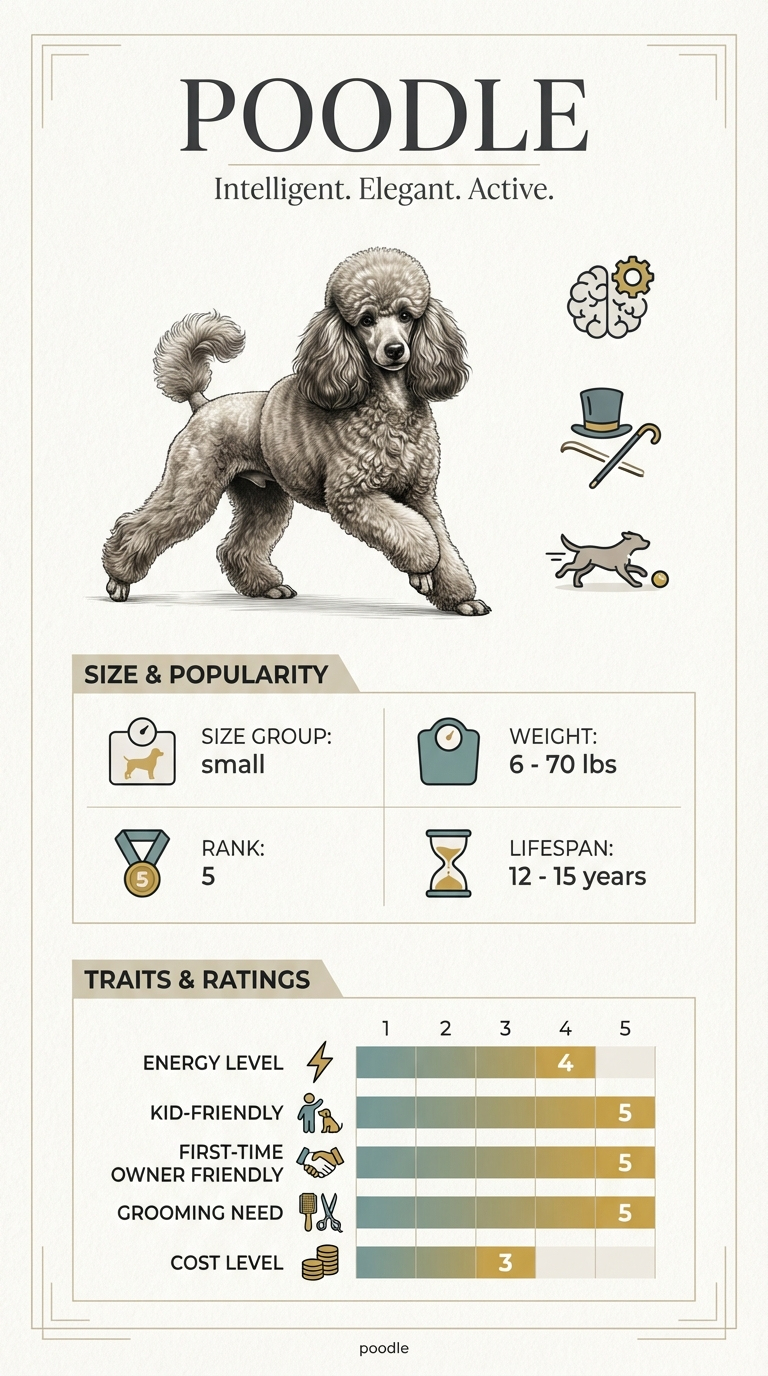
Jenna, a first-time dog owner, was excited to bring Max, her Poodle, home. Shortly after adoption, she noticed Max bruising easily and bleeding from minor cuts. After a visit to the vet, they diagnosed him with von Willebrand's disease (vwd1). Feeling overwhelmed, Jenna learned how to manage Max's condition through regular vet visits, dietary adjustments, and gentle exercise. Over time, she noticed fewer bleeding incidents, which helped her feel more confident as a pet parent. Jenna found a supportive online community that shared tips on training and caring for dogs with vwd1. This support transformed her experience with Max, turning initial fear into proactive care.
Key takeaway: Understanding and managing Poodle von Willebrand's disease (vwd1) is crucial for a successful pet-owner relationship. With the right support and information, you can help your dog live a happy, healthy life.
Poodle von willebrand's disease (vwd1) is a genetic bleeding disorder. It affects the blood's ability to clot, leading to excessive bleeding. This condition is common in Poodles and requires careful management.
Von Willebrand's disease is inherited and often caused by a genetic mutation. If your Poodle has a family history of bleeding disorders, they may be at higher risk. Regular check-ups can help identify this condition early.
Managing vwd1 involves regular vet check-ups and monitoring for signs of bleeding. It's crucial to limit activities that could cause injury. Your vet may recommend treatments like desmopressin to improve clotting.
Training won't cure vwd1, but it can help your Poodle learn to avoid risky situations. Focus on positive reinforcement techniques to keep them calm and safe. Consult your vet for specific training advice.
If your Poodle bleeds, apply gentle pressure to the wound and contact your vet immediately. Quick action is crucial in managing bleeding episodes. Always have a first aid kit ready for emergencies.
Yes, von willebrand's disease is relatively common among Poodles and other breeds. Genetic testing can determine if your dog is a carrier or affected. Knowing this can help you take preventive measures.
While you can't stop vwd1, you can manage it effectively. Regular vet check-ups, a safe environment, and awareness of bleeding signs are essential. Always follow your vet's recommendations for treatment.
Common signs of von Willebrand's disease (vWD1) in Poodles include excessive bleeding from cuts, nosebleeds, or prolonged bleeding after surgery. If you notice these symptoms, it's crucial to consult your vet for proper testing.
Yes, many Poodles with von Willebrand's disease (vWD1) can live normal, happy lives with proper management. Regular vet visits and avoiding high-risk activities can help keep your dog safe.
Diagnosis of von Willebrand's disease (vWD1) typically involves blood tests to check for clotting factors. Your vet may perform a specific test designed to measure the level of von Willebrand factor in your dog's blood.
While there's no specific diet to cure von Willebrand's disease (vWD1), a balanced diet that supports overall health is important. Speak with your vet about any dietary adjustments that may benefit your Poodle.
If your Poodle gets injured, it's important to stay calm and contact your vet immediately. Having a first-aid kit and knowing how to apply pressure to a bleeding wound can be crucial in emergencies.
Keep your Poodle safe from injuries, monitor for bleeding, and maintain regular vet visits. A safe environment is key to managing vwd1 effectively.
Focus on gentle training that emphasizes safety and calmness. Use positive reinforcement to encourage good behavior and avoid risky situations.
Include bandages, antiseptic wipes, and a muzzle. This can help manage bleeding and prevent your dog from injuring themselves further.
You should take your Poodle to the vet at least once a year for check-ups. More frequent visits may be necessary if they show signs of bleeding.
You can't prevent vwd1, but you can manage its effects. Genetic testing for breeding dogs can help reduce the incidence in future generations.


