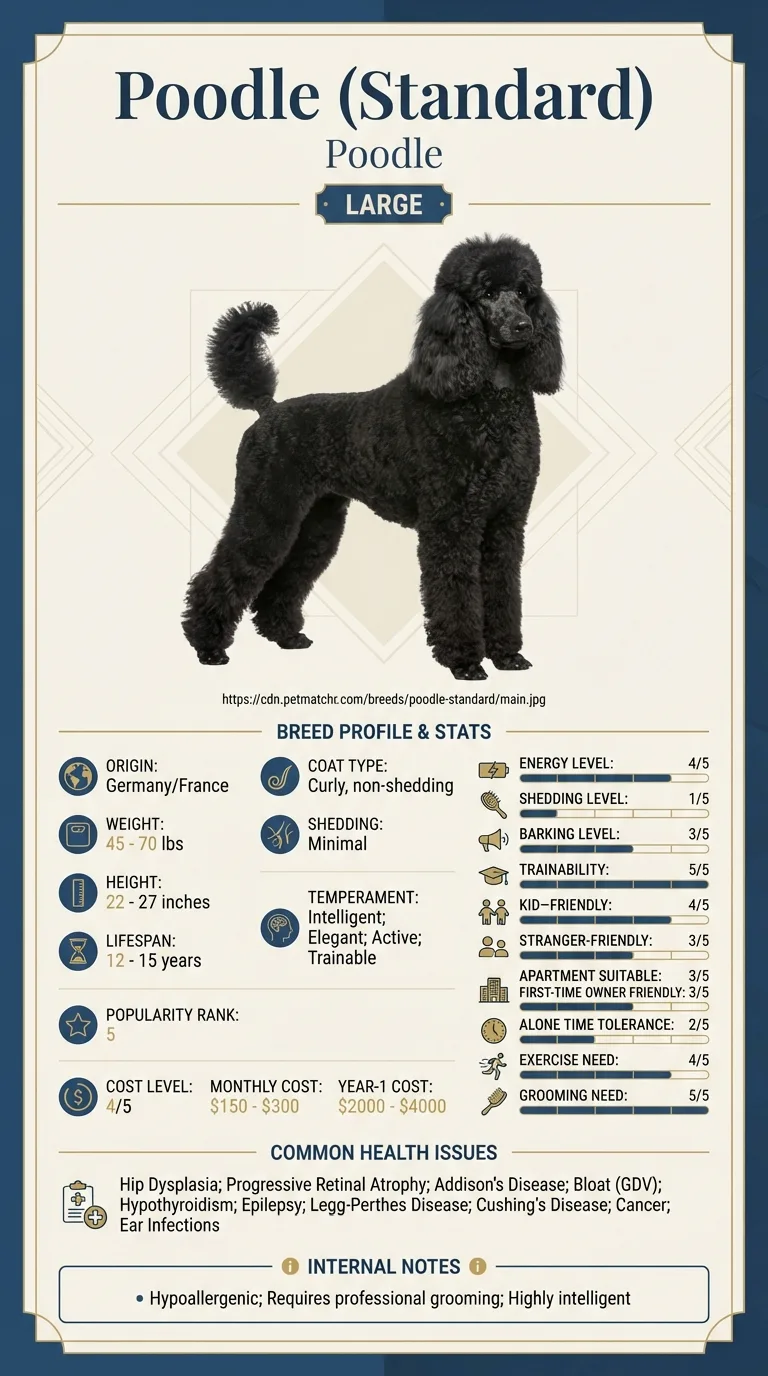
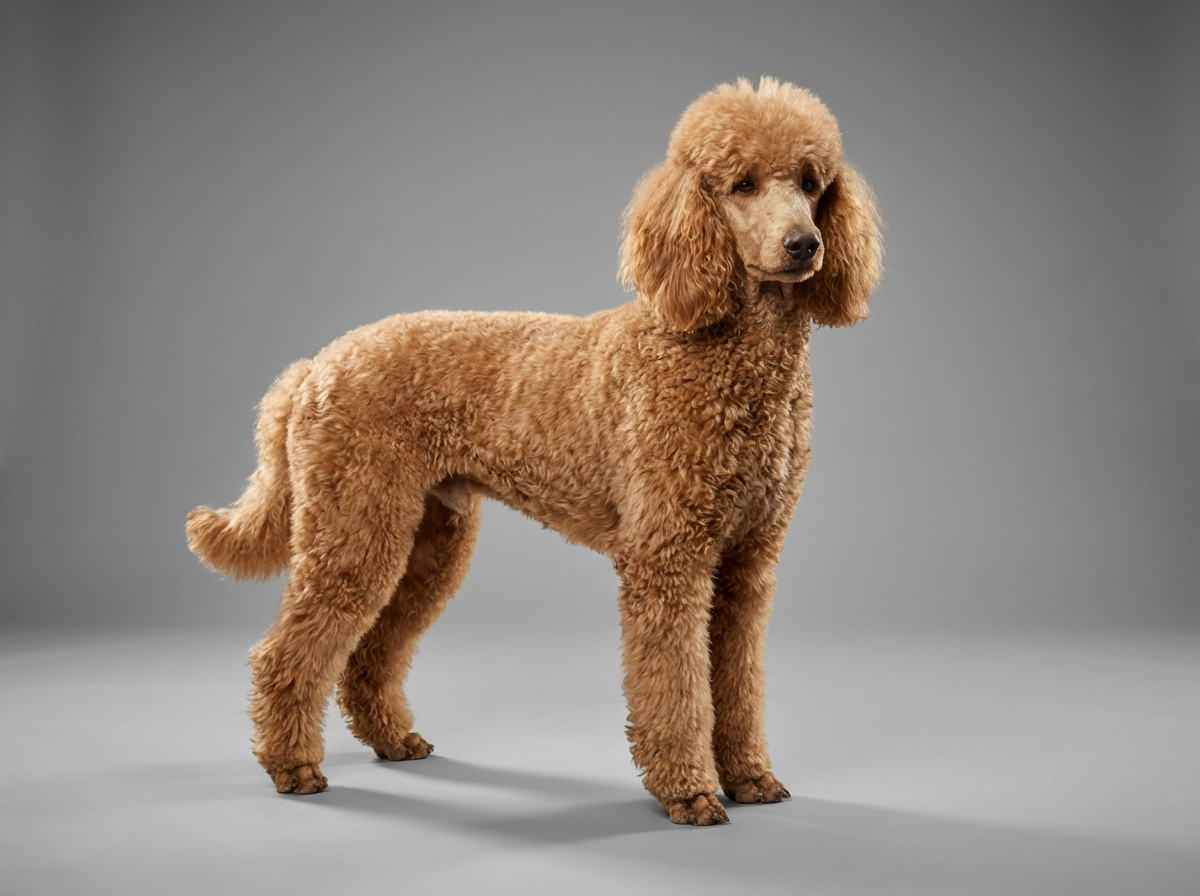
Understanding Poodle (Standard) Small Nostrils (Stenotic Nares)
Poodle (Standard) small nostrils (stenotic nares) can cause serious breathing problems for your dog. This issue makes it hard for them to get enough air, especially during physical activity.
Typical owners facing this issue are those who are new to the breed or those who may not recognize the signs early on. Busy families or individuals who exercise regularly with their Poodles might find it particularly challenging.
Important reminder
This guide is not medical advice. If your dog shows pain, sudden behavior change, or worsening symptoms, consult a licensed veterinarian.
Some links may be affiliate links. We may earn a commission at no extra cost to you. We only suggest products we believe are helpful for dog owners.
What this problem looks like
Poodle (Standard) small nostrils, or stenotic nares, can lead to significant breathing difficulties. This condition often causes your dog to snort, wheeze, or have a hard time catching their breath, especially during exercise or in hot weather. Many owners notice their Poodle struggling to breathe, which can be alarming and needs attention.
Common triggers
Hot or humid weather
Exertion during play or exercise
High-stress situations or anxiety
Stenotic nares are relatively common in Poodles (Standard), especially among those with more pronounced facial features. If you're a Poodle owner, it's important to be aware of this potential issue and monitor your pet's breathing closely.
Why this happens
Breed factors
Poodles (Standard) can inherit small nostrils due to their brachycephalic traits. This genetic predisposition often leads to stenotic nares, which can restrict airflow and cause breathing difficulties.
Environment factors
Environmental factors, such as exposure to allergens or irritants, can worsen breathing issues. Stress and anxiety may also exacerbate symptoms, making it harder for your Poodle to breathe comfortably.
What you can try
At-home strategies
Monitor your Poodle's breathing closely. If you notice wheezing or labored breathing, take action quickly.
Reduce exposure to allergens by keeping your home clean and using air purifiers. Regular grooming can help minimize allergens like dust and pollen.
Create a calm environment. Use calming aids like pheromone diffusers or soft music to reduce stress and anxiety in your Poodle.
When to consider a trainer
If your Poodle shows signs of anxiety or fear related to breathing issues, consider contacting a professional trainer. They can offer strategies to help your dog feel more secure and less stressed.
When to talk to your vet
If your Poodle struggles to breathe or exhibits severe symptoms, it's crucial to consult a veterinarian. They can evaluate your dog’s condition and recommend treatments or potential surgery if necessary.
Realistic expectations
You can expect to see improvements in your Poodle's breathing within a few weeks of consistent training and management. Full resolution may take several months, especially if surgery is needed.
Success means your Poodle can breathe comfortably without excessive snorting or wheezing, allowing them to exercise and play without distress.
Mistakes that make this worse
Here are common mistakes owners make that can worsen their Poodle's small nostrils issue, along with safer alternatives to consider.
Ignoring breathing difficulties: Some owners brush off their dog's labored breathing as normal. Instead, always monitor your Poodle's breathing patterns and consult a vet if issues arise.
Overlooking weight management: Excess weight can exacerbate breathing problems. Keep your Poodle at a healthy weight through proper diet and regular exercise.
Neglecting grooming: Poodles require regular grooming to prevent matting, which can affect their breathing. Schedule regular grooming sessions to keep their coat in good condition.
Using harsh training methods: Stressful training can lead to anxiety, worsening breathing issues. Opt for gentle, positive reinforcement techniques that boost your dog's confidence.
Avoiding veterinary check-ups: Skipping routine vet visits can delay necessary interventions. Regular check-ups help catch and address any developing health issues early.
Not adjusting activity levels: Pushing your Poodle too hard during exercise can strain their breathing. Provide gentle, short walks instead of intense workouts.
Failing to recognize signs of distress: If your Poodle is panting excessively or seems lethargic, take immediate action. Provide breaks and ensure they have access to fresh water.
When Poodle (Standard) Small Nostrils (Stenotic Nares) Are an Emergency
Recognizing when your Poodle's small nostrils (stenotic nares) become a serious concern is vital. If your dog is struggling to breathe, has blue-tinged gums, or is excessively panting, you should call your vet immediately. These signs indicate a potential breathing emergency that requires prompt medical attention.
In less severe cases, you can monitor your Poodle for changes. Symptoms like snoring, mild wheezing, or occasional coughing can often be addressed with lifestyle adjustments and training. However, keep a close eye on these behaviors, and have a plan in place for when to escalate care.
It's crucial to differentiate between emergency signs and mild cases. If your Poodle is lethargic, uninterested in food or water, or shows signs of distress, it’s time to reach out for help. On the other hand, if your dog is playful and active but occasionally experiences minor breathing issues, you may not need immediate intervention. Always trust your instincts and don't hesitate to seek advice if you're unsure.

Understanding Poodle (Standard) Small Nostrils (Stenotic Nares) - When Poodle (Standard) Small Nostrils (Stenotic Nares) Are an Emergency
Maggie's Journey with Benny's Breathing Issues
Maggie, a busy nurse in Chicago, adopted Benny, her Poodle (Standard), who had small nostrils. At first, she noticed he struggled to breathe during walks and often snorted. After researching, she learned that training and potential surgery could help. She began with gentle leash training and exercises to encourage better breathing habits. After several weeks, Benny's breathing improved, and Maggie felt relieved that he could enjoy playtime without trouble.
Key takeaway: With patience and the right techniques, you can help your Poodle breathe easier and live a more active life.
Frequently asked questions
Why does my Poodle (Standard) have small nostrils (stenotic nares)?
Small nostrils, or stenotic nares, are a common issue in Poodles (Standard) due to their genetic makeup. This condition can lead to breathing difficulties, especially during exercise or in hot weather. It's important to have a vet assess your dog to determine the severity and potential treatment options.
How can I help my Poodle (Standard) with small nostrils (stenotic nares)?
To help your Poodle, you can manage their environment by avoiding extreme heat and ensuring they don't overexert themselves. Training can also help them stay calm and reduce stress, which may alleviate some breathing issues. Consult your vet for specific recommendations based on your dog's condition.
What are the signs that my Poodle (Standard) needs treatment for small nostrils (stenotic nares)?
Look for signs like excessive panting, coughing, or difficulty breathing, especially during physical activity. If your Poodle seems lethargic or struggles to cool down, it's time to consult a veterinarian. They can evaluate the severity of the stenotic nares and suggest treatment options.
Can small nostrils (stenotic nares) be treated in Poodles (Standard)?
Yes, stenotic nares can often be treated with surgery to widen the nostrils, improving airflow. This procedure can greatly enhance your dog's quality of life. Always discuss the risks and benefits with your vet before proceeding.
What should I do if my Poodle (Standard) is having a breathing crisis?
If your Poodle is struggling to breathe, stay calm and remove them from any stressful environment. Keep them cool and quiet while seeking immediate veterinary assistance. Time is crucial in these situations.
What are the signs that my Poodle (Standard) has small nostrils (stenotic nares)?
If your Poodle is experiencing small nostrils, you might notice noisy breathing, snoring, or difficulty breathing during exercise. They may also exhibit coughing or gagging, especially when excited. Observing these signs can help you identify if they need veterinary attention.
Can small nostrils (stenotic nares) affect my Poodle's quality of life?
Yes, small nostrils can lead to breathing difficulties, which may affect your Poodle's overall quality of life. It can make activities like playing or going for walks challenging. If you notice significant changes in their behavior or energy levels, it's essential to consult your vet.
Are there any home remedies for Poodle (Standard) small nostrils (stenotic nares)?
While there are no effective home remedies for stenotic nares, keeping your Poodle in a calm environment can help reduce anxiety and strain on their breathing. Regular vet check-ups are crucial to monitor their condition and determine the best course of action.
How can I support my older Poodle (Standard) with small nostrils (stenotic nares)?
Older Poodles may have more pronounced issues with small nostrils. Providing a gentle exercise routine and ensuring they stay cool can help manage their condition. Always keep an eye on their breathing and consult your vet for tailored advice.
When should I consider surgery for my Poodle (Standard) with stenotic nares?
If your Poodle's breathing problems are severe and impacting their daily life, surgery may be a viable option. A vet can assess their condition and recommend surgical intervention if necessary. Regular check-ups are essential to make informed decisions about their health.
What are some quick tips for Poodle (Standard) with small nostrils (stenotic nares)?
Keep your Poodle cool and avoid strenuous activities, especially in hot weather. Regular vet check-ups can help monitor their breathing. Training them to stay calm can also be beneficial.
Training
How can I train my Poodle (Standard) with small nostrils (stenotic nares)?
Use positive reinforcement to teach your Poodle calm behaviors. Short, gentle training sessions can help them learn to manage stress and anxiety which may improve their breathing.
Costs
What are the costs associated with treating small nostrils (stenotic nares) in Poodles (Standard)?
Treatment costs can vary widely based on the severity of the condition and the vet you choose. Expect to budget anywhere from a few hundred to several thousand dollars for surgery and follow-up care.
Related DogBreedCompass guides
Poodle (Standard) separation anxiety guide – Learn more about how to manage separation anxiety in your Poodle.