Health
What are quick tips for Poodle (Standard) ocular disease?
Regular vet check-ups are crucial, and keep your dog's eyes clean and free of irritants. Watch for symptoms like redness or excessive tearing.

Quick answer
What are quick tips for Poodle (Standard) ocular disease?
Regular vet check-ups are crucial, and keep your dog's eyes clean and free of irritants. Watch for symptoms like redness or excessive tearing.
Poodle (Standard) ocular disease can significantly affect your dog's vision and quality of life. Understanding this condition is crucial for their well-being.
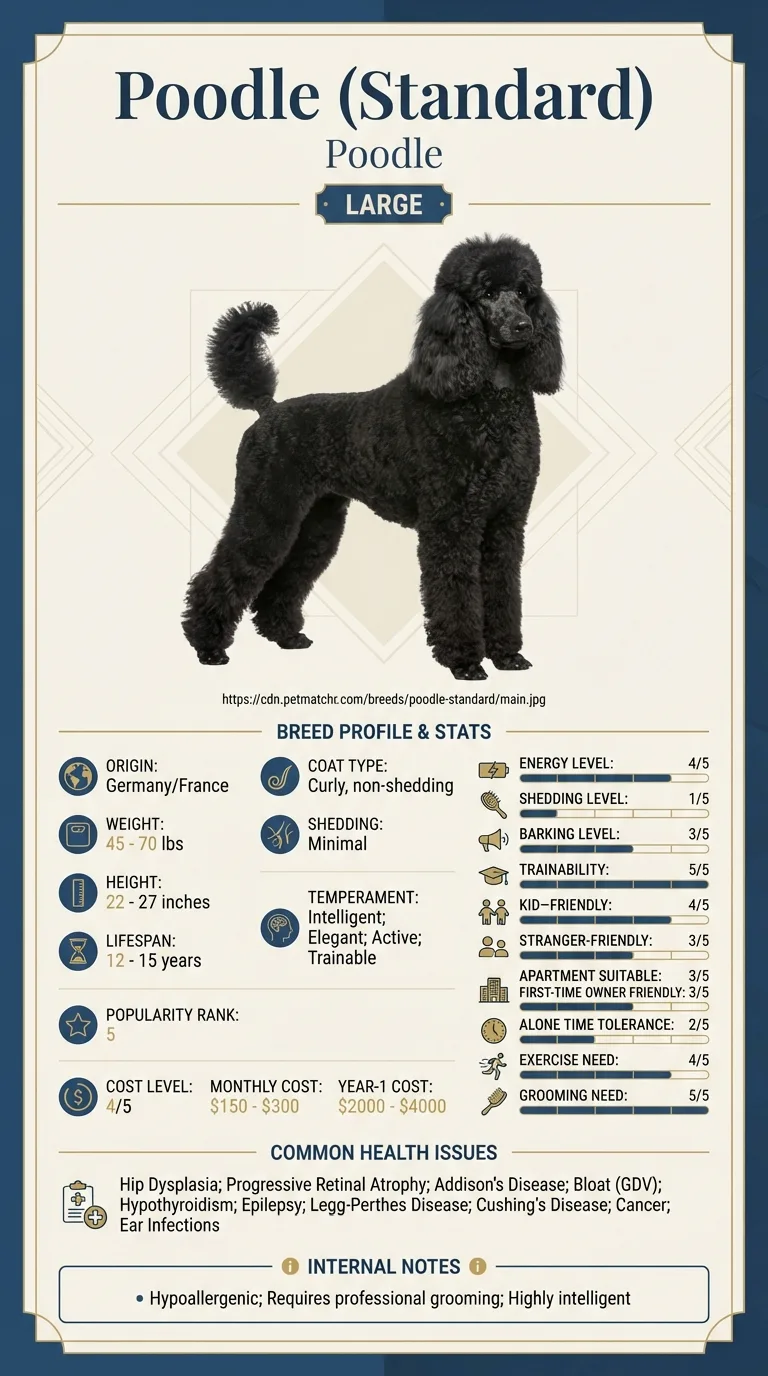
Owners of Poodle (Standards) may struggle with this issue, especially those who are new to dog ownership or unaware of specific breed health risks. This problem can create anxiety for families who want to ensure their furry friend remains healthy and happy.
This guide is not medical advice. If your dog shows pain, sudden behavior change, or worsening symptoms, consult a licensed veterinarian.
Some links may be affiliate links. We may earn a commission at no extra cost to you. We only suggest products we believe are helpful for dog owners.
We research and check what we publish, but we do not warrant that any figure, date, price, or statement is accurate, complete, or current, and we accept no liability for any loss, cost, injury, or other harm arising from the use of this site. Use it as one reference among several. You remain responsible for your own decisions and for your dog's care - confirm anything that matters with a licensed veterinarian or another qualified professional before you act on it. Full disclaimer.
Check this first
Recognizing when your Poodle (Standard) is facing an ocular disease emergency is crucial for their well-being. If your dog shows signs of severe discomfort, such as excessive squinting, pawing at their eyes, or sudden vision loss, it’s time to call your vet immediately. These symptoms may indicate a serious condition that requires urgent care.
If any of these apply, call your vet or an emergency clinic now. The rest of this page is for the cases that are not an emergency.
Poodle (Standard) ocular disease can be a significant concern for owners. Symptoms may include redness, excessive tearing, cloudiness, and difficulty seeing. Daily life with a Poodle experiencing this condition can involve frequent vet visits and special care to manage their comfort and health.
Ocular disease is notably common in Poodles, with a 467% higher risk compared to other breeds. Many Poodles may show early signs as they age, making it essential for owners to be vigilant.
Poodles (Standard) have a genetic predisposition to ocular diseases due to their lineage. Conditions like Progressive Retinal Atrophy and other hereditary eye issues can be more common in this breed. Their large, expressive eyes are beautiful but may be more prone to health problems.
Environmental factors such as exposure to allergens, dust, or irritants can exacerbate ocular issues. Additionally, lack of regular veterinary check-ups means early signs of eye problems might be missed. Poor nutrition can also contribute to overall eye health.
If you notice persistent discomfort, changes in vision, or any unusual behavior related to your Poodle's eyes, it's time to speak with your vet. Regular eye check-ups are vital for early detection of ocular diseases.
Avoiding common pitfalls can help manage your Poodle's ocular disease effectively. Here are some mistakes to watch out for.
Start here: Standard Poodle Most Common Genetic Disorders: Screening
See all Poodle Standard health problems, which breeds are prone to ocular disease, or the full Poodle Standard breed guide for temperament, exercise needs and ownership costs.
You should expect to see improvements within 2 to 6 months of implementing a care plan for Poodle (Standard) ocular disease. Regular vet visits and consistent treatment are key.
Success means reduced symptoms and improved quality of life for your Poodle. This can include better vision, less discomfort, and a happier, more active dog.
In less severe cases, you might notice mild redness, occasional tearing, or minor discharge. These symptoms can often be monitored at home, but you should have a plan in place. Keeping your vet informed about changes can help prevent escalation.

Emma, a busy nurse living in Seattle, noticed her Poodle, Max, was bumping into furniture and seemed to struggle with bright lights. Concerned, she took him to the vet, who diagnosed him with ocular disease. Emma learned about potential treatments and made lifestyle adjustments, including adding supplements to Max's diet and scheduling regular check-ups. After a few months, Max was navigating the house with more confidence, and Emma felt relieved knowing they were managing his condition together.
Key takeaway: Early diagnosis and a proactive care plan can significantly improve your dog's quality of life, making a difference in both their happiness and your peace of mind.
Ocular disease in Poodles (Standard) can stem from genetic factors, age, or environmental influences. Regular vet check-ups can help catch any issues early. It's essential to monitor your dog's eye health and address any changes.
While you can't completely prevent ocular disease, you can minimize risks by ensuring regular vet visits, maintaining a healthy diet, and providing proper care. Keeping your Poodle's eyes clean and avoiding environmental irritants can also help.
Symptoms may include excessive tearing, redness, squinting, or cloudiness in the eyes. If you notice any of these signs, consult your veterinarian promptly for a thorough examination and treatment options.
Yes, ocular diseases can be hereditary in Poodles (Standard), particularly conditions like Progressive Retinal Atrophy. Responsible breeding can help reduce the prevalence of these issues in future generations.
Treatments vary based on the specific condition but may include medication, surgery, or specialized eye drops. Your veterinarian will recommend the best course of action based on your Poodle's diagnosis.
You can care for your Poodle's eyes by gently wiping away discharge with a damp cloth and checking for any unusual signs regularly. Ensure your home environment is free from irritants, which can help maintain eye health.
Early signs of ocular disease in your Poodle (Standard) may include frequent squinting, excessive tearing, or a cloudy appearance in the eyes. If you notice these symptoms, it's essential to consult your vet as soon as possible for a thorough examination.
Yes, ocular diseases can be hereditary in Poodles (Standard). It's crucial to research the lineage of your dog and discuss any concerns with your breeder, who should provide health clearances for both parents.
Managing ocular disease at home involves keeping your Poodle's eyes clean and ensuring they receive regular vet check-ups. You may also need to adjust their environment to reduce dust or allergens that could irritate their eyes.
If your older Poodle (Standard) develops ocular disease, it's essential to consult with your veterinarian for a tailored treatment plan. Older dogs may require specific care, and your vet can advise on medications or lifestyle adjustments to improve their comfort.
While not all ocular diseases can be prevented, regular vet check-ups, a healthy diet, and keeping your Poodle's eyes clean can help. Early detection is critical, so monitor for any changes in your dog's vision or eye health.
Regular vet check-ups are crucial, and keep your dog's eyes clean and free of irritants. Watch for symptoms like redness or excessive tearing.
Treatment costs can range from $200 to $1,500 depending on the severity and type of treatment required. Always consult your vet for an accurate estimate.
Yes, a balanced diet rich in vitamins can support overall health, including eye health. Omega-3 fatty acids are particularly beneficial.
With proper care and treatment, a Poodle (Standard) can live a full lifespan of 12 to 15 years, even with ocular disease. Regular vet visits are key.
Start by gently handling your Poodle's face and rewarding them for calm behavior. Gradually introduce the eye drops in a positive manner, using treats to create a good association.
A one-page prep sheet for this condition: the signs, the questions to ask, what to get priced. Unlocks here.
You get: Vet visit prep sheet
No spam. One-click unsubscribe. See our privacy policy.
Preview page 1 before you decide.