Behavior
What are quick tips for managing IVDD type I in Poodles?
Maintain a healthy weight, provide gentle exercise, and avoid high-impact activities. Regular vet visits are essential for monitoring health.

Quick answer
What are quick tips for managing IVDD type I in Poodles?
Maintain a healthy weight, provide gentle exercise, and avoid high-impact activities. Regular vet visits are essential for monitoring health.
Poodle (Standard) intervertebral disc disease (IVDD) type I can be a serious health issue affecting your dog's spine.
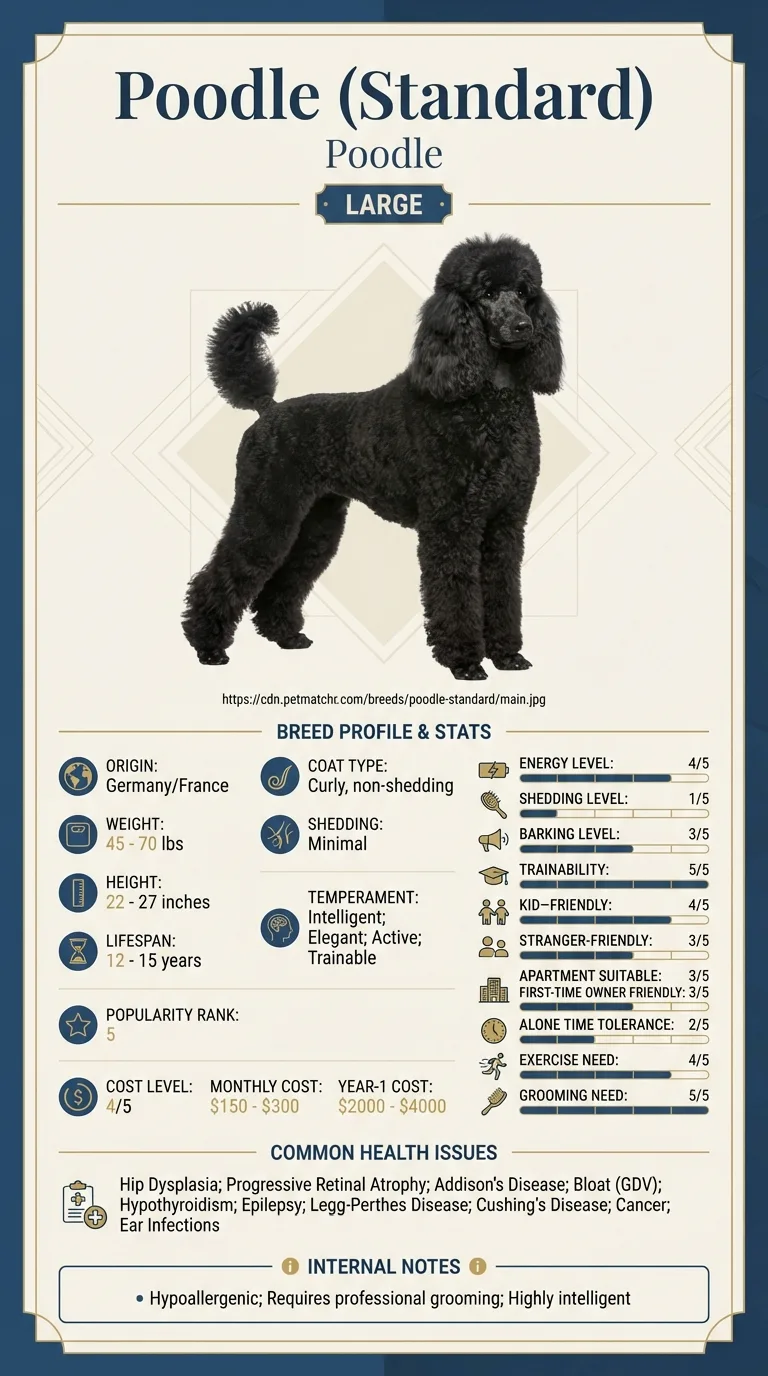
Owners of Poodles (Standard) may face challenges as their dogs age or if they are overly active. This problem is particularly common in dogs with high energy levels and can impact those who are not familiar with managing their dog's physical health.
This guide is not medical advice. If your dog shows pain, sudden behavior change, or worsening symptoms, consult a licensed veterinarian.
Some links may be affiliate links. We may earn a commission at no extra cost to you. We only suggest products we believe are helpful for dog owners.
We research and check what we publish, but we do not warrant that any figure, date, price, or statement is accurate, complete, or current, and we accept no liability for any loss, cost, injury, or other harm arising from the use of this site. Use it as one reference among several. You remain responsible for your own decisions and for your dog's care - confirm anything that matters with a licensed veterinarian or another qualified professional before you act on it. Full disclaimer.
Check this first
Knowing when Poodle (Standard) intervertebral disc disease (IVDD) type I becomes an emergency can save your dog's life. It's essential to recognize the signs that require immediate veterinary attention versus those that can be monitored at home. Here’s a breakdown to help you decide when to call your vet and when to watch and wait.
If any of these apply, call your vet or an emergency clinic now. The rest of this page is for the cases that are not an emergency.
Poodle (Standard) intervertebral disc disease (IVDD) type I can cause significant pain and mobility issues. This condition occurs when the cushioning discs between the vertebrae herniate, putting pressure on the spinal cord. Daily life for a dog with IVDD may involve difficulty walking, reluctance to jump, and signs of discomfort, especially after exercise.
IVDD is relatively common in Poodles, particularly in older dogs or those with a family history of back problems. While not every Poodle will develop this disease, awareness and preventive care are crucial.
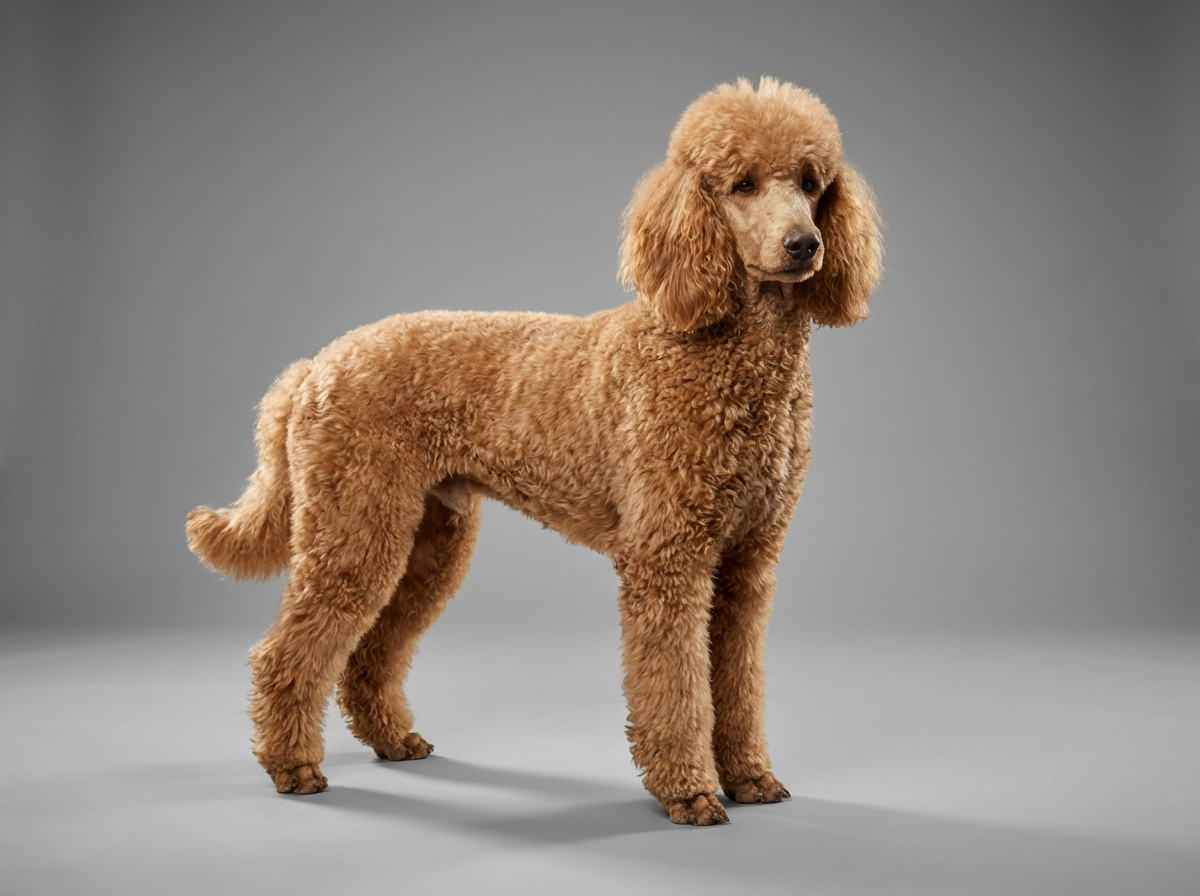
The Poodle (Standard) is prone to intervertebral disc disease (IVDD) type I due to its genetic predispositions. Their build and weight can put extra pressure on their spine, making them vulnerable to disc issues. Additionally, their high energy levels can lead to activities that stress the back.
Environmental factors like sudden jumps or falls can trigger IVDD in Poodles. Overweight dogs face increased stress on their spines, which can exacerbate the condition. Lack of appropriate exercise or support during physical activities can also contribute to IVDD in this breed.
If your Poodle experiences persistent pain, weakness, or loss of bladder control, contact your vet immediately. These symptoms may indicate a more serious issue with IVDD that requires medical intervention.
Understanding common mistakes can help you avoid worsening your Poodle's intervertebral disc disease (IVDD). Here are key behaviors to steer clear of.
Start here: Standard Poodle Most Common Genetic Disorders: Screening
See all Poodle Standard health problems, which breeds are prone to intervertebral disc disease ivdd type i, or the full Poodle Standard breed guide for temperament, exercise needs and ownership costs.
Managing Poodle (Standard) intervertebral disc disease (IVDD) type I typically takes 3 to 6 months of consistent care and monitoring.
Success means your Poodle shows improved mobility, reduced pain, and a better quality of life through appropriate treatment and lifestyle adjustments.
If your Poodle shows any of the following symptoms, it's time to seek emergency care: - Sudden loss of mobility or inability to walk - Severe pain, especially when being touched or moved - Weakness in the hind legs - Incontinence or loss of bowel/bladder control - Noticeable changes in behavior, such as excessive whining or aggression towards handling

Mild symptoms can often be monitored at home. These include: - Mild discomfort or stiffness after activity - Occasional limping without severe pain - Slight decrease in mobility, but still able to walk - Changes in posture or reluctance to jump, but not severe - Appetite and behavior remain generally normal

After noticing her 5-year-old Poodle, Max, struggling to jump onto the couch, Sarah took him to the vet. The diagnosis was IVDD type I, which meant Max needed a combination of medication and physical therapy. With regular sessions and careful management of his activities, Max gradually regained strength and mobility. Sarah learned to adapt their home environment to make it easier for him, like using ramps and avoiding stairs.
Key takeaway: With proper care and adjustments, Poodles with IVDD can lead happy, active lives.
Intervertebral disc disease (IVDD) type I in Poodles is often due to genetic predisposition and age-related changes. The disease occurs when the discs between the vertebrae herniate and press on the spinal cord. This can cause pain, mobility issues, and in severe cases, paralysis.
While you can't completely prevent IVDD, you can take steps to reduce the risk. Maintain a healthy weight, provide low-impact exercise, and avoid activities that put excessive strain on their spine. Regular vet check-ups can also help monitor their health.
Treatment for IVDD type I may include medication for pain management and inflammation. In severe cases, surgery might be necessary to relieve pressure on the spinal cord. Always consult your vet to find the best treatment plan for your Poodle.
Yes, training can be beneficial for Poodles with IVDD type I. Focus on gentle exercises that strengthen the back and core. Avoid jumping or running on hard surfaces to minimize stress on their spine.
Watch for signs like reluctance to jump, changes in gait, yelping when picked up, or difficulty walking. If your Poodle shows any of these symptoms, consult your vet immediately for evaluation.
Early signs of Poodle (Standard) intervertebral disc disease (ivdd) type i can include reluctance to jump or climb stairs, decreased activity, and sensitivity to touch around the back. If you notice these symptoms, consult your vet promptly to discuss your concerns.
While training alone won't cure intervertebral disc disease (ivdd) type i, it can help improve your Poodle's mobility and comfort. Focus on gentle, low-impact exercises and avoid activities that may strain their back, like jumping or rough play.
As Poodles age, they become more susceptible to intervertebral disc disease (ivdd) type i due to natural degeneration of spinal discs. Regular vet check-ups and maintaining a healthy weight can help mitigate these risks, especially in older dogs.
If your Poodle shows signs of back pain, such as yelping when touched, difficulty walking, or sudden changes in behavior, it's time to see a vet. Early intervention can make a significant difference in your dog's recovery from intervertebral disc disease (ivdd) type i.
Yes, Poodles with a family history of intervertebral disc disease (ivdd) type i or those that are overweight are at greater risk. Keeping your dog at a healthy weight and being aware of their family medical history can help you manage their health better.
Maintain a healthy weight, provide gentle exercise, and avoid high-impact activities. Regular vet visits are essential for monitoring health.
Treatment costs for IVDD can range from $1,000 to $5,000, depending on the severity and whether surgery is needed.
Yes, Poodles can also face health issues like hip dysplasia and progressive retinal atrophy, so regular check-ups are important.
A one-page prep sheet for this condition: the signs, the questions to ask, what to get priced. Unlocks here.
You get: Vet visit prep sheet
No spam. One-click unsubscribe. See our privacy policy.
Preview page 1 before you decide.