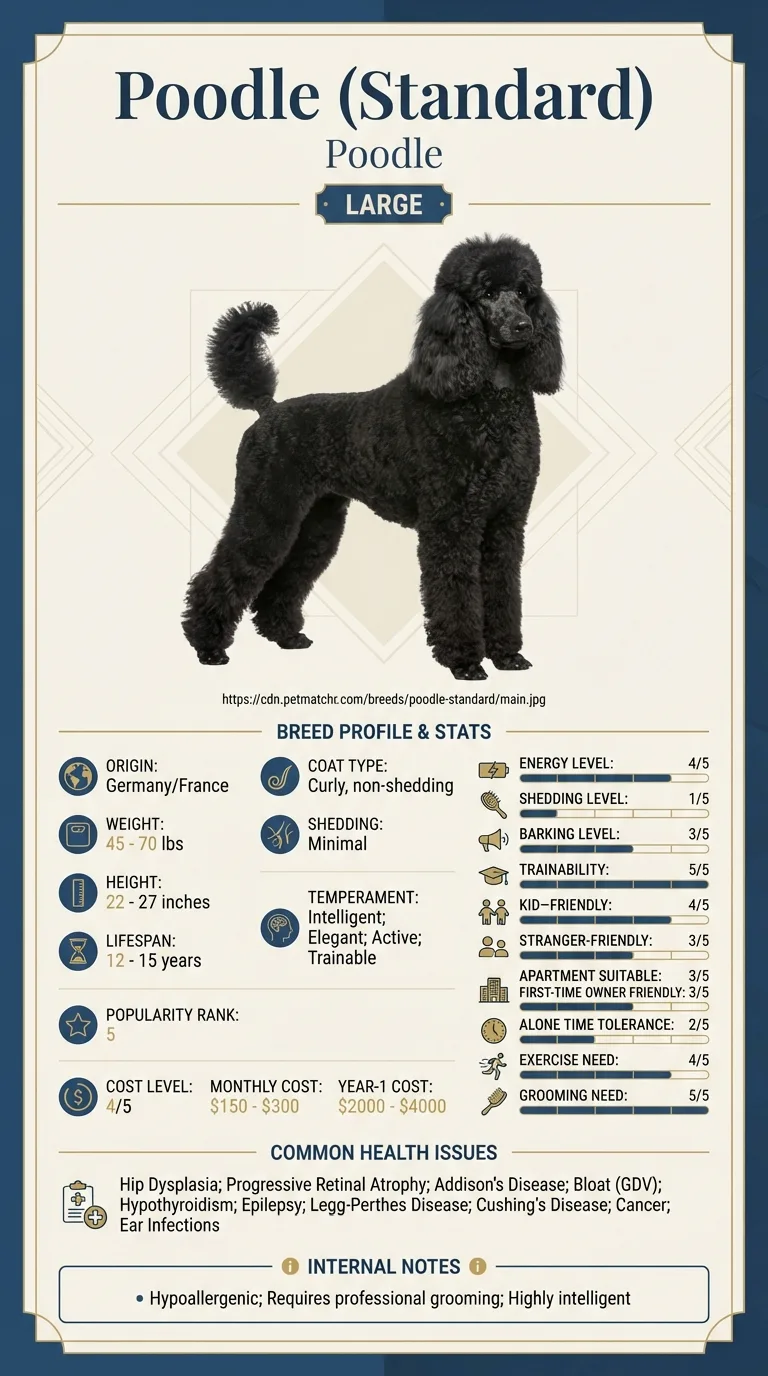
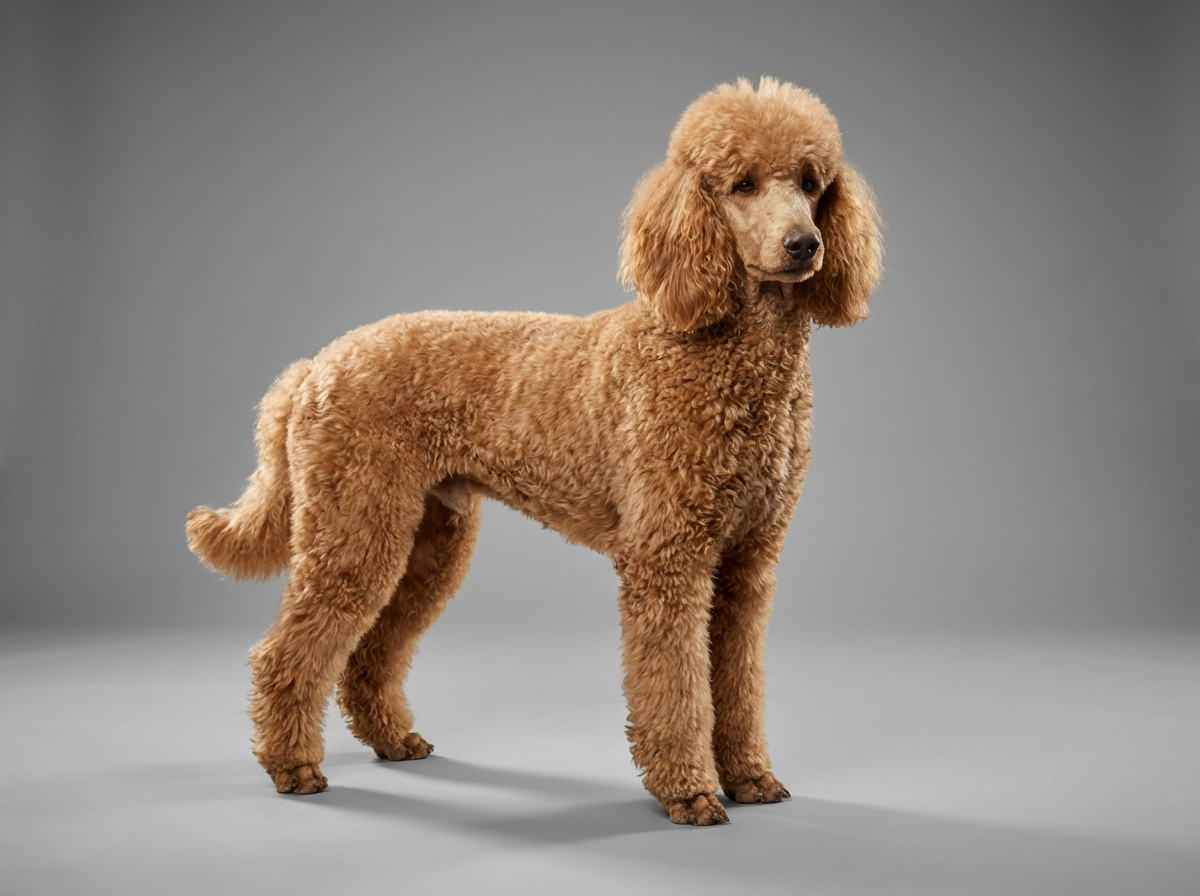
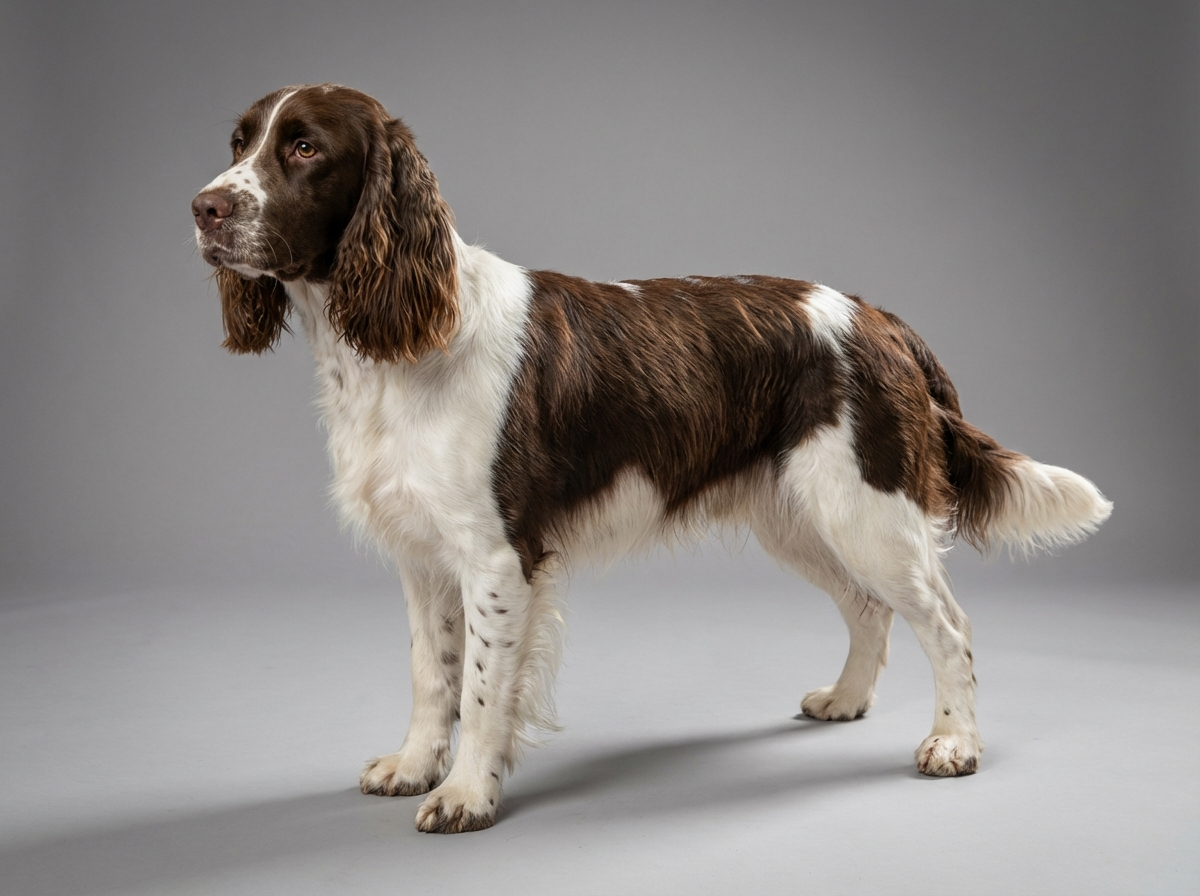
What are Poodle (Standard) elbow dysplasia quick tips?
To manage elbow dysplasia, maintain a healthy weight, provide moderate exercise, and consult your vet for tailored advice. Regular check-ups are essential.
Poodle (Standard) elbow dysplasia is a common joint issue that can cause pain and mobility problems.

Many Poodle owners, especially those with active dogs, may notice symptoms like limping or reluctance to exercise. First-time dog owners might feel overwhelmed when dealing with health issues like this.
This guide is not medical advice. If your dog shows pain, sudden behavior change, or worsening symptoms, consult a licensed veterinarian.
Some links may be affiliate links. We may earn a commission at no extra cost to you. We only suggest products we believe are helpful for dog owners.
Poodle (Standard) elbow dysplasia is a joint malformation that can cause pain and mobility issues in these dogs. Owners may notice their Poodle limping, having difficulty jumping, or showing reluctance to engage in play. This can be especially concerning in active dogs, as they may seem less energetic or playful than usual.
Elbow dysplasia is relatively common in Poodles, especially in large breeds. The condition can affect up to 20% of Standard Poodles, making awareness and early detection crucial for effective management.
Poodles, especially Standard Poodles, can inherit elbow dysplasia due to genetic factors. This condition is often linked to the breed's size and growth rate, which can lead to joint malformations if not managed properly during development.
Environmental factors, such as obesity, lack of exercise, and improper nutrition, can exacerbate elbow dysplasia. Additionally, high-impact activities or rough play during a puppy's growth phase can contribute to joint stress, leading to issues.
If your Poodle is showing signs of pain or reluctance to move, consider hiring a trainer who specializes in canine rehabilitation. They can design a tailored exercise plan to help reduce discomfort and improve mobility.
If you notice persistent limping, swelling, or difficulty in movement, it's important to consult with a vet. They can provide a proper diagnosis and suggest treatment options, which may include medication or physical therapy.
It may take several weeks to months to effectively manage Poodle (Standard) elbow dysplasia. Regular vet check-ups and consistent training can help track progress.
Success means your Poodle experiences reduced pain and improved mobility. You'll notice your dog being more active and comfortable during daily activities.
Avoid these common mistakes to help your Poodle (Standard) with elbow dysplasia.
It's crucial to know when Poodle (Standard) elbow dysplasia becomes an emergency. If your dog shows severe symptoms, like extreme pain, inability to use the affected leg, or sudden swelling, these are red flags. Immediate veterinary care is essential in these cases to prevent further damage or complications.
On the other hand, if your Poodle exhibits mild symptoms, such as occasional limping or stiffness after exercise, these can often be monitored. A gradual increase in exercise, along with weight management, may help alleviate these symptoms. However, regular vet check-ups are still important to track any changes in your dog's condition.
In summary, look for severe signs that require urgent attention, while mild cases can be managed with a watchful eye and a care plan.

When Sarah adopted Max, her Standard Poodle, she quickly noticed he was limping after playtime. After consulting her vet, she learned Max had elbow dysplasia. Initially overwhelmed, Sarah learned about treatment options and began a regimen of physical therapy and controlled exercise. She also adjusted Max's diet to support his joint health. Over the following months, Sarah saw Max regain his energy and playfulness, allowing him to enjoy long walks without discomfort.
Key takeaway: Early diagnosis and a proactive care plan can significantly improve quality of life for dogs with elbow dysplasia.
Elbow dysplasia in Poodles (Standard) is often due to genetic factors or improper growth during puppyhood. It can result from rapid weight gain or lack of exercise during critical growth periods. Regular vet check-ups and monitoring growth can help catch issues early.
To prevent elbow dysplasia, ensure your Poodle maintains a healthy weight and receives balanced nutrition. Regular exercise is crucial, but avoid overly strenuous activities that could strain the joints. Consult your vet for specific dietary and exercise recommendations.
Symptoms of elbow dysplasia can include limping, difficulty in movement, and pain when the elbow is touched. Your Poodle may also show reluctance to jump or run. If you notice these signs, take your dog to the vet for an evaluation.
Treatment for elbow dysplasia may include weight management, physical therapy, and medication for pain relief. In severe cases, surgical options may be necessary. Always consult your veterinarian for the best course of action based on your dog's specific condition.
While training won't cure elbow dysplasia, it can help manage your Poodle's behavior and encourage gentle exercise. Focus on low-impact activities and invest in training programs that promote joint-friendly exercises. This can help keep your Poodle active without putting stress on their joints.
Common signs of elbow dysplasia in a Poodle (Standard) include limping, difficulty in rising, and reluctance to play or exercise. You might also notice swelling around the elbow joint or changes in behavior, like increased irritability.
Yes, mild cases of elbow dysplasia in Poodles can often be managed without surgery. Treatment may include weight management, physical therapy, and anti-inflammatory medications to reduce pain and improve mobility.
Yes, elbow dysplasia can be hereditary in Poodles (Standard). It's essential to choose a reputable breeder who screens for this condition to reduce the risk of passing it on to future generations.
If your Poodle (Standard) shows signs of pain, difficulty moving, or has a noticeable limp, it's crucial to visit the vet. Early diagnosis can help prevent further joint damage and improve treatment options.
Elbow dysplasia can affect Poodles of any age, but symptoms often appear in younger dogs. Older Poodles may experience worsening symptoms, so regular check-ups are important to monitor joint health over time.
To manage elbow dysplasia, maintain a healthy weight, provide moderate exercise, and consult your vet for tailored advice. Regular check-ups are essential.
Treatment for Poodle (Standard) elbow dysplasia can range from $500 to $3,000, depending on the severity and type of treatment needed. Always budget for regular vet visits.
Yes, elbow dysplasia can be hereditary, so it's important to choose a reputable breeder who screens for this condition. Researching your Poodle's lineage can help mitigate risks.


![Ultimate Guides: "Complete Guide to Choosing a Dog for [X] | Ultimate Guides: Complete Guide to Choosing a Dog for You thumbnail](/images/breeds/golden-retriever/golden%20retriever1.jpg)