DogBreedCompass
← Back to breed profile

Poodle (Standard) Brachycephalic Obstructive Airway Syndrome (BOAS)

Brachycephalic Obstructive Airway Syndrome (BOAS) can be a serious concern for Poodle (Standard) owners. This condition affects breathing and can lead to further health issues. (Poodle (Standard) brachycephalic obstructive airway syndrome (boas))

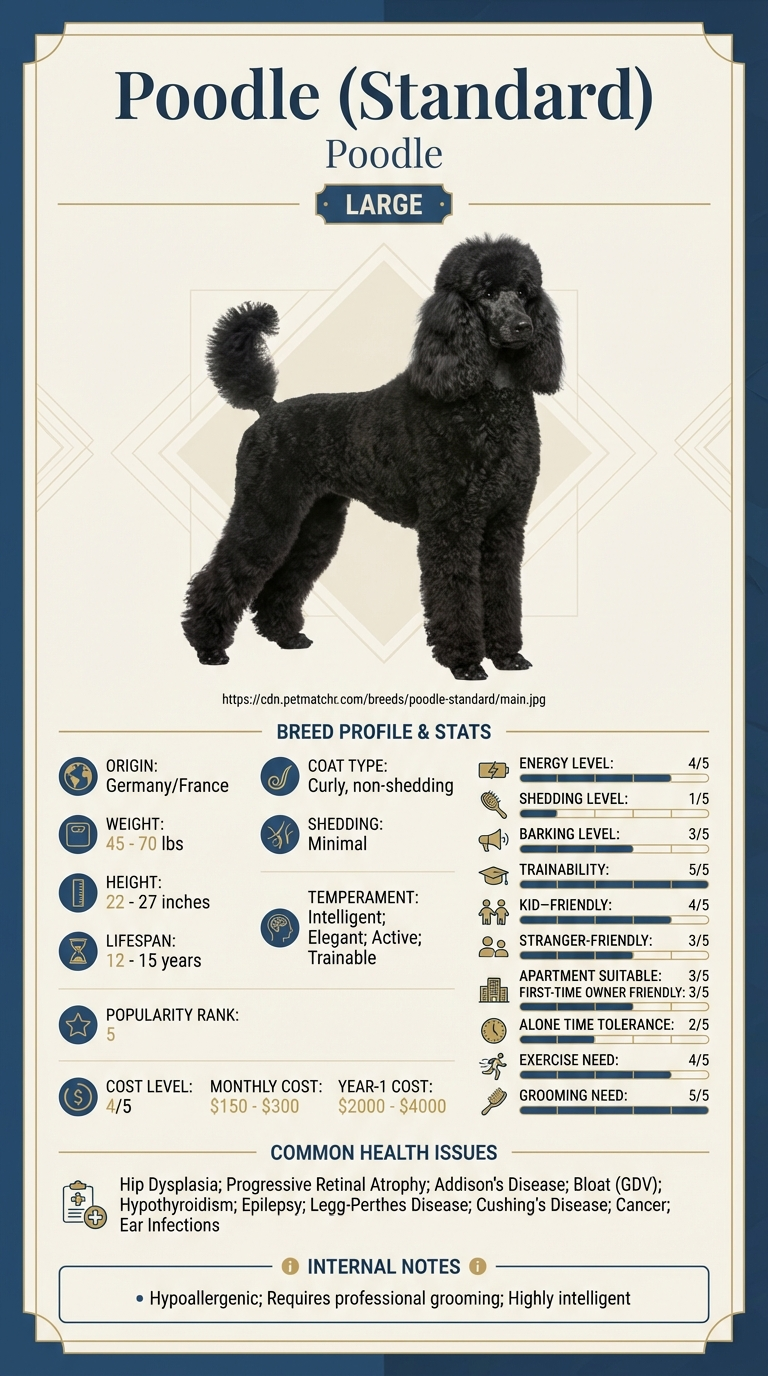
Poodle (Standard) Brachycephalic Obstructive Airway Syndrome (BOAS) infographic

Owners of Poodle (Standards) may find themselves struggling with BOAS, especially if their dog is experiencing breathing issues. This problem often affects first-time dog owners or families who are unaware of the specific health needs of their breed.

Important reminder

This guide is not medical advice. If your dog shows pain, sudden behavior change, or worsening symptoms, consult a licensed veterinarian.

Some links may be affiliate links. We may earn a commission at no extra cost to you. We only suggest products we believe are helpful for dog owners.

What this problem looks like

Poodle (Standard) brachycephalic obstructive airway syndrome (BOAS) is a serious condition affecting their breathing. This syndrome leads to symptoms like snoring and difficulty breathing, especially during exercise or in hot weather. Owners often notice their Poodles struggling for air or becoming easily fatigued.

Common triggers

  • Hot weather
  • Exercise or playtime
  • Stressful situations
  • Obesity

BOAS is relatively common in Poodles (Standard), especially those with shorter snouts. Many owners report symptoms, and while not all Poodles will experience severe issues, awareness and monitoring are essential.

Why this happens

Breed factors

The Poodle (Standard) is not a brachycephalic breed; however, some may develop similar breathing issues due to genetic predispositions. Their long snouts typically help with airflow, but individual anatomical variations can lead to obstructive airway conditions. This can become particularly concerning during exercise or in hot weather.

Environment factors

Environmental factors also play a role in brachycephalic obstructive airway syndrome (BOAS). Overweight dogs are more prone to breathing difficulties, as excess weight adds pressure on their airways. Additionally, exposure to high heat, humidity, or allergens can exacerbate respiratory problems.

What you can try

At-home strategies

  • Maintain a healthy weight for your Poodle by providing a balanced diet and regular exercise. This helps reduce strain on their respiratory system.
  • Keep your home cool and well-ventilated, especially during warmer months. Use fans or air conditioning to prevent overheating.
  • Limit strenuous activities on hot days. Instead, opt for shorter, cooler walks and playtimes to avoid respiratory distress.

When to consider a trainer

If your Poodle struggles with breathing during exercise or shows signs of distress, it may be helpful to consult a professional trainer. They can provide tailored strategies that help manage your dog's exercise routine safely.

When to talk to your vet

If your Poodle displays ongoing breathing difficulties, persistent snoring, or seems unusually fatigued, it's time to contact your vet. They can assess your dog's health and recommend potential treatments or lifestyle changes to improve their quality of life.

Realistic expectations

You may start noticing improvements in 4-6 weeks with consistent training and management.

Success means your Poodle (Standard) breathes with less effort, enjoys playtime without tiring quickly, and shows fewer signs of distress in heat.

Mistakes that make this worse – Poodle (Standard) brachycephalic obstructive airway syndrome (boas)

Understanding what not to do can help improve your Poodle's condition. Here are some common mistakes that owners make, along with safer alternatives.

  • Ignoring symptoms: Some owners dismiss their Poodle's snoring or labored breathing as normal. Instead, monitor these signs closely and consult your vet for advice.
  • Overexerting your dog: Poodles need exercise, but too much can worsen breathing issues. Opt for shorter, more frequent walks instead of long runs, especially in hot weather.
  • Failing to manage weight: Obesity can exacerbate BOAS symptoms. Ensure your Poodle gets the right amount of food and regular exercise to maintain a healthy weight.
  • Not providing a cool environment: Heat sensitivity is a big issue for Poodles with BOAS. Always provide plenty of water and a cool place to rest, especially on hot days.
  • Neglecting grooming: Poodles require regular grooming to prevent matting, which can lead to stress and anxiety. Keep up with grooming to minimize discomfort.
  • Using harsh collars: Some collars can put pressure on the throat, worsening breathing problems. Use a harness instead to provide comfort during walks.
  • Delaying treatment: If your Poodle shows persistent symptoms, some owners wait too long to seek help. Early intervention can lead to better outcomes, so don’t hesitate to consult a vet.

When Brachycephalic Obstructive Airway Syndrome (BOAS) is an Emergency

If your Poodle is struggling to breathe, has a bluish tint to their gums, or is excessively panting, these are red flags. Call your vet right away if you notice any of these symptoms. Other concerning signs include lethargy, coughing, or fainting during exercise, which can indicate a serious issue.

On the other hand, if your Poodle occasionally snores or seems to be slightly breathless after play, these may not be immediate emergencies. You can take notes on when these symptoms occur and how severe they are. Keeping track can help your vet identify any patterns and determine the best course of action.

Monitor your dog’s behavior and breathing closely. If symptoms worsen or new ones develop, don’t hesitate to reach out to your vet. Always err on the side of caution, especially with a breed prone to BOAS.

Poodle (Standard) Brachycephalic Obstructive Airway Syndrome (BOAS) - When Brachycephalic Obstructive Airway Syndrome (BOAS) is an Emergency

Emily and Her Poodle's Journey to Better Breathing

Emily, a busy nurse in Chicago, adopted a Standard Poodle named Max. She loved his playful nature but soon realized he struggled to breathe, especially during summer walks. After consulting her vet, she learned about brachycephalic obstructive airway syndrome (BOAS) and began a training program focusing on gentle exercise and proper breathing techniques. With patience and consistency, Emily noticed Max was more energetic and happy during their outings. By the end of three months, Max could enjoy longer walks without panting heavily or showing signs of distress.

Key takeaway: With proper care and training, you can significantly improve your Poodle's quality of life and manage symptoms of BOAS.

Frequently asked questions

Why does my Poodle (Standard) have brachycephalic obstructive airway syndrome (boas)?

Brachycephalic obstructive airway syndrome (BOAS) occurs because of the Poodle's breed characteristics. Their short snouts can lead to breathing difficulties, snoring, and heat sensitivity. Regular check-ups with a vet can help manage these issues. This answer relates to Poodle (Standard) brachycephalic obstructive airway syndrome (boas).

How can I stop my Poodle (Standard) from having breathing problems?

To help your Poodle (Standard) with BOAS, maintain a healthy weight and avoid strenuous exercise during hot weather. Consider using a harness instead of a collar to reduce pressure on their neck. Always consult your vet for a tailored approach.

Are there specific training methods for Poodles with BOAS?

Yes, training your Poodle (Standard) can include positive reinforcement techniques. Focus on short, fun training sessions to keep them engaged without overexerting them. If you notice any breathing issues during training, stop and let them rest.

What are the signs of BOAS in Poodles?

Signs of BOAS in Poodles include excessive snoring, coughing, difficulty breathing during exercise, and heat intolerance. If you notice these symptoms, it's important to consult your veterinarian for a proper assessment.

Can surgery help my Poodle (Standard) with BOAS?

In some cases, surgery can help alleviate severe BOAS symptoms in Poodles (Standard). Your vet can discuss potential surgical options based on the severity of your dog's condition. This can improve their quality of life significantly.

What lifestyle changes can support my Poodle with BOAS?

To support your Poodle (Standard), ensure they have a cool environment, avoid obesity, and limit vigorous activities during hot days. Regular vet visits are also crucial to monitor their condition and overall health.

What are the signs that my Poodle (Standard) has brachycephalic obstructive airway syndrome (BOAS)?

Common signs of BOAS include noisy breathing, snoring, difficulty exercising, and sensitivity to heat. If your Poodle seems to struggle while breathing, especially during physical activity, it's important to consult your vet.

Can brachycephalic obstructive airway syndrome (BOAS) develop in older Poodles?

Yes, older Poodles can develop BOAS as their airway structures may weaken over time. Regular vet check-ups can help monitor their respiratory health, especially as they age.

How can I help my Poodle (Standard) manage their brachycephalic obstructive airway syndrome (BOAS)?

You can help your Poodle by ensuring they maintain a healthy weight, avoiding extreme heat, and providing regular, low-impact exercise. Additionally, consulting with a vet about specific training techniques may also improve their breathing.

What should I do if my Poodle (Standard) is experiencing a breathing emergency?

If your Poodle shows severe signs of distress, such as gasping for air or bluish gums, seek emergency veterinary care immediately. Quick action is crucial in these situations to ensure their safety.

Are there any specific training techniques for Poodles suffering from BOAS?

Training techniques for Poodles with BOAS should focus on low-stress activities that do not exacerbate their breathing issues. Positive reinforcement training can help them learn commands at a comfortable pace without overexerting themselves.

Quick answers

View more answers
Behavior

What are quick tips for Poodles (Standard) with BOAS?

Keep your Poodle cool and avoid hot weather. Use a harness for walks to reduce neck strain. Regular vet check-ups are essential to manage their health.

Health

How can I help my Poodle (Standard) breathe easier?

Ensure your Poodle maintains a healthy weight and engage in light activities. Avoid strenuous exercise during high temperatures.

Health

What should I do if my Poodle has a breathing episode?

If your Poodle shows signs of distress or difficulty breathing, stay calm and help them to a cool, quiet area. Contact your vet immediately if symptoms persist.

Training

Is training for Poodles with BOAS different?

Training should focus on short sessions and positive reinforcement. Avoid overexertion and watch for any breathing issues during training.

Related DogBreedCompass guides

Related guides