Health
What are quick tips for managing Poodle (Miniature) von Willebrand's Disease (vWD1)?
Keep your Poodle (Miniature) calm and avoid risky activities to prevent injuries. Regular vet check-ups are crucial for monitoring their health.
Poodle (Miniature) von Willebrand's disease (vWD1) is a genetic bleeding disorder that can seriously impact your dog's health. Understanding this condition is vital for responsible ownership.
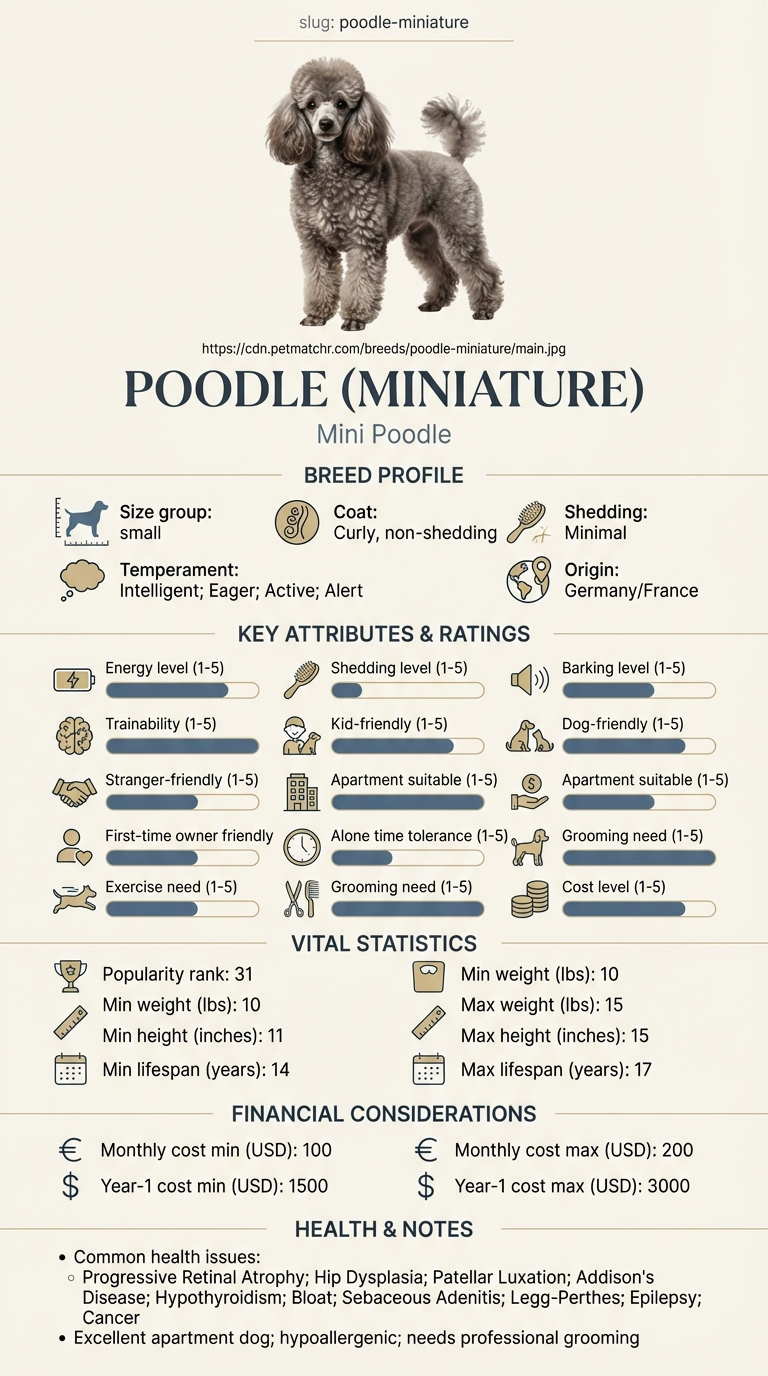
Owners of Mini Poodles often face the challenge of managing vWD1, especially those who may not be aware of this genetic condition. New dog owners or those with busy lifestyles may find it particularly difficult to recognize symptoms and seek timely veterinary care.
This guide is not medical advice. If your dog shows pain, sudden behavior change, or worsening symptoms, consult a licensed veterinarian.
Some links may be affiliate links. We may earn a commission at no extra cost to you. We only suggest products we believe are helpful for dog owners.
Poodle (Miniature) von Willebrand's disease (vWD1) is a genetic bleeding disorder that can cause excessive bleeding in affected dogs. Daily life with a Mini Poodle with vWD1 can be stressful, as any small injury may lead to significant bleeding. Owners often need to monitor their dogs closely and be cautious during activities that could lead to cuts or scrapes.
Von Willebrand's disease (vWD1) is relatively common in Mini Poodles, affecting around 30% of the breed. This means that if you have a Mini Poodle, it's important to be aware of the symptoms and seek veterinary advice if you notice any unusual bleeding.
Poodles (Miniature) are genetically predisposed to von Willebrand's disease (vWD1), a bleeding disorder caused by a deficiency in a clotting factor. This condition is inherited, meaning if one of the parents carries the gene, their puppies may also inherit it. As a result, this disease is more common in Mini Poodles than in other breeds.
Environmental factors can also play a role in the severity of vWD1. Stressful situations, such as trauma or anxiety, may exacerbate bleeding episodes. Additionally, factors like poor nutrition or lack of proper exercise can weaken your dog's overall health, making them more susceptible to complications from this condition.
If your Mini Poodle displays anxiety or stress-related behaviors, such as excessive barking or destructive tendencies, consider enlisting a dog trainer. A professional can help address these issues and develop a tailored training plan to create a more secure environment for your dog.
It's crucial to consult your vet if you notice any signs of bleeding or if your dog is lethargic and not eating. Regular check-ups are also important to monitor their health and manage vWD1 effectively. Your vet may recommend specific blood tests to assess the severity of the condition and suggest the best course of action.
Managing Poodle (Miniature) von Willebrand's disease (vWD1) takes time and effort. Expect to see improvements in your dog's health and behavior within 3-6 months with proper care and treatment.
Success looks like your Poodle (Miniature) living a happy, active life with minimized bleeding risks. Regular vet check-ups and careful management of their condition will be key.
Understanding what not to do is crucial for managing your Poodle (Miniature) with von Willebrand's disease (vWD1). Here are some common mistakes that can make the situation worse, along with safer alternatives.
Understanding when Poodle (Miniature) von Willebrand's disease (vWD1) is an emergency can save your dog's life. This genetic bleeding disorder can lead to severe complications, so it's crucial to recognize the signs that require immediate veterinary attention. If your dog experiences excessive bleeding from minor cuts, prolonged bleeding after surgery, or unexplained bruising, these are red flags that mean you should call your vet right away.
Additionally, if your Poodle (Miniature) shows symptoms like lethargy, weakness, or difficulty breathing, these could indicate serious internal bleeding. These situations are critical and should not be ignored. On the other hand, if your dog has mild symptoms, like occasional nosebleeds or minor bleeding that stops quickly, you can monitor the situation at home. Make sure to keep your vet informed about any changes or persistent symptoms.
It's best to have a plan for regular check-ups to manage vWD1 effectively. Keeping a close eye on your dog's behavior and health can help you differentiate between emergencies and issues that can be observed. Always err on the side of caution when it comes to bleeding disorders.
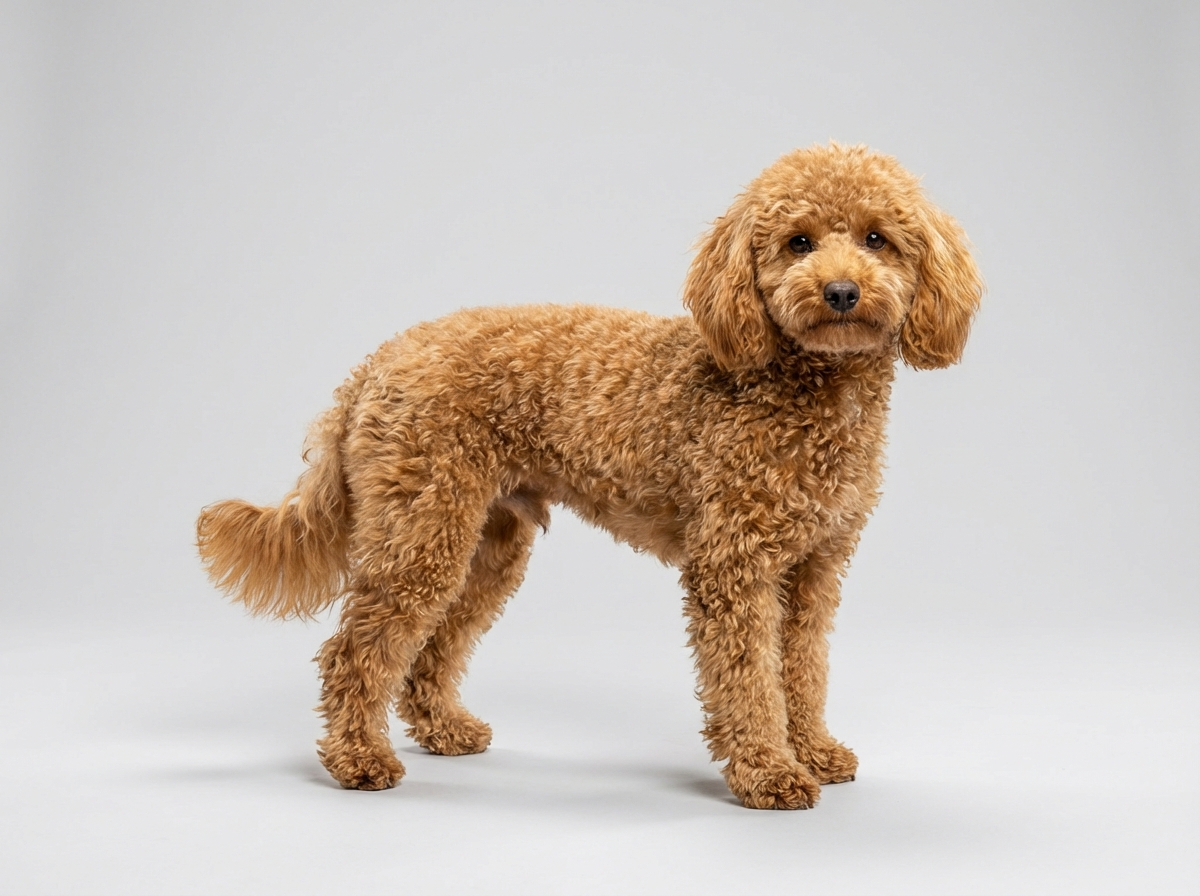
Emily, a first-time dog owner, was heartbroken when her Mini Poodle, Bella, was diagnosed with von Willebrand's disease (vWD1). At first, she felt overwhelmed, unsure of how to manage Bella's health. After consulting with a vet, Emily learned the importance of regular check-ups, a balanced diet, and monitoring Bella's activity levels. Over time, with proper care, Bella thrived and enjoyed her daily walks again, bringing joy to Emily's life.
Key takeaway: With the right support and knowledge, managing a Poodle (Miniature) with vWD1 can lead to a fulfilling life for both dog and owner.
Von Willebrand's Disease (vWD1) is a genetic bleeding disorder that affects Poodles (Miniature). It occurs when there's a deficiency of a specific protein needed for blood clotting, leading to excessive bleeding.
Poodles (Miniature) inherit von Willebrand's Disease (vWD1) from their parents. If a parent carries the gene, there's a chance the puppy will develop this condition, which is why responsible breeding practices are crucial.
Managing your Poodle (Miniature) with vWD1 involves regular veterinary check-ups and monitoring for any signs of bleeding. It's also essential to avoid situations that could lead to injury, as even minor cuts can result in serious bleeding.
While there is no cure for von Willebrand's Disease (vWD1), treatments include medications to help with clotting in cases of bleeding. Your vet can guide you on the best management strategies based on your dog's specific condition.
Signs of vWD1 can include excessive bleeding from minor injuries, prolonged bleeding after surgery, or spontaneous bleeding from the nose or gums. If you notice these symptoms, consult your vet for appropriate testing.
Yes, you can train your Poodle (Miniature) with vWD1, but be cautious with physical activities. Focus on low-impact training and avoid rough play that could lead to injuries.
Symptoms of von Willebrand's disease (vWD1) in Poodles can include excessive bleeding from minor cuts, nosebleeds, or prolonged bleeding after surgery. You may also notice your dog bruising easily or having difficulty with dental procedures. If you see these signs, consult your vet right away.
Diagnosis of vWD1 typically involves blood tests to check for von Willebrand factor levels. Your vet may perform additional tests to determine the severity of the disease. Early detection is key to managing this condition effectively.
Yes, many dogs with von Willebrand's disease can be managed with careful monitoring and lifestyle adjustments. Regular vet check-ups and avoiding high-risk activities can help prevent bleeding episodes. Your vet can provide specific strategies tailored to your dog's needs.
Training should focus on gentle commands and positive reinforcement, especially for tasks that might pose a risk of injury. Avoid activities that could lead to bumps or scrapes. Keep training sessions short and fun to maintain your dog's interest and confidence.
As your Poodle ages, the risks associated with von Willebrand's disease may increase. Older dogs can be more prone to complications, so regular vet visits become even more crucial. It's important to monitor for any changes in behavior or health and to adjust care as needed.
Keep your Poodle (Miniature) calm and avoid risky activities to prevent injuries. Regular vet check-ups are crucial for monitoring their health.
Apply pressure to the wound and contact your vet immediately if your Poodle (Miniature) bleeds. Quick action can prevent serious complications.
Yes, vWD1 is hereditary in Poodles (Miniature), so it's important to choose a reputable breeder who tests for this condition.