Behavior
What are quick tips for Poodle (Miniature) skin infections?
Keep your Poodle's coat clean and dry, especially in facial folds. Regular grooming and using hypoallergenic products can help prevent infections.

Quick answer
What are quick tips for Poodle (Miniature) skin infections?
Keep your Poodle's coat clean and dry, especially in facial folds. Regular grooming and using hypoallergenic products can help prevent infections.
Poodle (Miniature) skin infections can be frustrating for both dogs and their owners. These infections often occur in facial folds and can lead to discomfort if not addressed.
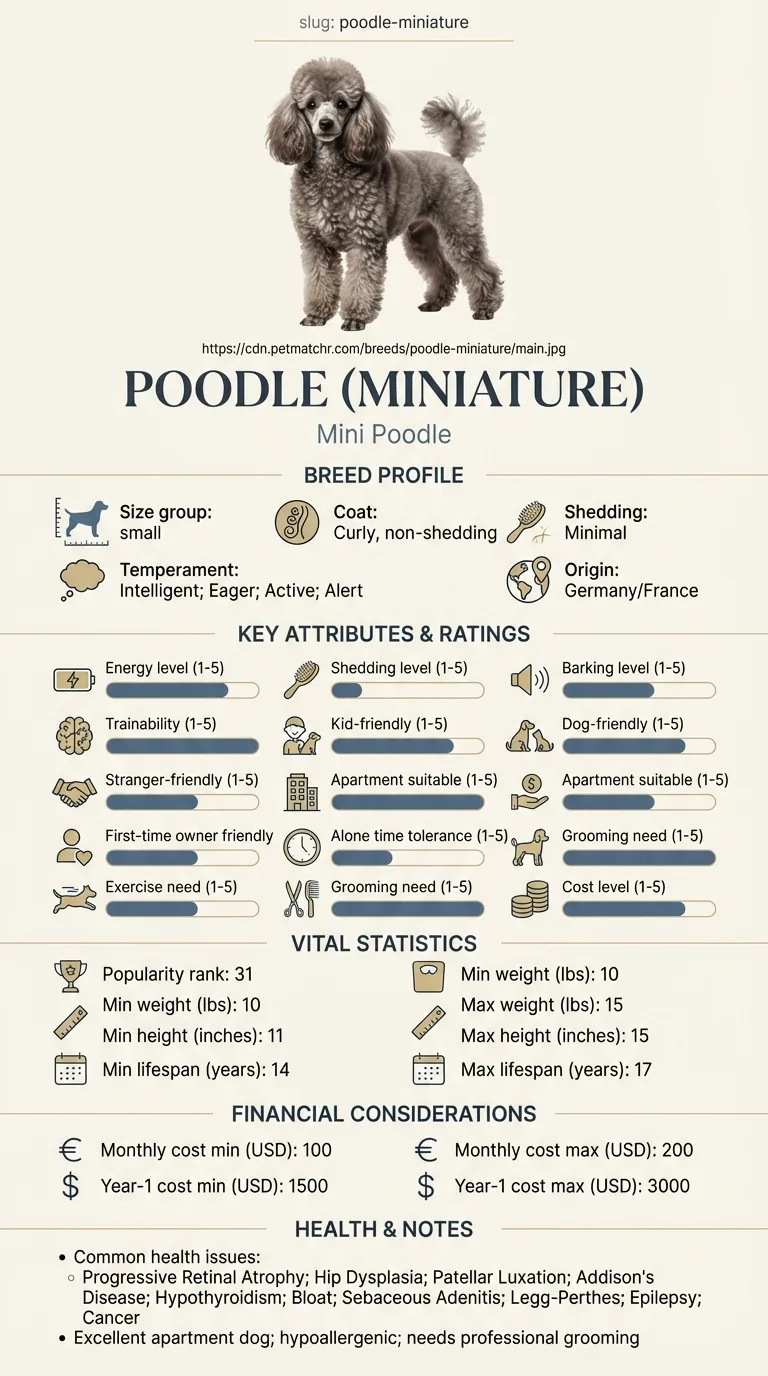
Many first-time dog owners or busy families may struggle with recognizing and managing these skin issues. Owners who have Mini Poodles, particularly those with facial folds, should be vigilant about potential infections.
This guide is not medical advice. If your dog shows pain, sudden behavior change, or worsening symptoms, consult a licensed veterinarian.
Some links may be affiliate links. We may earn a commission at no extra cost to you. We only suggest products we believe are helpful for dog owners.
We research and check what we publish, but we do not warrant that any figure, date, price, or statement is accurate, complete, or current, and we accept no liability for any loss, cost, injury, or other harm arising from the use of this site. Use it as one reference among several. You remain responsible for your own decisions and for your dog's care - confirm anything that matters with a licensed veterinarian or another qualified professional before you act on it. Full disclaimer.
Check this first
It's crucial to know when a skin infection is a serious issue for your Poodle (Miniature). Some signs indicate that you should call your vet immediately, while others may allow for monitoring at home.
Red-flag signs include excessive redness, swelling, or discharge from the infected area. If your Poodle is scratching or biting at the area incessantly, or if you notice any signs of fever, lethargy, or loss of appetite, these are all reasons to contact your vet right away. Additionally, if the infection seems to be spreading or your dog exhibits signs of pain, it’s best to seek professional help.
On the other hand, milder cases can often be monitored at home. If your dog has a small area of irritation with minimal redness and no discharge, you can keep an eye on it for a few days. Regularly clean the area and ensure your Poodle isn't bothering it. If there's no improvement or if symptoms worsen, it's time to consult a vet. Always trust your instincts; if you're worried, it's better to err on the side of caution.
If any of these apply, call your vet or an emergency clinic now. The rest of this page is for the cases that are not an emergency.
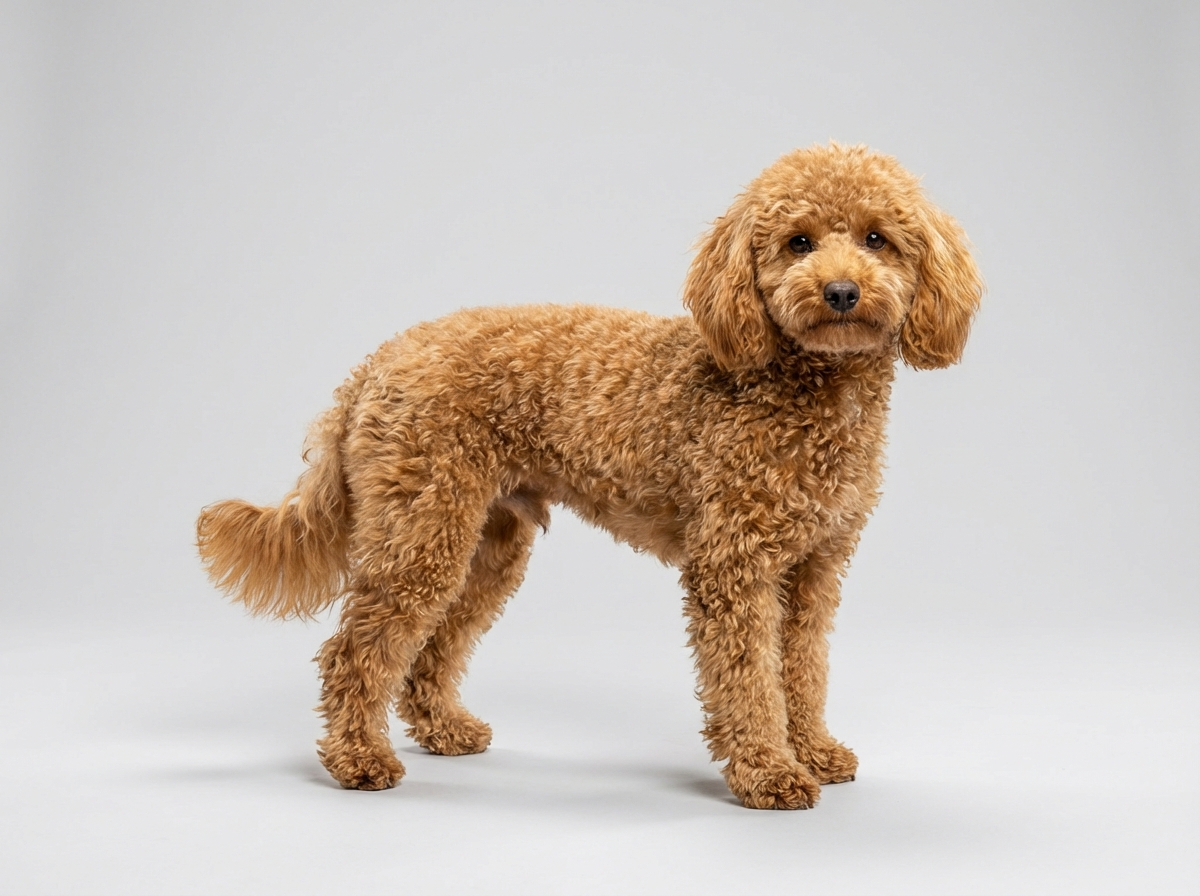
Poodle (Miniature) skin infections can be a frustrating issue for owners. These infections often appear as red, itchy patches on the skin, particularly in areas where moisture can accumulate, such as facial folds. Daily life might involve frequent scratching, licking, or even visible discomfort, which can affect your dog's overall happiness and well-being.
Skin infections are relatively common in Mini Poodles, especially for those with more pronounced facial folds. Regular grooming and proper care can help minimize these issues, but many owners will encounter at least one skin infection during their dog's lifetime.
Poodles (Miniature) can be prone to skin infections due to their curly, non-shedding coats. These coats can trap moisture and debris, creating an ideal environment for bacteria and fungi to thrive. Additionally, some Poodles may have genetic predispositions to skin conditions like Sebaceous Adenitis, which can lead to infections.
Environmental factors also play a significant role in skin infections. Allergens in your home, such as dust, pollen, or mold, can irritate your Poodle's skin. Poor grooming habits, such as infrequent bathing or inadequate drying, can exacerbate skin issues, making infections more likely.
If your Poodle (Miniature) develops persistent skin infections or shows signs of discomfort, it's essential to talk to your vet. They can provide a proper diagnosis and recommend treatments, such as medicated shampoos or antibiotics, to help your dog recover.
Avoiding these common mistakes can help improve your Poodle (Miniature)'s skin infections. Here are some behaviors to steer clear of.
Start here: Miniature Poodle Most Common Genetic Disorders: Screening
See all Poodle Miniature health problems, which breeds are prone to skin infections, or the full Poodle Miniature breed guide for temperament, exercise needs and ownership costs.
It typically takes a few weeks to a few months to effectively manage Poodle (Miniature) skin infections. Consistent care and monitoring are essential during this process.
Success means reduced frequency of infections, healthier skin, and a happier dog. You'll notice less itching and irritation, along with a more manageable grooming routine.
Emily, a first-time dog owner, was excited to bring Bella, her Mini Poodle, home. However, after a few months, Bella began developing skin infections in her facial folds. After consulting a vet, Emily learned that these infections were common in Poodles due to their unique skin type. Determined to help Bella, Emily started a strict grooming schedule, including regular cleaning of Bella's facial folds and using vet-recommended ointments. Over time, Bella's skin improved, and she became much more comfortable.
Key takeaway: With dedication to grooming and proper veterinary care, you can effectively manage Poodle (Miniature) skin infections and enhance your dog's quality of life.
Poodle (Miniature) skin infections often occur due to moisture trapped in their curly coat, especially in facial folds. Allergies, poor grooming, or skin conditions can also contribute to infections. Regular grooming and keeping your dog clean and dry can help prevent these issues.
To stop Poodle (Miniature) skin infections, maintain a regular grooming schedule to prevent matting and moisture buildup. Use hypoallergenic shampoos and ensure their coat is completely dry after baths. If infections persist, consult your vet for possible allergies or skin treatments.
Yes, the diet can significantly impact your Poodle's skin health. Foods high in allergens can cause skin irritations and infections. A well-balanced diet with omega fatty acids can help improve skin condition.
If your Poodle (Miniature) shows signs of a skin infection that lasts more than a few days, worsens, or is accompanied by other symptoms like fever or lethargy, you should consult a vet. Early intervention can prevent further complications.
Poodle (Miniature) skin infections can be caused by allergies, parasites, or bacteria. Their curly, non-shedding coat can trap moisture and dirt, creating an environment for infections. Regular grooming and baths can help prevent these issues.
Signs of skin infections in Poodle (Miniature) include redness, swelling, itching, or unusual odors. If you notice your dog scratching or licking excessively, this could indicate an infection. Always consult your vet for a proper diagnosis.
Yes, recurring skin infections can be a symptom of underlying health problems, such as allergies or hormonal imbalances. If your Poodle (Miniature) frequently develops infections, it's important to discuss this with your veterinarian.
Older Poodle (Miniature) dogs may be more prone to skin infections due to a weakened immune system. They may also have other age-related health issues that can contribute to skin problems. Regular check-ups are essential for older pets.
If your Poodle (Miniature) shows signs of a skin infection that persists despite basic care, or if you notice severe symptoms like swelling or pus, it's time to see a vet. Early intervention can prevent more serious health issues.
Keep your Poodle's coat clean and dry, especially in facial folds. Regular grooming and using hypoallergenic products can help prevent infections.
Monthly vet visits for skin issues can range from $100 to $200, depending on treatment needs. Budgeting for grooming and vet care is essential.
Training your Poodle to tolerate grooming can make maintenance easier and help prevent skin infections. Positive reinforcement techniques work best.
A one-page prep sheet for this condition: the signs, the questions to ask, what to get priced. Unlocks here.
You get: Vet visit prep sheet
No spam. One-click unsubscribe. See our privacy policy.
Preview page 1 before you decide.