Behavior
What are quick tips for Poodle (Miniature) gastric dilatation-volvulus (gdv/bloat)?
Feed smaller meals more frequently, avoid exercise right after eating, and use slow feeders to help manage their eating pace.
Gastric dilatation-volvulus (GDV), or bloat, is a life-threatening condition affecting Poodles (Miniature). (Poodle (Miniature) gastric dilatation-volvulus (gdv/bloat))
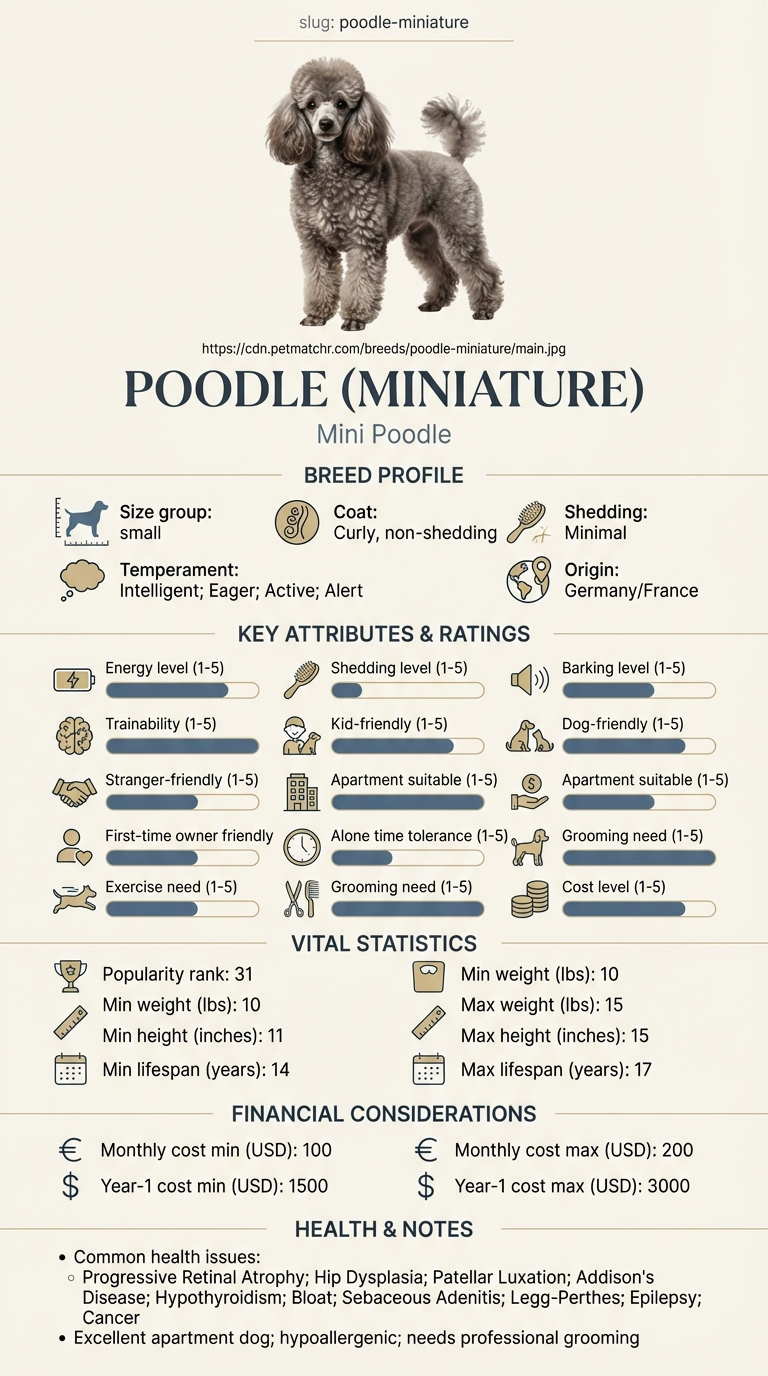
Owners of Mini Poodles may find themselves worried about GDV, especially if their pets show signs of distress after eating or drinking. Busy families and first-time dog owners are particularly vulnerable, as they may not recognize the early symptoms or know how to respond quickly.
This guide is not medical advice. If your dog shows pain, sudden behavior change, or worsening symptoms, consult a licensed veterinarian.
Some links may be affiliate links. We may earn a commission at no extra cost to you. We only suggest products we believe are helpful for dog owners.
Poodle (Miniature) gastric dilatation-volvulus (GDV/bloat) is a serious condition where the stomach fills with gas and twists. This can cause severe pain and can be life-threatening if not treated quickly. Owners may notice their Mini Poodle trying to vomit without success, pacing restlessly, or having a swollen abdomen.
While not all Mini Poodles are prone to GDV, this condition is more common in certain breeds, including those with deep chests. It's crucial for owners to be aware of the symptoms and seek immediate veterinary care if they suspect their dog may be affected.
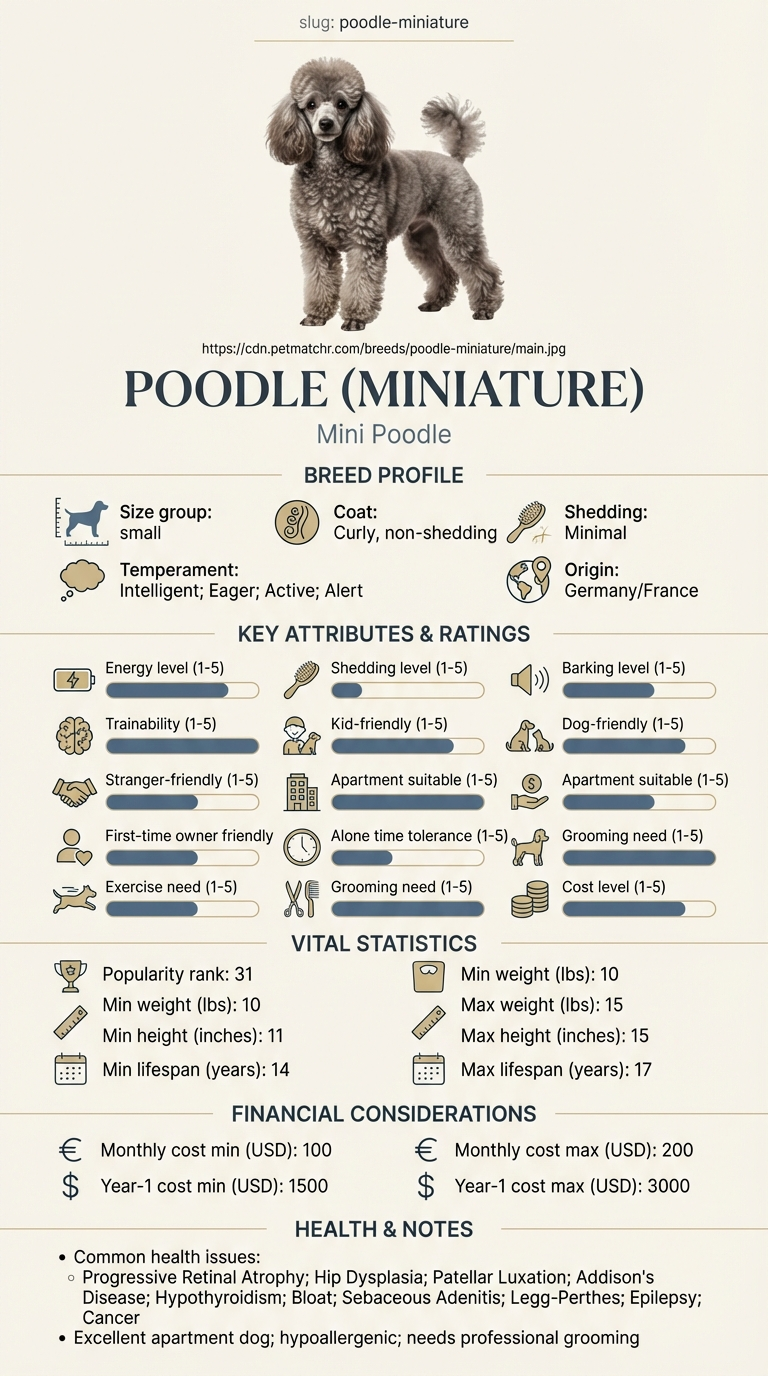
Poodle (Miniature)s are prone to gastric dilatation-volvulus (GDV) due to their deep, narrow chests. This makes them more susceptible to the stomach twisting, which can lead to bloat. Additionally, their energetic and anxious nature can contribute to rapid eating or drinking, increasing the risk.
Environmental factors such as feeding habits can also play a significant role. For instance, feeding your Mini Poodle large meals or allowing them to gulp water can create gas buildup. Stressful situations, like a change in routine or environment, can exacerbate the likelihood of bloat.
Consider consulting a professional trainer if your Mini Poodle shows signs of anxiety around feeding times or if they are overly eager to eat. A trainer can help implement behavioral strategies to reduce anxiety and improve meal routines.
Talk to your vet immediately if your Mini Poodle exhibits signs of GDV, such as a distended abdomen, unproductive vomiting, or signs of pain. If you notice any sudden changes in their eating or drinking habits, a vet visit is also recommended to rule out underlying health issues.
You should expect to see improvements in your Mini Poodle's behavior within a few weeks to a few months, depending on the severity of the issue and consistency of training.
Success looks like a Poodle that can eat comfortably without showing signs of distress, has a regular routine, and has reduced episodes of bloating.
Avoiding certain common behaviors can help improve your Poodle (Miniature)'s gastric dilatation-volvulus (gdv/bloat) issues. Here are mistakes to watch out for and safer alternatives.
Gastric Dilatation-Volvulus (GDV), commonly known as bloat, is a serious condition that can escalate quickly. Recognizing the signs of an emergency is crucial for your Mini Poodle’s health. If you notice any of the following red-flag symptoms, call your vet immediately: severe abdominal swelling, unproductive vomiting, excessive drooling, restlessness, or signs of distress such as pacing or whining. These symptoms indicate that your dog may be experiencing life-threatening complications.
In less severe cases, it may be appropriate to monitor your Poodle (Miniature) at home. If your dog has mild bloating without distress, occasional burping, or a slight change in appetite, keep a close eye on their behavior. Ensure they are comfortable, and provide plenty of fresh water. However, if symptoms persist or worsen, seek veterinary care. Always err on the side of caution when it comes to your dog's health.
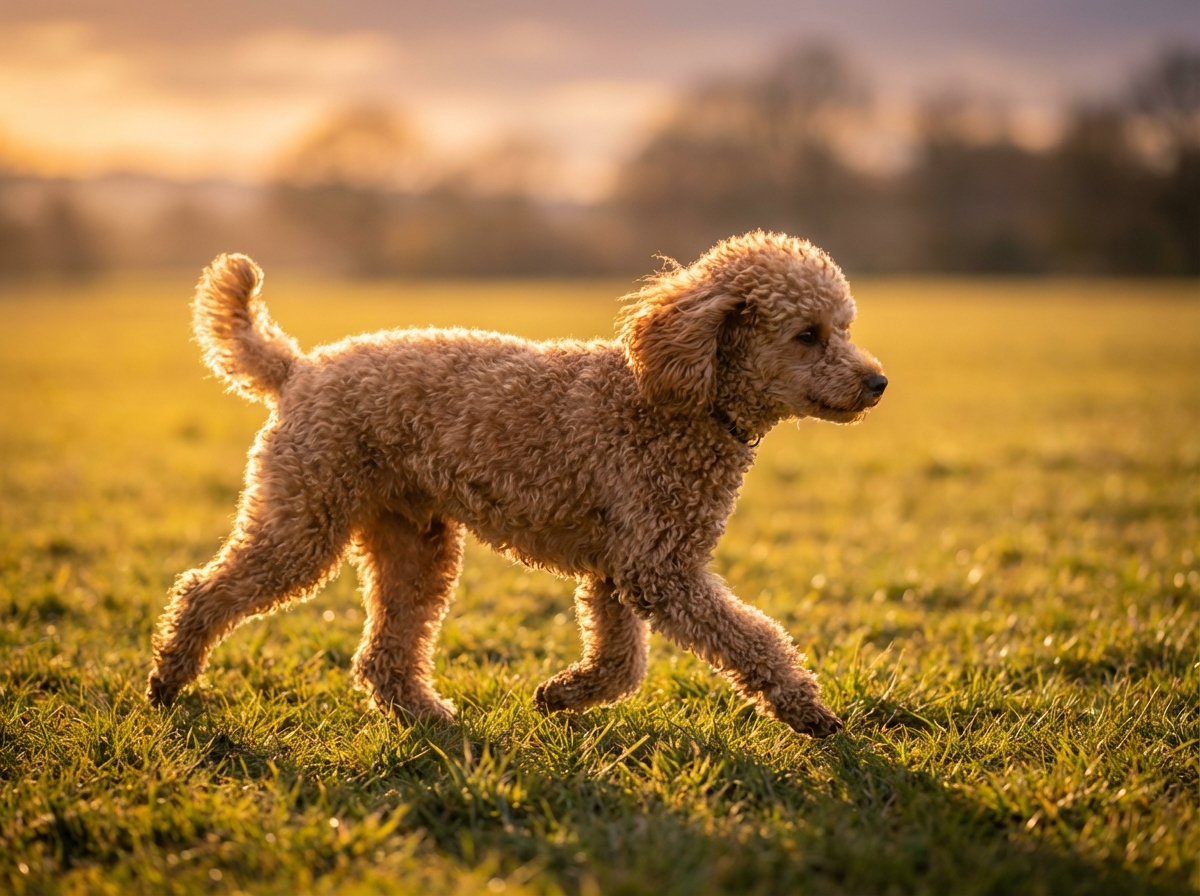
When Sarah adopted Daisy, her Mini Poodle, she noticed that Daisy often had a swollen belly after meals. After a vet visit, Sarah learned that Daisy was at risk for gastric dilatation-volvulus (GDV/bloat). Determined to help her pup, Sarah adjusted Daisy's feeding schedule to smaller, more frequent meals and avoided vigorous play right after eating. With consistent monitoring and support from her vet, Daisy’s condition improved significantly. Now, Sarah can enjoy mealtimes with Daisy, knowing she's safe and healthy.
Key takeaway: Addressing gastric dilatation-volvulus in Mini Poodles requires early intervention, regular vet check-ups, and careful management of mealtime routines to ensure your dog's safety.
Gastric dilatation-volvulus (gdv/bloat) can occur in Poodles (Miniature) due to their deep chest and rapid eating habits. Stress, certain diets, and exercise patterns can also contribute. It's crucial to recognize the signs early to prevent serious health issues.
To help prevent gdv/bloat in your Poodle (Miniature), feed smaller, more frequent meals instead of one large meal. Avoid vigorous exercise immediately after eating. Consider using a slow feeder to help regulate their eating speed.
Signs of gdv/bloat can include a swollen abdomen, excessive drooling, restlessness, and attempts to vomit without success. If you notice these symptoms, seek veterinary care immediately. Time is critical.
Feeding a diet designed for small breeds that promotes digestive health can help. Look for high-quality, easily digestible foods and avoid high-fat meals. Always consult your vet for tailored dietary advice.
Yes, training your Poodle (Miniature) to eat slowly can be beneficial. Use commands and positive reinforcement to encourage them to take their time. This can lower the risk of bloat, especially if combined with feeding strategies.
Early signs of gastric dilatation-volvulus in Poodle (Miniature) include restlessness, an enlarged abdomen, and attempts to vomit without producing anything. If you notice these symptoms, it's crucial to seek veterinary help immediately.
Yes, older Poodle (Miniature) dogs can develop gastric dilatation-volvulus. Generally, dogs over 7 years old may be at a higher risk due to changes in their health and digestion. Regular vet check-ups are important for monitoring their health.
Diet can significantly affect the risk of gdv/bloat. Feeding smaller, more frequent meals and avoiding high-gas foods can help reduce the risk. Always consult your vet for dietary recommendations tailored to your Poodle's needs.
Yes, anxiety can contribute to digestive issues, including gastric dilatation-volvulus. If your Poodle exhibits signs of anxiety, like pacing or excessive barking, consider seeking training or behavioral advice to help manage their stress.
If your Poodle has a history of gdv/bloat, work closely with your vet to create a prevention plan. This may include dietary adjustments, regular exercise, and monitoring for early signs of bloat to catch any issues before they become severe.
Feed smaller meals more frequently, avoid exercise right after eating, and use slow feeders to help manage their eating pace.
Look for a swollen stomach, pacing, excessive drooling, and signs of distress. If you notice any of these, contact your vet immediately.
Treatment for gdv can range from several thousand dollars for emergency surgery to ongoing care costs. Be prepared for unexpected expenses.
Yes, many online courses focus on dog health, including managing diet and behavior to prevent issues like gdv. Look for reputable programs.
Stress can lead to rapid eating and anxiety, increasing the risk of gdv. Ensure a calm environment and routine to help your dog feel secure.