Behavior
What are quick tips for managing x-scid in my Poodle?
Keep your Poodle away from sick animals, maintain good hygiene, and have regular vet visits to monitor health.

Quick answer
What are quick tips for managing x-scid in my Poodle?
Keep your Poodle away from sick animals, maintain good hygiene, and have regular vet visits to monitor health.
Poodle (All Sizes) x-scid, or X-SCID, is a rare genetic condition affecting the immune system. This can lead to severe health issues for affected dogs.
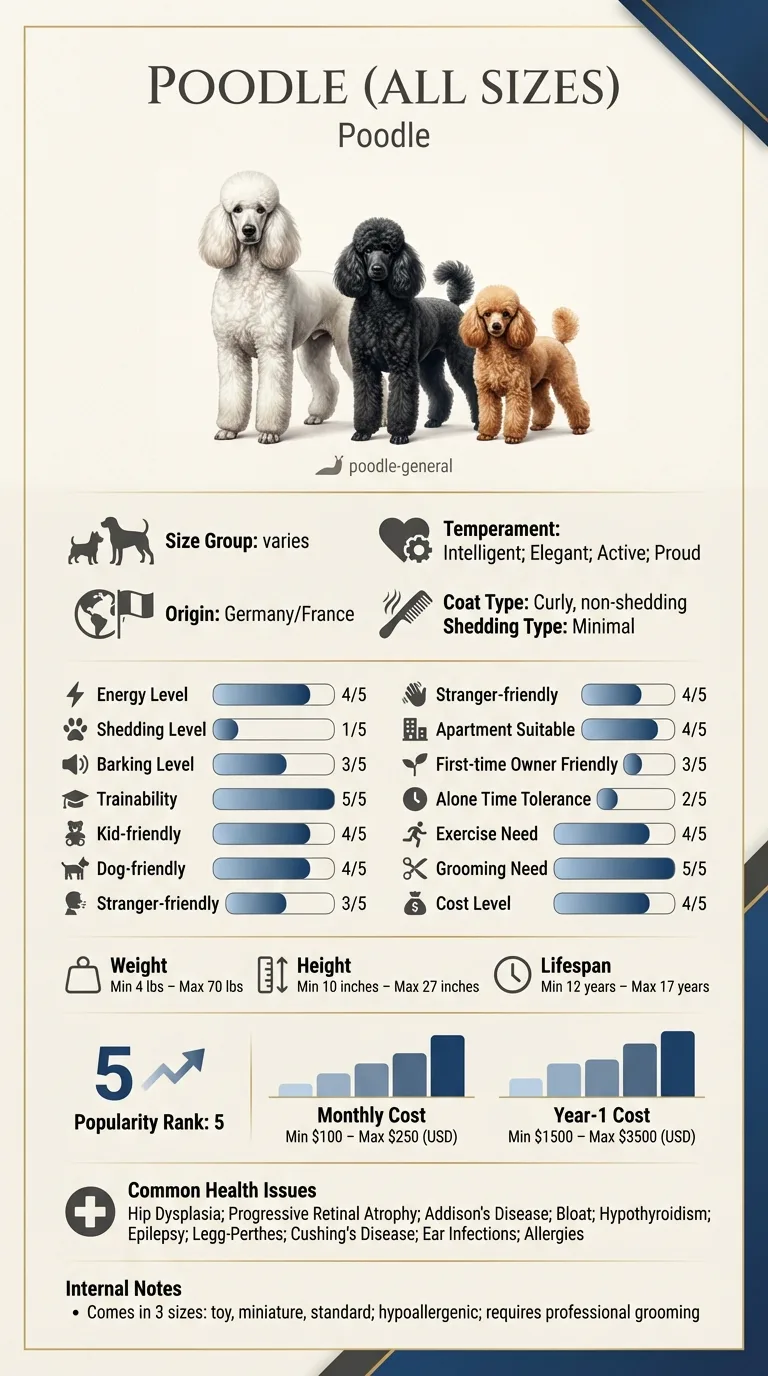
This problem typically affects Poodle owners who are unaware of the genetic predispositions in their breed. New owners or those unfamiliar with Poodle health issues may find themselves particularly challenged.
This guide is not medical advice. If your dog shows pain, sudden behavior change, or worsening symptoms, consult a licensed veterinarian.
Some links may be affiliate links. We may earn a commission at no extra cost to you. We only suggest products we believe are helpful for dog owners.
We research and check what we publish, but we do not warrant that any figure, date, price, or statement is accurate, complete, or current, and we accept no liability for any loss, cost, injury, or other harm arising from the use of this site. Use it as one reference among several. You remain responsible for your own decisions and for your dog's care - confirm anything that matters with a licensed veterinarian or another qualified professional before you act on it. Full disclaimer.
Check this first
Recognizing the signs of X-SCID in your Poodle (All Sizes) can be crucial. This condition can lead to severe immune system deficiencies, making your dog vulnerable to infections. If you notice any of the following red flags, it's time to call your vet immediately.
Signs that warrant an emergency vet visit include: persistent fever, excessive lethargy, loss of appetite, or any unusual behavioral changes. If your Poodle is experiencing recurrent infections or has trouble breathing, these are also critical signs. Do not wait if you notice these symptoms, as early intervention can be lifesaving.
On the other hand, if your Poodle seems generally healthy but has mild symptoms, such as occasional sneezing or a slight cough, you can monitor the situation at home. Keep an eye on their behavior and ensure they are eating and drinking normally. If these mild symptoms persist or worsen, consult your vet for advice. It's essential to have a plan in place. Regular check-ups can help catch issues before they become severe.
If any of these apply, call your vet or an emergency clinic now. The rest of this page is for the cases that are not an emergency.
Poodle (All Sizes) x-scid, or X-Linked Severe Combined Immunodeficiency, is a rare genetic disorder that affects the immune system. Dogs with this condition often struggle with frequent infections, low energy, and overall poor health. Daily life for an affected Poodle can be challenging, as they may require special care and frequent vet visits to manage their symptoms.
X-scid is quite rare in Poodles, but it can occur in any breed if they carry the genetic mutation. Regular health screenings and responsible breeding practices are vital to minimizing its impact.
Poodles are generally a healthy breed, but some genetic factors can lead to health issues like X-SCID. This rare condition, severe combined immunodeficiency, can be inherited. Breeders may not always test for this effectively, leading to its presence in the gene pool.
Environmental factors can also play a role in how a Poodle manages health problems. Stressful situations, poor nutrition, or exposure to pathogens can exacerbate health issues. Ensuring a stable and healthy environment is crucial for your Poodle's well-being.
If you notice any unusual symptoms, such as lethargy, frequent infections, or changes in appetite, consult your veterinarian. X-SCID can lead to severe health challenges, so timely veterinary intervention is vital. Regular health check-ups are essential for early detection of any potential issues.
Avoiding these common mistakes can help improve your Poodle's X-SCID condition more effectively.
Start here: Poodle (All Sizes) Genetic Disorders: What to Screen For
See all Poodle General health problems, which breeds are prone to x scid, or the full Poodle General breed guide for temperament, exercise needs and ownership costs.
It typically takes 3 to 6 months to manage Poodle (All Sizes) x-scid effectively. Consistent care and veterinary support are key.
Success means your Poodle shows improved health and behavior. You'll notice fewer symptoms and a happier dog who can engage in normal activities.
Jenna, a busy nurse in Chicago, welcomed Max, her Poodle puppy, hoping for a playful companion. Soon after bringing him home, she noticed Max was lethargic and often sick. After a vet visit, they discovered he had x-scid, a rare immunodeficiency. Jenna felt overwhelmed but knew she needed to act. She joined a support group and started a specialized training plan that included regular vet check-ups and tailored activities to boost Max's confidence. Over several months, with diligent care and training, Max began to thrive, and Jenna found joy in their shared progress.
Key takeaway: With dedication and the right support, managing Poodle (All Sizes) x-scid can lead to a happier and healthier dog.
X-SCID, or severe combined immunodeficiency, is a rare genetic condition. It affects the immune system, making your Poodle vulnerable to infections. If you suspect your dog has this, consult a vet for proper testing and guidance. This answer relates to Poodle (All Sizes) x-scid.
Managing x-scid in your Poodle involves regular veterinary care and avoiding exposure to infections. Providing a clean environment and minimizing contact with unvaccinated dogs can help protect your pet's health.
Currently, there is no cure for x-scid. Treatment focuses on managing symptoms and preventing infections. Regular check-ups with your vet are essential for monitoring your Poodle's health.
Yes, x-scid is a genetic condition. Responsible breeding practices can help reduce its occurrence in Poodle populations. Always choose a reputable breeder who tests for genetic diseases.
Training a Poodle with x-scid should focus on basic commands and socialization in safe environments. Avoid stressful situations that could weaken their health further. Positive reinforcement is key.
Preventing x-scid starts with responsible breeding. Ensure that both parents are tested for genetic conditions. Additionally, regular vet check-ups can help catch potential health issues early.
Signs of X-SCID in Poodles can include recurrent infections, failure to thrive, and unusual lethargy. If you notice your Poodle struggling with persistent health issues, it’s important to consult a vet for proper diagnosis and care.
Managing X-SCID in older Poodles can be challenging. While there’s no cure, supportive care and regular vet check-ups can help maintain their quality of life. Always consult your vet for tailored advice based on your dog's specific needs.
If your Poodle shows symptoms of X-SCID, like frequent infections or unusual behavior, seek veterinary advice immediately. Early intervention can make a difference in their health management and overall well-being.
X-SCID can significantly impact the lifespan of a Poodle due to their compromised immune system. With proper management and veterinary care, some dogs can live a fulfilling life, but they may require more attention and care than healthy dogs.
X-SCID is a genetic condition that can affect all sizes of Poodles, including toy, miniature, and standard. If you’re considering getting a Poodle, ensure you choose a reputable breeder who tests for genetic conditions like X-SCID.
Keep your Poodle away from sick animals, maintain good hygiene, and have regular vet visits to monitor health.
Treatment costs can vary, but expect to spend around $100 to $250 monthly on veterinary care and medications.
Poodles with x-scid may have a shorter lifespan due to health complications, but with proper care, they can live several years.
Yes, basic training is possible. Focus on gentle, positive reinforcement methods and keep sessions short to avoid stress.
Adopting a Poodle with x-scid requires commitment to ongoing medical care and a safe environment. Be prepared for the responsibilities.
A one-page prep sheet for this condition: the signs, the questions to ask, what to get priced. Unlocks here.
You get: Vet visit prep sheet
No spam. One-click unsubscribe. See our privacy policy.
Preview page 1 before you decide.