Health
What are quick tips for Poodle (All Sizes) ocular disease?
Ensure regular vet visits and keep your Poodle's area clean to reduce eye irritants.

Quick answer
What are quick tips for Poodle (All Sizes) ocular disease?
Ensure regular vet visits and keep your Poodle's area clean to reduce eye irritants.
Ocular disease is a serious concern for Poodle owners. (Poodle (All Sizes) ocular disease)
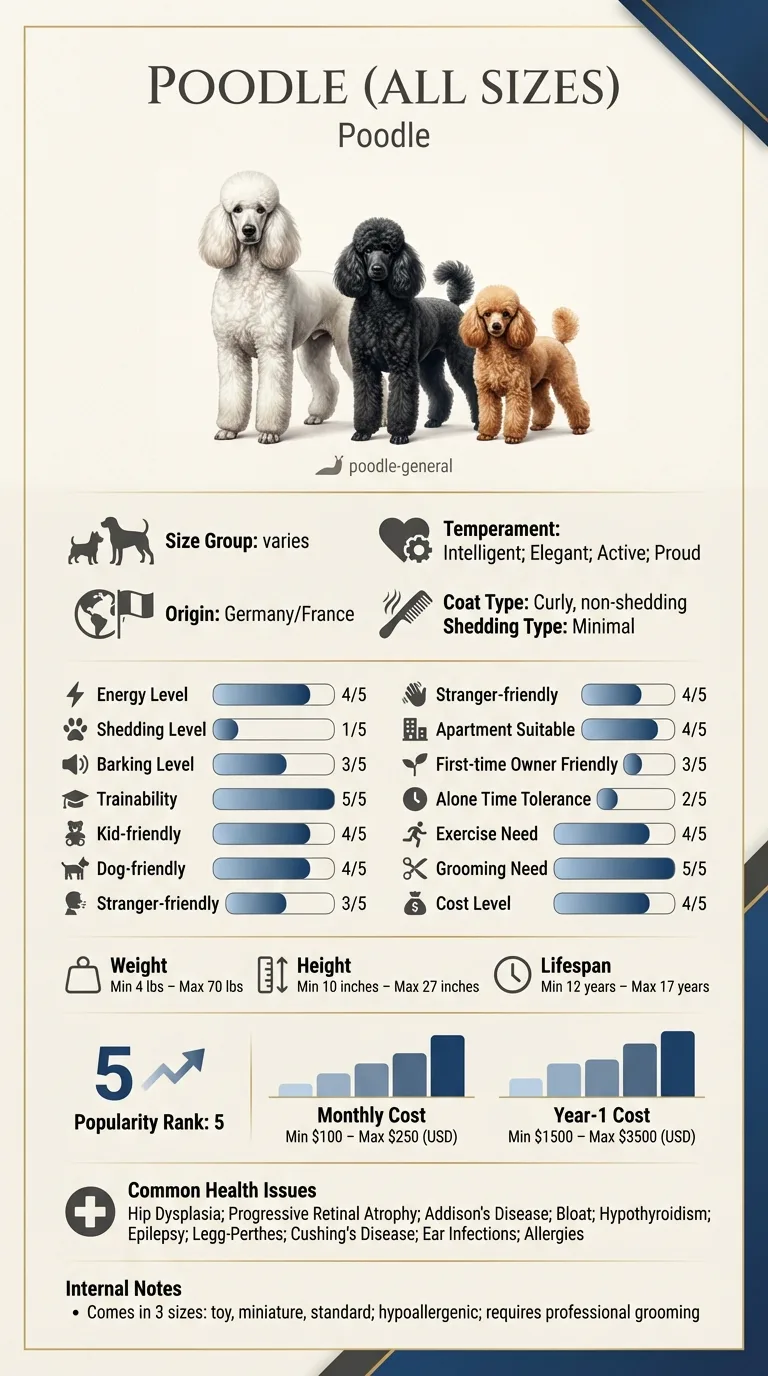
Many Poodle owners, especially first-time dog parents, may struggle with recognizing and addressing ocular disease. This problem can be distressing, particularly for those who want to provide the best care for their pets.
This guide is not medical advice. If your dog shows pain, sudden behavior change, or worsening symptoms, consult a licensed veterinarian.
Some links may be affiliate links. We may earn a commission at no extra cost to you. We only suggest products we believe are helpful for dog owners.
We research and check what we publish, but we do not warrant that any figure, date, price, or statement is accurate, complete, or current, and we accept no liability for any loss, cost, injury, or other harm arising from the use of this site. Use it as one reference among several. You remain responsible for your own decisions and for your dog's care - confirm anything that matters with a licensed veterinarian or another qualified professional before you act on it. Full disclaimer.
Check this first
Ocular disease in Poodles can vary in severity. It's crucial to know when to seek immediate veterinary help versus when to monitor your dog at home. If you notice red flags such as sudden vision loss, excessive tearing, or if your Poodle is pawing at their eyes, these are signs to call your vet right away.
Additionally, if your dog exhibits swelling around the eyes, a change in eye color, or if they seem to be in pain or distress, these symptoms warrant an emergency visit. Early intervention can make a significant difference in your Poodle's health.
On the other hand, if your Poodle has mild symptoms like occasional eye discharge or slight redness, you can monitor these changes. Keep a close eye on their condition and consult your vet if symptoms worsen or persist. It’s essential to create a plan for regular check-ups, especially if your Poodle is predisposed to ocular issues. This proactive approach can help manage their health effectively.
If any of these apply, call your vet or an emergency clinic now. The rest of this page is for the cases that are not an emergency.
Poodle (All Sizes) ocular disease can significantly impact your dog's quality of life. Symptoms may include watery eyes, squinting, or cloudiness in the eyes. This condition is more common in certain breeds, including Poodles, who face a 467% higher risk of developing ocular issues.
Ocular disease is relatively common among Poodles, especially as they age. Regular vet check-ups can help catch these issues early, ensuring proper management.
Poodles are prone to certain genetic conditions that can lead to ocular disease. Their unique eye structure may make them more susceptible to issues like Progressive Retinal Atrophy, which affects vision over time. Understanding these breed tendencies can help you anticipate and manage potential problems.
Environmental factors can also contribute to ocular disease in Poodles. Exposure to allergens, irritants, or foreign objects can irritate the eyes. Additionally, inadequate eye care or grooming may lead to infections and other complications.
Consult a vet if you notice persistent eye problems or if your Poodle's vision seems affected. Regular check-ups are essential, especially since Poodles are at a higher risk for ocular diseases. Early veterinary intervention can significantly improve outcomes.
Avoid these common mistakes to help manage your Poodle's ocular disease effectively.
Start here: Poodle (All Sizes) Genetic Disorders: What to Screen For
See all Poodle General health problems, which breeds are prone to ocular disease, or the full Poodle General breed guide for temperament, exercise needs and ownership costs.
Managing Poodle (All Sizes) ocular disease typically requires ongoing vigilance and care. You should see some improvements in 2 to 3 months with consistent treatment and follow-up.
Success means reduced symptoms, better eye health, and your Poodle feeling comfortable and happy. Regular vet check-ups and a tailored care plan are crucial.
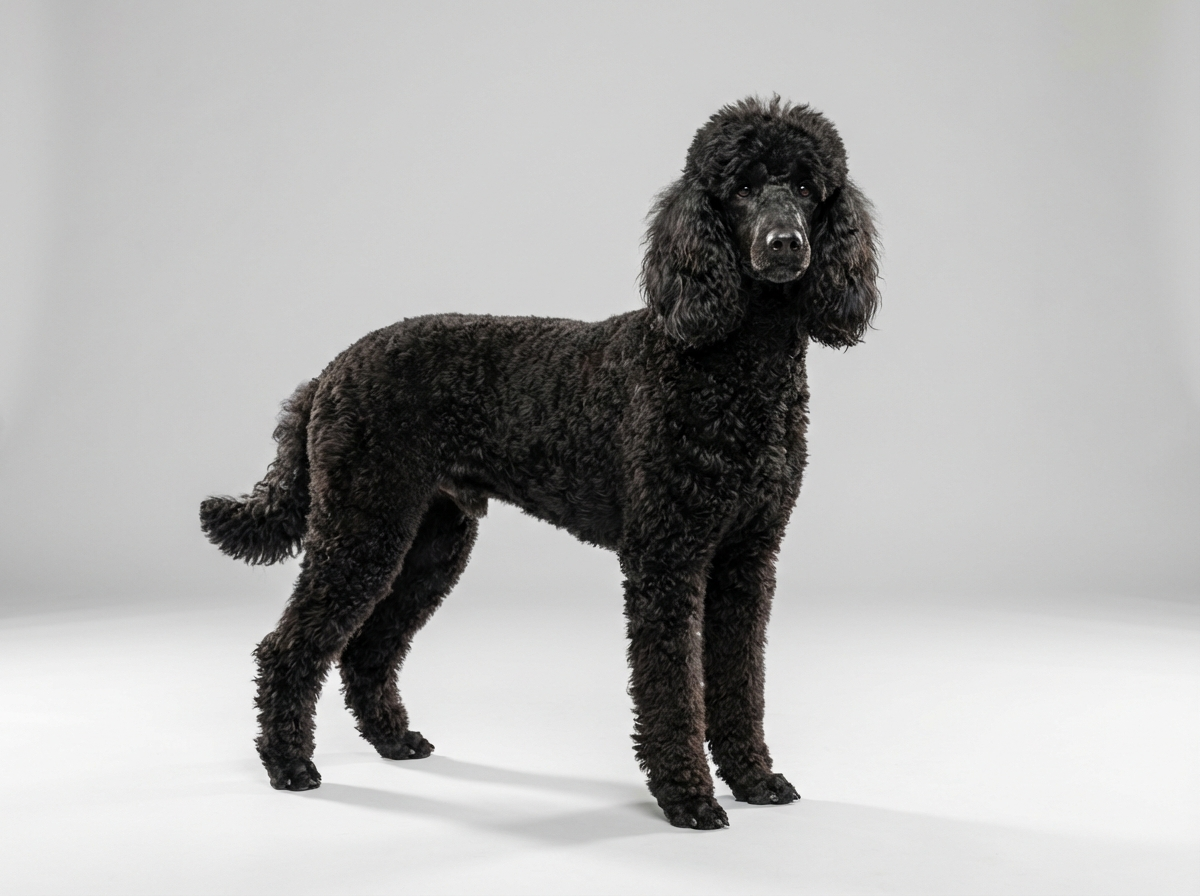
Maya, a busy nurse in San Francisco, noticed Max, her Standard Poodle, squinting and rubbing his eyes frequently. After a vet visit, she learned that Max had early signs of ocular disease. With a dedicated treatment plan that included eye drops and daily eye cleaning, Maya committed to a routine. Within a few months, Max's symptoms improved significantly, and he was back to his playful self. She also learned to adjust his environment to minimize irritants, making a big difference.
Key takeaway: With early detection and consistent care, you can manage Poodle (All Sizes) ocular disease effectively. A proactive approach is essential for your dog's health.
Poodles are genetically predisposed to certain ocular diseases, which can increase their risk significantly. Factors such as age, environment, and overall health can also contribute to these issues. Regular vet check-ups can help catch problems early.
Preventing ocular disease involves regular veterinary eye exams, maintaining a healthy diet, and ensuring your Poodle gets enough exercise. Additionally, keeping their living area clean can reduce exposure to irritants that may affect their eyes.
Common signs include excessive tearing, redness, squinting, or cloudiness in the eyes. If you notice any of these symptoms, it's important to consult your veterinarian promptly. Early detection can lead to better treatment outcomes.
While training won’t cure ocular disease, it can enhance your dog's overall well-being and help with behavioral adjustments. Teaching commands like 'leave it' can prevent your Poodle from scratching their eyes or getting into eye irritants.
Treatment options vary depending on the specific condition but may include medication, special diets, or surgery. Your veterinarian will recommend the best course of action based on your Poodle's diagnosis.
It's recommended to have your Poodle's eyes checked at least once a year, or more frequently if they show symptoms. Regular checks can help catch any issues early and ensure your Poodle stays healthy.
Common signs of ocular disease in a Poodle include red or watery eyes, squinting, or excessive blinking. You might also notice changes in their vision, such as bumping into things or reluctance to play. If you see these symptoms, it’s best to consult your vet.
Yes, older Poodles may be more susceptible to ocular disease due to age-related factors. Conditions like cataracts or progressive retinal atrophy may develop more frequently in senior dogs. Regular vet check-ups are crucial for early detection and management.
Some ocular diseases in Poodles can be hereditary, especially conditions like progressive retinal atrophy. Responsible breeders often screen for these issues, so it's important to ask about health clearances when choosing a puppy. Genetic testing may also help in understanding risks.
If your Poodle is diagnosed with ocular disease, discuss treatment options with your vet. Depending on the condition, treatments can range from medications to surgical interventions. Regular follow-ups will help monitor your dog's eyes and overall health.
While not all ocular diseases can be prevented, maintaining your Poodle's overall health can help. Regular vet visits, a balanced diet, and proper grooming can minimize risks. Early detection is key, so keep an eye on any changes in your dog's vision.
Ensure regular vet visits and keep your Poodle's area clean to reduce eye irritants.
Regular grooming and maintaining a balanced diet can support eye health and overall well-being.
Contact your veterinarian immediately to discuss symptoms and potential treatment options.
Training to avoid eye irritants can help. Commands like 'leave it' are beneficial.
Treatment costs can vary but typically range from $100 to $500, depending on the condition and required care.
A one-page prep sheet for this condition: the signs, the questions to ask, what to get priced. Unlocks here.
You get: Vet visit prep sheet
No spam. One-click unsubscribe. See our privacy policy.
See a sample page before you decide.
Early access list
The free prep sheet covers the same-day warning signs, a symptom log and the questions to ask. We are considering a fuller kit that adds a cost worksheet for the usual tests and treatments (US price ranges with their sources) and a plain-English guide to ways of covering the bill. It is not built yet; this list tells us whether it is worth building.
One email, no spam, unsubscribe anytime. Information only, not veterinary advice.