Behavior
What are quick tips for Poodle (All Sizes) heat sensitivity?
Keep your Poodle hydrated and limit outdoor time during peak heat. Use cooling mats and provide shade. Always watch for signs of overheating.
Poodles are wonderful companions, but they can struggle with heat sensitivity, which can lead to serious health risks. (Poodle (All Sizes) heat sensitivity)
Owners who live in warmer areas or those who enjoy outdoor activities with their Poodles often find themselves grappling with this issue. Busy families or first-time dog owners may not know the signs of heat distress, leading to potential dangers.
This guide is not medical advice. If your dog shows pain, sudden behavior change, or worsening symptoms, consult a licensed veterinarian.
Some links may be affiliate links. We may earn a commission at no extra cost to you. We only suggest products we believe are helpful for dog owners.
Poodles (All Sizes) are known for their intelligence and elegance, but they can struggle with heat sensitivity. This condition can lead to discomfort and even heatstroke if not managed properly. Owners may notice their Poodle becomes lethargic, pants excessively, or seeks out cool surfaces when the temperature rises.
Heat sensitivity is relatively common among Poodles, especially during summer months. Poodles have a thick, curly coat that can insulate them, making it crucial for owners to monitor their pets closely in hot conditions.
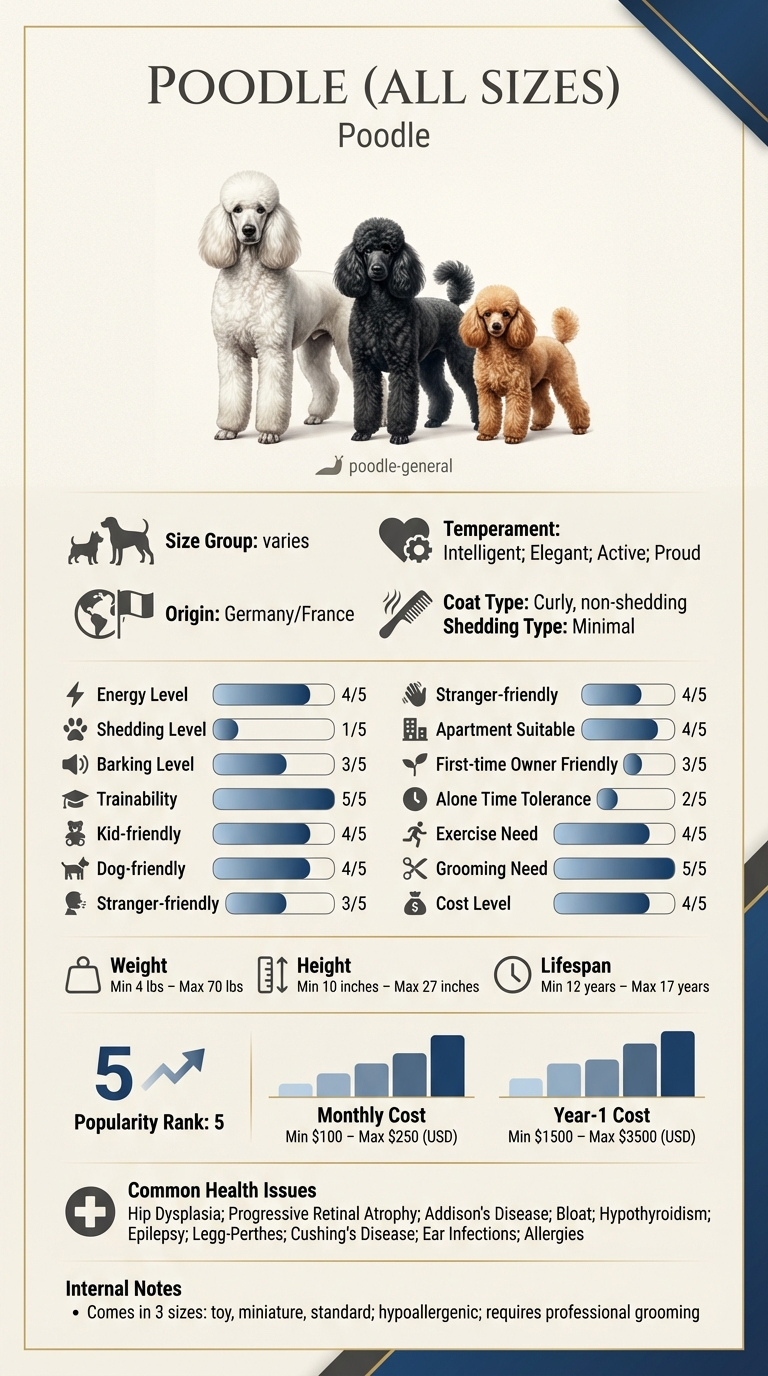
Poodles, regardless of size, are sensitive to heat due to their dense, curly coats. This insulation can trap heat, making it hard for them to cool down. Additionally, their energy level means they may want to play or exercise outside, which can lead to overheating.
Environmental factors like humidity and temperature can exacerbate heat sensitivity. If your Poodle is in a hot climate or lacks access to shade and water, they will struggle more. Urban settings with hot pavements can also be problematic for their paws.
If your Poodle has severe anxiety about heat or shows signs of distress during outdoor activities, a trainer can help. Look for trainers experienced in behavioral issues, as they can provide tailored strategies to ease your dog's stress.
If your Poodle frequently suffers from overheating or shows persistent signs of discomfort, consult a vet. They can rule out any underlying health issues and recommend specific care tailored to your dog's needs.
Within 2-3 months of consistent training and care, you should see improvements in your Poodle's comfort and behavior in warm weather.
Success means your Poodle can enjoy outdoor activities in warmer weather without showing signs of heat distress. They should be able to stay cool and comfortable with proper hydration and shade.
Avoiding common mistakes can significantly improve your Poodle (All Sizes) heat sensitivity situation. Here are some behaviors to avoid and safer alternatives.
Heat sensitivity in Poodles can escalate quickly, making it vital to recognize when it’s an emergency. If your Poodle shows signs of severe distress, such as excessive panting, drooling, confusion, or lethargy, you should call your vet immediately. These symptoms can indicate heatstroke and require urgent medical attention.
Additionally, if your Poodle collapses, has a seizure, or shows difficulty breathing, these are serious red flags. In these cases, you shouldn't wait or try to cool them down at home. Instead, seek veterinary help right away.
On the other hand, if your Poodle is just slightly uncomfortable, there are steps you can take to monitor the situation. Mild panting and seeking shade are signs that your dog might be feeling warm but not in immediate danger. You can manage this by providing water, a cool space, and short breaks from outdoor activity. Keeping an eye on them and ensuring they stay hydrated can usually help alleviate mild heat sensitivity issues.
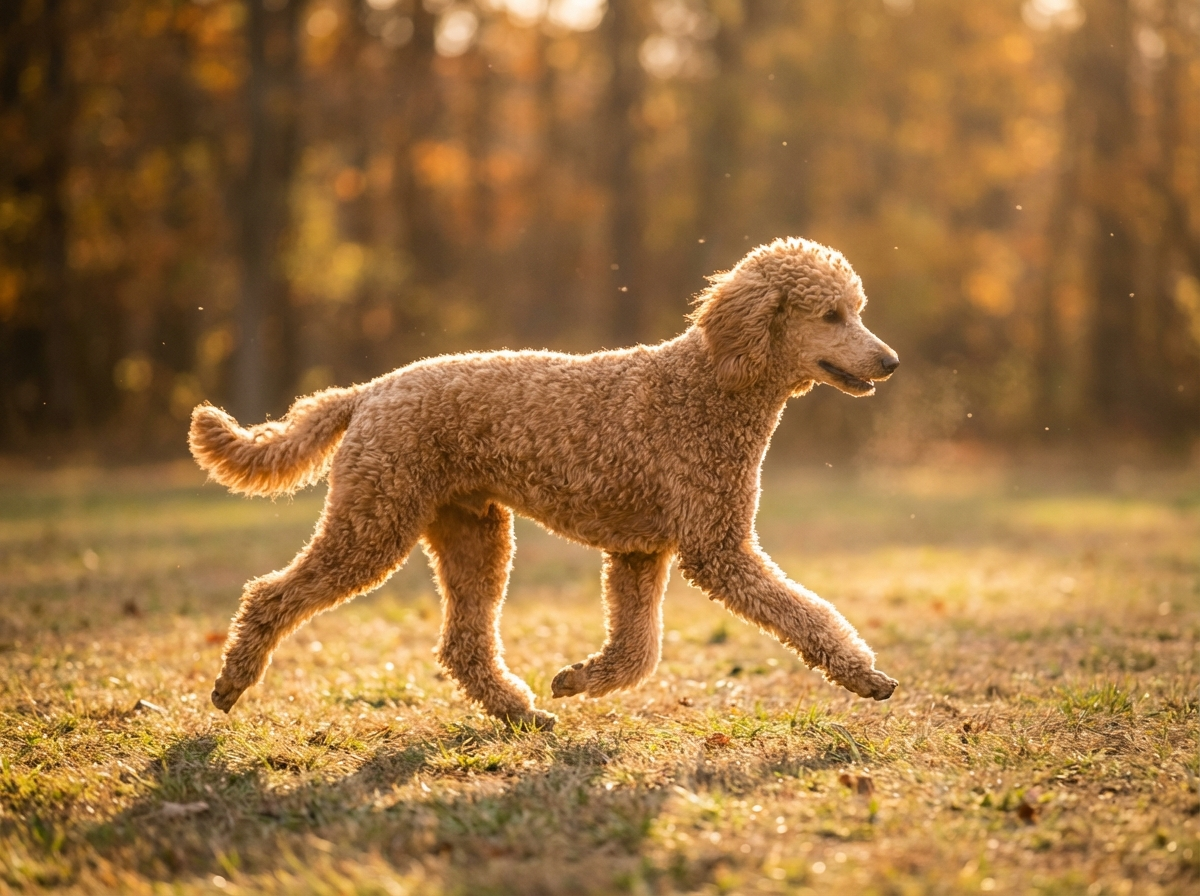
Jessica, a busy nurse in Phoenix, adopted Bella, her Standard Poodle, thinking she would love their daily runs together. However, Bella struggled in the heat, often panting heavily and refusing to walk after just a few minutes. Jessica felt guilty for not being able to give Bella the exercise she needed. After consulting a vet, she learned about heat sensitivity and adjusted her routine. Jessica started early morning walks when it was cooler, ensured Bella had plenty of water, and invested in a cooling vest. Over time, Bella became more comfortable in the heat and even enjoyed playing in the backyard during warm evenings.
Key takeaway: Understanding and adapting to your Poodle's heat sensitivity can dramatically improve their quality of life and comfort, allowing for enjoyable outdoor time together.
Poodles are sensitive to heat due to their curly, dense coat, which can trap heat. Additionally, their energy level and exercise needs can contribute to overheating. It's important to monitor them closely in warm weather.
To help your Poodle, provide plenty of fresh water and shade. Limit exercise during the hottest parts of the day and consider cooling products, like vests or mats. Always watch for signs of overheating, such as excessive panting.
Signs of heatstroke include heavy panting, drooling, weakness, and confusion. If you notice these symptoms, move your Poodle to a cooler area and apply cool water to their body. Seek veterinary help immediately if symptoms persist.
Training can help by teaching your Poodle to recognize when it's too hot to play or exercise. Positive reinforcement can encourage them to stay in cooler areas. However, it won't eliminate their natural sensitivity.
All sizes of Poodles can face heat sensitivity, but smaller ones may struggle more due to their size. Regardless of size, it's crucial to keep all Poodles cool and comfortable in hot weather.
Make your home a heat-friendly zone by using fans, air conditioning, and providing shaded outdoor spaces. Avoid leaving your Poodle in a hot car, and ensure they have access to cool, comfortable resting spots.
If your Poodle shows signs of heat sensitivity, take immediate steps to cool them down. Provide water, find a shaded area, and consider using a cooling vest. If symptoms worsen, contact your vet.
Signs of heat sensitivity in Poodles include excessive panting, drooling, lethargy, and difficulty breathing. If your Poodle seems disoriented or is unwilling to move, it may be overheating.
Poodles can have heat sensitivity due to their thick, curly coats that trap heat. Additionally, their size and age can influence their ability to regulate temperature, making them more susceptible to heat-related issues.
Yes, older Poodles may be more prone to heat sensitivity. As they age, their ability to handle temperature changes can decline, so it's crucial to monitor them closely in warm weather.
To help your Poodle cope with heat sensitivity, provide plenty of water, avoid walks during the hottest parts of the day, and create a cool resting area indoors. You might also consider cooling vests or mats to help keep them comfortable.
If your Poodle shows severe signs of distress, such as excessive panting, vomiting, or collapse, you should see a vet immediately. Even mild symptoms can escalate quickly, so it's better to be safe.
Keep your Poodle hydrated and limit outdoor time during peak heat. Use cooling mats and provide shade. Always watch for signs of overheating.
Monthly care can range from $100 to $250, depending on grooming and health needs. Consider additional costs for cooling products.
Yes, heat sensitivity is common in Poodles due to their dense coats. It's crucial to manage their environment during warm weather.
Training can help your Poodle recognize limits in heat. Positive reinforcement can encourage them to rest in cooler areas.