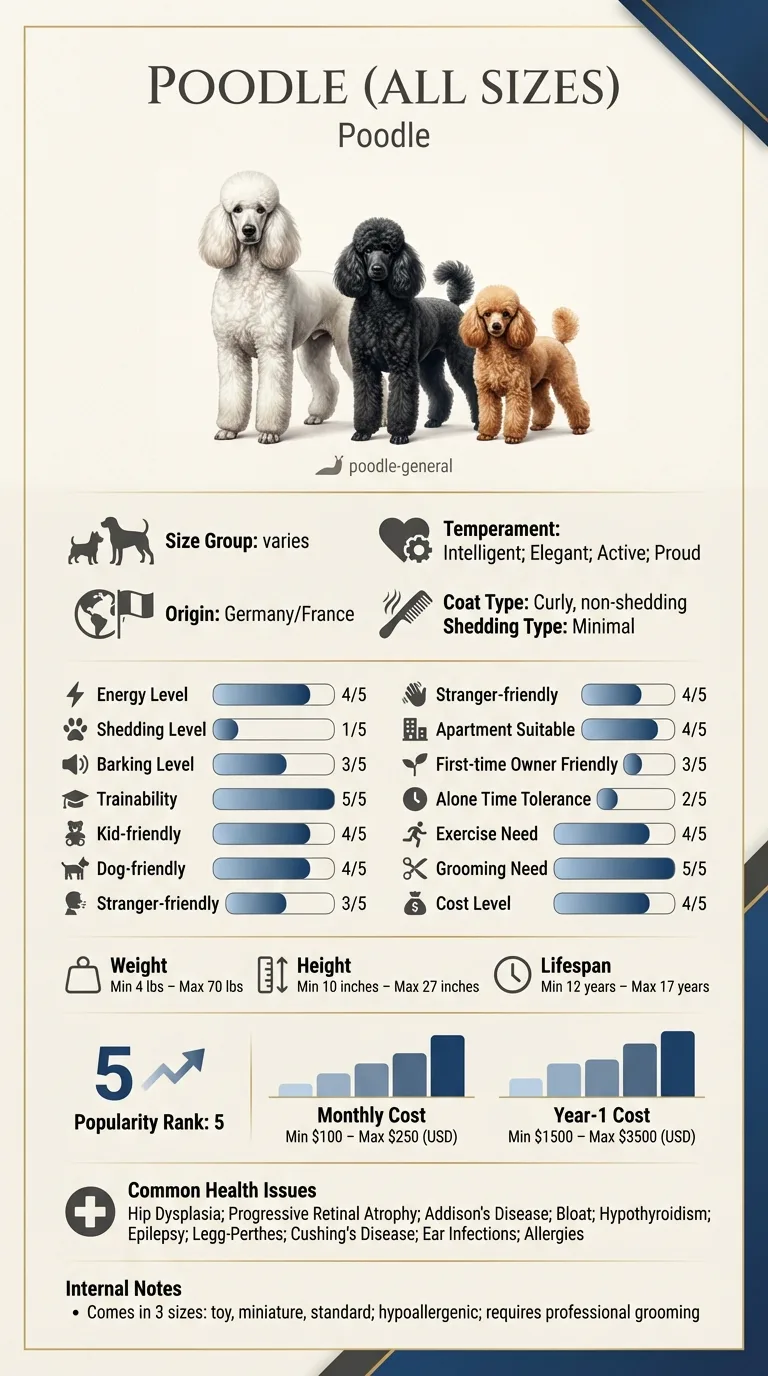
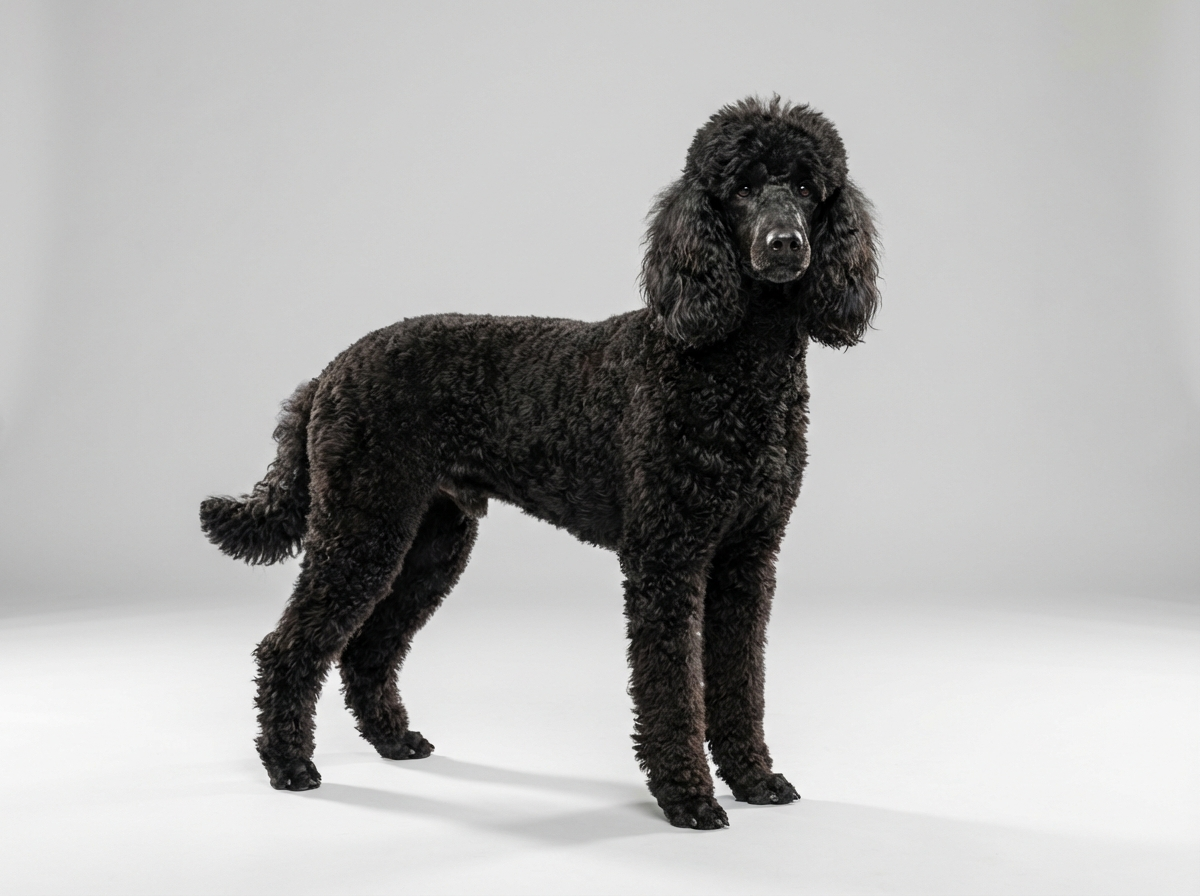
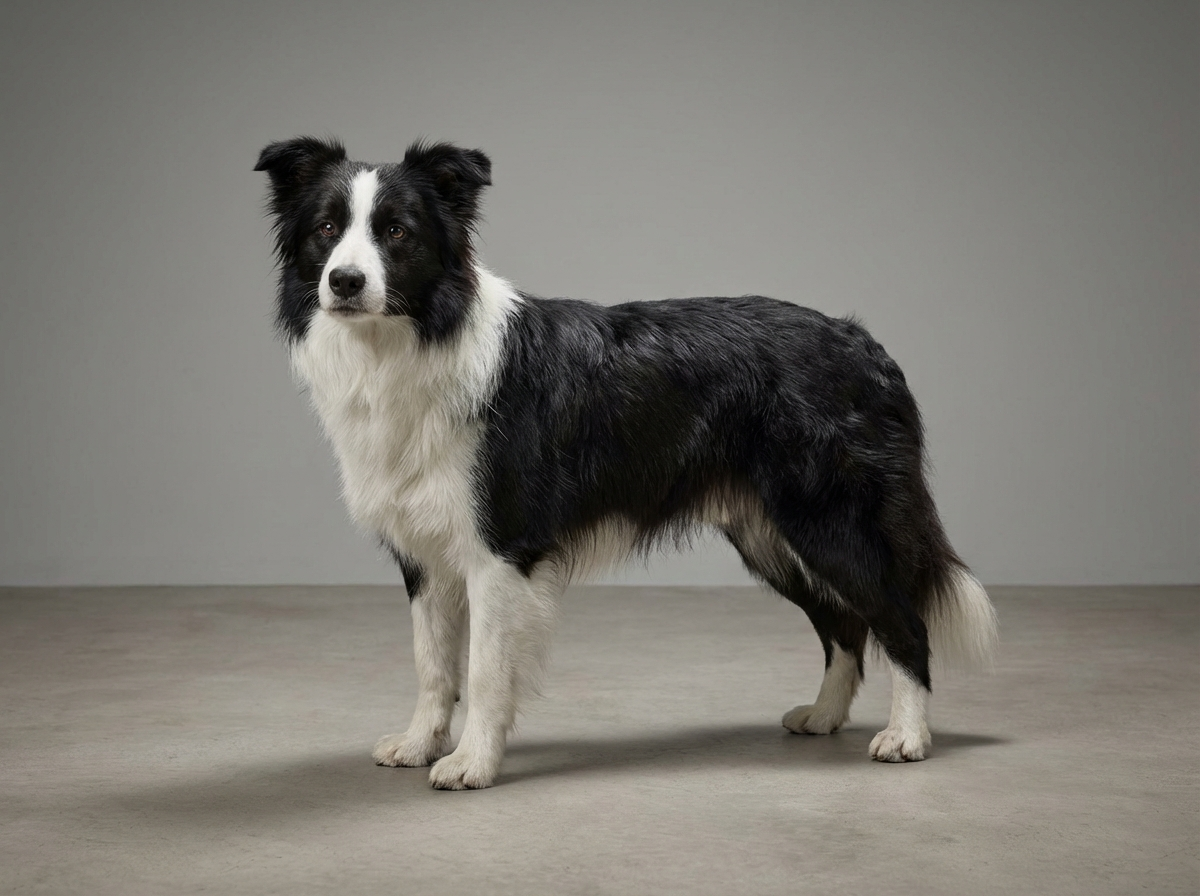
What are quick tips for Poodle (All Sizes) eye disorders?
Keep your Poodle's eyes clean and free of debris. Regular veterinary check-ups can help catch issues early. If you notice any unusual behavior or symptoms, consult your vet immediately.
Poodle (All Sizes) eye disorders can affect your dog's vision and quality of life. Recognizing the signs early is crucial.

Owners of Poodles often face challenges related to eye disorders, especially those who may not be familiar with the breed's specific health needs. First-time dog owners, busy families, or those without regular vet access might find it particularly overwhelming.
This guide is not medical advice. If your dog shows pain, sudden behavior change, or worsening symptoms, consult a licensed veterinarian.
Some links may be affiliate links. We may earn a commission at no extra cost to you. We only suggest products we believe are helpful for dog owners.
Poodle (All Sizes) eye disorders can manifest in various forms, including cataracts, eyelid disorders, and corneal ulcers. These issues may lead to discomfort, blurred vision, or even blindness. Daily signs might include excessive tearing, squinting, or pawing at the eyes, which can be concerning for any Poodle owner.
Eye disorders are relatively common among Poodles, especially as they age. Regular veterinary check-ups can help catch these issues early, but awareness is crucial for all Poodle owners.
Poodles, regardless of size, are prone to certain eye disorders due to their genetic makeup. Common issues include cataracts and progressive retinal atrophy. These conditions can develop as they age or can be inherited from their parents.
Environmental factors can also contribute to eye disorders in Poodles. Allergens in the air, irritants like dust and smoke, and exposure to harsh lighting can exacerbate eye problems. Additionally, lack of regular grooming can lead to eye irritation from hair growing into the eyes.
If your Poodle shows signs of anxiety or stress related to grooming or eye care, consider consulting a trainer. They can help your dog become more comfortable with handling and grooming routines.
If you notice persistent eye problems like cloudiness, excessive tearing, or changes in vision, it's time to talk to a vet. Early intervention can prevent more serious issues and help maintain your Poodle's quality of life.
You can expect to see improvements in your Poodle's eye health within 1 to 3 months after starting a treatment plan.
Success looks like stable vision and reduced symptoms, like tearing or redness, allowing your Poodle to enjoy daily activities without discomfort.
Many owners unknowingly reinforce Poodle (All Sizes) eye disorders through their actions. Here are some common mistakes to avoid, along with safer alternatives.
Eye disorders can vary in severity for Poodles. It’s crucial to know when to act fast and when you can monitor the situation. If you notice any of these red-flag signs, call your vet immediately.
Signs that require urgent attention include persistent redness in the eye, excessive tearing, inability to open the eye, swelling around the eye, or if your Poodle seems to be in pain—such as whining or pawing at the face. Other urgent signs include cloudy eyes or sudden vision loss. These symptoms can indicate serious issues, including cataracts or corneal ulcers, which need prompt treatment.
On the other hand, mild symptoms can often be monitored. If your Poodle is squinting occasionally or has minor eye discharge that doesn’t worsen, keep an eye on it for a few days. You can also ensure their eyes are clean and free from debris. If the symptoms remain mild and don’t escalate, it’s okay to wait a bit before seeking professional help. However, if you have any doubts, err on the side of caution and consult your vet for advice.

Sarah, a busy nurse in Seattle, noticed her Poodle, Max, had watery eyes and seemed hesitant to play outside. After a vet visit, she learned Max had a mild form of progressive retinal atrophy. Initially overwhelmed, Sarah researched how to manage eye disorders in Poodles. With the vet's guidance, she adjusted Max's diet, added eye drops, and scheduled regular check-ups. Over a few months, Max's eye health improved, and he regained his playful spirit.
Key takeaway: With the right support and knowledge, managing your Poodle's eye disorders can lead to a happier, healthier life.

Poodle (All Sizes) eye disorders can stem from various causes, including genetics, age, and environmental factors. Common issues include cataracts and eyelid disorders. Regular vet check-ups can help catch these problems early.
Signs of eye disorders in Poodles include excessive tearing, redness, cloudiness, or squinting. If you notice any of these symptoms, consult your vet for a proper examination. Early detection can help prevent more serious issues.
Common eye disorders in Poodles include cataracts, corneal ulcers, and eyelash disorders. These conditions can affect your dog's vision and overall health. Regular vet visits can help monitor your Poodle's eye health.
Preventing eye disorders in Poodles involves maintaining good eye hygiene, regular vet check-ups, and ensuring a healthy diet. Additionally, protecting your Poodle from allergens and irritants can help. Consult your vet for specific recommendations.
Many Poodle (All Sizes) eye disorders can be treated with medication, surgery, or lifestyle changes. Your vet will recommend the best course of action based on the specific condition. Early intervention often leads to better outcomes.
Yes, some eye disorders in Poodles can be hereditary. If you're considering breeding, screen for genetic conditions to reduce the risk of passing them to offspring. Consulting with a vet can provide more insight into genetic health.
If your Poodle (All Sizes) exhibits symptoms like redness, excessive tearing, or squinting, contact your vet immediately. Early diagnosis is crucial for effective treatment of eye disorders.
Yes, certain eye disorders can be hereditary in Poodles (All Sizes). It's important to discuss your dog's lineage with a vet and consider genetic testing if you have concerns.
You can manage your Poodle's eye disorders by keeping their eyes clean and monitoring any changes. Regular vet check-ups are also essential for ongoing care.
Yes, as Poodles (All Sizes) age, they may become more susceptible to eye disorders like cataracts. Regular veterinary check-ups can help catch these issues early.
Your Poodle (All Sizes) may have eye disorders due to various reasons, including genetics, environmental factors, or lack of proper care. Consulting your vet can help you understand the specific cause.
Keep your Poodle's eyes clean and free of debris. Regular veterinary check-ups can help catch issues early. If you notice any unusual behavior or symptoms, consult your vet immediately.
Check your Poodle's eyes at least once a week for any signs of redness, cloudiness, or excessive tearing. Early detection of issues can prevent serious problems later.
Treatment costs for eye disorders can range from $100 to several thousand dollars, depending on the condition and required procedures. Always consult your vet for a cost estimate.