Behavior
What are quick tips for managing Poodle (All Sizes) esophageal disease?
Feed smaller, more frequent meals and consider a soft food diet to ease swallowing.

Quick answer
What are quick tips for managing Poodle (All Sizes) esophageal disease?
Feed smaller, more frequent meals and consider a soft food diet to ease swallowing.
Poodle (All Sizes) can be prone to esophageal disease, which can affect their eating and overall health. (Poodle (All Sizes) esophageal disease)
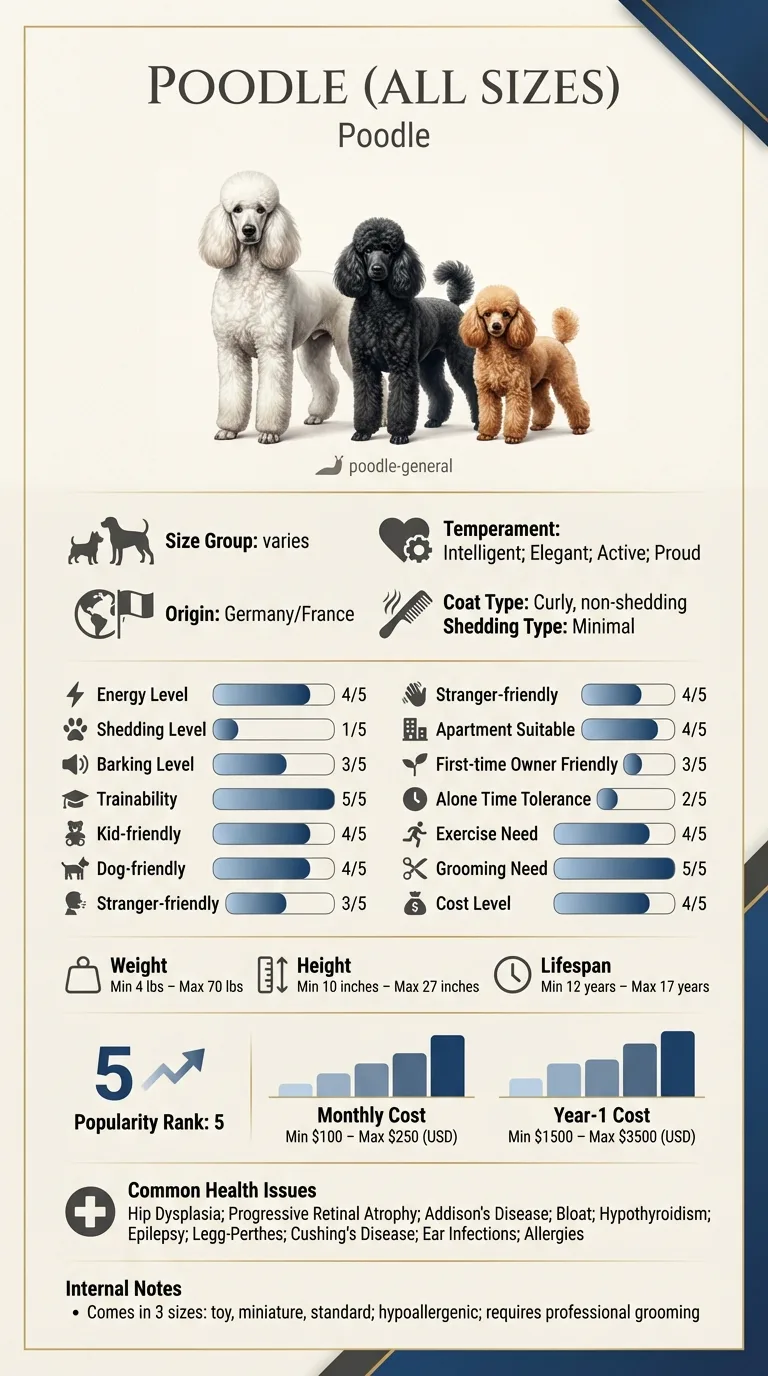
Many Poodle owners, especially those with busy lifestyles or first-time dog parents, may find it difficult to recognize and manage this health issue. If your Poodle shows signs of difficulty eating or frequent regurgitation, you're not alone.
This guide is not medical advice. If your dog shows pain, sudden behavior change, or worsening symptoms, consult a licensed veterinarian.
Some links may be affiliate links. We may earn a commission at no extra cost to you. We only suggest products we believe are helpful for dog owners.
We research and check what we publish, but we do not warrant that any figure, date, price, or statement is accurate, complete, or current, and we accept no liability for any loss, cost, injury, or other harm arising from the use of this site. Use it as one reference among several. You remain responsible for your own decisions and for your dog's care - confirm anything that matters with a licensed veterinarian or another qualified professional before you act on it. Full disclaimer.
Check this first
Knowing when Poodle (All Sizes) esophageal disease is an emergency can help you react quickly. Some signs indicate you should call your vet right away. These include severe vomiting, difficulty breathing, or excessive drooling. If your dog seems lethargic or is showing signs of distress, these are also red flags.
On the other hand, mild cases can often be monitored at home. If your Poodle is occasionally gagging or regurgitating without signs of pain, you may just need a plan to manage their diet. Keeping track of their eating habits and any symptoms can help you decide if a vet visit is necessary later.
It's essential to stay alert. If your dog's condition worsens, don’t hesitate to call your vet. They can provide the best advice on how to handle the situation.
If any of these apply, call your vet or an emergency clinic now. The rest of this page is for the cases that are not an emergency.
Poodle (All Sizes) esophageal disease can be a challenging issue for both dogs and their owners. This condition often manifests as difficulty swallowing, gagging, or even regurgitation of food. Owners might notice their Poodle struggling to eat, becoming anxious at mealtime, or displaying signs of discomfort after eating.
Esophageal disease is relatively common in Poodles, with studies showing a 265% higher risk compared to other breeds. This means many Poodle owners may encounter this issue at some point, especially if their dog has a history of eating problems.
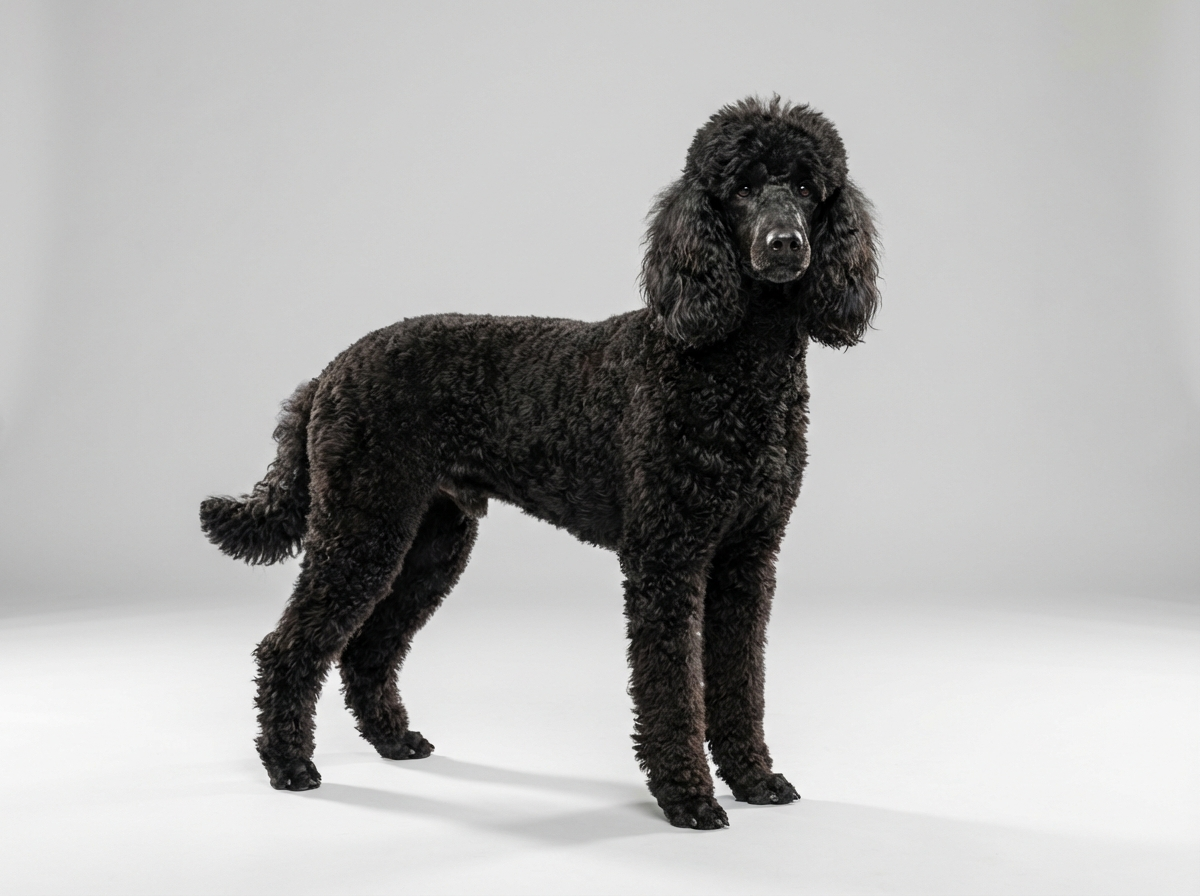
Poodles, all sizes, may be more prone to esophageal disease due to their unique anatomy. Their long necks and narrow throats can make them susceptible to swallowing difficulties. Additionally, certain sizes of Poodles may have a genetic predisposition towards this condition.
Environmental factors can also contribute to esophageal disease. Stress from rapid changes in the household, such as moving or introducing a new pet, can exacerbate existing conditions. Moreover, poor eating habits or hurried meals can lead to swallowing problems.
If you notice persistent vomiting, drooling, or difficulty swallowing, it's essential to consult your vet promptly. They can provide a proper diagnosis and discuss potential treatments for esophageal disease.
When managing Poodle (All Sizes) esophageal disease, some common mistakes can inadvertently worsen the situation. Here are key behaviors to avoid and safer alternatives.
Start here: Poodle (All Sizes) Genetic Disorders: What to Screen For
See all Poodle General health problems, which breeds are prone to esophageal disease, or the full Poodle General breed guide for temperament, exercise needs and ownership costs.
Managing Poodle (All Sizes) esophageal disease typically takes a few weeks to several months. With consistent care and adjustments to feeding routines, many owners see improvements within 4-6 weeks.
Success means your Poodle can eat and drink comfortably without frequent regurgitation. You'll notice a more relaxed demeanor during meals, and your dog will maintain a healthy weight.
Maggie, a standard Poodle in Chicago, struggled with frequent regurgitation after meals. Her owner, Sarah, was worried and confused about why this was happening. After consulting a vet, they learned about esophageal disease and how to manage it. Sarah adjusted Maggie's diet to smaller, softer meals and implemented a slow-feeding bowl to help her eat more thoughtfully. After a month of being diligent with the new feeding routine, Maggie started showing improvement. She began eating without discomfort, and Sarah felt a huge sense of relief watching her happy and healthy.
Key takeaway: With the right adjustments and a bit of patience, managing Poodle (All Sizes) esophageal disease can lead to a happier, healthier dog.
Poodles can develop esophageal disease due to various factors, including genetics, diet, or swallowing habits. It's essential to monitor your dog's eating behaviors and consult with your veterinarian for a proper diagnosis.
To help prevent esophageal issues, feed your Poodle smaller, more frequent meals. Avoid feeding them dry kibble alone; consider mixing it with water or wet food to make it easier to swallow.
Symptoms of esophageal disease in Poodles can include coughing, difficulty swallowing, regurgitation, and weight loss. If your Poodle is showing any of these signs, it's important to consult your vet for a proper diagnosis.
While training cannot cure esophageal disease, it can help create a more structured feeding environment. Teaching your Poodle to eat slowly and using feeding puzzles can improve their eating habits.
If your Poodle shows persistent signs of esophageal issues, such as frequent regurgitation or weight loss, it's important to see a vet. Early intervention can lead to better management of the condition.
Yes, consider switching to a high-quality, soft food that’s easier to swallow. Adding water or broth to dry kibble can also help make meals more manageable.
Yes, diet can play a significant role in managing esophageal disease. Feeding smaller, more frequent meals and opting for softer foods may help reduce symptoms. Always discuss dietary changes with your vet.
Some studies suggest that esophageal disease may have a genetic component in certain dog breeds, including Poodles. If you have concerns, talk with your vet about your Poodle's family history and risks.
If your Poodle experiences persistent symptoms like difficulty swallowing, repeated regurgitation, or significant weight loss, it's time to see the vet. Early intervention can make a big difference in treatment outcomes.
Yes, older Poodles are at a higher risk of developing esophageal disease due to age-related changes. Regular check-ups with your vet can help monitor their health and catch any issues early.
Feed smaller, more frequent meals and consider a soft food diet to ease swallowing.
Monitor your Poodle's eating habits and consult your vet for dietary recommendations.
Yes, managing esophageal disease may increase vet visits and specific dietary needs, impacting overall costs.
Yes, training your Poodle to eat slowly can reduce the risk of esophageal issues.
Yes, weight loss can be a sign of esophageal disease; monitor your dog's weight closely.
A one-page prep sheet for this condition: the signs, the questions to ask, what to get priced. Unlocks here.
You get: Vet visit prep sheet
No spam. One-click unsubscribe. See our privacy policy.
Preview page 1 before you decide.