Behavior
What are quick tips for Poodle (All Sizes) cherry eye?
Keep your Poodle's eyes clean and monitor for signs of irritation. If you suspect cherry eye, see a vet quickly to discuss treatment options.

Quick answer
What are quick tips for Poodle (All Sizes) cherry eye?
Keep your Poodle's eyes clean and monitor for signs of irritation. If you suspect cherry eye, see a vet quickly to discuss treatment options.
Poodle (All Sizes) cherry eye is a condition where the eyelid gland prolapses, causing a noticeable red mass. It can look alarming, but understanding it helps you take the right steps.
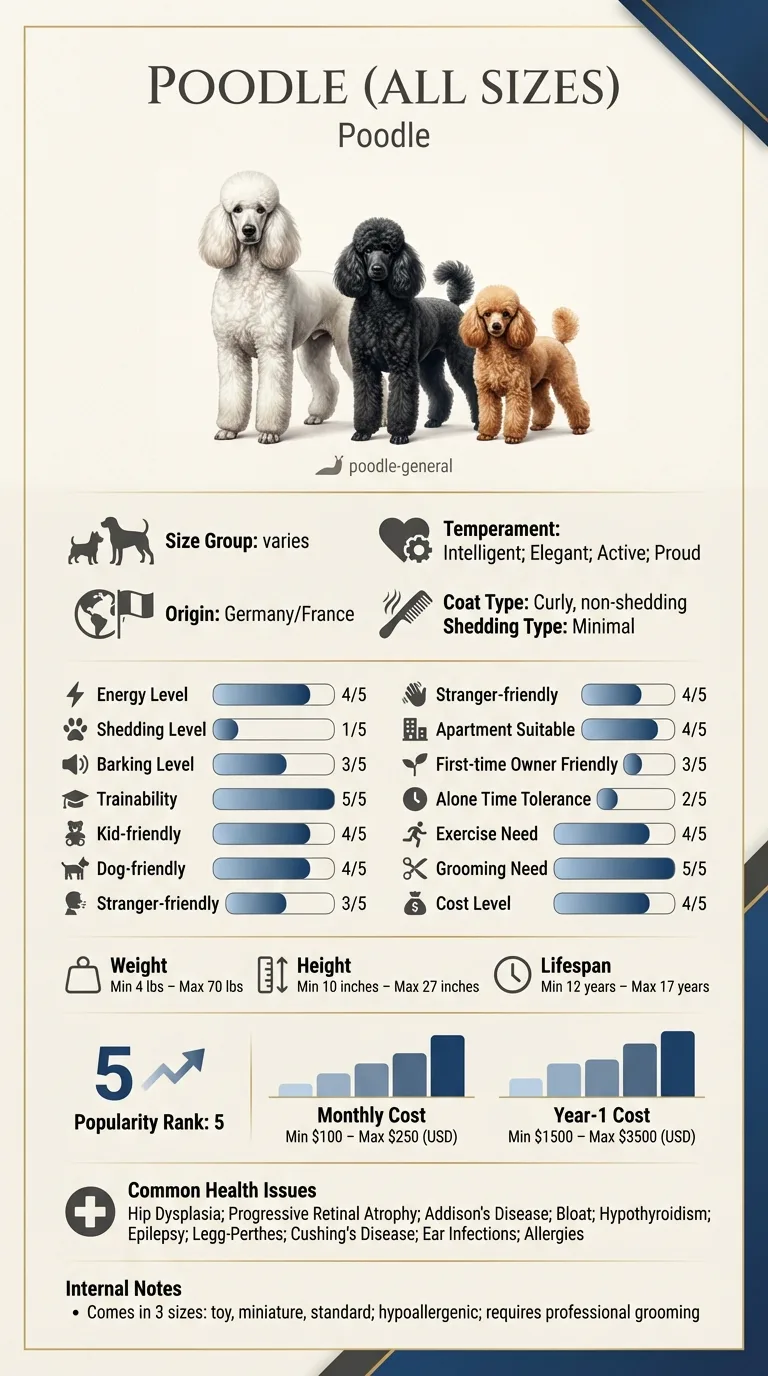
Owners of Poodles, especially those new to dog care, often face this challenge. Busy families or individuals juggling multiple responsibilities may find it particularly stressful to manage.
This guide is not medical advice. If your dog shows pain, sudden behavior change, or worsening symptoms, consult a licensed veterinarian.
Some links may be affiliate links. We may earn a commission at no extra cost to you. We only suggest products we believe are helpful for dog owners.
We research and check what we publish, but we do not warrant that any figure, date, price, or statement is accurate, complete, or current, and we accept no liability for any loss, cost, injury, or other harm arising from the use of this site. Use it as one reference among several. You remain responsible for your own decisions and for your dog's care - confirm anything that matters with a licensed veterinarian or another qualified professional before you act on it. Full disclaimer.
Check this first
Cherry eye in Poodles can look alarming, but knowing when it's an emergency can help you respond appropriately. If you notice any of the following red-flag signs, call your vet immediately. These include severe swelling of the gland, excessive tearing, or if your dog is showing signs of pain like squinting or pawing at their eye. If the cherry eye is accompanied by a change in behavior, such as lethargy or loss of appetite, it’s time to seek help.
On the other hand, if the cherry eye appears mildly swollen but your Poodle is acting normally, you may monitor the situation for a short while. In these cases, keep an eye on the gland and make a plan to see your vet if it doesn’t improve. Ensure you keep the eye area clean and avoid any irritants, like allergens or dust.
It's crucial to remember that while cherry eye isn't typically life-threatening, it can lead to more serious issues if left untreated. Early intervention can prevent complications, so don't hesitate to reach out to your veterinarian if something feels off. Regular check-ups can also help spot potential problems before they escalate.
If any of these apply, call your vet or an emergency clinic now. The rest of this page is for the cases that are not an emergency.
Cherry eye in Poodles (All Sizes) is a common condition where a gland in the eyelid prolapses, appearing as a red, swollen mass. This can cause discomfort and lead to further eye issues if not addressed. Many owners notice this condition when their dog is excited or after vigorous play.
Cherry eye is relatively common in Poodles, especially in younger dogs. It's not unusual for owners to encounter this issue at some point, especially among breeds with prominent eyes.
Cherry eye in Poodles (All Sizes) is often related to their genetic predisposition. This breed is known for its unique eye structure, which can make them more susceptible to issues like eyelid gland prolapse, commonly referred to as cherry eye.
Environmental factors can also contribute to cherry eye. Stress, allergies, and excessive activity can irritate the eyes, leading to the condition. If your Poodle is frequently exposed to harsh environments or allergens, this may increase the risk.
If cherry eye persists despite home care, it's time to see a vet. Surgery may be necessary to correct the issue and prevent further complications.
Avoiding these common mistakes can help manage your Poodle (All Sizes) cherry eye more effectively.
Start here: Poodle (All Sizes) Genetic Disorders: What to Screen For
See all Poodle General health problems, which breeds are prone to cherry eye, or the full Poodle General breed guide for temperament, exercise needs and ownership costs.
You may start to see improvement in your Poodle's cherry eye within a few weeks of implementing care and lifestyle changes. However, full resolution could take several months, especially if surgery is needed.
Success means your Poodle's cherry eye symptoms are significantly reduced, with the gland returning to its proper position and your dog feeling comfortable. Regular check-ups with your vet can help monitor progress.
Sarah, a busy nurse in Los Angeles, noticed her Poodle Bella had developed cherry eye. At first, she thought it was just a minor issue, but it began to affect Bella’s comfort. After some research, Sarah learned about the importance of regular grooming and moisture for Bella’s eyes. She quickly set up a routine that included vet visits and eye drops. Eventually, after months of care, Bella’s symptoms improved, and her cherry eye was less noticeable.
Key takeaway: With patience and the right care routine, you can manage your Poodle's cherry eye effectively, improving their comfort and quality of life.
Cherry eye in Poodles occurs when the gland in the eyelid prolapses or pops out of place. This can be due to genetic factors, lack of tissue support, or injury. It's important to consult a vet for a proper diagnosis. This answer relates to Poodle (All Sizes) cherry eye.
Treatment for cherry eye usually involves surgical correction to reposition the gland. In some cases, your vet might suggest non-surgical options, like topical medications, but surgery is often the most effective solution.
Cherry eye itself isn't typically painful, but it can lead to irritation or infection if left untreated. If you notice your Poodle is rubbing their eye or seems uncomfortable, it's best to consult a vet.
Yes, cherry eye can return even after surgical treatment. Regular check-ups with your vet can help monitor your Poodle's eye health and catch any issues early.
While you can't completely prevent cherry eye, ensuring your Poodle has a balanced diet and regular vet check-ups can support overall eye health. Maintaining proper grooming and eye hygiene is also important.
Cherry eye in Poodles is often due to genetic predisposition or structural issues with the eyelid. Consulting with your vet will provide insights tailored to your dog's specific situation.
In older Poodles, cherry eye is less likely to resolve on its own and often requires medical intervention. If your older Poodle has developed cherry eye, it's important to seek veterinary advice for the best treatment options.
Treatment for cherry eye may include surgical repositioning of the gland or, in some cases, removal of the gland. Your vet will recommend the best approach based on your Poodle's specific situation.
Keep your Poodle's eyes clean and monitor for signs of irritation. If you suspect cherry eye, see a vet quickly to discuss treatment options.
Yes, cherry eye is relatively common in Poodles due to their eye structure. Regular vet visits can help manage this condition.
Cherry eye itself doesn't usually affect vision, but if left untreated, it can lead to complications that might impact sight. Early intervention is key.
Surgery for cherry eye can range from $300 to $800, depending on your location and vet. It's best to get a specific estimate from your veterinarian.
A one-page prep sheet for this condition: the signs, the questions to ask, what to get priced. Unlocks here.
You get: Vet visit prep sheet
No spam. One-click unsubscribe. See our privacy policy.
Preview page 1 before you decide.