Health
What are some Poodle (All Sizes) cancer quick tips?
Regular vet visits are key for early detection and treatment. Monitor your Poodle for unusual symptoms and maintain a healthy lifestyle to reduce risks.

Quick answer
What are some Poodle (All Sizes) cancer quick tips?
Regular vet visits are key for early detection and treatment. Monitor your Poodle for unusual symptoms and maintain a healthy lifestyle to reduce risks.
Cancer is a significant health issue for Poodles of all sizes, impacting their quality of life. It's vital to recognize the signs early. (Poodle (All Sizes) cancer)
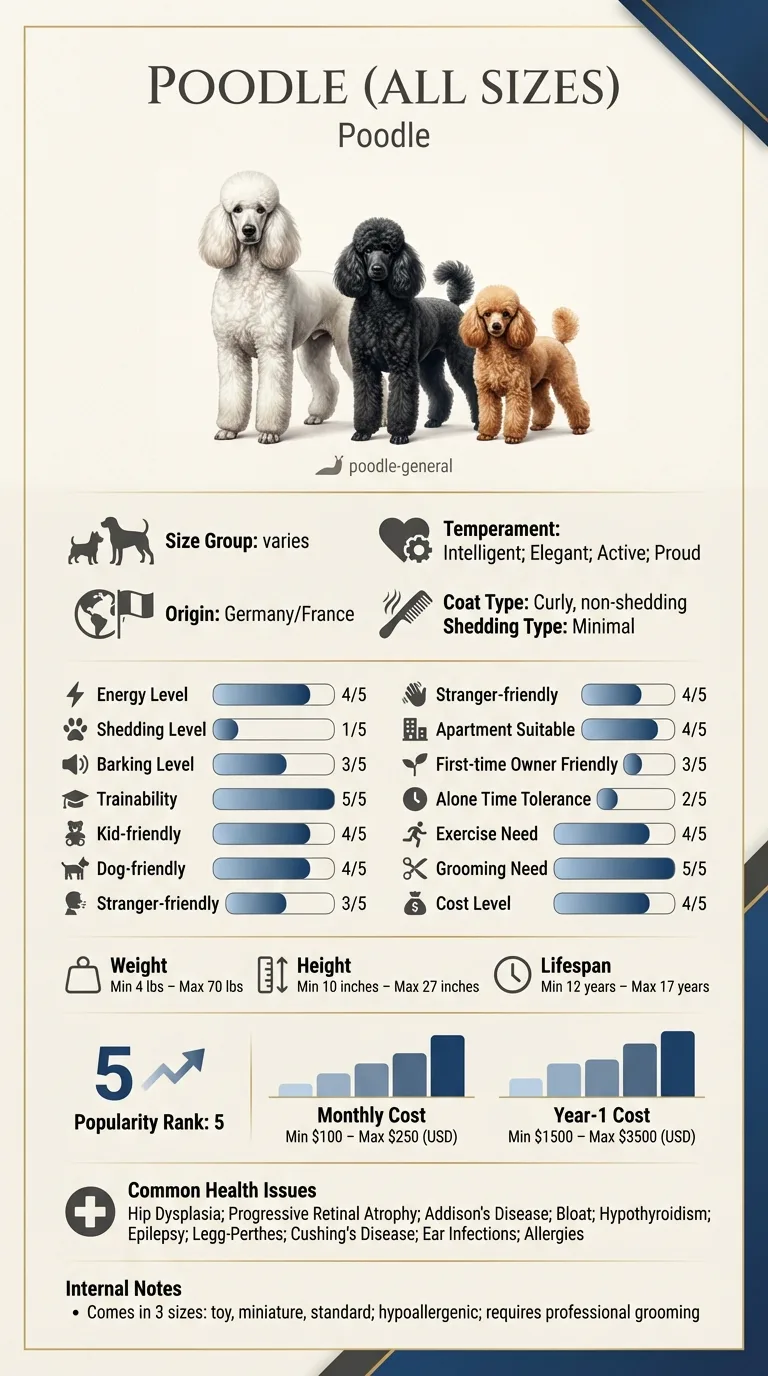
Many Poodle owners, especially those with older dogs or those who notice unusual behaviors, often face the anxiety of a potential cancer diagnosis. First-time dog owners might feel overwhelmed by the signs to watch for and how to respond effectively.
This guide is not medical advice. If your dog shows pain, sudden behavior change, or worsening symptoms, consult a licensed veterinarian.
Some links may be affiliate links. We may earn a commission at no extra cost to you. We only suggest products we believe are helpful for dog owners.
We research and check what we publish, but we do not warrant that any figure, date, price, or statement is accurate, complete, or current, and we accept no liability for any loss, cost, injury, or other harm arising from the use of this site. Use it as one reference among several. You remain responsible for your own decisions and for your dog's care - confirm anything that matters with a licensed veterinarian or another qualified professional before you act on it. Full disclaimer.
Check this first
Identifying when Poodle (All Sizes) cancer is an emergency is crucial. Some signs indicate an urgent need for veterinary care, while others might be monitored at home. Pay attention to the following red flags that require immediate veterinary attention.
If your Poodle experiences severe weight loss, persistent vomiting, or lethargy, these are serious signs that something is wrong. Additionally, difficulty breathing, sudden swelling, or bleeding that won’t stop are all emergencies. These symptoms often indicate advanced disease and require prompt treatment.
On the other hand, if your Poodle is showing mild signs like occasional vomiting, changes in appetite, or minor weight loss, it may be manageable at home. Monitor these symptoms closely, and consider scheduling a vet visit if they persist for more than a few days. Keeping a watchful eye can help catch any worsening conditions early, allowing for timely intervention.
If any of these apply, call your vet or an emergency clinic now. The rest of this page is for the cases that are not an emergency.
Poodle (All Sizes) cancer can be a heart-wrenching reality for many pet owners. Daily, you might notice your beloved Poodle showing signs of lethargy, unusual weight loss, or changes in appetite. These symptoms can be subtle at first, making it crucial to monitor your dog's health closely for any changes.
Cancer is a significant concern for Poodles, with higher rates reported compared to some other breeds. While not every Poodle will face this challenge, awareness and early detection can make a big difference in outcomes.
Poodles, regardless of size, may be predisposed to certain types of cancer due to genetic factors. For instance, some studies suggest that Poodles can be more susceptible to conditions like lymphoma and mast cell tumors. Additionally, their longer lifespan can increase the chances of developing cancer simply due to age.
Environmental factors can also contribute to cancer risk in Poodles. Exposure to harmful chemicals, poor diet, and lack of physical activity can increase the likelihood of cancer. Keeping your Poodle in a stress-free environment and providing a balanced diet can help mitigate some of these risks.
If you notice any unusual lumps, persistent coughing, or changes in appetite, contact your vet promptly. Early intervention is crucial in managing health issues, including potential cancer.
Avoiding these common mistakes can help improve your Poodle's health and well-being. Here are some behaviors that can inadvertently make the situation worse.
Start here: Poodle (All Sizes) Genetic Disorders: What to Screen For
See all Poodle General health problems, which breeds are prone to cancer, or the full Poodle General breed guide for temperament, exercise needs and ownership costs.
Managing cancer in Poodles usually takes time and patience. Early detection and treatment can lead to better outcomes, but expect several weeks to months for noticeable improvement and adjustment.
Success means your Poodle is receiving appropriate medical care, showing signs of comfort, and maintaining a good quality of life. Regular veterinary check-ups and monitoring will be crucial.
Sarah, a busy nurse from Seattle, noticed her 10-year-old Poodle, Oliver, was lethargic and losing weight. After several vet visits, they received the tough diagnosis of cancer. Sarah felt overwhelmed but quickly educated herself on treatment options. She began a combination of chemotherapy and a special diet tailored for dogs with cancer. With time, Oliver regained some energy and even started enjoying short walks again. Sarah learned the importance of staying positive and proactive throughout the journey.
Key takeaway: Navigating a cancer diagnosis requires education, support, and proactive care. Early intervention can help maintain your dog's quality of life.
Cancer in Poodles can be due to genetic predisposition, environmental factors, or age. Regular vet check-ups can help catch any issues early. Keeping your dog healthy with proper nutrition and exercise can also reduce risk.
Look for signs such as unusual lumps, persistent coughing, changes in appetite, or weight loss. If your Poodle shows any of these symptoms, consult your vet for proper evaluation and testing.
Treatment options may include surgery, chemotherapy, or radiation, depending on the cancer type and stage. Your vet will guide you in choosing the best plan based on your dog's situation.
While not all cancers are preventable, you can help by providing a healthy diet, regular exercise, and routine veterinary check-ups. Keeping your Poodle away from harmful chemicals and secondhand smoke is crucial.
Poodles have a higher risk of certain cancers, especially as they age. Regular veterinary screenings can help detect problems early, improving chances for successful treatment.
Stay calm and gather information about treatment options from your vet. Support your Poodle emotionally and physically during this time, and consider consulting a veterinary oncologist for specialized care.
Signs of cancer in Poodles can include sudden weight loss, unusual lumps or bumps, persistent coughing, or changes in appetite. If you notice any of these symptoms, it’s essential to consult your vet for a proper diagnosis.
While all sizes of Poodles can develop cancer, some studies suggest that larger Poodles may have a higher risk for certain types. It's important to monitor your Poodle's health regularly, regardless of size.
Yes, a balanced diet can play a role in your Poodle's overall health and may influence cancer risk. Consult your vet about the best nutrition plan for your Poodle, especially if they are older or have a history of health issues.
If your older Poodle is diagnosed with cancer, discuss treatment options with your vet. They may suggest surgery, chemotherapy, or palliative care to ensure your Poodle is comfortable and maintains a good quality of life.
Supporting your Poodle during cancer treatment involves providing a calm environment, ensuring proper nutrition, and following your vet's advice. Regular check-ups and open communication with your vet are crucial to monitor your Poodle's progress.
Regular vet visits are key for early detection and treatment. Monitor your Poodle for unusual symptoms and maintain a healthy lifestyle to reduce risks.
Provide a comfortable environment, stick to a routine, and ensure they have a balanced diet. Love and attention can also make a big difference in their well-being.
Costs can vary widely, but you might expect to spend anywhere from a few hundred to several thousand dollars, depending on treatment types. Always discuss financial options with your vet.
Yes, some cancers can be hereditary. It's important to inquire about your Poodle's lineage and any known health issues in their family.
A one-page prep sheet for this condition: the signs, the questions to ask, what to get priced. Unlocks here.
You get: Vet visit prep sheet
No spam. One-click unsubscribe. See our privacy policy.
Preview page 1 before you decide.