Behavior
What are some quick tips for Poodle GDV/bloat?
Feed smaller meals throughout the day and use a slow feeder to prevent rapid eating. Avoid exercise right after meals to reduce the risk of GDV/bloat.
Poodle gastric dilatation-volvulus (GDV/bloat) is a serious, life-threatening condition affecting your dog's stomach.
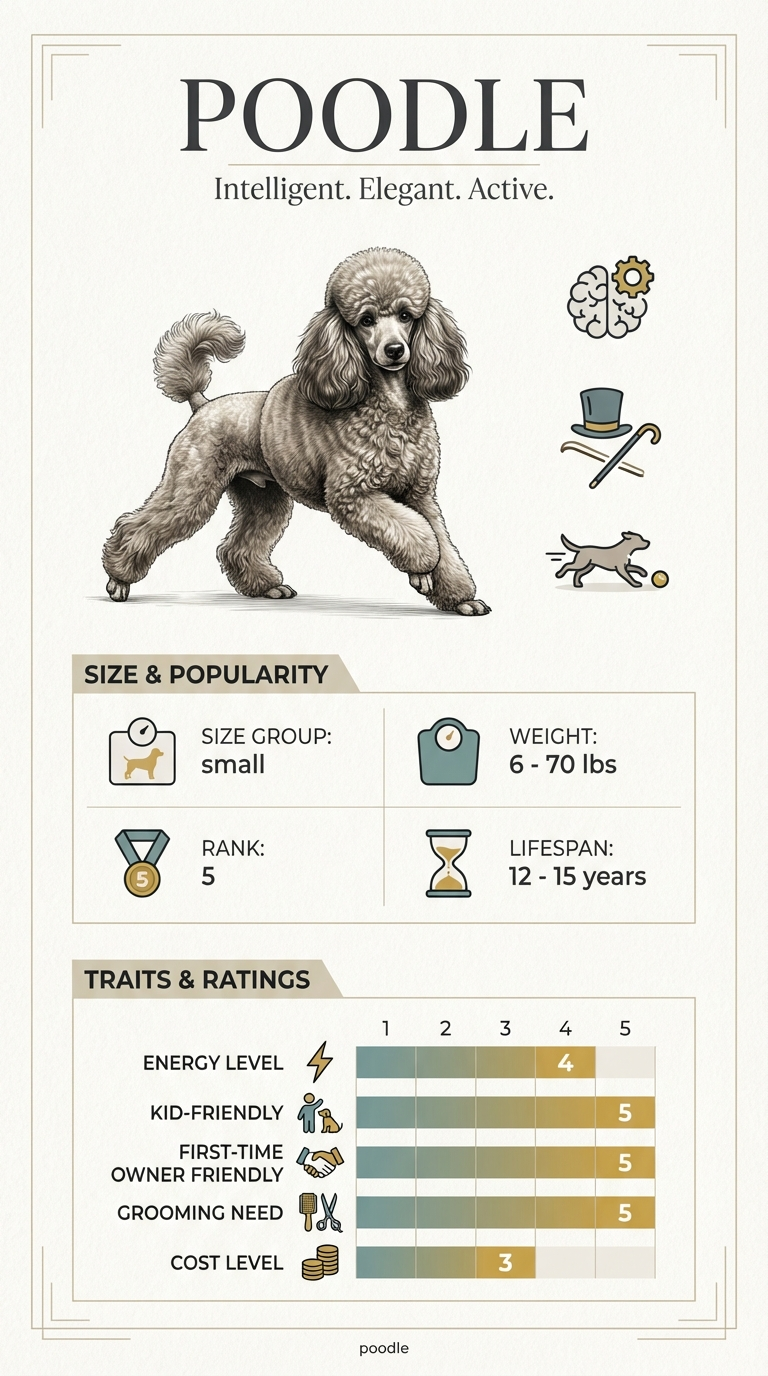
Many Poodle owners, especially those who are new to dog ownership, can struggle with identifying GDV. Busy families or individuals with limited experience in recognizing dog health issues may find this particularly challenging.
This guide is not medical advice. If your dog shows pain, sudden behavior change, or worsening symptoms, consult a licensed veterinarian.
Some links may be affiliate links. We may earn a commission at no extra cost to you. We only suggest products we believe are helpful for dog owners.
Poodle gastric dilatation-volvulus (gdv/bloat) is a serious, life-threatening condition where the stomach fills with gas and twists. Day-to-day, this can look like your Poodle being restless, pacing, or trying to vomit without success. It can happen suddenly and is especially concerning if your Poodle shows signs of distress or bloating.
While gastric dilatation-volvulus (gdv/bloat) is relatively rare overall, it can be more common in certain breeds, including Poodles. It is important for Poodle owners to be aware of the signs and risks, especially since early detection can be crucial.
Poodles can be prone to gastric dilatation-volvulus (GDV) due to their deep chest structure. This anatomical feature makes them more susceptible to bloat, which can lead to life-threatening conditions. Additionally, Poodles are often anxious or excited, which can contribute to the risk of GDV as they may gulp air while eating or drinking.
Environmental factors also play a role in GDV. Rapid eating, drinking large amounts of water after exercise, and high-stress situations can increase the likelihood of bloat. Moreover, feeding your Poodle from elevated bowls or giving them access to food all day can exacerbate their risk.
If your Poodle displays persistent anxiety or rushing behavior during feeding, consider seeking a professional trainer. A trainer can help with behavior modification techniques to create a more relaxed eating routine.
If your Poodle shows symptoms of GDV, such as a swollen abdomen, excessive drooling, or restlessness, contact your vet immediately. Early intervention is critical in emergencies related to GDV.
If you notice signs of GDV in your Poodle, immediate veterinary attention is critical. Recovery can take weeks, but prevention measures should be ongoing.
Successful management means understanding the symptoms, ensuring timely vet visits, and maintaining a routine that minimizes the risk of bloat.
Avoiding common pitfalls can help manage your Poodle's gastric dilatation-volvulus (gdv/bloat) more effectively. Here are some mistakes to steer clear of.
Poodle gastric dilatation-volvulus (GDV/bloat) can escalate quickly. Knowing when to act is crucial for your dog's safety. If you see any of the red-flag signs listed below, call your vet immediately. These symptoms indicate that your Poodle may be experiencing a life-threatening condition.
Signs that require immediate veterinary attention include: - **Retching without producing vomit**: Your Poodle may try to vomit but nothing comes up. - **Distended abdomen**: If your dog's belly looks swollen or feels hard, this is a serious sign. - **Rapid breathing or panting**: These can indicate pain or distress. - **Weakness or lethargy**: If your dog seems unusually tired or unresponsive, it’s time to act. - **Restlessness or pacing**: This may show discomfort, which can be critical.
On the other hand, you might notice mild symptoms that can be monitored at home. If your Poodle shows signs of mild discomfort, such as slight bloating or minor changes in appetite, it may not be an emergency. Watch and wait while you follow a monitoring plan that includes: - **Regular observation**: Keep an eye on any changes in behavior. - **Hydration**: Ensure your Poodle has access to fresh water. - **Small meals**: Feeding smaller portions can help if they seem gassy.
If the mild symptoms do not improve within a few hours, or if they worsen, consult your vet. It's always better to err on the side of caution with any health issue, especially one as serious as GDV/bloat.
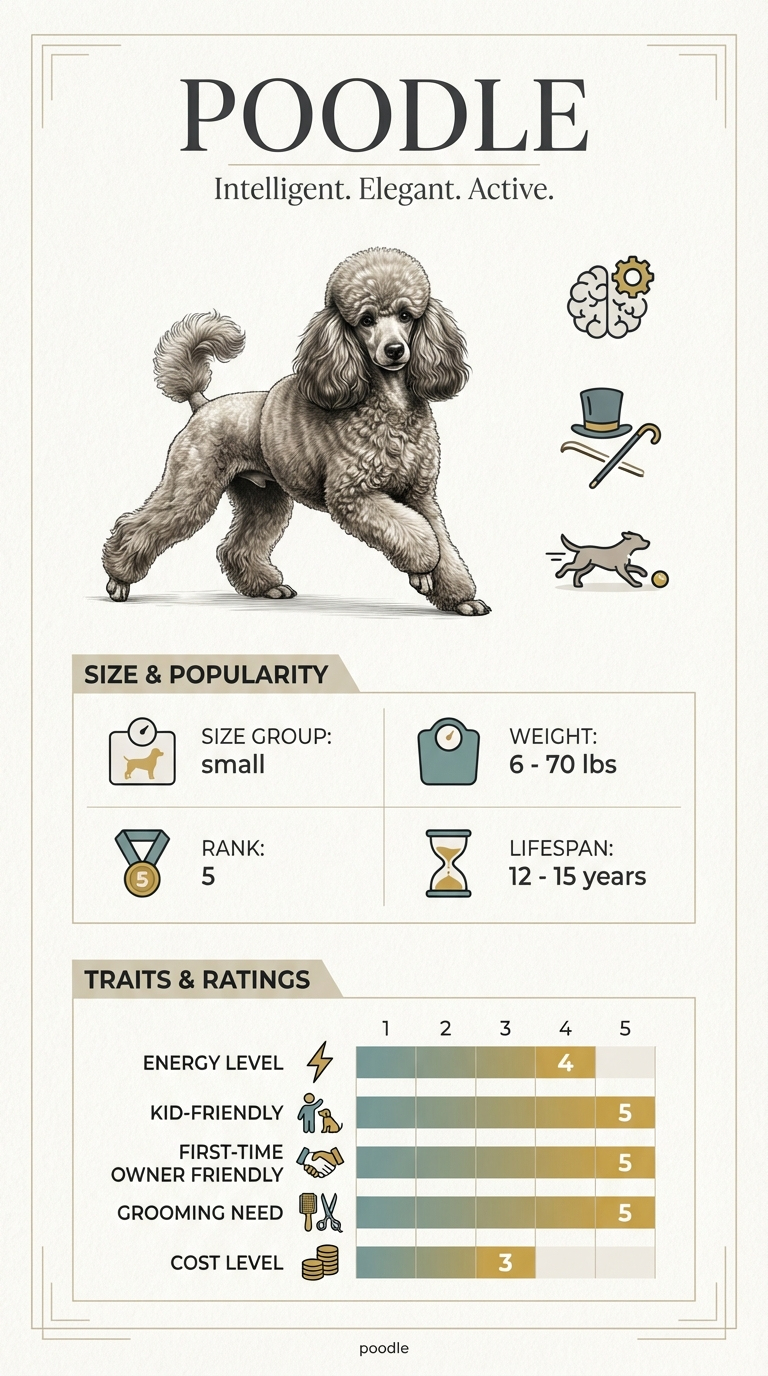
Emma, a first-time dog owner in San Francisco, was excited to bring home her Poodle, Charlie. One evening, she noticed Charlie bloating and appearing restless. After a quick Google search, she rushed him to the vet, where he was diagnosed with GDV. The vet explained the severity of the condition and how crucial it was to act fast. Following treatment, Emma learned how to recognize early signs of bloat and adjusted Charlie’s feeding schedule, ensuring smaller meals and limiting exercise right after eating. With consistent training and awareness, she felt more confident and kept Charlie safe from future episodes.
Key takeaway: Being proactive and educated can save your Poodle's life; always trust your instincts and seek veterinary help immediately if you notice unusual behavior.
Poodle gastric dilatation-volvulus (GDV/bloat) is a serious condition where the stomach expands and twists, trapping gas inside. This can lead to severe pain and can be life-threatening if not treated immediately. It's crucial to recognize the symptoms early to get your dog the help they need.
The exact cause of GDV/bloat is not fully understood, but it often occurs after eating large meals, particularly dry kibble, or drinking excessive water. Stress, genetics, and rapid eating can also contribute to the risk. Knowing your Poodle's habits can help you prevent this serious condition.
Signs of GDV/bloat include a distended abdomen, unproductive vomiting, restlessness, and signs of pain such as whining or pacing. If you notice these symptoms, it's vital to seek veterinary care immediately. Time is of the essence when dealing with this condition.
To help prevent GDV/bloat, feed your Poodle smaller meals more frequently and avoid vigorous exercise right after eating. Using a slow feeder can also help them eat at a more manageable pace. Monitoring their behavior and recognizing early signs can be key in prevention.
If you suspect your Poodle has GDV/bloat, take them to the vet immediately. They may need emergency treatment to relieve the pressure and stabilize their condition. Don't wait to see if symptoms improve; prompt action can save their life.
Early signs of gastric dilatation-volvulus (GDV/bloat) in Poodles can include restlessness, a swollen abdomen, and attempts to vomit without success. You might also notice rapid breathing or excessive drooling. If you see these signs, it's crucial to seek veterinary care immediately.
Yes, older Poodles can be at risk for gastric dilatation-volvulus (GDV/bloat) due to age-related changes in their digestive systems. It's important to monitor their eating habits and be aware of any unusual behavior. Regular vet check-ups are essential to catch potential issues early.
To help prevent gastric dilatation-volvulus (GDV/bloat), feed your Poodle smaller, more frequent meals instead of one large meal. Avoid vigorous exercise right after eating, and consider using a slow feeder bowl to reduce gulping. These practices can lower the risk of bloat significantly.
If your Poodle shows signs of distress after eating, such as pacing, whining, or a distended belly, take them to the vet right away. These can be symptoms of gastric dilatation-volvulus (GDV/bloat), which is a medical emergency. Quick action can save your dog's life.
All Poodles, regardless of size, can be susceptible to gastric dilatation-volvulus (GDV/bloat). However, larger Poodles may have a higher risk. It's important to be vigilant and implement preventive measures for all Poodles to protect their health.
Feed smaller meals throughout the day and use a slow feeder to prevent rapid eating. Avoid exercise right after meals to reduce the risk of GDV/bloat.
Look for signs like a distended belly, unproductive vomiting, or excessive drooling. If your Poodle has a history of bloat, consult your vet for preventive measures.
While not extremely common, GDV/bloat can occur in Poodles, especially those that are large or deep-chested. Awareness and preventive measures are essential.


