Health
What are quick tips for managing Pomeranian ventricular arrhythmias?
Keep your Pomeranian calm and avoid high-stress situations. Regular vet check-ups and proper medication are essential for managing heart conditions.

Quick answer
What are quick tips for managing Pomeranian ventricular arrhythmias?
Keep your Pomeranian calm and avoid high-stress situations. Regular vet check-ups and proper medication are essential for managing heart conditions.
Pomeranian ventricular arrhythmias can be alarming for dog owners as they involve irregular heartbeats that may affect your pet's health.
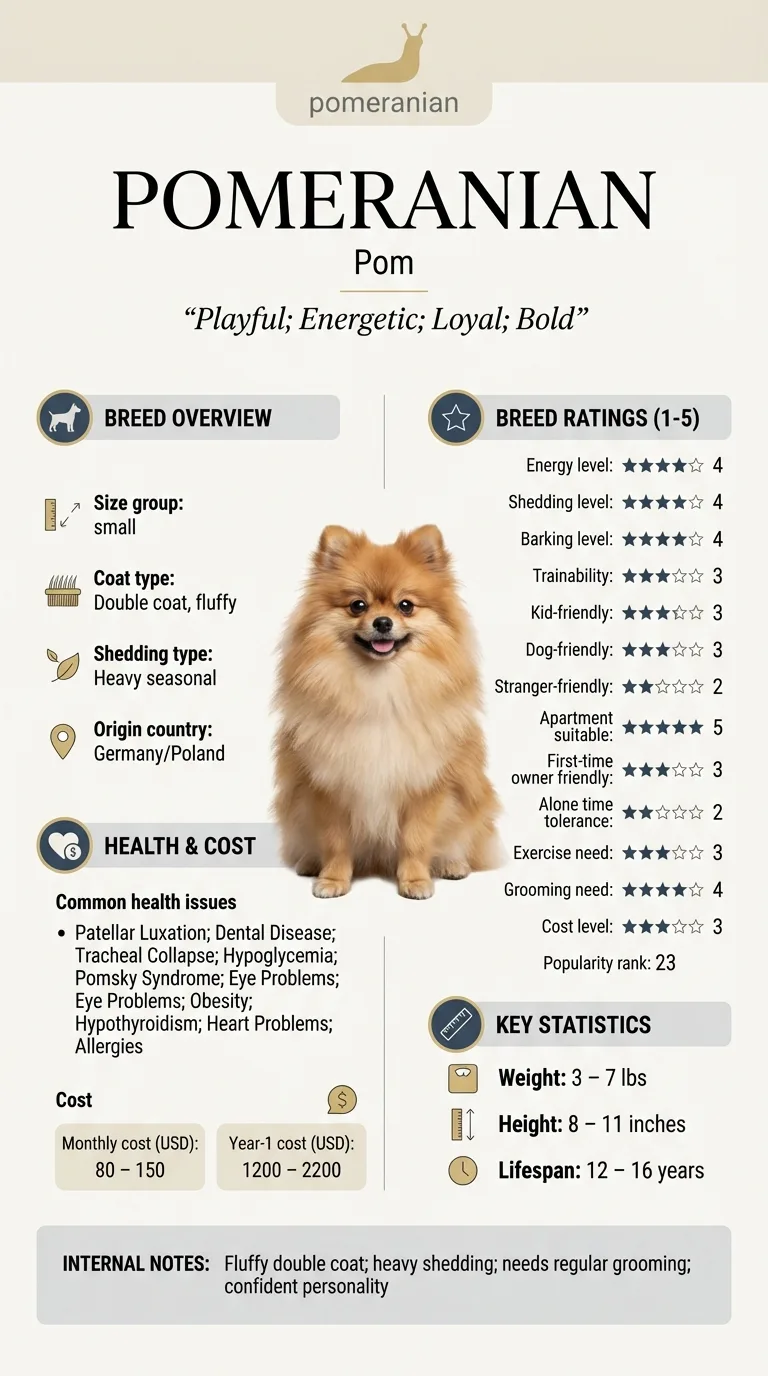
Owners of Pomeranians, especially first-time dog parents, may struggle with recognizing the symptoms and knowing how to address them. Those who have busy lifestyles or limited access to veterinary care might also find this issue particularly challenging.
This guide is not medical advice. If your dog shows pain, sudden behavior change, or worsening symptoms, consult a licensed veterinarian.
Some links may be affiliate links. We may earn a commission at no extra cost to you. We only suggest products we believe are helpful for dog owners.
We research and check what we publish, but we do not warrant that any figure, date, price, or statement is accurate, complete, or current, and we accept no liability for any loss, cost, injury, or other harm arising from the use of this site. Use it as one reference among several. You remain responsible for your own decisions and for your dog's care - confirm anything that matters with a licensed veterinarian or another qualified professional before you act on it. Full disclaimer.
Check this first
Recognizing when your Pomeranian's ventricular arrhythmias are serious is crucial for their health. Some signs indicate immediate veterinary attention is necessary, while others can be monitored at home. Being aware of these signs can help you act quickly and keep your pup safe.
If any of these apply, call your vet or an emergency clinic now. The rest of this page is for the cases that are not an emergency.
Pomeranian ventricular arrhythmias are irregular heartbeats that can lead to serious health issues. Day-to-day, this might look like your Pom being unusually lethargic, coughing, or experiencing fainting spells. These symptoms can be alarming, especially for first-time dog owners who might mistake them for typical behavior.
Ventricular arrhythmias are not uncommon in Pomeranians, especially as they age. They may be more prevalent in dogs with a history of heart problems or those who have not received regular veterinary check-ups. While not every Pom will experience this issue, being aware of the signs can help in early detection and treatment.
Pomeranians can be prone to ventricular arrhythmias due to genetic factors. Their small size and specific heart structure may lead to irregular heartbeats. Additionally, certain inherited conditions can affect their heart health, making them more susceptible to this issue.
Environmental factors can also play a significant role. Stressful situations, such as separation anxiety or loud noises, can trigger arrhythmias. Poor diet or lack of exercise can further exacerbate these heart issues, impacting their overall well-being.
Consult a vet if you notice persistent irregular heartbeats or other health concerns. It's vital to rule out underlying health issues that may require medication or further treatment.
Avoiding common pitfalls can help your Pomeranian with ventricular arrhythmias. Here are some mistakes to watch out for and safer alternatives.
Start here: Pomeranian Most Common Genetic Disorders: What to Screen For
See all Pomeranian health problems, which breeds are prone to ventricular arrhythmias, or the full Pomeranian breed guide for temperament, exercise needs and ownership costs.
With consistent care and vet visits, you can expect to see improvements in your Pomeranian's ventricular arrhythmias within 1 to 3 months.
Success means your Pom will have fewer irregular heartbeats, improved energy levels, and a better quality of life. Regular vet check-ups will help monitor their condition.
If your Pomeranian shows any of these symptoms, it’s time to call your vet immediately: - Fainting or collapsing - Severe lethargy or weakness - Rapid breathing or difficulty breathing - Persistent coughing - Signs of distress, such as whining or pacing - Blue-tinged gums or tongue

If your Pomeranian experiences mild symptoms, you can monitor them at home. Keep an eye on: - Occasional irregular heartbeat without other symptoms - Mild coughing that doesn’t worsen - Slight lethargy after exercise, but still responsive - Changes in appetite without other distress signs - If symptoms persist or worsen, consult your vet.

Emma, a busy nurse in Seattle, noticed her Pomeranian, Max, had been more lethargic than usual. After a vet visit, she learned that Max was experiencing ventricular arrhythmias. Determined to help him, she followed the vet's advice, adjusted Max's diet, and began a gentle exercise routine. Over the next two months, she was thrilled to see Max becoming more active and playful again. Emma also enrolled in a training course focused on managing heart health in dogs, which provided her with valuable tips and support.
Key takeaway: With the right veterinary guidance and consistent care, you can help your Pomeranian manage ventricular arrhythmias and enjoy a happier, healthier life.
Pomeranian ventricular arrhythmias can be caused by various factors, including genetics, heart disease, or electrolyte imbalances. Regular vet check-ups can help identify underlying health issues early. If you notice irregular heartbeats, consult your vet immediately.
Stopping Pomeranian ventricular arrhythmias involves a multifaceted approach. Regular veterinary evaluations are crucial, along with medications prescribed by your vet. Ensure your pom has a balanced diet and regular exercise to maintain heart health.
Signs of ventricular arrhythmias in Pomeranians may include weakness, lethargy, fainting spells, or rapid breathing. If you notice any of these symptoms, it's important to consult a veterinarian promptly for evaluation and treatment.
Treatment options vary but may include medications to regulate heart rhythms and lifestyle changes to reduce stress. In severe cases, your vet may recommend more advanced treatments. Always follow your vet's guidance for the best outcomes.
Yes, certain heart conditions, including ventricular arrhythmias, can have a genetic component. Responsible breeding practices can help reduce the risk. If you’re considering getting a Pomeranian, research the breeder's health history.
Yes, older Pomeranians are more susceptible to ventricular arrhythmias. As they age, their heart health may decline, making regular veterinary check-ups crucial for early detection of any heart issues.
If your Pomeranian has an episode of ventricular arrhythmias, keep calm and observe your dog closely. If the symptoms persist or worsen, seek veterinary care immediately, as this could indicate a serious health issue.
Training methods alone won't cure ventricular arrhythmias, but positive reinforcement can help reduce stress in your Pomeranian. A calm environment and structured routine may assist in managing anxiety that can trigger heart irregularities.
Supporting your Pomeranian's heart health involves providing a balanced diet, regular exercise, and routine veterinary check-ups. Additionally, keeping their weight in check and minimizing stress can significantly contribute to their overall heart health.
Keep your Pomeranian calm and avoid high-stress situations. Regular vet check-ups and proper medication are essential for managing heart conditions.
Create a calm environment with familiar toys and soothing sounds. Training and gentle exercise can also help reduce anxiety.
A balanced diet rich in omega-3 fatty acids can promote heart health. Consult your vet for specific dietary recommendations.
Costs can vary widely based on treatment and vet visits, typically ranging from $80 to $150 monthly. Budget for unexpected expenses as well.
Pomeranians can live 12 to 16 years, but heart problems can impact their lifespan. Regular vet care is crucial for managing their health.
A one-page prep sheet for this condition: the signs, the questions to ask, what to get priced. Unlocks here.
You get: Vet visit prep sheet
No spam. One-click unsubscribe. See our privacy policy.
Preview page 1 before you decide.