Health
What are quick tips for managing Pomeranian chronic active hepatitis?
Regular vet visits and a proper diet are crucial. Keep your Pom's stress low and monitor their symptoms closely.

Quick answer
What are quick tips for managing Pomeranian chronic active hepatitis?
Regular vet visits and a proper diet are crucial. Keep your Pom's stress low and monitor their symptoms closely.
Pomeranian chronic active hepatitis is a serious liver condition that can affect your dog's health and quality of life.
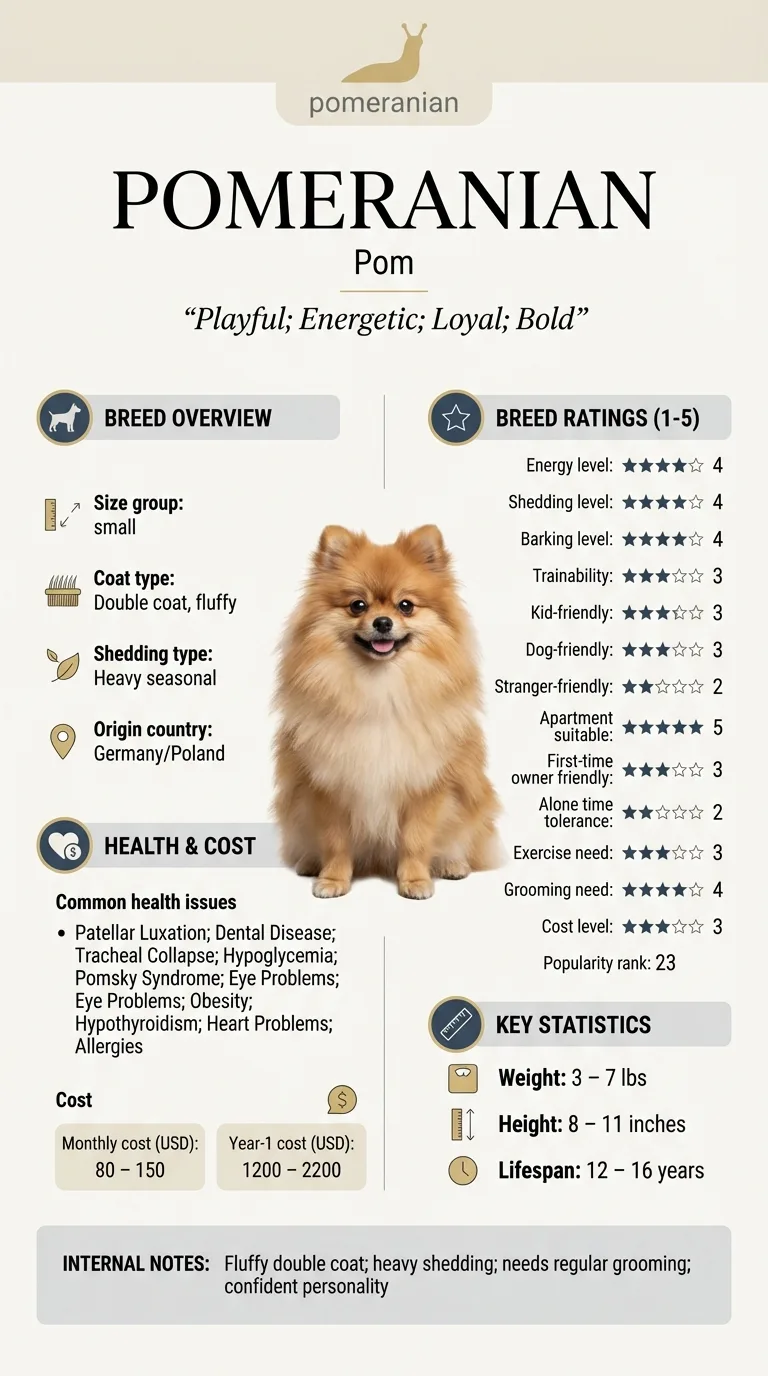
Typically, owners of Pomeranians who notice symptoms like lethargy, loss of appetite, or jaundice may face this challenging health issue. First-time dog owners or those unfamiliar with breed-specific health problems might find this particularly overwhelming.
This guide is not medical advice. If your dog shows pain, sudden behavior change, or worsening symptoms, consult a licensed veterinarian.
Some links may be affiliate links. We may earn a commission at no extra cost to you. We only suggest products we believe are helpful for dog owners.
We research and check what we publish, but we do not warrant that any figure, date, price, or statement is accurate, complete, or current, and we accept no liability for any loss, cost, injury, or other harm arising from the use of this site. Use it as one reference among several. You remain responsible for your own decisions and for your dog's care - confirm anything that matters with a licensed veterinarian or another qualified professional before you act on it. Full disclaimer.
Check this first
Identifying when Pomeranian chronic active hepatitis becomes an emergency is crucial for your dog’s health. If you notice any severe symptoms, it’s vital to call your vet immediately. Red-flag signs include persistent vomiting, severe lethargy, jaundice (yellowing of the skin and eyes), and unusual bleeding. These symptoms may indicate that your Pomeranian's liver function is critically compromised, and swift action is necessary.
Mild cases of Pomeranian chronic active hepatitis can often be monitored at home. Symptoms like slight lethargy, occasional vomiting, or reduced appetite should be observed closely. If your Pom shows these mild signs, take notes on their behavior and consult your vet for a tailored plan. In many cases, a watch-and-wait approach can help manage the issue without immediate intervention.
However, if your dog exhibits any combination of red-flag symptoms, do not hesitate to seek veterinary care. Early detection and treatment can prevent serious complications and improve your dog's quality of life.
If any of these apply, call your vet or an emergency clinic now. The rest of this page is for the cases that are not an emergency.
Pomeranian chronic active hepatitis is a serious liver condition that can affect your dog's overall health and behavior. This condition can lead to symptoms such as vomiting, diarrhea, and lethargy. Daily life can become challenging as your Pomeranian may seem less energetic and more irritable, which can be distressing for both you and your pet.
Chronic active hepatitis is relatively rare in Pomeranians, but it can occur, especially in older dogs. Regular vet check-ups are crucial to catch any liver issues early and manage them effectively.
Pomeranians are small dogs with a unique genetic makeup. Certain breeds, including Pomeranians, may be genetically predisposed to liver issues like chronic active hepatitis. Their playful and energetic nature can sometimes mask underlying health problems, making it crucial to monitor their behavior closely.
Environmental factors also play a significant role in chronic active hepatitis. Exposure to toxins, poor diet, or insufficient exercise can strain a Pomeranian's liver. Stressful situations, such as frequent changes in routine or separation anxiety, can further exacerbate their health issues.
If you notice symptoms like vomiting, lethargy, or jaundice, contact your vet immediately. Regular check-ups are essential for monitoring their liver health, especially if they have a history of liver issues.
It's important to avoid common mistakes that can worsen Pomeranian chronic active hepatitis. Here are some behaviors to watch out for, along with safer alternatives.
Start here: Pomeranian Most Common Genetic Disorders: What to Screen For
See all Pomeranian health problems, which breeds are prone to chronic active hepatitis, or the full Pomeranian breed guide for temperament, exercise needs and ownership costs.
Managing Pomeranian chronic active hepatitis typically takes several months. Expect to see gradual improvement over a 3 to 6 month period with consistent care and monitoring.
Success means your Pomeranian shows stable liver function, improved energy levels, and a better appetite. Regular vet visits and adherence to treatment plans are essential.
Jessica, a devoted Pomeranian owner in San Diego, noticed her furry friend Bella becoming lethargic and losing weight. After a vet visit, Bella was diagnosed with chronic active hepatitis. Jessica felt overwhelmed, but she committed to a strict diet and regular vet check-ups. Over the next few months, Bella's energy returned, and she even resumed her playful antics. Jessica learned the importance of consistency and support from her vet in managing Bella's condition.
Key takeaway: With the right care and commitment, managing Pomeranian chronic active hepatitis can lead to a healthier, happier dog.
Chronic active hepatitis in Pomeranians can be caused by factors like genetic predisposition, infections, or autoimmune issues. Diet and environmental factors may also play a role. It's essential to consult a vet for a full diagnosis.
Managing Pomeranian chronic active hepatitis involves regular vet check-ups, a balanced diet, and medication as prescribed. Your vet may recommend specific liver-supportive diets and supplements to help your dog's condition.
While training techniques aren't specific to chronic active hepatitis, positive reinforcement can help your Pom feel more comfortable. Keep training sessions short and engaging, allowing for breaks as needed due to potential fatigue.
Watch for signs like increased lethargy, vomiting, diarrhea, or jaundice. If you notice these symptoms or changes in behavior, contact your vet immediately to adjust your dog's treatment plan.
There is no definitive cure for Pomeranian chronic active hepatitis, but with proper management, many dogs can live a comfortable life. Consistent veterinary care and lifestyle adjustments are key to maintaining your dog's health.
Early symptoms can include lethargy, loss of appetite, and vomiting. You may also notice changes in your Pomeranian's stool color or consistency. If you observe these signs, it's important to consult your vet promptly.
While diet alone won't cure Pomeranian chronic active hepatitis, a balanced diet can support liver health. Your vet may recommend specific foods or supplements that are easier on the liver and promote overall well-being.
There may be a genetic component to Pomeranian chronic active hepatitis, especially if there is a family history of liver issues. It's a good idea to discuss your Pomeranian's lineage with your vet to understand potential risks.
If your Pomeranian is diagnosed with chronic active hepatitis, follow your vet's treatment plan closely. Regular check-ups will be essential to monitor your dog's condition and adjust treatments as necessary.
Creating a calm and comfortable environment is key. Ensure your Pomeranian has a cozy space to rest and consider gentle activities like short, easy walks. Always consult your vet for personalized comfort strategies.
Regular vet visits and a proper diet are crucial. Keep your Pom's stress low and monitor their symptoms closely.
Treatment can range from $500 to $2,500 annually, depending on your dog's needs and the severity of the condition.
Monitor for excessive tiredness, changes in appetite, or unexpected behaviors. These could indicate health changes.
Yes, Pomeranians are prone to various health issues, including dental disease and patellar luxation, which could complicate chronic active hepatitis.
A one-page prep sheet for this condition: the signs, the questions to ask, what to get priced. Unlocks here.
You get: Vet visit prep sheet
No spam. One-click unsubscribe. See our privacy policy.
Preview page 1 before you decide.