DogBreedCompass
← Back to breed profile

Understanding Pomeranian Arrhythmogenic Right Ventricular Cardiomyopathy (ARVC)

Pomeranian arrhythmogenic right ventricular cardiomyopathy (ARVC) is a serious heart condition affecting these small dogs.

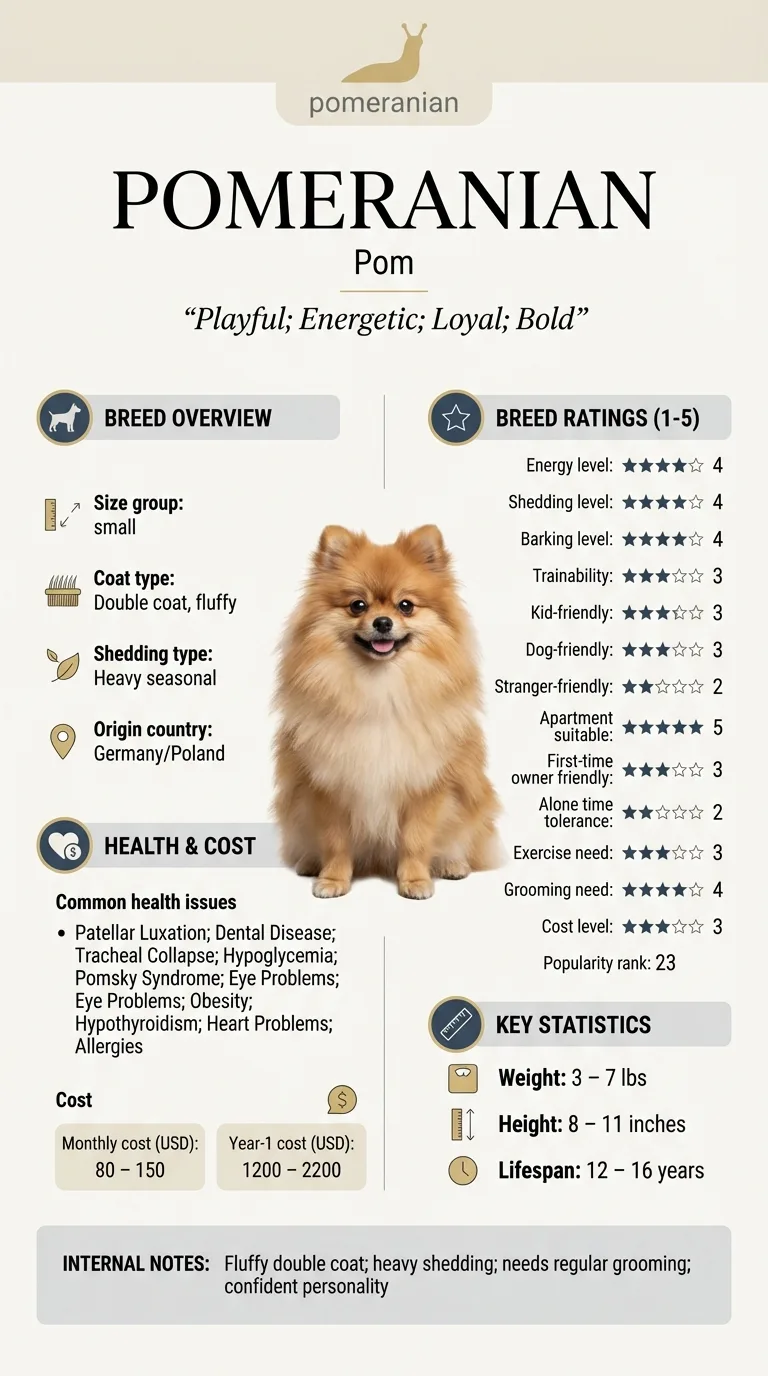
Understanding Pomeranian Arrhythmogenic Right Ventricular Cardiomyopathy (ARVC) infographic

Typically, Pomeranian owners who notice irregular behaviors like fainting or excessive panting may be concerned. First-time owners or those unfamiliar with canine heart issues often find this particularly challenging.

Important reminder

This guide is not medical advice. If your dog shows pain, sudden behavior change, or worsening symptoms, consult a licensed veterinarian.

Some links may be affiliate links. We may earn a commission at no extra cost to you. We only suggest products we believe are helpful for dog owners.

What this problem looks like

Pomeranian arrhythmogenic right ventricular cardiomyopathy (ARVC) is a serious heart condition affecting the dog's heart rhythm. Owners may notice symptoms such as lethargy, weakness, or fainting spells. These signs can be distressing, as they often occur suddenly and may be mistaken for general fatigue.

Common triggers

  • Stressful situations, such as loud noises or new environments
  • Increased physical activity that the dog isn't accustomed to
  • Genetic predisposition, as some Pomeranians are more prone to this condition

ARVC is relatively uncommon in Pomeranians, but it can occur. It is essential for owners to be aware of the signs and consult a vet if they suspect any heart issues. Regular check-ups can help catch potential problems early.

Why this happens

Breed factors

Pomeranians are small dogs with a genetic predisposition to certain heart issues, including arrhythmogenic right ventricular cardiomyopathy (ARVC). This breed's structure and size can make them more vulnerable to heart rhythm disorders. Additionally, their energetic and playful nature may lead to overexertion, putting more strain on their hearts.

Environment factors

Environmental factors like high stress, poor diet, and lack of exercise can exacerbate heart issues in Pomeranians. A sedentary lifestyle or obesity can increase the risk of developing ARVC. Furthermore, exposure to extreme temperatures can affect their heart health, as Pomeranians are sensitive to both heat and cold.

What you can try

At-home strategies

  • Maintain a balanced diet tailored for heart health. Look for high-quality dog food that supports cardiac function.
  • Encourage regular, moderate exercise. Short walks and playtime are great for keeping your Pom active without overdoing it.
  • Monitor your dog's weight closely. Keep a log of their food intake and exercise to help prevent obesity.

When to consider a trainer

If your Pomeranian displays anxiety or stress that seems to affect their heart condition, a professional trainer can help. They can provide guidance on calming techniques and proper socialization to reduce anxiety levels. Look for trainers experienced in working with small breeds and anxiety issues.

When to talk to your vet

Consult your vet if you notice any signs of distress, like excessive panting, coughing, or lethargy. Regular check-ups are essential for monitoring heart health, especially if your Pom is genetically predisposed to heart issues. If symptoms worsen, your vet can recommend further tests or treatments.

Realistic expectations

With consistent training and veterinary care, you can expect improvements in your Pomeranian's condition within a few months. This may include better management of symptoms and a more stable heart rhythm.

Success looks like your Pomeranian displaying a more regular heartbeat, increased energy levels, and an overall improvement in their quality of life. Regular check-ups with your vet will also help monitor their heart health.

Mistakes that make this worse

Many Pomeranian owners unknowingly make choices that can worsen arrhythmogenic right ventricular cardiomyopathy (ARVC). Here are some common mistakes to avoid.

  • Ignoring Symptoms: Delaying a vet visit when noticing irregular heartbeats or lethargy can worsen ARVC. Instead, seek veterinary advice promptly if you see any signs.
  • Overexerting Your Pom: Allowing excessive exercise can strain their heart. Instead, provide moderate activity and rest periods to keep them healthy.
  • Skipping Regular Check-ups: Neglecting routine vet visits can lead to unmonitored heart health. Schedule check-ups regularly to catch potential issues early.
  • Feeding Poor Quality Diet: Low-quality food can contribute to obesity and heart problems. Invest in a balanced, vet-recommended diet to support their overall health.
  • Self-Medicating: Using over-the-counter medications without a vet’s guidance can be harmful. Always consult your veterinarian before giving any medication.
  • Ignoring Stress Triggers: Subjecting your Pom to stressful environments can increase anxiety and heart strain. Create a calm and safe space for your dog to relax.

When Pomeranian Arrhythmogenic Right Ventricular Cardiomyopathy (ARVC) is an Emergency

Recognizing when Pomeranian arrhythmogenic right ventricular cardiomyopathy (ARVC) is an emergency is crucial. If your Pom shows signs of severe lethargy, collapses, or has difficulty breathing, call your vet immediately. These symptoms indicate a serious heart issue that requires prompt attention.

On the other hand, if your Pomeranian experiences mild symptoms like occasional coughing, slight fatigue, or decreased activity, you can monitor them at home. Keep a close eye on their behavior and maintain regular vet check-ups to keep track of their heart health.

It's important to have a plan in place if you notice any changes. For example, track your dog's symptoms daily and note any patterns. This information can be valuable for your vet to determine if treatment is necessary. Regular visits can help catch any serious issues before they escalate. Always trust your instincts—if something feels off, don't hesitate to reach out to your vet.

Understanding Pomeranian Arrhythmogenic Right Ventricular Cardiomyopathy (ARVC) - When Pomeranian Arrhythmogenic Right Ventricular Cardiomyopathy (ARVC) is an Emergency

Emily and Bella's Journey with ARVC

Emily, a busy nurse in Los Angeles, noticed her Pomeranian Bella was more lethargic than usual. After a vet visit, she learned that Bella had arrhythmogenic right ventricular cardiomyopathy (ARVC). Initially overwhelmed, Emily committed to a structured care plan that included medication, regular vet check-ups, and gentle exercise. With patience and diligence, Bella's symptoms improved, allowing her to enjoy playtime again.

Key takeaway: Managing ARVC in Pomeranians requires dedication and consistent care, but with the right approach, your furry friend can lead a happier, more active life.

Frequently asked questions

What is Pomeranian arrhythmogenic right ventricular cardiomyopathy (ARVC)?

Pomeranian arrhythmogenic right ventricular cardiomyopathy (ARVC) is a heart rhythm disorder that can lead to serious health issues. It primarily affects the heart's right ventricle, causing irregular heartbeats and increasing the risk of sudden cardiac events. Early detection through regular veterinary check-ups is crucial.

Why does my Pomeranian have arrhythmogenic right ventricular cardiomyopathy (ARVC)?

The exact cause of ARVC in Pomeranians is often genetic, but other factors like age and overall health can contribute. If your Pom shows signs like fainting or lethargy, consult your vet for a proper diagnosis and management plan.

How can I help my Pomeranian with ARVC?

Managing ARVC involves regular veterinary visits for heart monitoring and possibly medication. It's also important to limit strenuous activities that could stress their heart, maintaining a calm environment for your pet.

What are the signs of Pomeranian arrhythmogenic right ventricular cardiomyopathy (ARVC)?

Common signs include fainting, coughing, difficulty breathing, and unusual fatigue. If you notice any of these symptoms, seek veterinary advice immediately for evaluation and treatment options.

Can Pomeranian arrhythmogenic right ventricular cardiomyopathy (ARVC) be treated?

While ARVC cannot be cured, it can be managed with medication and lifestyle adjustments. Your veterinarian will provide a tailored plan that may include anti-arrhythmic drugs and regular heart monitoring.

What are the long-term effects of ARVC in Pomeranians?

Long-term effects can vary, but without proper management, ARVC can lead to severe complications, including heart failure. Regular veterinary care is essential to monitor your dog's condition and adjust treatment as necessary.

How to stop Pomeranian arrhythmogenic right ventricular cardiomyopathy (ARVC)?

While ARVC cannot be stopped, managing your Pomeranian's lifestyle, ensuring regular vet visits, and adhering to treatment plans can significantly improve their quality of life.

What are the early signs of Pomeranian arrhythmogenic right ventricular cardiomyopathy (ARVC)?

Early signs of Pomeranian arrhythmogenic right ventricular cardiomyopathy (ARVC) may include fainting, lethargy, or rapid breathing. If you notice these symptoms, it's important to consult your vet promptly for a proper diagnosis.

Can Pomeranian arrhythmogenic right ventricular cardiomyopathy (ARVC) be managed with medication?

Yes, Pomeranian arrhythmogenic right ventricular cardiomyopathy (ARVC) can often be managed with medication prescribed by your vet. Regular check-ups will help monitor your dog's condition and adjust treatment as needed.

Is Pomeranian arrhythmogenic right ventricular cardiomyopathy (ARVC) hereditary?

Pomeranian arrhythmogenic right ventricular cardiomyopathy (ARVC) can have a genetic component. If you are considering breeding, it's crucial to screen for this condition to prevent passing it on to future generations.

How can I help my Pomeranian with arrhythmogenic right ventricular cardiomyopathy (ARVC) feel comfortable at home?

To help your Pomeranian with arrhythmogenic right ventricular cardiomyopathy (ARVC), create a calm environment. Limit stress, provide a cozy resting area, and keep a routine to help them feel secure.

When should I take my Pomeranian to the vet for arrhythmogenic right ventricular cardiomyopathy (ARVC)?

You should take your Pomeranian to the vet if you observe any symptoms of arrhythmogenic right ventricular cardiomyopathy (ARVC), such as unusual fatigue or difficulty breathing. Early intervention can significantly improve outcomes.

Quick answers

View more answers
Health

What should I do if my Pomeranian faints?

If your Pomeranian faints, keep them calm and take them to the vet immediately for evaluation of potential heart issues.

Health

Are there specific foods to support a Pomeranian with ARVC?

A balanced diet rich in omega-3 fatty acids and low in sodium can benefit heart health. Always consult your vet for specific dietary recommendations.

Living

How often should a Pomeranian with ARVC see the vet?

Pomeranians diagnosed with ARVC should see the vet at least every six months for heart monitoring and medication adjustments.

Training

Can training help a Pomeranian with ARVC?

Gentle training can help keep your Pomeranian mentally stimulated without overexerting them. Focus on short, calm sessions.

Behavior

What are quick tips for managing ARVC in Pomeranians?

Monitor their energy levels, maintain a low-stress environment, and adhere to vet-recommended treatments. Regular check-ups are key.

Related DogBreedCompass guides

Related guides