Health
What are Pomeranian cataracts quick tips?
Keep your Pomeranian's diet healthy, and ensure regular vet check-ups to monitor eye health. Early detection can help manage the condition.

Quick answer
What are Pomeranian cataracts quick tips?
Keep your Pomeranian's diet healthy, and ensure regular vet check-ups to monitor eye health. Early detection can help manage the condition.
Pomeranian cataracts can cloud your dog's vision and impact their quality of life.
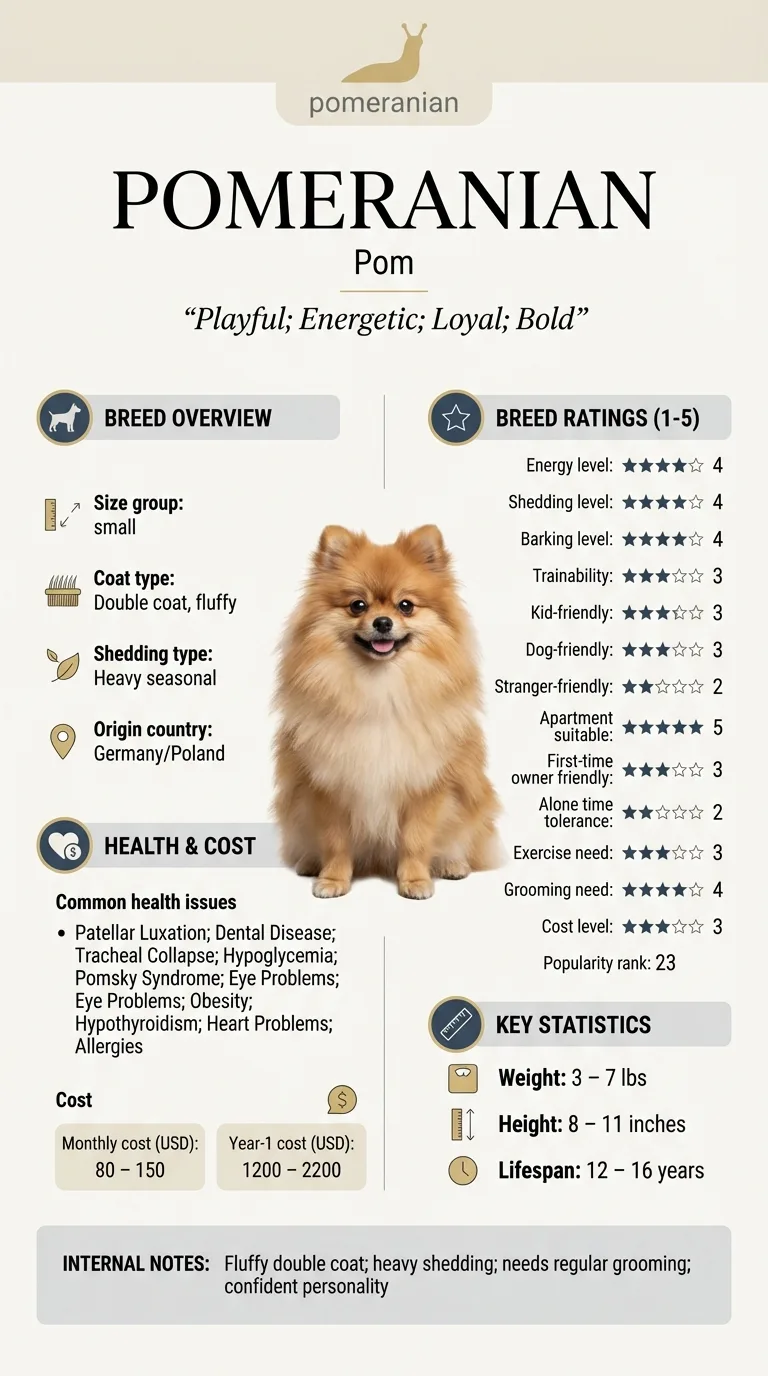
Owners of Pomeranians, especially those over the age of 6, often find themselves dealing with cataracts. Busy pet parents may struggle to recognize the early signs, which can include changes in behavior or reluctance to play.
This guide is not medical advice. If your dog shows pain, sudden behavior change, or worsening symptoms, consult a licensed veterinarian.
Some links may be affiliate links. We may earn a commission at no extra cost to you. We only suggest products we believe are helpful for dog owners.
We research and check what we publish, but we do not warrant that any figure, date, price, or statement is accurate, complete, or current, and we accept no liability for any loss, cost, injury, or other harm arising from the use of this site. Use it as one reference among several. You remain responsible for your own decisions and for your dog's care - confirm anything that matters with a licensed veterinarian or another qualified professional before you act on it. Full disclaimer.
Check this first
Pomeranian cataracts can vary in severity, and recognizing when to act fast is crucial. If you notice sudden changes in your Pom's vision, such as bumping into furniture or hesitating to jump off the couch, these could be signs of an emergency. Additionally, if your dog appears to be in pain, squints, or has red or swollen eyes, it's time to call your vet immediately.
On the other hand, if your Pom has developed cloudy eyes but is still playful and navigating their environment without issues, you may not need to rush. Monitor their behavior closely. Regular vet check-ups will help track the cataracts' progression. Establish a plan to manage their comfort and safety, such as avoiding stairs and providing well-lit areas for them to move around.
Keep an eye out for any changes in appetite or energy levels, as these can also signal worsening conditions. If you notice any of these signs alongside their cataracts, it's essential to consult your vet for tailored advice. Remember, early intervention can make a significant difference in your dog's quality of life.
If any of these apply, call your vet or an emergency clinic now. The rest of this page is for the cases that are not an emergency.
Pomeranian cataracts manifest as cloudiness in your dog's eyes, often leading to vision impairment. This condition can develop gradually, making it hard for owners to notice until it becomes severe. Common symptoms include difficulty seeing in low light and a visible haze or bluish tint in the eyes.
Cataracts are relatively common in Pomeranians, especially as they age. Many Pomeranians over the age of 7 may show signs of cataracts, making this a frequent concern for owners.
Pomeranians are prone to cataracts due to their genetic makeup. This breed has a higher likelihood of developing eye problems as they age. Factors like their fluffy double coat and small size can also contribute to eye health issues.
Environmental factors can play a role in Pomeranian cataracts as well. Exposure to bright sunlight may increase the risk of lens clouding. Additionally, poor nutrition or underlying health problems can exacerbate eye issues.
Consult a vet if you notice signs of cataracts, such as cloudiness in the eyes or changes in your dog's behavior. Early intervention can help manage the condition and prevent further complications.
Avoiding these common mistakes can help manage your Pomeranian's cataracts effectively.
Start here: Pomeranian Most Common Genetic Disorders: What to Screen For
See all Pomeranian health problems, which breeds are prone to cataracts, or the full Pomeranian breed guide for temperament, exercise needs and ownership costs.
Managing Pomeranian cataracts typically takes several months. You may notice gradual changes in your dog's vision and behavior as you implement care strategies. Success often comes in the form of improved comfort and quality of life for your Pom.
Success looks like your Pomeranian adjusting to their vision changes, showing less anxiety, and enjoying their daily activities. Regular veterinary check-ups will help monitor the cataracts and adjust care as needed.
When Sarah adopted Bella, her adorable Pomeranian, she noticed Bella was bumping into furniture and hesitating on walks. After a vet visit, she learned that Bella had cataracts. Feeling overwhelmed, Sarah researched how to manage the condition. She started using special lighting in her home and guided Bella with verbal cues during walks. After months of patience and care, Bella began moving confidently again, and their bond grew stronger as they navigated the world together.
Key takeaway: Cataracts can be managed with patience and small adjustments in your home and routine, helping your Pomeranian lead a happy life despite their vision challenges.
Pomeranians can develop cataracts due to genetic predisposition, aging, or other health conditions. Regular vet check-ups can help identify these issues early. If you notice changes in your dog's vision, consult your veterinarian.
To manage Pomeranian cataracts, maintain a healthy diet and keep your dog active. Regular veterinary visits are crucial to monitor the condition. In some cases, surgery may be recommended to remove the cataracts.
Signs of cataracts in Pomeranians include cloudy or opaque eyes, difficulty seeing, and changes in behavior. You might notice your dog bumping into objects or being hesitant in new environments. If you observe these signs, seek veterinary advice promptly.
Yes, cataracts can be hereditary in Pomeranians. If your dog's parents had cataracts, there’s a higher chance your dog may develop them too. Responsible breeding practices can help reduce the prevalence of hereditary cataracts.
While some eye drops may help with discomfort, surgery is often the only effective treatment for cataracts. It's essential to discuss treatment options with your vet. They can provide guidance based on your dog's specific situation.
Cataracts in Pomeranians can be caused by genetics, aging, or underlying health issues such as diabetes. It's not uncommon for older Pomeranians to develop cataracts as part of the aging process.
If your Pomeranian is showing signs of cloudy or blurry vision, bumping into objects, or showing reluctance to jump or climb, cataracts might be the cause. A thorough veterinary examination is the best way to confirm this condition.
Yes, cataracts can often be treated with surgery to remove the cloudy lens. It's important to consult with your veterinarian to discuss the best options and to determine if your Pomeranian is a suitable candidate for the procedure.
If left untreated, cataracts can lead to other serious eye issues like glaucoma or retinal detachment. Regular check-ups with your vet are essential to monitor your Pomeranian's eye health and address any concerns early.
Cataracts can occur in younger Pomeranians due to genetic factors or health conditions like diabetes. If your young Pom develops cataracts, it's crucial to see a vet for a thorough diagnosis and management plan.
Keep your Pomeranian's diet healthy, and ensure regular vet check-ups to monitor eye health. Early detection can help manage the condition.
Watch for signs like bumping into objects or reluctance to navigate familiar spaces. These could indicate vision problems.
Schedule a vet appointment as soon as possible for proper diagnosis and treatment options. Don't wait, as early intervention is crucial.
Yes, cataract surgery can be expensive, typically ranging from $2,500 to $4,000. Discuss financial options with your vet.
A one-page prep sheet for this condition: the signs, the questions to ask, what to get priced. Unlocks here.
You get: Vet visit prep sheet
No spam. One-click unsubscribe. See our privacy policy.
See a sample page before you decide.
Early access list
The free prep sheet covers the same-day warning signs, a symptom log and the questions to ask. We are considering a fuller kit that adds a cost worksheet for the usual tests and treatments (US price ranges with their sources) and a plain-English guide to ways of covering the bill. It is not built yet; this list tells us whether it is worth building.
One email, no spam, unsubscribe anytime. Information only, not veterinary advice.